Fulltext
The full text of this article is available on the PDF file.
Zahedan Journal of Research in Medical Sciences
The Official Journal of Zahedan University of Medical Sciences

Image Credit:Zahedan J Res Med Sci
Authors
Background: The purpose of this study is to determine the interaction between Blastema tissue and decellularized three-dimensional matrix of ovine bladder in vitro.
Materials and Methods: In order to produce relaxation of decellularized ovine bladder, combination of physiochemical methods were used. Thus, pieces of bladder were put in -4 C and then samples were put in liquid nitrogen then all samples were decellularized using chemical combination of 1% SDS (Sodium Dodecyl Sulfate). To produce Blastema tissue, a few 2 mm diameter holes were made in auricles of male New Zealand rabbits. After 72 hours, The Blastema ring was removed and it was put under sterile conditions of decellularized scaffolds inside the Blastema ring and moved to the medium. After histological stages, medium samples were stained with Hematoxylin-Eosin and Peak Indigo Carmine. The quantitative data were analyzed by ANOVA and TUKY test at the level of p<0.05.
Results: Light microscopic studies at different culture days showed that blastema cells migrated into the decellularized matrix of bladder so that the maximum migration to the scaffold occurred on the 20th day (p=0.001). Blastema cells differentiation into the epithelial, fibroblasts and adipocyte cells is obvious on the day 15 and 20.
Conclusion: Bladder decellularized matrix can be a suitable scaffold to induce and differentiate blastema cells.
© 2012, Author(s). This open-access article is available under the Creative Commons Attribution 4.0 (CC BY 4.0) International License (https://creativecommons.org/licenses/by/4.0/), which allows for unrestricted use, distribution, and reproduction in any medium, provided that the original work is properly cited.

Rasti H, Saghiri N, Baharara J, Mahdavi-Shahri N, Marjani M, et al. Differentiation of Blastema Cells in Decellularized Bladder Scaffold in vitro. Zahedan J Res Med Sci. 2015;17(5):-. doi: https://doi.org/10.17795/zjrms960

Dahmardeh T, Mahdavi Shahri N, M. Matin M, Behnam Rassouli M, Lari R. Inducing the Effects of Acellular Dermal Matrix on Blastema Tissue Originated From the Pinna of New Zealand White Rabbit, in Vitro. Gene Cell Tissue. 2016;3(3):e35510. doi: https://doi.org/10.17795/gct-35510
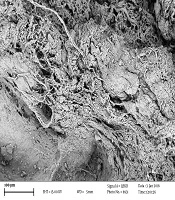
Najafi R, Asadi A, Zahri S, Abdolmaleki A. Preparing Sheep Bladder Scaffold and Examining the Differentiation of Mesenchymal Stem Cell Into Myocytes on Scaffolds. Gene Cell Tissue. 2021;8(3):e114576. doi: https://doi.org/10.5812/gct.114576
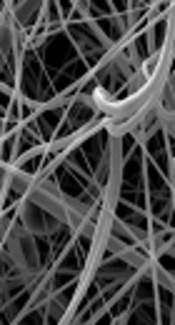
Lajevardi M, Behnam-Rassouli M, Mahdavi-Shahri N, Abdolmaleki A, Mahdizadeh AH. Biocompatibility of Blastema Cells Derived from Rabbit’s Pinna on Chitosan/Gelatin Micro-Nanofiber Scaffolds. Zahedan J Res Med Sci. 2019;21(3):e11013. doi: https://doi.org/10.5812/zjrms.11013
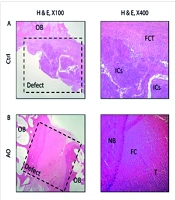
Pestehei SK, Ghiasi M, Bagheri N. Evaluation the Impressionability of Acellular Scaffolds in Presence of Different Combination of Umbilical Cord Blood Stem Cells and Platelet Rich Fibrin in Repair of Knee Defects in Rabbit (Novel Method with Xeno-Material Elements. Arch Neurosci. 2024;11(4):e147989. doi: https://doi.org/10.5812/ans-147989
Last Update: 2 weeks ago
Last Update: 2 weeks ago
Last Update: 2 weeks ago
Last Update: 8 hours ago
Last Update: 12 hours ago
Last Update: 5 days ago