
1. Background
The elderly population worldwide, including in Iran, is increasing, with a significant portion of Iran’s population now classified as elderly or experiencing old age. It is projected that the global population will more than double by 2050 (1-3). In Iran, this increase is expected to be more pronounced than in other countries, with predictions indicating that the elderly population will rise to approximately 21.7% by 2050 (1-3). This demographic shift presents challenges for families and society, particularly concerning the hospitalization of the elderly. Many elderly patients suffer from chronic diseases such as diabetes, kidney diseases, cardiovascular diseases, and other chronic conditions, necessitating specialized hospital services, often resulting in their admission to the intensive care unit (ICU) (4-6). The ICU is a critical area of the hospital, providing specialized and high-quality care. However, prolonged ICU stays can lead to various complications, including pressure sores, drug interactions, functional decline, urinary incontinence, infections (such as those affecting the blood, respiratory, and urinary systems), falls, and psychological disorders, including delusions and hallucinations (7-9).
Distress mental disorder is a mental condition affecting thoughts, feelings, and causing significant functional impairment. Without effective treatment, it can result in numerous adverse effects (10, 11). Psychosis, a side effect of hospitalization, is characterized by hallucinations or disorganized thoughts. Delusional disorders, a type of psychiatric disorder, primarily feature symptoms of schizophrenia (12-14). Initially, non-drug treatments should be employed to manage delirium (15). However, if these are ineffective, pharmacotherapy becomes a primary treatment option for psychotic disorders, although it may not achieve optimal results on its own (16, 17). Various medications are available to reduce and treat delirium, including olanzapine, chlorpromazine, haloperidol, lorazepam, risperidone, ziprasidone, and aripiprazole (15, 18, 19). Olanzapine is particularly effective in reducing delirium and is used in treating psychotic disorders, mood disorders, and acute restlessness in psychotic or bipolar patients. Its advantages include dopamine blockade, fewer extrapyramidal side effects, and efficacy in reducing delirium (19-21).
2. Objectives
Given the significance of psychological issues in patients hospitalized in the ICU, this study aimed to determine the effect of olanzapine administration on the delirium status of these patients.
3. Methods
This retrospective study, approved with the research ethics code of IR.MEDILAM.REC.1403.034, involved extracting information from the files of patients hospitalized in the internal ICU department of Ilam city. The study’s inclusion criteria, based on documentation, included hospitalization in the ICU, a Glasgow Coma Scale (GCS) score greater than 5, a minimum patient age of 22 years, administration of olanzapine during ICU hospitalization, a diagnosis of delirium as per medical records, and hospitalization in the internal diseases ICU department. Pregnant patients and those directly transferred from prison to the hospital were excluded from the study. Researchers collected the necessary information by visiting the hospital and reviewing medical records. Initially, a list of all patients prescribed olanzapine and other drugs for delirium treatment was obtained from the hospital’s information technology unit. After extracting general patient information, a list of patients meeting the study’s inclusion criteria was compiled. Subsequently, data from the patients’ files were extracted to compare the effect of olanzapine on delirium recovery and related complications.
The tool used was a researcher-developed checklist, prepared and refined using other published articles (22-25). This checklist included information such as age, gender, patient admission details (via emergency services, outpatient treatment, transfer by companions, or admission from other hospitals), patient discharge outcomes (death, referral to other hospitals, discharge, or home visits), and side effects from medication (sedation, falls, dystonic reactions, airway obstruction, weakness, extrapyramidal symptoms, decreased SPO2, hypotension [SBP < 90 mmHg], allergy, decreased GCS, decreased consciousness). It also covered indications for medication use (inability or refusal to take oral medications, agitation) and monitoring of vital signs (incomplete monitoring, no documented monitoring, patient refusal to comply). Ethical considerations, such as maintaining confidentiality of medical records and adhering to other ethical codes, were observed. Data analysis was conducted using SPSS version 16, employing descriptive and analytical statistical methods.
4. Results
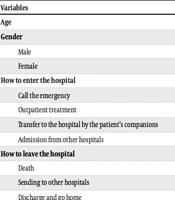
Table 1 presents the characteristics of patients receiving olanzapine compared to those not receiving the medication. The findings indicate that the majority of patients prescribed olanzapine were female (64.2%), admitted from other hospitals (37.3%), and hospitalized for general medical conditions (47.8%).
Table 1.
Demographic Characteristics of Patients a
| Variables | Receive Olanzapine (N = 67) | Received No Olanzapine (N = 71) | Total |
|---|---|---|---|
| Age | 70.95 ± 9.13 | 58.77 ± 12.67 | 64.68 ± 12.63 |
| Gender | |||
| Male | 24 (35.8) | 29 (40.8) | 53 (38.4) |
| Female | 43 (64.2) | 42 (59.2) | 85 (61.6) |
| How to enter the hospital | |||
| Call the emergency | 22 (32.8) | 18 (25.4) | 40 (29) |
| Outpatient treatment | 2 (3) | 1 (1.4) | 3 (2.2) |
| Transfer to the hospital by the patient’s companions | 18 (26.9) | 18 (25.4) | 36 (26.1) |
| Admission from other hospitals | 25 (37.3) | 34 (47.9) | 59 (42.8) |
| How to leave the hospital | |||
| Death | 44 (65.7) | 47 (66.2) | 91 (65.9) |
| Sending to other hospitals | 20 (29.9) | 13 (18.3) | 33 (23.9) |
| Discharge and go home | 3 (4.5) | 11 (15.5) | 14 (10.1) |
| Type of disease | |||
| General medicine | 32 (47.8) | 38 (53.5) | 70 (50.7) |
| Psychiatry/suicide attempt | 2 (3) | 9 (12.7) | 11 (8) |
| Neurological diseases | 21 (31.3) | 20 (28.2) | 41 (29.7) |
| Heart diseases | 9 (13.4) | 4 (5.6) | 13 (9.4) |
| Other | 3 (4.5) | 0 (0) | 3 (2.2) |
a Values are expressed as No. (%) or mean ± SD.
The findings in Table 2 showed that in the group for which olanzapine was prescribed, most of the patients with a rate of 85.1% had whole monitoring.
Table 2.
Investigation of the Status of Essential Signs and Essential Treatments Related to the Prescription of Olanzapine a
| Variables | Receive Olanzapine (N = 67) | Received No Olanzapine (N = 71) | Total |
|---|---|---|---|
| Tracking of essential signs (within 6 h) | |||
| Whole monitoring | 57 (85.1) | 62 (87.3) | 119 (86.2) |
| Incomplete tracking | 6 (9) | 4 (5.6) | 10 (7.2) |
| No monitoring documented | 2 (3) | 4 (5.6) | 6 (4.3) |
| Patient refuses to comply | 2 (3) | 1 (1.4) | 3 (2.2) |
| Indication(s) of remedy wide variety | |||
| Refusal/not able to take oral meds | 18 (26.9) | 28 (39.4) | 46 (33.3) |
| Agitation | 24 (35.8) | 22 (31) | 45 (32.6) |
| According to the doctor’s opinion | 23 (34.3) | 20 (28.2) | 44 (31.9) |
| Other | 2 (3) | 1 (1.4) | 3 (2.2) |
a Values are expressed as No. (%).
Result showed, the amount of side effects in the group receiving olanzapine was lower than other groups (Table 3).
Table 3.
Complications Caused by Olanzapine Administration a
| Complications | Receive Olanzapine (N = 67) | Received No Olanzapine (N = 71) | Total |
|---|---|---|---|
| Sedation | 4 (6) | 6 (8.5) | 10 (7.2) |
| Decreased consciousness | 3 (4.5) | 5 (7) | 8 (5.8) |
| Dystonic reaction | 2 (3) | 5 (7) | 7 (5.1) |
| Airway obstruction | 3 (4.5) | 6 (8.5) | 9 (6.5) |
| Weakness | 4 (6) | 5 (7) | 9 (6.5) |
| Extrapyramidal symptoms | 2 (3) | 3 (4.2) | 5 (3.6) |
| Decreased SPO2 | 2 (3) | 6 (8.5) | 8 (5.8) |
| Hypotension (SBP < 90 mmHg) | 2 (3) | 7 (9.9) | 9 (6.5) |
| Allergy | 1 (1.5) | 4 (5.6) | 5 (3.6) |
| Decreased GCS | 1 (1.5) | 3 (4.2) | 4 (2.9) |
Abbreviation: GCS, Glasgow Coma Scale.
a Values are expressed as No. (%).
5. Discussion
Various studies have examined the effect of olanzapine administration on patients with delirium, demonstrating the drug’s effectiveness. In the study by Skrobik et al., olanzapine and haloperidol were prescribed using a randomized controlled trial (RCT) method to reduce patients’ delirium, showing that both drugs effectively reduced delirium (26). Mesbahi et al. compared olanzapine and haloperidol, reporting similar efficacy for both drugs (27). The results of this study align with these findings, highlighting the positive effect of olanzapine on reducing delirium. Retrospective studies also support olanzapine’s effectiveness in treating delirium. In a retrospective study by Liu et al., comparing dexmedetomidine and olanzapine, it was found that the intubation rate and duration of sanatorium stay were higher in the dexmedetomidine group, while mortality rates and delirium recurrence did not differ between the two drugs (28). Lo et al.’s retrospective study prescribed olanzapine and midazolam for delirium, with both drugs reducing delirium; however, midazolam was associated with more respiratory side effects and sedation, suggesting olanzapine as a preferable option (22). In this study, olanzapine was associated with fewer side effects compared to other medications.
Among studies with differing results, Wang et al.’s retrospective study compared olanzapine and haloperidol, observing that both drugs reduced delirium without differences in respiratory problems or blood pressure drop. However, patient survival, somnolence, and bradycardia rates were higher in the olanzapine group (29). Wang et al. (29) examined trauma/surgical, cardiac, and cardiothoracic patients, whereas this study primarily involved patients with general medical and neurological conditions, possibly explaining the differences in complications. Conversely, a meta-analysis by Liu et al. analyzed 10 articles with 7,076 patients, 2,459 of whom received olanzapine. The findings indicated that olanzapine did not significantly affect the duration of delirium or its symptoms, which contrasts with this study’s results. However, the rate of hypotension was lower in the olanzapine group, consistent with this study's findings (30).
5.1. Conclusions
Due to olanzapine’s effectiveness in improving delirium and its relatively low side effects compared to other drugs, it is recommended for patients with delirium. Further studies in this field are also suggested.