
1. Background
Gastric cancer remains a major global health challenge, ranking as the fifth most common malignancy and the fourth leading cause of cancer-related mortality worldwide (1). Despite advances in surgical techniques and adjuvant therapies, the prognosis for patients with advanced or metastatic gastric adenocarcinoma remains poor (2), with a 5-year survival rate below 30% in many regions (3). Systemic chemotherapy, typically involving platinum-based regimens such as cisplatin or oxaliplatin combined with fluoropyrimidines, remains the cornerstone of treatment for unresectable or metastatic disease (4). However, clinical outcomes are heterogeneous: some patients respond well to therapy, whereas others experience primary resistance or severe toxicity (5). Therefore, identifying accessible, reliable biomarkers that predict chemotherapy response is crucial for optimizing treatment strategies and improving patient survival (4).
Recently, essential trace elements have gained recognition as important modulators of carcinogenesis and chemotherapy response. Zinc (Zn), copper (Cu), and magnesium (Mg) are essential cofactors for metalloenzymes involved in DNA replication, apoptosis, and antioxidant defense, thereby influencing both tumor biology and drug pharmacodynamics (6). Zinc acts as a cofactor for superoxide dismutase (SOD), an essential antioxidant enzyme, and is integral to the structure of p53, a tumor suppressor protein that regulates apoptosis in response to DNA damage, which is the primary mechanism of action of many chemotherapy drugs (7). Copper facilitates tumor angiogenesis and metastasis (8). Elevated serum copper levels have been associated with disease progression in various malignancies, suggesting that the copper-to-zinc ratio may serve as a prognostic indicator of disease severity (9). Magnesium is crucial for DNA repair pathways and has been shown to influence the cellular uptake and cytotoxicity of platinum-based agents (10). Therefore, altered homeostasis of these ions may directly affect the therapeutic efficacy of antineoplastic regimens (11).
Although the diagnostic value of serum trace elements in distinguishing patients with gastric cancer from healthy controls has been explored (12), their potential as predictive markers of chemotherapy response remains underinvestigated (13). Determining whether baseline serum Zn, Cu, and Mg levels correlate with tumor regression or stability could provide clinicians with cost-effective, minimally invasive tools for patient stratification and personalized treatment (14).
2. Objectives
This study aimed to investigate the association between serum zinc, copper, and magnesium concentrations and the clinical response to chemotherapy in patients with gastric cancer.
3. Methods
3.1. Study Design and Setting
This pilot descriptive-analytical study was conducted at the Department of Oncology, Imam Khomeini Hospital, Urmia University of Medical Sciences, Urmia, Iran, from August 2024 to September 2025. The study protocol was designed to evaluate the association between baseline serum trace-element levels and subsequent chemotherapy response in patients with gastric cancer.
3.2. Study Population
The study population comprised patients with histologically confirmed gastric cancer who were candidates for first-line chemotherapy. Written informed consent was obtained from all participants. The study was approved by the Institutional Ethics Committee of Urmia University of Medical Sciences (No. IR.UMSU.HIMAM.REC.1402.107) and conducted in accordance with the Declaration of Helsinki.
3.2.1. Inclusion Criteria
Patients were eligible if they were aged 18 - 65 years, had newly diagnosed malignancy, and had no history of oncological treatment.
3.2.2. Exclusion Criteria
Patients were excluded if they had received chemotherapy, radiotherapy, or surgery for the current malignancy; had a history of non-gastric malignancies, concurrent severe systemic illness, or chronic liver or kidney disease; or had used mineral supplements within 4 weeks before enrollment.
3.3. Sample Collection and Biochemical Analysis
Peripheral venous blood samples (5 mL) were collected from all participants before the first chemotherapy cycle. Sampling was performed by trained laboratory personnel after a minimum 12-hour overnight fast to minimize postprandial variation. Blood was drawn into vacuum tubes containing a gel separator and clot activator.
Samples were allowed to clot at room temperature for 20 minutes. Serum was then separated by centrifugation at 3000 rpm for 10 minutes, aliquoted into 1.5 mL microcentrifuge tubes, and stored at -80 °C until batch analysis to ensure stability.
Serum Zn, Cu, and Mg concentrations were quantified using commercially available colorimetric assay kits (Dialab, Austria). Analyses were performed using an automated clinical chemistry analyzer (Biotechnica Instruments, Model BT1500, Italy) according to the manufacturer's instructions.
3.4. Data Collection and Outcome Assessment
Demographic and clinical data, including age, gender, Body Mass Index (BMI), and tumor stage (TNM staging), were extracted from medical records and entered into a structured checklist.
3.4.1. Chemotherapy Regimen
Patients received standard first-line chemotherapy for gastric cancer, such as a fluoropyrimidine plus platinum-based regimen, according to institutional protocols. Dose modifications were documented.
3.4.2. Assessment of Chemotherapy Response
The primary clinical endpoint was early radiologic chemosensitivity, evaluated after two standard chemotherapy cycles using contrast-enhanced computed tomography (CT) scans according to the Response Evaluation Criteria in Solid Tumors (RECIST), version 1.1. Assessment at this early time point captures initial therapeutic sensitivity and primary resistance but does not measure durable survival outcomes. Patients were classified into three categories:
Complete response (CR): Disappearance of all target lesions.
Partial response (PR): At least a 30% decrease in the sum of the diameters of target lesions.
Non-response/stable or progressive disease: Insufficient shrinkage to qualify for PR or an increase in tumor burden.
For the binary analyses, the endpoint was CR versus non-CR. The non-CR group comprised 2 patients with PR and 10 with stable/progressive disease or no response.
3.5. Sample Size Determination
An initial formal power analysis using G*Power software (version 3.1), based on prior literature, indicated that 60 participants were required to achieve 80% statistical power at a 5% significance level. However, stringent exclusion criteria designed to eliminate confounding from prior surgical or neoadjuvant treatments limited recruitment to 27 eligible patients within the fixed recruitment window of August 2024 to September 2025. The investigation was therefore framed as a pilot descriptive-analytical study. A post hoc power analysis indicated that, despite the smaller sample, the study retained sufficient statistical power (> 0.70) to detect the significant differences observed in baseline serum zinc levels (P = 0.040).
3.6. Statistical Analysis
Data were analyzed using IBM SPSS Statistics, version 26.0 (IBM Corp., Armonk, NY, USA). Quantitative variables are presented as the mean ± standard deviation (SD), and qualitative variables as frequencies and percentages [n (%)]. Continuous demographic and baseline characteristics were compared between groups using the independent Student's t-test for normally distributed data and the Mann-Whitney U test for non-normally distributed data. The chi-square test was used to compare categorical frequency distributions, specifically cancer subtypes and treatment response status (CR vs. non-CR). Binary logistic regression was used to evaluate the association between serum trace-element levels and clinical response to chemotherapy. For all tests, a two-sided P-value below 0.05 was considered statistically significant.
4. Results
4.1. Demographic and Clinical Characteristics of Patients with Gastric Cancer
A total of 27 patients with gastric cancer were included in the analysis. The mean age was 61.89 ± 9.53 years, and the mean BMI was 24.52 ± 2.42 kg/m2. Most patients were male (n = 20, 74.1%), and 7 were female (25.9%) (Table 1).
Table 1.
Demographic and Clinical Characteristics of Patients with Gastric Cancer (N = 27) a
| Characteristic | Value |
|---|---|
| Age (y) | 61.89 ± 9.53 b |
| BMI (kg/m2) | 24.52 ± 2.42 b |
| Gender | |
| Male | 20 (74.1) |
| Female | 7 (25.9) |
| Tumor stage (T) | |
| T0 | 11 (40.7) |
| T1 | 9 (33.3) |
| T2 | 1 (3.7) |
| T3 | 5 (18.5) |
| T4 | 1 (3.7) |
| Disease recurrence | |
| No | 15 (55.6) |
| Yes | 12 (44.4) |
| Response to treatment | |
| CR | 15 (55.6) |
| Non-CR b | 12 (44.4) |
a Values are expressed as mean ± SD or No. (%). Abbreviations: BMI, body mass index; CR, complete response; SD, standard deviation.
b Based on the independent Student's t-test.
Stage T0 was the most frequent (n = 11, 40.7%), followed by T1 (n = 9, 33.3%), T3 (n = 5, 18.5%), and T2 and T4 (each n = 1, 3.7%). Disease recurrence was recorded in 44.4% of patients (n = 12). Regarding chemotherapy response, 55.6% (n = 15) achieved CR, whereas 44.4% (n = 12) had non-CR, comprising 2 patients with PR and 10 with no response (Table 1).
4.2. Serum Trace Element Levels
Baseline serum trace-element concentrations in the gastric cancer cohort were as follows: Mg, 2.11 ± 0.38 µg/dL; Zn, 88.25 ± 34.39 µg/dL; and Cu, 115.94 ± 24.87 µg/dL (Table 1).
When classified according to reference ranges, normal levels were the most frequent category for all three elements:
Magnesium: 48.1% normal, 14.8% low, and 37.0% high.
Zinc: 59.3% normal, 33.3% low, and 7.4% high.
Copper: 77.8% normal and 22.2% high; no patients had low copper levels.
4.3. Association Between Serum Trace Elements and Chemotherapy Response
Patients were stratified into CR and non-CR groups to evaluate the association between baseline trace-element levels and treatment efficacy (Table 2).
Table 2.
Comparison of Baseline Serum Trace-Element Levels Between Patients with CR and Non-CR in Gastric Cancer a
| Trace Element | CR (n = 15) | Non-CR (n = 12) | P-Value |
|---|---|---|---|
| Magnesium (mg/dL) | 2.12 ± 0.44 | 2.00 ± 0.26 | 0.168 |
| Zinc (µg/dL) | 100.26 ± 38.14 | 73.25 ± 22.41 | 0.040* |
| Copper (µg/dL) | 115.66 ± 20.62 | 116.30 ± 30.34 | 0.950 |
a Values are expressed as mean ± SD. Based on the independent Student's t-test. Abbreviation: CR, complete response.
Mean serum zinc levels differed significantly between the groups. Patients with CR had higher baseline zinc levels (100.26 ± 38.14 µg/dL) than those with non-CR (73.25 ± 22.41 µg/dL; P = 0.04).
Mean serum magnesium levels were higher in the CR group (2.12 ± 0.44 mg/dL) than in the non-CR group (2.003 ± 0.26 mg/dL), but the difference was not statistically significant (P = 0.168).
Serum copper levels did not differ significantly between the CR group (115.66 ± 20.62 µg/dL) and the non-CR group (116.30 ± 30.34 µg/dL; P = 0.95).
4.4. Predictors of Non-CR to Chemotherapy
Multivariate logistic regression was performed to identify independent predictors of non-CR to chemotherapy (Table 3). After adjustment for age and BMI, serum zinc levels showed a strong borderline trend toward an inverse association with non-CR (odds ratio [OR], 0.950; 95% confidence interval [CI], 0.901 - 1.001; P = 0.056). This suggests that higher baseline zinc levels may reduce the risk of treatment failure, although the association was only marginal within the current sample.
Table 3.
Multivariate Logistic Regression Predicting Non-CR to Chemotherapy in Patients with Gastric Cancer a
| Variables | Odds Ratio (OR) | 95% Confidence Interval (CI) | P-Value |
|---|---|---|---|
| Serum magnesium | 0.163 | 0.010 - 1.798 | 0.138 |
| Serum zinc | 0.950 | 0.901 - 1.001 | 0.056 |
| Serum copper | 1.001 | 0.969 - 1.034 | 0.937 |
a Abbreviation: CR, complete response.
Magnesium also showed an inverse trend (OR, 0.163; 95% CI, 0.01 - 1.798), but the association was not statistically significant (P = 0.138). Serum copper levels were not significantly associated with non-CR (OR, 1.001; 95% CI, 0.969 - 1.034; P = 0.937).
5. Discussion
Gastric adenocarcinoma remains a leading global malignancy with heterogeneous responses to chemotherapy, underscoring the need for reliable predictive biomarkers (15). Essential trace elements, particularly zinc, copper, and magnesium, have emerged as potential candidates because of their roles in DNA repair and the modulation of oxidative stress (16). This study investigated the predictive value of serum Zn, Mg, and Cu levels for response to first-line chemotherapy in patients with gastric cancer. The main finding was a statistically significant association between higher baseline serum zinc levels and CR. A similar positive trend was observed for magnesium but did not reach statistical significance, whereas copper showed no association with treatment outcomes in this cohort.
The demographic characteristics of the cohort, particularly the marked male predominance and mean age at presentation, are consistent with established regional and global epidemiological patterns of gastric adenocarcinoma (17). The male-to-female ratio of approximately 3:1 aligns with GLOBOCAN and Global Burden of Disease data, which report incidence rates two to three times higher in men than in women (18). This sex difference is frequently attributed to the protective effects of estrogen in women, which may suppress proinflammatory cytokines such as interleukin-6 (IL-6) and protect against gastric mucosal injury, as well as to the higher prevalence of behavioral risk factors, such as smoking and alcohol consumption, among men (19).
The mean age at presentation, near the beginning of the seventh decade, is consistent with global findings reported by Tang et al. (20), which identify peak gastric cancer incidence between ages 50 and 80. This age distribution reflects the long latency of the Correa cascade, in which chronic exposure to carcinogens, such as Helicobacter pylori, leads sequentially to atrophic gastritis, intestinal metaplasia, dysplasia, and carcinoma over several decades (21).
A distinguishing feature of this cohort was the predominance of early-stage disease, with 74% of patients presenting at stage T0 - T1. This favorable pathological profile may explain the high CR rate (55.6%) observed in the study. This distribution contrasts with global epidemiological data, particularly from Western populations, in which gastric cancer is frequently diagnosed at an advanced, unresectable stage (stage III or IV) because of nonspecific symptoms and the lack of screening programs (22). In pivotal phase III trials of advanced gastric cancer, such as ToGA and REAL-2, CR rates with first-line chemotherapy are typically 2% - 5%, and overall response rates rarely exceed 40% - 50% (23). The substantially higher response rate in this cohort likely reflects lower total tumor burden and the absence of complex, resistant metastatic clones often found in advanced disease.
Higher baseline zinc levels in patients with CR are of clinical interest and are consistent with zinc’s role in genomic stability (24). Zinc is an essential cofactor for the p53 tumor suppressor protein, which regulates cell-cycle arrest and apoptosis in response to chemotherapy-induced DNA damage (25). In zinc deficiency, p53 may misfold and lose its DNA-binding ability, potentially rendering tumor cells resistant to cytotoxic drugs (26). Chronic inflammation is a hallmark of cancer and may reduce serum and tissue zinc levels (26). Zinc suppresses inflammation, and its deficiency may contribute to chronic inflammation in head and neck cancers (27). Reduced zinc levels dysregulate the production and function of specific cytokines, thereby influencing inflammation (28).
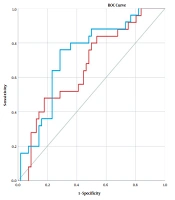
Binary logistic regression was performed to further evaluate the association between baseline trace-element status and chemotherapy outcomes. After adjustment for covariates, baseline serum zinc showed a strong borderline trend toward an inverse association with non-CR, corresponding to a 5% reduction in the odds of treatment failure per unit increase in zinc in this pilot cohort. The attenuation of statistical significance from univariate testing to a marginal multivariate trend likely reflects sample size constraints, despite clear numerical separation between groups. Mechanistically, as an essential cofactor for copper/zinc superoxide dismutase (Cu/Zn-SOD), zinc scavenges drug-induced superoxide radicals (29) and favors regulated p53-mediated apoptosis (30, 31). This observational finding indicates association rather than confirmed causality or independent predictive performance. Serum zinc is therefore an exploratory candidate marker requiring prospective validation of diagnostic sensitivity, specificity, and receiver operating characteristic (ROC) metrics in larger cohorts. The study endpoint reflects early radiologic chemosensitivity after two cycles rather than durable clinical endpoints such as progression-free survival (PFS) or overall survival (OS). Circulating zinc is dynamically influenced by serum albumin status, acute-phase inflammatory redistribution, such as that associated with C-reactive protein (CRP), subclinical infection, and dietary intake. Because these covariates were not adjusted for in the model, baseline zinc should be interpreted as a candidate biomarker whose predictive signal interacts with systemic inflammatory and nutritional states.
Magnesium is a cofactor for more than 300 enzymatic reactions and plays a critical role in genomic stability by regulating DNA repair and cell-cycle progression (32). Magnesium deficiency can therefore compromise DNA maintenance, potentially causing genomic instability and reducing sensitivity to genotoxic therapies (33). The association observed in this study, in which higher baseline magnesium levels correlated with improved treatment response, is consistent with this biological framework (34). This relationship is particularly relevant to gastric cancer management, which relies heavily on platinum-based regimens, such as cisplatin and oxaliplatin (35). Although the study was limited by statistical power, the positive trend supports the hypothesis that hypomagnesemia or lower-normal magnesium levels may impede intracellular drug accumulation and reduce therapeutic efficacy. Chemotherapy-induced hypomagnesemia is also a frequent complication that exacerbates systemic toxicity, including fatigue and immune dysregulation, and can impair tolerance of intensive regimens (36). This clinical relevance is supported by Wesselink et al., who found a significant inverse association between magnesium intake and mortality in patients with gastrointestinal malignancies (37).
Copper is an essential enzymatic cofactor for angiogenesis and plays a pivotal role in tumor vascularization and metastatic dissemination (38). Systemic hypercupremia is frequently documented in oncological cohorts and generally correlates with advanced disease, adverse prognosis, and increased vascular endothelial growth factor (VEGF) expression (39). Intracellular copper is integral to mitochondrial respiration, enzymatic pathways driving oncogenesis, and cuproptosis, a distinct copper-dependent form of regulated cell death (40). However, contrary to literature associating elevated systemic copper with chemoresistance and aggressive tumor biology (41), this study found no significant difference in baseline serum copper levels between patients with CR and non-CR. This discrepancy may reflect the predominance of early-stage disease in the cohort, in which systemic angiogenic pathways may not yet be the primary determinant of initial chemosensitivity. Alternatively, circulating copper concentrations may reflect overall tumor burden rather than directly determining intrinsic pharmacodynamic sensitivity to cytotoxic regimens in gastric cancer (42).
Given the modest sample size (N = 27) and borderline statistical significance in multivariate modeling (P = 0.056), claims supporting routine clinical measurement or zinc-based risk stratification remain premature. The primary value of this pilot investigation is its hypothesis-generating evidence. These exploratory findings provide a rationale and preliminary effect-size estimates to guide statistical power calculations, covariate selection, including acute-phase reactants and serum albumin, and clinical endpoint selection in future, adequately powered prospective biomarker validation studies.
5.1. Limitations
Several methodological limitations warrant consideration.
First, the modest sample size (N = 27) fell short of the initial target because of strict exclusion criteria within a constrained enrollment window. Although post hoc calculations indicated adequate statistical power (> 0.8) to detect primary univariate differences in baseline serum zinc, the small cohort limited statistical power for secondary endpoints, such as subtle trends in magnesium and copper, and for comprehensive multivariate regression modeling. The findings should therefore be interpreted as exploratory and hypothesis-generating rather than definitive.
Second, the study relied on a single pretreatment measurement of serum trace elements. Platinum-based chemotherapy can induce systemic changes, including renal magnesium wasting and acute-phase inflammatory redistribution of zinc. The absence of longitudinal serial sampling therefore precludes evaluation of how trace-element changes during treatment correlate with evolving chemoresistance or cumulative toxicity. Future studies should investigate whether longitudinal stability of trace-element levels has greater predictive value than baseline concentrations alone.
Third, baseline inflammatory biomarkers, such as CRP, serum albumin levels, and standardized nutritional indexes, were not systematically evaluated or adjusted for in the multivariable analysis. Circulating zinc is strongly influenced by acute-phase hepatic redistribution, carrier protein capacity through albumin binding, and dietary intake. Unmeasured variation in these physiological covariates may therefore confound the observed associations. Prospective validation cohorts should assess CRP, albumin, and nutritional metrics alongside trace-element profiles to isolate independent biomarker effects.
Finally, tumor response was evaluated only after two cycles of first-line chemotherapy. Although this short-term endpoint provides insight into early radiologic chemosensitivity, it cannot serve as a surrogate for durable clinical efficacy, PFS, or OS. Longitudinal studies with extended follow-up are needed to determine whether baseline trace-element concentrations predict long-term disease control and survival in gastric cancer.
5.2. Conclusions
This pilot study identifies an exploratory association between baseline serum zinc levels and early radiologic response to first-line chemotherapy in patients with gastric cancer. Circulating zinc concentrations are dynamically modulated by physiological factors, including acute-phase inflammation, serum albumin status, and baseline nutritional intake. These observational findings therefore establish association rather than definitive predictive utility. Claims regarding routine clinical implementation remain premature given the sample size and borderline multivariate trends. Nevertheless, the study provides hypothesis-generating evidence and a rationale for future, adequately powered, multicenter prospective trials. Such studies, incorporating serial assessment of inflammatory and nutritional covariates, are needed to determine whether serum zinc has independent predictive value for chemosensitivity.