Fulltext
The full text is available in PDF.
International Cardiovascular Research Journal
An annual journal in scientific affiliation with the Cardiovascular Research Center, Shiraz University of Medical Sciences
Image Credit:Int Cardiovasc Res J
Authors
Background: The relationship between diet and cardiovascular risk factors in men and women with Coronary Artery Disease (CAD) has been the subject of recent studies. We studied a group of Iranian CAD patients to analyze any relationship between diet and CAD risk factors based on gender.
Methods: In this study, 461 consecutive patients were assessed before their planned isolated coronary artery bypass graft surgery. They were interviewed to obtain the quantity and components of nutrients and micronutrients based on a validated food frequency questionnaire. Diet scores were calculated in each dietary group and the total score was reported as the Mediterranean Diet Quality Index (Med-DQI). Physical activity was assessed using International Physical Activity Questionnaire (IPAQ). Functional class, EuroSCORE and the frequency of the known risk factors in the men and women were recorded as well.
Results: The women were more likely than the men to present with obesity, diabetes mellitus, hypercholesterolemia, and hypertension (all Ps < 0.001). Also, the women had higher functional class and mean of EuroSCORE (P < 0.001 and P = 0.03). Only six women (5.7%) reported to have regular physical activity. In addition, Women’s energy intake was more likely to be supplied through fat. Cereals, fruit, and vegetable consumption in both genders was within the safe recommended range, while olive and fish consumption was low in both sexes. MedDQI score was different between men and women with hypertension (P = 0.018) and obesity (P = 0.048).
Conclusions: Modifiable classical risk factors for CAD, except for smoking, were more prevalent in women and were associated with their diet. Therefore, women probably need to maintain low calorie intake while improving physical activity and dietary patterns to decrease the frequency and severity of modifiable cardiac risk factors.
© 2017, Author(s). This open-access article is available under the Creative Commons Attribution 4.0 (CC BY 4.0) International License (https://creativecommons.org/licenses/by/4.0/), which allows for unrestricted use, distribution, and reproduction in any medium, provided that the original work is properly cited.
Ozturk U, Ozturk O, Toksoz P. Dietary Quality after Diagnosis of Coronary Heart Disease. Int Cardiovasc Res J. 2016;10(2):e10287. doi:
Ghasemi E, Mohammad Aliha J, Bastani F, Samiei N, Haghani H. General health status in women with coronary artery disease. koomesh. 2013;14(4):e152602. doi:
Ostovan MA, Darvish N, Askarian M. The Prevalence of Risk Factors of Coronary Artery Disease in the Patients who Underwent Coronary Artery Bypass Graft, Shiraz, Iran: Suggesting a Model. Int Cardiovasc Res J. 2017;8(4):e11674. doi:
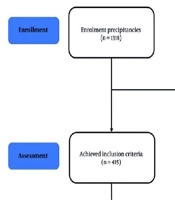
Karbasi S, Moezi Bady SA, Kazemi T, Khosravi Bizhaem S, Khorasanchi Z, et al. The Association Between the Dietary Approaches to Stop Hypertension (DASH) Diet and Coronary Artery Disease (CAD) Severity in Young Patients Undergoing Angiography: A Cross-sectional Study. Int Cardiovasc Res J. 2025;19(1):e160622. doi: https://doi.org/10.5812/icrj-160622
Karajibani M, Montazerifar F. Nutritional Risk Factors in the Cardiovascular Patients. Zahedan J Res Med Sci. 2013;15(3):e93078. doi:
Last Update: 1 week ago
Last Update: 1 week ago
Last Update: 1 week ago
Last Update: 6 hours ago
Last Update: 10 hours ago
Last Update: 5 days ago
