Fulltext
The full-text is available in pdf.
International Cardiovascular Research Journal
An annual journal in scientific affiliation with the Cardiovascular Research Center, Shiraz University of Medical Sciences
Image Credit:Int Cardiovasc Res J
Authors
 1, Vahid Razban1, Mahintaj Dara1, 2, Hossein Jafari Khamirani3, Maryam Ranjbar3, Marjan Nourigorji3, Farid Torabizadeh4, Mehdi Dianatpour2, 3,*
Background: Cardiovascular diseases, with an estimated 18.6 million deaths per year, are the leading cause of death worldwide. One of the major risk factors is elevated blood low-density lipoprotein cholesterol (LDL-C) secondary to multiple environmental and genetic factors. Genes involved in LDL-C metabolism are the targets of the most common treatment options. Advanced molecular techniques could pave the way for identifying novel targets in dyslipidemia therapies. The LIM domain and actin-binding 1 (LIMA1) gene binds to the NPC1L1 protein and facilitates its more efficient recycling to the plasma membrane. Inhibition of LIMA1 could disrupt cellular cholesterol hemostasis with a probable decrease in blood LDL-C levels.
Objectives: The present study was designed to knock out exon 2 of the LIMA1 gene using lentiviruses as an in vitro model for reducing cholesterol absorption.
Methods: A CRISPR/Cas9 system with dual guide RNAs (gRNAs) was designed to completely excise exon 2 of LIMA1. Two gRNAs (gRNA1 and gRNA2) were cloned in the LentiCRISPR v2 vector. LentiCRISPR viruses were produced in the HEK293T cell line to encode the CRISPR/Cas9 complex structure. HepG2 cell lines were transduced with two different LentiCRISPR viruses simultaneously.
Results: Exon 2 deletion was detected by PCR, gel electrophoresis, and subsequent Sanger sequencing of the PCR product. Exon 2 deletion caused a frameshift mutation, and the subsequent production of nonfunctional transcripts led to gene knockout. The dual gRNA CRISPR/Cas9 system could be used in gene editing setups.
Conclusions: The in vitro knockout model of LIMA1 could be considered as preliminary work to study the role and mechanism of action of the LIMA1 protein, along with its potential as a target for hypercholesterolemia therapy.
© 2022, Author(s). This open-access article is available under the Creative Commons Attribution 4.0 (CC BY 4.0) International License (https://creativecommons.org/licenses/by/4.0/), which allows for unrestricted use, distribution, and reproduction in any medium, provided that the original work is properly cited.
Faghihi F, Amani J, Gholami M, Salahshourifar I. CRISPR/Cas9-Engineered HEK293T Cellular Model Harboring the Pathogenic CDKL5 c.172A>T Variant Recapitulates Core Molecular Phenotypes of CDKL5 Deficiency Disorder. Iran J Pharm Res. 2026;25(1):e172311. doi: https://doi.org/10.5812/ijpr-172311
Rahmanian M, Arjangzadeh A, Khorshidi S, Rahmanian Z, Elmafshar R, et al. Current Trends in Lipid-Lowering Target Therapy. Int Cardiovasc Res J. 2026;20(1):e169719. doi: https://doi.org/10.69107/icrj-169719
Nikkhooy M, Foroughmand AM, Galehdari H, Yazdankhah S. The First Report of GAC>AAC Mutation in Familial Hypercholesterolemia in Khuzestan. Zahedan J Res Med Sci. 2018;20(8):e6642. doi: https://doi.org/10.5812/zjrms.6642
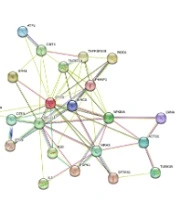
Hu S, Reyimu A. Vitamin D Improves the Lipotoxicity of Liver Cells by Adjusting Epigenetic Characteristics of Genes. Hepat Mon. 2023;23(1):e133758. doi: https://doi.org/10.5812/hepatmon-133758
Adianingsih OR, Tamara F, Putri AP, Nurkhairina A, Albaar TM, et al. Lectin-like Oxidized LDL Receptor-1 (LOX-1) Protein Vaccination Reduces Inflammation and Attenuates Atherosclerosis Progression in Atherogenic-Diet Wistar Rats. Int Cardiovasc Res J. 2016;10(4):e9803. doi:
More by these authors
Last Update: 3 weeks ago
Last Update: 3 weeks ago
Last Update: 3 weeks ago
Last Update: 4 hours ago
Last Update: 6 hours ago
Last Update: 4 days ago


