Fulltext
The full-text is available in pdf.
International Cardiovascular Research Journal
An annual journal in scientific affiliation with the Cardiovascular Research Center, Shiraz University of Medical Sciences
Image Credit:Int Cardiovasc Res J
Authors
 1, Arash Mazouri1, Yasaman Borghei1, Samaneh Karami1, Jalal Kheirkhah1, Fardin Mirbolouk1,*
Background: Vitamin D and parathyroid hormone (PTH) are related but impact cardiovascular functions differently.
Objectives: This study investigated the roles of PTH and vitamin D serum levels in the severity of coronary artery disease and left ventricular systolic function (LVSF).
Methods: This cross-sectional study was conducted on 271 participants who underwent elective coronary angiography at Dr. Heshmat Hospital, selected by convenience sampling over four months. 25-hydroxyvitamin D (25 (OH) D) and PTH levels were obtained from patients’ blood samples. Vitamin D levels were categorized into three categories. The SYNTAX score was used to evaluate the severity of coronary artery disease (CAD), classified across three categories. The chi-squared test, independent samples t-test, and multivariable logistic regression were used for statistical analysis. Data were analyzed by SPSS ver.21.
Results: Diabetes, hypertension, dyslipidemia, and lower vitamin D levels were independent variables affecting patients’ high-risk conditions. The highest SYNTAX score was in patients with vitamin D deficiency (P < 0.001). Patients with different ejection fractions did not have statistically significant differences in vitamin D (25.38 ± 14.23) and PTH levels (66.62 ± 17.39) (P = 0.4). The severity of CAD in patients with PTH > 40 was higher than in patients with PTH ≤ 40, but this was not statistically significant (P = 0.06).
Conclusion: Our results showed an inverse relation between CAD and vitamin D. However, the CAD risk did not change with PTH levels.
© 2023, Author(s). This open-access article is available under the Creative Commons Attribution 4.0 (CC BY 4.0) International License (https://creativecommons.org/licenses/by/4.0/), which allows for unrestricted use, distribution, and reproduction in any medium, provided that the original work is properly cited.
Izadyar S, Farzanehfar S, Ranji Amjad M, Abbasi M, Emami Ardekani A, et al. Association of Ischemic Heart Disease Assessed by Radionuclide Myocardial Perfusion Imaging with Bone Mineral Density Measurements by Dual-Energy X-Ray Absorptiometry and Serum Vitamin D Deficiency. I J Radiol. 2017;14(2):e38221. doi: https://doi.org/10.5812/iranjradiol.38221
Mahmoudi L, Asadi S, Moaref A, Moradi O, Izadpanah P. The Prevalence of Vitamin D Deficiency in Patients with Coronary Artery Disease and the Correlation of vitamin D level with High Sensitive C-reactive Protein, A Report from Southern Iran. Int Cardiovasc Res J. 2021;15(3):e119230. doi:
Hassanzadeh Makoui R, Soltannejad Dizaji M, Khederlou H. Comparison of Serum Levels of Vitamin D in Patients With and Without Acute Coronary Syndrome. Int J Cardiovasc Pract. 2018;3(2):e130281. doi: https://doi.org/10.21859/ijcp-03201
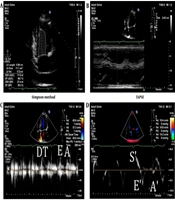
Shoja Safar M, Rezaei M, Allami A, Javadi H, Hajikarimi M, et al. Ventricular Systolic and Diastolic Function and Vitamin D Levels: An Echocardiographic Study of Normal Coronary Patients. J Inflamm Dis. 2023;27(3):e150910. doi: https://doi.org/10.69107/jid-150910
Safaie N, Rezaee H, Seif Dvati B, Entezari-Maleki T. Vitamin D Deficiency Predicts the ST Elevation Type of Myocardial Infarction in Patients with Acute Coronary Syndrome. Iran J Pharm Res. 2018;17(Suppl):e124723. doi: https://doi.org/10.22037/ijpr.2018.2214
Last Update: 3 weeks ago
Last Update: 3 weeks ago
Last Update: 3 weeks ago
Last Update: 2 hours ago
Last Update: 6 hours ago
Last Update: 4 days ago


