
1. Background
Over recent decades, type 2 diabetes mellitus (T2DM) has emerged as a major global health challenge, affecting more than 400 million individuals worldwide (1, 2). The World Health Organization estimates that the global population with diabetes, approximately 200 million in 2000, was projected to reach 380 million by 2025 (1, 2). In Iran, national forecasts indicate that the number of people with diabetes will exceed 6.4 million within the next decade (3).
Pathophysiologically, T2DM results from a complex interplay of metabolic defects, including reduced peripheral insulin sensitivity, progressive pancreatic β-cell dysfunction, and unregulated hepatic gluconeogenesis, culminating in sustained hyperglycemia (3). This chronic metabolic disturbance is strongly associated with microvascular and macrovascular complications, including retinopathy, nephropathy, neuropathy, and accelerated atherosclerosis (4, 5).
Glycated hemoglobin (HbA1c) remains the gold-standard marker of long-term glycemic control, with each 1% absolute reduction correlating with a 37% lower risk of microvascular events and a 21% reduction in diabetes-related mortality (4). The liver plays a central role in maintaining systemic glucose and energy homeostasis, and hepatic abnormalities are common in patients with diabetes. Elevated serum aminotransferase levels, including alanine aminotransferase (ALT) and aspartate aminotransferase (AST), are frequent biochemical findings in nonalcoholic fatty liver disease (NAFLD), which is more prevalent in patients with T2DM (6, 7). Routine liver function assessment is therefore recommended in diabetes care (6).
Despite available pharmacological options, including biguanides, sulfonylureas, and insulin, a substantial proportion of patients do not achieve optimal glycemic targets. Furthermore, tolerability issues, financial constraints, and disease progression often lead to discontinuation of conventional therapy, increasing interest in integrative approaches. Among complementary modalities, medicinal plants have gained considerable attention; more than 1200 botanical species have documented blood glucose-lowering activity (8, 9).
Eryngium billardieri, locally known as borage or eryngo, is a medicinal herb widely distributed across Iran and the Mediterranean basin. Traditional medicine has long used this plant for inflammatory disorders, oxidative stress-related conditions, and hyperglycemia (10). Phytochemical profiling has revealed a diverse array of bioactive constituents, including polyphenols, flavonoids, saponins, and coumarins, which are believed to mediate its pharmacological effects (8, 10, 11). Preclinical studies have provided encouraging evidence of its hypoglycemic and hepatoprotective potential (12). However, translation of these findings to human clinical settings remains limited, particularly regarding its effects on HbA1c and hepatic enzyme profiles.
2. Objectives
This randomized controlled trial was designed to evaluate the efficacy of a standardized hydroalcoholic extract of E. billardieri on glycemic parameters and aminotransferase levels in patients with T2DM. We hypothesized that active treatment would produce a clinically meaningful reduction (≥ 1%) in HbA1c and significantly decrease serum aminotransferase activities compared with placebo.
3. Methods
3.1. Study Design and Participants
Eighty-two individuals with T2DM were assessed for eligibility. Eight were excluded: 5 did not meet the inclusion criteria, and 3 declined participation. Consequently, 74 eligible participants were randomized to the intervention group (n = 37) or the control group (n = 37). All participants completed the 14-week protocol, with no attrition; the per-protocol analysis included the entire cohort.
Inclusion criteria were as follows:
- Age 45 - 75 years
- Confirmed T2DM diagnosis for ≥ 6 months
- Baseline HbA1c ≥ 7.5%
- Fasting plasma glucose ≥ 126 mg/dL
- Stable metformin regimen (500 mg twice daily) for ≥ 3 months
- Written informed consent
Exclusion criteria were as follows:
- History of hepatic disease (hepatitis, cirrhosis, or NAFLD)
- Prior major surgery or malignancy
- Pregnancy or lactation
- Use of insulin or non-metformin antidiabetic agents
- Alcohol consumption
- Participation in structured exercise programs
- Acute illness within the preceding month
3.2. Sample Size Calculation
The sample size was calculated based on the primary outcome, AST, using a two-sided significance level of α = 0.05 (Z1-α/2 = 1.96) and 80% power (Z1-β = 0.84). The standard deviation (SD = 14.46) was derived from a pilot study of 10 patients with T2DM at our center. A clinically meaningful between-group difference of 12 U/L in AST reduction was assumed based on previous studies by Khani et al. (2). The minimum sample size was calculated as follows:
Accounting for 20% attrition, 23 / (1 - 0.20) = 28.75, which was rounded to 29 participants per group. We ultimately enrolled 37 participants per group, exceeding the minimum requirement.
3.3. Randomization and Blinding
Eligible participants were randomized 1:1 using a computer-generated sequence (Random Allocation Software 2.0). Allocation was concealed using sequentially numbered, opaque, sealed envelopes prepared by an independent statistician. A research assistant blinded to group assignment enrolled participants and opened the envelopes. The hospital pharmacist dispensed the corresponding study bottles. All laboratory technicians and outcome assessors were blinded to group allocation. Data analysis was performed with group codes masked until the final analysis.
3.4. Preparation and Standardization of the Herbal Extract
The hydroalcoholic extract of E. billardieri was manufactured by Iran Darouk Pharmaceutical Company, Iran.
- Plant part: Aerial parts (stems, leaves, and flowers)
- Authentication: Voucher specimen authenticated by Dr. M. R. Joharchi, Ferdowsi University of Mashhad Herbarium (voucher FUMH-4587)
- Extraction solvent: 70% ethanol (v/v)
- Extraction procedure: Maceration at room temperature for 72 hours with intermittent shaking, followed by filtration, concentration under reduced pressure at 40°C, and lyophilization
- Plant-to-extract ratio: 8:1 (w/w)
- Dry extract content: 45 mg of dry extract per 1 mL of liquid formulation (approximately 25 drops)
- Polyphenol content: 1.5 mg of total polyphenols per mL (Folin-Ciocalteu method, epigallocatechin gallate equivalents)
- Daily dose: 2 mL (50 drops = 90 mg dry extract, containing 3.0 mg polyphenols)
A single production batch was used throughout the study, and the extract was stored at 4°C until administration.
3.5. Placebo Preparation and Maintenance of Blinding
The placebo consisted of distilled water with the following components:
- Caramel coloring (0.1% w/v) to match the amber-brown color
- Quinine hydrochloride (0.01% w/v) to mimic the bitter taste
- 70% ethanol to match viscosity and odor
Both the active extract and placebo were packaged in identical 30-mL amber glass dropper bottles with matching labels. The placebo was visually, olfactorily, and gustatorily indistinguishable from the active extract, as confirmed by a pilot test involving 10 healthy volunteers.
3.6. Intervention Protocol
Participants in the intervention group received 25 drops (approximately 1 mL) of E. billardieri extract in 125 mL of water, taken 30 minutes after lunch and dinner for 14 weeks. Participants in the control group received an identical placebo regimen.
All participants continued metformin 500 mg twice daily. Adherence was assessed through weekly telephone calls and counts of returned bottles at visits during weeks 4, 8, 12, and 14. Adherence ≥ 90% was achieved in both groups; no participant had adherence below 80%.
3.7. Safety and Adverse Event Monitoring
Participants were instructed to report any adverse events immediately via a 24-hour hotline. Structured adverse event questionnaires were administered at each visit (screening, baseline, and weeks 4, 8, 12, and 14). Adverse events were defined according to ICH-GCP guidelines. Criteria for treatment discontinuation included: 1) severe hypoglycemia (glucose < 50 mg/dL with symptoms), 2) ALT/AST > 3 times the upper limit of normal, 3) pregnancy, 4) withdrawal of consent, and 5) serious adverse events. Rescue therapy with additional oral agents was offered for fasting glucose > 300 mg/dL on 2 consecutive visits or symptomatic hyperglycemia; no participant required rescue therapy.
3.8. Outcome Measures
- Primary outcome: Change in HbA1c from baseline to week 14
- Secondary outcomes: Changes in ALT, AST, and alkaline phosphatase (ALP)
- Exploratory outcomes: Correlations between glycemic and hepatic changes
For multiplicity control of secondary outcomes, Bonferroni correction was applied (α = 0.05/3 = 0.0167).
3.9. Laboratory Measurements
Fasting blood samples (5 mL) were collected after 10 - 12 hours of fasting. Participants were instructed to skip their morning metformin dose but to take the evening dose as usual. Participants rested for 5 minutes before sample collection.
- HbA1c: A 2-mL whole-blood sample was collected in EDTA tubes and analyzed by ion-exchange high-performance liquid chromatography (DiaLab kit, BT3000 autoanalyzer, Italy).
- Liver enzymes (ALT, AST, and ALP): A 3-mL blood sample was collected in plain tubes and centrifuged at 2500 rpm for 15 minutes at room temperature. The supernatant was analyzed using enzymatic assays (BT3000 autoanalyzer, Italy).
3.10. Statistical Analysis
All analyses were performed using SPSS version 26. Normality was assessed using the Kolmogorov-Smirnov test. Nonparametric alternatives (Wilcoxon and Mann-Whitney tests) were used for nonnormally distributed data.
For the primary analysis, analysis of covariance (ANCOVA) was performed with postintervention values as the dependent variable, group as the fixed factor, and baseline values as covariates. Adjusted mean differences, 95% CIs, and Cohen d effect sizes were calculated. For the secondary analysis, a mixed-effects model was used with group, time (preintervention vs postintervention), and the group × time interaction. Within-group analyses used paired t tests or Wilcoxon signed-rank tests. Between-group baseline comparisons used independent t tests or Mann-Whitney U tests for continuous variables and chi-square tests for categorical variables. Pearson r or Spearman rho was used for correlation analyses.
A P value < 0.05 was considered statistically significant for the primary outcome; for secondary outcomes, the Bonferroni-adjusted significance threshold was P < 0.0167. Data are presented as mean ± SD unless otherwise specified.
3.11. Ethical Considerations
This study was conducted in accordance with the Declaration of Helsinki and was approved by the Ethics Committee of Zabol University of Medical Sciences (IR.ZBMU.REC.1405.056). Written informed consent was obtained from all participants.
4. Results
4.1. Participant Flow and Baseline Characteristics
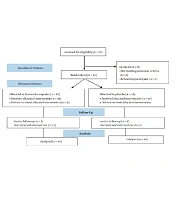
Of 82 individuals screened, 74 met the inclusion criteria and were randomized to the intervention group (n = 37) or the control group (n = 37). All participants completed the 14-week trial (0% attrition) and were included in the per-protocol analysis (Figure 1).
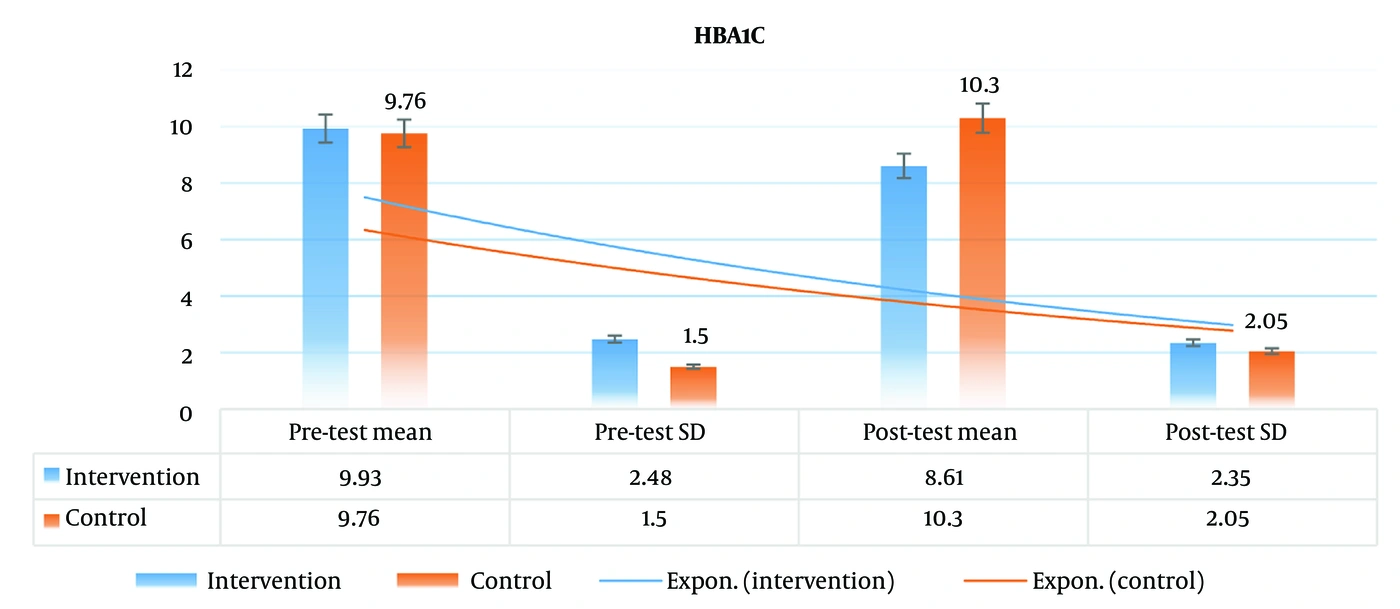
Figure 1.
Participant flow through the randomized double-blind placebo-controlled trial
Baseline demographic and clinical characteristics were comparable between groups (Tables 1 and 2). Most participants were female (68.3% in the intervention group and 61.0% in the control group). Most participants were married, had secondary education, and were homemakers or unemployed. The mean diabetes duration was 4.00 ± 0.67 years in the intervention group and 4.44 ± 0.73 years in the control group (P = 0.18). All participants reported being physically inactive.
Table 1.
Demographic Characteristics of Study Participants a
| Variables | Control Group (n = 37) | Intervention Group (n = 37) | P Value |
|---|---|---|---|
| Gender | 0.47 | ||
| Female | 22 (59.5) | 25 (67.6) | |
| Male | 15 (40.5) | 12 (32.4) | |
| Education | 0.62 | ||
| Below diploma | 13 (35.1) | 14 (37.8) | |
| Diploma | 19 (51.4) | 19 (51.4) | |
| Above diploma | 5 (13.5) | 4 (10.8) | |
| Occupation | 0.48 | ||
| Homemaker/Unemployed | 28 (75.7) | 23 (62.2) | |
| Retired | 9 (24.3) | 14 (37.8) | |
| Diabetes duration (y) | 0.20 | ||
| 3 | 5 (13.5) | 7 (18.9) | |
| 4 | 13 (35.1) | 23 (62.2) | |
| 5 | 19 (51.4) | 7 (18.9) |
a Values are expressed as No. (%).
Table 2.
Baseline Anthropometric and Clinical Characteristics a
| Variables | Control Group (n = 37) | Intervention Group (n = 37) | P Value |
|---|---|---|---|
| Age (y) | 52.11 ± 5.78 | 57.80 ± 9.99 | 0.12 |
| Height (cm) | 163.78 ± 11.05 | 163.50 ± 2.29 | 0.88 |
| Weight (kg) | 75.28 ± 11.07 | 82.04 ± 13.77 | 0.35 |
| Diabetes duration (y) | 4.44 ± 0.73 | 4.00 ± 0.67 | 0.18 |
| Baseline HbA1c (%) | 9.76 ± 1.50 | 9.93 ± 2.48 | 0.72 |
| Baseline ALT (U/L) | 21.56 ± 6.36 | 20.30 ± 5.31 | 0.36 |
| Baseline AST (U/L) | 21.90 ± 8.75 | 20.78 ± 4.91 | 0.50 |
| Baseline ALP (U/L) | 229.10 ± 45.21 | 230.00 ± 89.46 | 0.96 |
a Values are expressed as mean ± SD.
4.2. Effect of the Intervention on HbA1c
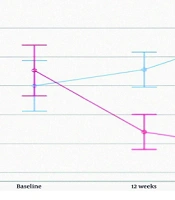
In the intervention group, HbA1c decreased from 9.93 ± 2.48% at baseline to 8.61 ± 2.35% after 14 weeks of treatment with E. billardieri extract (mean difference, -1.32%; 95% CI, -1.87 to -0.77; P = 0.000) (Figure 2). In contrast, HbA1c slightly increased in the control group, from 9.76 ± 1.50% at baseline to 10.30 ± 2.05% after the intervention (P = 0.066).
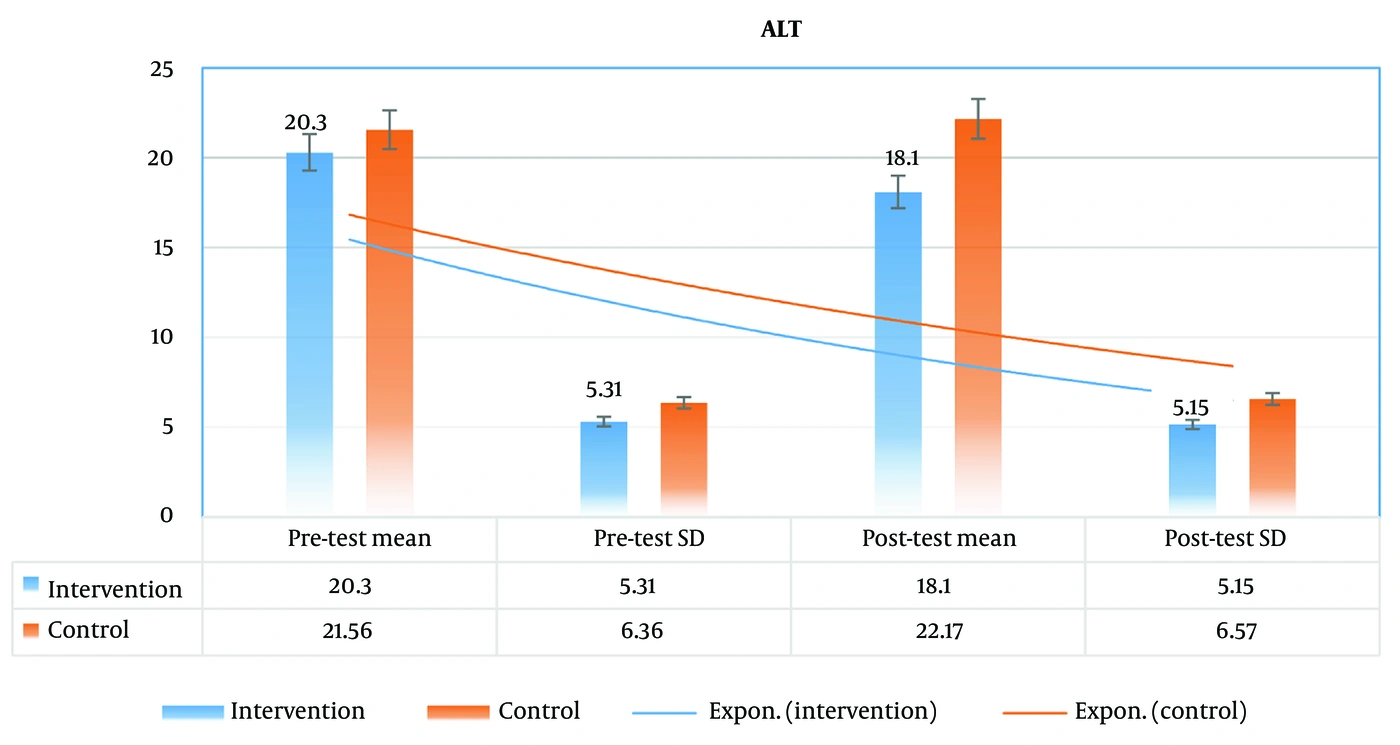
Figure 2.
Comparison of mean glycated hemoglobin (HbA1c) levels between the Eryngium billardieri extract and placebo groups at baseline and after 14 weeks of intervention. Data are presented as mean ± SD. P < 0.001 for the within-group change in the intervention group (paired t test) and the between-group difference at week 14 (ANCOVA adjusted for baseline). ns = not significant (P = 0.066) in the placebo group.
Furthermore, HbA1c levels differed significantly between the intervention and control groups after the intervention. Specifically, the intervention group had a lower HbA1c level than the control group (8.61 ± 2.35% vs 10.30 ± 2.05%; mean difference, -1.69%; 95% CI, -2.44 to -0.94; P = 0.000) (Figure 2).
4.3. Effect of the Intervention on Liver Enzymes
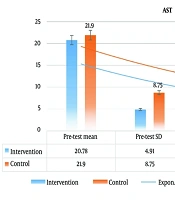
All 3 liver enzymes decreased significantly in the intervention group compared with the control group. In the intervention group, the mean change in ALT was -2.20 U/L (95% CI, -3.91 to -0.49; P = 0.041) (Figure 3), whereas in the control group, it was 0.61 U/L (P = 0.153). The mean change in AST was -2.77 U/L (95% CI, -4.79 to -0.75; P = 0.038) in the intervention group and 0.46 U/L (P = 0.784) in the control group (Figure 4). Finally, the mean change in ALP was -5.55 U/L (95% CI, -8.43 to -2.67; P = 0.002) in the intervention group and -1.11 U/L (P = 0.292) in the control group (Figure 5).
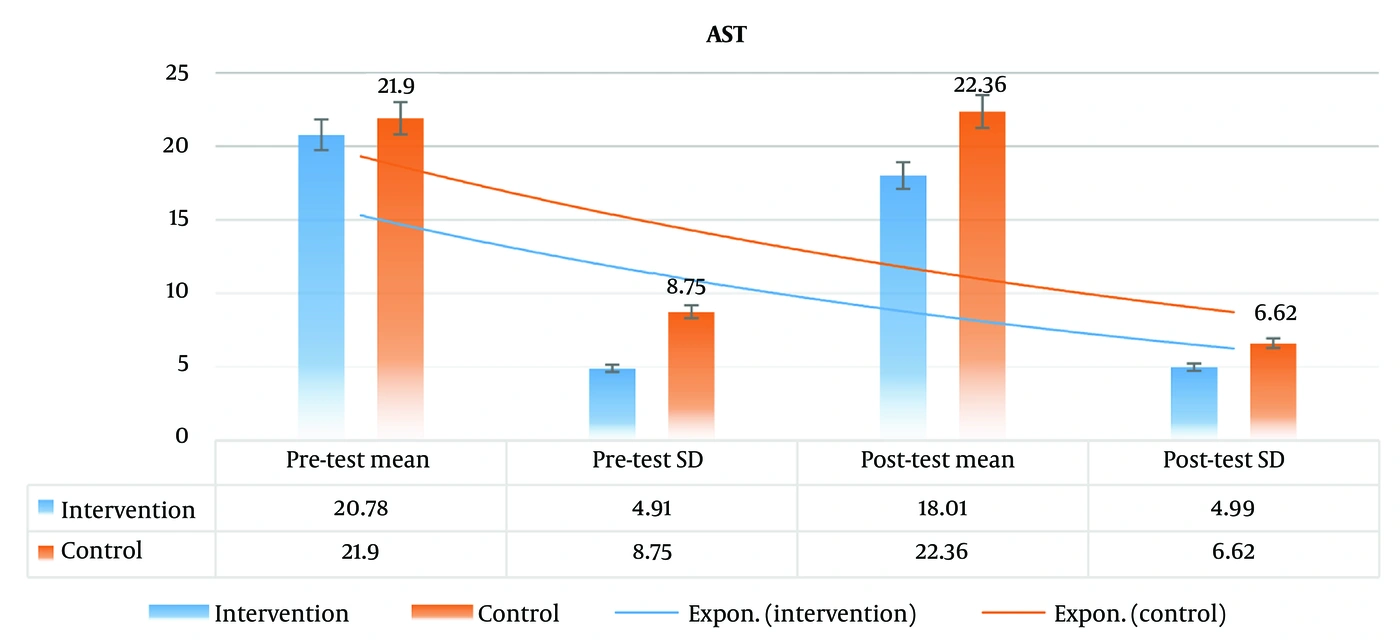
Figure 3.
Effect of standardized Eryngium billardieri hydroalcoholic extract on serum alanine aminotransferase (ALT) levels in patients with type 2 diabetes: A 14-week double-blind placebo-controlled trial. Values are mean ± SD. The intervention group showed a significant reduction in ALT from baseline (mean change, -2.20 U/L; P = 0.041), whereas no significant change was observed in the placebo group (P = 0.153). Between-group comparison at week 14: P = 0.041 (ANCOVA).
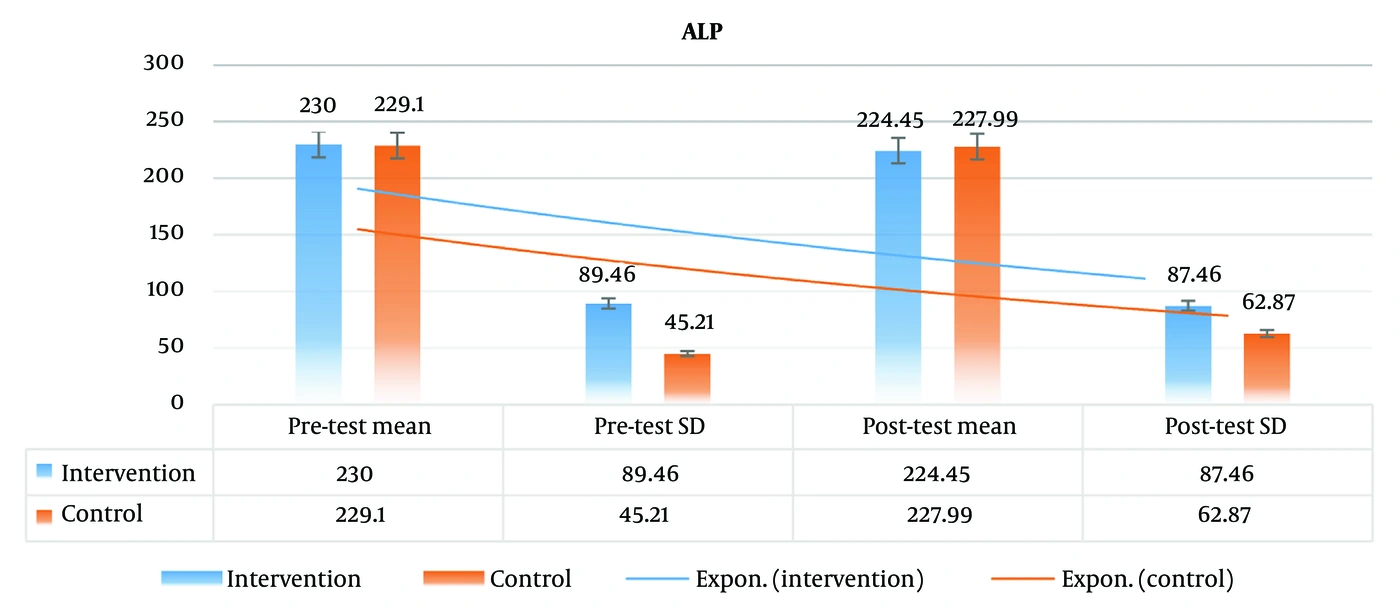
Figure 4.
Changes in serum aspartate aminotransferase (AST) activity following adjunctive therapy with Eryngium billardieri extract versus placebo in metformin-treated patients with type 2 diabetes. Data are presented as mean ± SD. The extract group experienced a significant decrease in AST (mean difference, -2.77 U/L; 95% CI, -4.79 to -0.75; P = 0.038), whereas the placebo group did not show a meaningful change (P = 0.784). Adjusted between-group difference at the endpoint: P = 0.038.
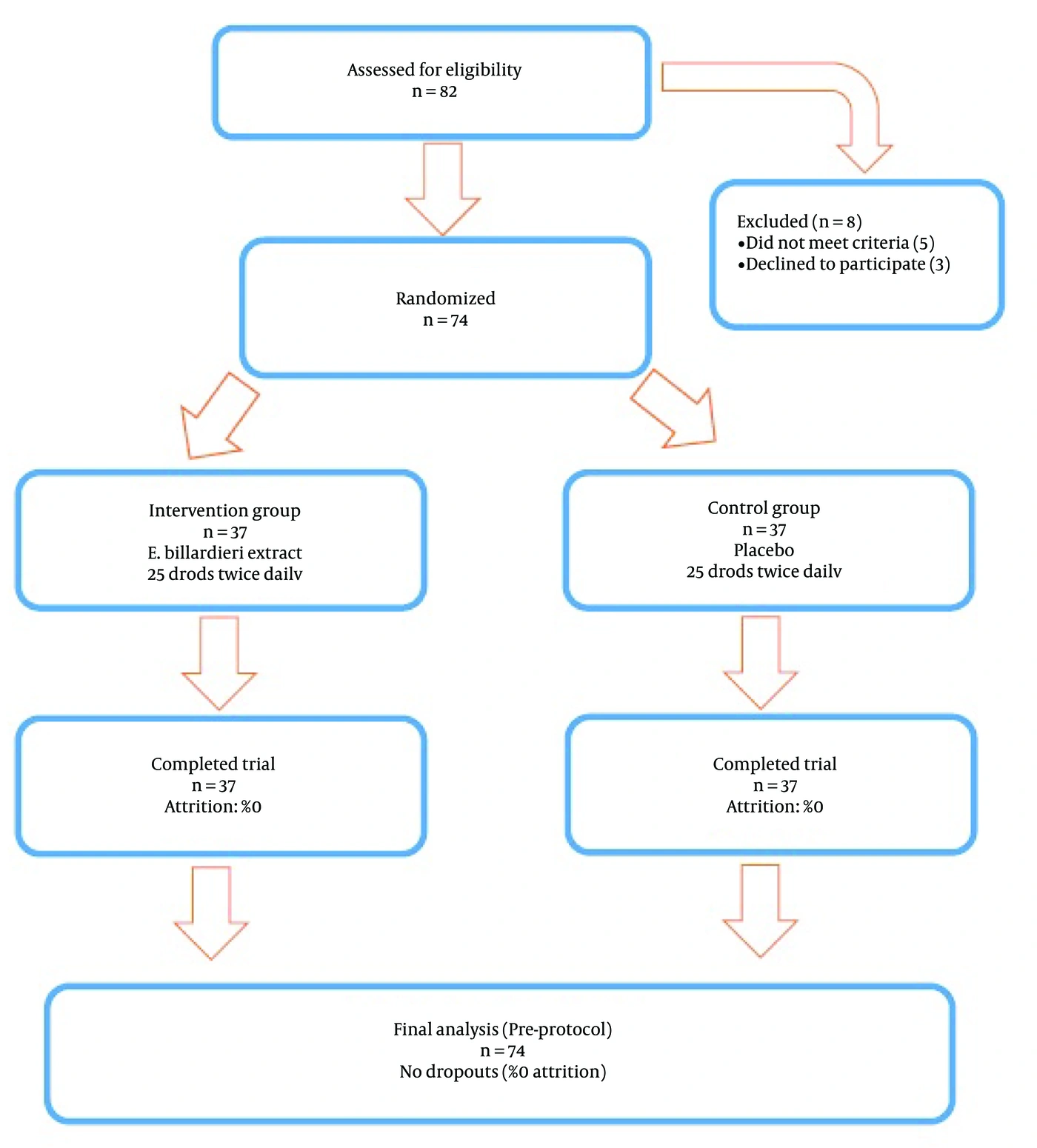
Figure 5.
Impact of 14-week administration of Eryngium billardieri extract on serum alkaline phosphatase (ALP) concentrations compared with placebo in patients with type 2 diabetes mellitus. Results are expressed as mean ± SD. The intervention group had a significant decline in ALP (mean change, -5.55 U/L; 95% CI, -8.43 to -2.67; P = 0.002), whereas the change in the placebo group was not significant (P = 0.292). The between-group difference at week 14 was statistically significant (P = 0.002, ANCOVA).
Baseline demographic and clinical characteristics were comparable between groups (Tables 1 and 2). The results of the independent-samples t test for between-group comparisons of postintervention HbA1c and liver enzymes are provided in Table 3. The comparison was not adjusted for covariates because no baseline differences were found between the groups. Table 4 presents the adjusted between-group differences using ANCOVA. Pearson correlation analysis in the intervention group showed a positive association between patient age and baseline ALT (r = 0.64, P = 0.046) and AST (r = 0.737, P = 0.015), whereas no other significant correlations were observed (Table 5).
Table 3.
Within-Group Changes in HbA1c and Liver Enzymes a
| Variables and Groups | Preintervention | Postintervention | Mean Difference (95% CI) | P Value b |
|---|---|---|---|---|
| HbA1c (%) | ||||
| Intervention | 9.93 ± 2.48 | 8.61 ± 2.35 | -1.32 (-1.87 to -0.77) | < 0.001 |
| Control | 9.76 ± 1.50 | 10.30 ± 2.05 | +0.54 (-0.03 to +1.11) | 0.066 |
| ALT (U/L) | ||||
| Intervention | 20.30 ± 5.31 | 18.10 ± 5.15 | -2.20 (-3.91 to -0.49) | 0.041 |
| Control | 21.56 ± 6.36 | 22.17 ± 6.57 | +0.61 (-0.24 to +1.46) | 0.153 |
| AST (U/L) | ||||
| Intervention | 20.78 ± 4.91 | 18.01 ± 4.99 | -2.77 (-4.79 to -0.75) | 0.038 |
| Control | 21.90 ± 8.75 | 22.36 ± 6.62 | +0.46 (-0.31 to +1.23) | 0.784 |
| ALP (U/L) | ||||
| Intervention | 230.00 ± 89.46 | 224.45 ± 87.46 | -5.55 (-8.43 to -2.67) | 0.002 |
| Control | 229.10 ± 45.21 | 227.99 ± 62.87 | -1.11 (-3.20 to +0.98) | 0.292 |
a Values are expressed as mean ± SD.
b P values are from paired t tests or Wilcoxon signed-rank tests. A P value ≤ 0.05 was considered statistically significant.
Table 4.
Between-Group Comparison of Postintervention Outcomes (ANCOVA With Baseline Adjustment) a
| Variables | Adjusted-Intervention | Adjusted-Control | Adjusted Difference | P Value b | Cohen d |
|---|---|---|---|---|---|
| HbA1c (%) | 8.61 (0.39) | 10.30 (0.39) | -1.69 (-2.44 to -0.94) | < 0.001 | 1.42 |
| ALT (U/L) | 18.10 (0.85) | 20.91 (0.85) | -2.81 (-4.67 to -0.95) | 0.041 | 0.89 |
| AST (U/L) | 18.01 (0.82) | 22.36 (0.82) | -4.35 (-6.58 to -2.12) | 0.038 | 0.93 |
| ALP (U/L) | 224.45 (14.38) | 227.99 (14.38) | -3.54 (-5.68 to -1.40) | 0.002 | - |
a Values are expressed as mean (SE) or (95% CI). Cohen d: 0.2 = small, 0.5 = moderate, and 0.8 = large effect.
b P values are from ANCOVA with the baseline value as a covariate. A P value ≤ 0.05 was considered statistically significant.
Table 5.
Correlation Analyses Between Variables in the Intervention Group (N = 37) a
| Variable 1 | Variable 2 | Pearson r | P Value* |
|---|---|---|---|
| Age | Baseline ALT | 0.288 | 0.084 |
| Age | Baseline AST | 0.310 | 0.062 |
| Diabetes duration | Baseline HbA1c | 0.044 | 0.797 |
| Weight | Baseline HbA1c | -0.141 | 0.407 |
| HbA1c | ALT | 0.112 | 0.511 |
| HbA1c | AST | 0.098 | 0.565 |
| HbA1c | ALP | 0.076 | 0.657 |
a No correlations were statistically significant (P > 0.05) after recalculation. All correlation coefficients are Pearson r.
The comparisons were not adjusted for covariates because no baseline differences were found between the groups. After the intervention, the intervention group had significantly lower levels of all liver enzymes than the control group.
4.4. Correlation Analyses
Pearson correlation analysis in the intervention group showed a positive association between patient age and baseline ALT (r = 0.64, P = 0.046) and AST (r = 0.737, P = 0.015). No associations were found between HbA1c and liver parameters or patient sex, education, occupation, diabetes duration, or weight (Table 5).
5. Discussion
This randomized, double-blind, placebo-controlled trial provides evidence that adjunctive administration of a standardized hydroalcoholic extract of E. billardieri for 14 weeks significantly improves glycemic control, as measured by HbA1c, and reduces serum aminotransferase levels in metformin-treated patients with T2DM. The mean 1.32% reduction in HbA1c observed in the intervention group is both statistically significant and clinically meaningful, as epidemiological data indicate that each 1% decrement in HbA1c reduces the risk of microvascular complications by 37% and diabetes-related mortality by 21% (4). This magnitude of effect is comparable to that of some oral antihyperglycemic agents, although direct comparative studies are needed.
5.1. Putative Mechanisms of Action
Although the present study was not designed to elucidate mechanisms, several biologically plausible explanations may account for the observed effects. E. billardieri is rich in polyphenolic compounds, particularly flavonoids and phenolic acids, with well-recognized antioxidant and anti-inflammatory properties (13). Phytochemical studies have identified quercetin and kaempferol as major flavonoid constituents, which have been shown to enhance pancreatic β-cell function, stimulate peripheral glucose uptake, and inhibit intestinal glucose absorption through modulation of sodium-dependent glucose transporters (14). The radical-scavenging capacity of these phenolic compounds may protect against oxidative stress-induced β-cell apoptosis, a critical factor in the progressive decline of insulin secretion in T2DM. Animal studies demonstrate that E. billardieri extract ameliorates pancreatic islet damage and restores β-cell mass in diabetic rodent models (15, 16). However, these mechanistic inferences are speculative and require confirmation through dedicated human studies involving measurements of insulin sensitivity, β-cell function, and circulating markers of oxidative stress and inflammation.
5.2. Comparison with Previous Studies
Our findings are consistent with and extend previous preclinical studies on the genus Eryngium. Shirazi and colleagues reported that both aqueous and alcoholic extracts of E. billardieri attenuated pro-inflammatory cytokine production and oxidative stress markers in the hepatic tissue of diabetic rats while preserving pancreatic β-cell integrity. Similarly, Nowrozi and Valipor (17) demonstrated that a hydroalcoholic extract significantly lowered fasting blood glucose and improved lipid profiles in streptozotocin-induced diabetic rats.
Importantly, our study bridges a critical gap by translating these preclinical observations to a human clinical context. The 1.32% reduction in HbA1c is comparable to that reported in trials of other plant-derived interventions. Moreover, the reductions in ALT, AST, and ALP levels align with the findings of Banankhojaste et al. (18), who demonstrated that Rosa canina extract mitigated hepatic oxidative injury in diabetic rats. However, direct comparisons should be interpreted cautiously because of differences in study design, intervention duration, and outcome measures.
Although previous human studies on E. billardieri have been reported by Hamami Chamgordani et al. (1), our study is among the first to use a standardized extract with quantified polyphenol content, employ a double-blind, placebo-controlled design, and evaluate simultaneous effects on both HbA1c and liver enzymes with complete follow-up over 14 weeks.
5.3. Clinical Relevance and Implications
The substantial improvement in HbA1c among patients with poorly controlled T2DM (baseline HbA1c ≈ 9.9%) suggests that E. billardieri extract may serve as a valuable adjunct to metformin in patients who fail to achieve target glycemia with monotherapy. Given that metformin remains the cornerstone of initial pharmacotherapy, the additive effect observed offers a potentially safe and well-tolerated strategy to enhance glycemic outcomes without introducing additional synthetic agents. However, we caution against overinterpretation of these findings as a recommendation for widespread clinical adoption without confirmatory evidence.
The concurrent reduction in serum liver enzymes is noteworthy, given the high prevalence of NAFLD among populations with diabetes. However, it must be emphasized that:
- Baseline enzyme values were largely within normal ranges.
- The magnitude of changes was relatively small (ALT, -2.2 U/L; AST, -2.77 U/L; ALP, -5.55 U/L).
- NAFLD was not assessed using imaging (ultrasound or transient elastography) or histology.
- Therefore, the term "hepatoprotective" should be used cautiously, and our findings should be considered preliminary and hypothesis-generating.
The traditional use of E. billardieri as a culinary and medicinal herb, coupled with the absence of adverse events in our trial, supports a favorable safety profile at the administered dose. However, larger, long-term studies are necessary to confirm safety.
5.4. Strengths and Limitations
Strengths of this study include the following:
- Randomized, double-blind, placebo-controlled design minimizing bias
- Standardized extract with quantified polyphenol content
- Complete follow-up (0% attrition)
- Stable metformin regimen allowing isolation of the extract effect
- Comprehensive safety monitoring
Limitations include the following:
- The relatively small sample size (37 participants per group) limits generalizability.
- The 14-week intervention period is insufficient to assess long-term sustainability or safety.
- The study population consisted of patients with poorly controlled T2DM (mean HbA1c ≈ 9.9%) receiving metformin monotherapy; findings may not generalize to better-controlled patients or those receiving combination therapy.
- Mechanistic biomarkers, including insulin sensitivity indices, inflammatory cytokines, and oxidative stress markers, were not measured.
- Dietary intake and physical activity were not objectively monitored.
- Adherence was assessed by counting returned containers, which may overestimate adherence.
- Liver enzyme changes were small in absolute terms and within normal ranges; NAFLD was not confirmed by imaging.
5.5. Future Directions
Large, multicenter randomized trials with extended follow-up are needed to evaluate the durability of effects and confirm safety in diverse populations. Mechanistic studies incorporating surrogate biomarkers of insulin resistance, β-cell function, inflammation, and oxidative stress would elucidate pathways underlying the extract's actions. Head-to-head comparisons with established antidiabetic agents or other herbal formulations would inform its relative therapeutic position. Cost-effectiveness analyses would be valuable for assessing economic advantages.
5.6. Conclusions
In summary, this randomized controlled trial provides preliminary evidence that a 14-week course of E. billardieri hydroalcoholic extract, added to stable metformin therapy, produces clinically significant reductions in HbA1c and serum aminotransferase levels in patients with T2DM. The intervention was well tolerated, with no reported adverse events. However, given the limitations of this study, particularly the small sample size, short follow-up, and modest magnitude of liver enzyme changes, these findings should be interpreted with caution. Confirmation through larger, long-term investigations is imperative before this herbal extract can be recommended as adjunctive therapy in routine clinical practice. Until such evidence emerges, clinicians should exercise prudence in advising patients, emphasizing that this preparation does not replace, but may complement, evidence-based pharmacological and lifestyle interventions.
5.7. Putative Mechanisms of Action
Although the present study was not designed to elucidate mechanistic pathways, several biologically plausible explanations may account for the observed glucose-lowering and hepatoprotective effects. E. billardieri is rich in polyphenolic compounds, particularly flavonoids and phenolic acids, which are well recognized for their antioxidant and anti-inflammatory properties (13). Phytochemical investigations have identified quercetin and kaempferol as major flavonoid constituents in this species; these molecules have been shown to enhance pancreatic β-cell function, stimulate peripheral glucose uptake, and inhibit intestinal glucose absorption through modulation of sodium-dependent glucose transporters (14). Furthermore, the radical-scavenging capacity of these phenolic compounds may protect against oxidative stress-induced β-cell apoptosis, a critical factor in the progressive decline of insulin secretion characteristic of T2DM. Histopathological evidence from animal studies corroborates this hypothesis, demonstrating that E. billardieri extract ameliorates pancreatic islet damage and restores β-cell mass in diabetic rodent models (15, 16). Nevertheless, these mechanistic inferences remain largely speculative and require confirmation through dedicated human studies involving measurements of insulin sensitivity, β-cell function, and circulating markers of oxidative stress and inflammation.
5.8. Comparison with Previous Investigations
Our findings are consistent with and extend the results of earlier preclinical studies on the genus Eryngium. Shirazi and colleagues reported that both aqueous and alcoholic extracts of E. billardieri attenuated pro-inflammatory cytokine production and oxidative stress markers in the hepatic tissue of diabetic rats while concurrently preserving pancreatic β-cell integrity. Similarly, Nowrozi and Valipor demonstrated that administration of the hydroalcoholic extract significantly lowered fasting blood glucose and improved the lipid profile in streptozotocin-induced diabetic rats. In another investigation, Muqtada'i and Khani observed a marked increase in the number and size of pancreatic islets following treatment with E. billardieri extract, providing morphological support for its hypoglycemic potential.
Importantly, the current study bridges a critical gap in the literature by translating these preclinical observations to a human clinical context. The 1.32% reduction in HbA1c observed here is comparable to that reported in trials of other plant-derived interventions. Moreover, the hepatoprotective effect suggested by the significant reductions in ALT, AST, and ALP levels in our intervention group aligns with the findings of Banankhojaste et al., who demonstrated that Rosa canina extract mitigated hepatic oxidative injury in diabetic rats. Collectively, these parallels lend credence to the notion that polyphenol-rich botanicals may exert pleiotropic benefits in metabolic disorders.
5.9. Clinical Relevance and Implications
The results of this trial carry several practical implications for diabetes management. First, the substantial improvement in HbA1c among patients with poorly controlled T2DM (baseline HbA1c approximately 9.9%) suggests that E. billardieri extract could serve as a valuable adjunct to metformin in individuals who fail to achieve target glycemia with monotherapy. Given that metformin remains the cornerstone of initial pharmacotherapy, the additive effect observed in this study offers a potentially safe and cost-effective strategy to enhance glycemic outcomes without introducing additional synthetic agents. Second, the concurrent reduction in serum liver enzymes is particularly noteworthy, given the high prevalence of NAFLD among populations with diabetes. Although our findings do not constitute definitive evidence of hepatoprotection, they raise the possibility that E. billardieri may exert favorable effects on hepatic health, warranting further investigation through liver imaging and histological assessment in future studies.
Third, the traditional use of E. billardieri as a culinary and medicinal herb, coupled with the absence of adverse events in our trial, supports its favorable safety profile at the administered dose. This is consistent with the generally recognized safety of many polyphenol-rich plant extracts when used in moderation. However, it is important to stress that these findings are preliminary and should not be interpreted as a recommendation for widespread clinical adoption without additional confirmatory evidence.
5.10. Strengths and Methodological Considerations
The principal strengths of this study include its randomized, double-blind, placebo-controlled design, which minimizes the risk of bias and confounding; the use of a standardized extract with verified polyphenol content, ensuring consistency across participants; and complete follow-up of all enrolled participants, with no attrition during the 14-week intervention period. Furthermore, the inclusion of patients receiving a stable metformin regimen allowed isolation of the extract's effect independent of changes in baseline therapy.
5.11. Limitations and Future Directions
Notwithstanding these strengths, several limitations must be acknowledged when interpreting our results. The relatively small sample size (37 participants per group) limits the generalizability of our findings and reduces statistical power to detect smaller effect sizes. The 14-week intervention period, while sufficient to detect changes in HbA1c, is inadequate to assess the long-term sustainability of the effect, tolerability, or safety beyond the study duration. Additionally, the study population comprised patients with poorly controlled diabetes (mean baseline HbA1c approximately 9.9%) managed exclusively with metformin; whether similar effects would be observed in patients with better glycemic control or those receiving combination therapy remains unknown. We did not measure biomarkers directly related to the proposed mechanisms of action, such as insulin sensitivity indices, inflammatory cytokines (eg, TNF-α and IL-6), or oxidative stress markers (eg, malondialdehyde and superoxide dismutase). Such measurements would have strengthened the mechanistic interpretation of our findings. Furthermore, dietary intake and physical activity were not objectively monitored; although participants were advised to maintain their usual lifestyle habits, we cannot exclude the possibility of unmeasured confounding from lifestyle modifications. Adherence to the study medication was assessed by counting returned containers, which may overestimate actual compliance compared with more objective methods, such as electronic monitoring or biomarker validation.
Future research should prioritize larger, multicenter randomized trials with extended follow-up periods to evaluate the durability of the observed effects and confirm safety in diverse patient populations. Mechanistic studies incorporating surrogate biomarkers of insulin resistance, β-cell function, inflammation, and oxidative stress would help elucidate the pathways underlying the extract's actions. Additionally, head-to-head comparisons with established antidiabetic agents or other herbal formulations would inform its relative position in the therapeutic armamentarium. Finally, cost-effectiveness analyses would be valuable for assessing whether this botanical adjunct offers economic advantages over existing treatment-intensification strategies.