Image Credit:J Cell Mol Anesth
Outline
The Role of Serum Interleukin-6 Levels in Prognosticating Postoperative Complications After Cytoreductive Surgery for Ovarian Cancers: A Prospective Observational Study
Authors
Abstract
Drug repurposing, known as drug repositioning, is considered a method for redeveloping a compound to utilize in a distinctive illness, which is now becoming a progressively critical procedure for industrial researchers and the scholarly community. A large number of repurposed medicines have been discovered by chance in the lab or through the careful monitoring of drug action in the clinic and retrospective analysis of clinical findings. Additionally, statins are broadly used to treat hyperlipidemia and prevent cardiovascular disease although their application as the neuroprotective agents weakening secondary neurological harm is yet limited in traumatic brain injury (TBI). Their other non-cholesterol-mediated (i.e., pleiotropic) mechanisms of action include upregulating endothelial nitric oxide synthase expression, and enhancing neurogenesis and synaptogenesis, as well as anti-apoptotic effects, increased angiogenesis, and various antioxidant and anti-inflammatory mechanisms. Almost all studies have supported the potential role of statins in neuroprotection, and a few have particularly focused on their effects in traumatic brain injury models. The sulfonylurea receptor 1 (SUR1) protein is a regulatory component linked with pore-forming ion channels. Thus, ATP-sensitive potassium (KATP) channels are created, which can be demonstrated in pancreatic islet cells and certain neurons. Further, transient receptor potential melastatin 4 (TRPM4) is the second pore-forming subunit of SUR1. Upregulating SUR1 and opening SUR1-TRPM4 opening have been observed in the different models related to central nervous system (CNS) injuries such as TBI. Sulfonylurea drugs may prevent neuronal degeneration and improve post-TBI cognitive results by inhibiting the SUR1-TRPM4 channel.
References
- 1.References are in the PDF file of the article.
Copyright
© 2023, Author(s). This open-access article is available under the Creative Commons Attribution 4.0 (CC BY 4.0) International License (https://creativecommons.org/licenses/by/4.0/), which allows for unrestricted use, distribution, and reproduction in any medium, provided that the original work is properly cited.
Similar Articles
Metabolic Modeling-Based Drug Repurposing in Statin: An Overview of Mechanistic Approaches in the Management of Craniocerebral Trauma
Rouini M, Sharifzadeh M, Mojtahedzadeh M, Jamshidfar S, berenjian K, et al. Metabolic Modeling-Based Drug Repurposing in Statin: An Overview of Mechanistic Approaches in the Management of Craniocerebral Trauma. J Cell Mol Anesth. 2023;8(3):e149151. doi:
Neuroprotective Strategies in the Perioperative Period: A Systematic Review
Safari S, Zali A, Pezeshgi P, Bastanhagh E, Jahangirifard A, et al. Neuroprotective Strategies in the Perioperative Period: A Systematic Review. J Cell Mol Anesth. 2021;6(1):e149666. doi: https://doi.org/10.22037/jcma.v6i1.33072
Ischemic Preconditioning in Cardiac Cells: from Bench to Bedside
Dabbagh A. Ischemic Preconditioning in Cardiac Cells: from Bench to Bedside. J Cell Mol Anesth. 2018;3(2):e149564. doi: https://doi.org/10.22037/jcma.v3i2.22588
Translational Research in Pharmaceutical Sciences
Salamzadeh J. Translational Research in Pharmaceutical Sciences. Iran J Pharm Res. 2018;17(Suppl):e124727. doi: https://doi.org/10.22037/ijpr.2018.2243
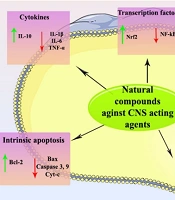
The Protective Properties of Natural Products Against Neurotoxicity Induced by Stimulant, Hallucinogenic, and Opioid CNS Agents
Narakie K, Ghanei M, Hasani Nourian Y. The Protective Properties of Natural Products Against Neurotoxicity Induced by Stimulant, Hallucinogenic, and Opioid CNS Agents. Jundishapur J Nat Pharm Prod. 2026;21(4):e173406. doi: https://doi.org/10.5812/jjnpp-173406
- Scopus by DOI: 0
Last Update: 3 weeks ago
- Scopus by Title: 0
Last Update: 3 weeks ago
- Scopus by Title (Ref): 0
Last Update: 3 weeks ago
- CrossRef: 0
Last Update: 5 hours ago
- OpenAlex: 0
Last Update: 9 hours ago
- OpenCitations: 0
Last Update: 4 days ago

