
1. Context
Vitamin C is synthesized by most animals and plants; however, humans lack the enzyme L-gulono gamma-lactone oxidase, which is required for its endogenous production. Consequently, humans must obtain this vitamin through dietary sources (1). Clinical data suggest that, despite high-dose oral supplementation, the concentration of vitamin C in the skin remains low. The only effective method to increase skin concentration is by topical application of L-ascorbic acid (L-AA), which has led to the widespread use of vitamin C in cosmeceutical products (1). The L-AA, also known as vitamin C, is a hydrophilic molecule with multiple functions in skin health. It acts as the most potent antioxidant in the skin, serves as a cofactor in collagen synthesis, enhances fibroblast proliferation, and inhibits tyrosinase. Vitamin C has the potential to mitigate the damage caused by oxidative stress, reduce the appearance of lines and wrinkles, and diminish hyperpigmentation (1, 2). Beyond its cutaneous functions, vitamin C also exhibits systemic antioxidant activity, with evidence supporting its protective effects against oxidative stress and its ability to modulate muscle-damage biomarkers such as creatine kinase and myoglobin, underscoring its broad biological significance beyond dermatologic application (3, 4). Vitamin C possesses several derivatives with distinct physical and chemical properties, which enable the enhancement of its functions in cosmetic products.
2. Evidence Acquisition
This article was developed as a structured review designed to synthesize current evidence on the physicochemical properties, biological activities, and cosmetic relevance of topical vitamin C derivatives. A targeted search was conducted in PubMed, Scopus, and Web of Science using controlled terms and keywords related to “vitamin C derivatives, dermal delivery, stability, and cosmetic formulation”. Additional sources were identified through manual screening of reference lists. Extracted information focused on stability profiles, solubility, enzymatic conversion, antioxidant effects, collagen stimulation, and anti-pigmentation activity. Although formal bias-assessment tools were not applied due to the heterogeneity of study designs, all included studies were qualitatively evaluated for methodological soundness and relevance.
3. Results
3.1. L-Ascorbic Acid
Vitamin C exists in various active forms, but L-AA is recognized as the most biologically active based on both in vitro data and clinical evaluations (5). In vivo studies on pig skin have shown that cutaneous L-AA concentration increases at pH ≤ 3.5 (6). The L-AA carries a negative charge and is unstable at natural pH (5). As a hydrophilic molecule, it was expected to have poor skin penetration; however, one study demonstrated good levels of cutaneous L-AA concentration when applied topically (7). A pivotal in vivo study by Pinnell et al. on pig skin demonstrated that the greatest increase in skin concentration of L-AA occurs at pH = 2.0 when a 15% solution is applied at pH levels between 2.0 to 5.0 (6). This study further showed that the highest cutaneous concentration was achieved with a 20% solution, but, for unknown reasons, the concentration decreased when levels exceeded 20%. Cutaneous concentrations of L-AA reached saturation after only three days of application, and the half-life of L-AA is approximately 4 days (6). Several strategies have been proposed, both clinically and in vitro, to enhance delivery of L-AA and its derivatives, including microdermabrasion, sonophoresis, and laser skin treatments (7). In vitro studies on human dermal fibroblasts confirm that L-AA enhances collagen synthesis, acts as an antioxidant, promotes fibroblast proliferation, and inhibits melanogenesis, which contributes to anti-aging effects (8). The L-AA is an essential cofactor for collagen synthesis through its effects on lysyl hydroxylase and prolyl hydroxylase, enzymes involved in the post-translational modification of collagen types I and III. This effect has been demonstrated in vitro by promoting fibroblast activity and collagen gene expression (7). The L-AA also enhances metalloproteinase-I inhibitor synthesis and reduces degeneration of collagen caused by ultraviolet exposure (7). However, the potent antioxidant effect of L-AA makes it unstable. Stability can be improved by omitting oxygen during formulation, using a low pH and opaque packaging, minimizing or avoiding water in the formulation, employing encapsulation methods, and adding electrolytes or other antioxidants (6). A clinical trial demonstrated that topical application of 10% L-AA combined with zinc sulfate and tyrosine significantly reduced CO₂ laser-induced erythema (9).
3.1.1. Cosmetic Approach
The principal form of vitamin C, L-AA, offers the greatest biological effects and is suitable for formulations intended to deliver rapid action to the skin. The L-AA’s sensitivity to light and air can be managed by microencapsulation or by combining it with other antioxidants and stabilizers. Waterless formulations are preferable to protect L-AA from oxidation. At pH = 3.5 and a concentration of 20%, the greatest effects and penetration may be achieved (5). The L-AA is used in serums, lotions, and creams for skin lightening and anti-aging purposes.
3.2. Magnesium Ascorbyl Phosphate
Magnesium ascorbyl phosphate (MAP) is an esterified derivative of vitamin C with improved stability, as supported by both clinical and review-based studies (5, 10). In vitro and in vivo studies have demonstrated that MAP is converted into L-AA by phosphatase enzymes present in the skin (11). As an ascorbyl phosphate salt, MAP exhibits greater stability than L-AA due to the addition of a phosphate group to the L-AA ring, which protects against oxidation (6, 12). It maintains good stability and is stable at pH = 7 (5). Due to its charged structure, MAP shows lower transdermal absorption in vivo compared to L-AA (6). Despite some in vitro and in vivo data, the skin penetration profile of MAP remains inconsistent and warrants further investigation. In vivo evidence suggests that MAP is absorbed into the skin and converted intracellularly into L-AA (6). Both in vitro and in vivo studies support the use of MAP in reducing melanogenesis, supporting its application in skin-lightening products (13). The MAP demonstrates greater antioxidant activity in vitro compared to in vivo; although it is not easily absorbed through the skin, high levels of activity are observed inside the cell (7, 14). In vitro studies on human dermal fibroblasts indicate that MAP can enhance collagen synthesis with efficacy comparable to L-AA (14). In vitro experiments on UVB-irradiated mouse keratinocytes found that MAP more effectively reduced cell death than L-AA (15).
3.2.1. Cosmetic Approach
The MAP is considered the stable form of vitamin C. While L-AA may cause irritation in sensitive skin due to its acidic pH, MAP is recognized as a less irritating alternative (2). The primary concern with MAP is its rate of conversion to the active form in the skin and its duration of action.
3.3. Sodium Ascorbyl Phosphate
Sodium ascorbyl phosphate (SAP), also known as SAP, is another phosphate salt of L-AA and shares similar properties with MAP (5-7). The SAP demonstrates superior oxidative stability at neutral pH (around 7.0), as validated by formulation-based in vitro studies (7). Like MAP, SAP is a hydrophilic molecule. Due to the presence of a phosphate group at the carbon-2 position of the ascorbic acid ring, both SAP and MAP exhibit limited direct antioxidant activity in vitro until they are enzymatically converted to L-AA. Ex vivo and in vitro data confirm that SAP can be enzymatically converted to L-AA upon skin absorption (2, 7). In vitro studies using human dermal fibroblasts have shown that SAP stimulates collagen synthesis, although MAP appears to be more potent in this regard (14, 16). The SAP exhibits antioxidant activity following enzymatic conversion to L-AA, as demonstrated in in vitro UVB-irradiation models. However, L-AA displays superior antioxidant efficacy. In vitro studies using cultured mouse skin suggest that SAP is less effective than L-AA in reducing UVB-induced oxidative stress (16).
3.3.1. Cosmetic Approach
Due to its stability and compatibility with neutral pH, SAP is suitable for formulations intended for sensitive skin. However, its delayed conversion to active L-AA may result in reduced immediate clinical effects.
3.4. Disodium Isostearyl 2-O-L-Ascorbyl Phosphate
Disodium isostearyl 2-O-L-ascorbyl phosphate (DI-LAAP) is another vitamin C derivative produced through esterification (17). Ex vivo experiments using reconstructed human skin models indicate that DI-LAAP is structurally similar to MAP and SAP but offers superior oxidative stability (17). Its lipophilic profile allows for improved transdermal penetration compared to L-AA, as demonstrated in ex vivo skin permeation studies (17). An in vitro study using human fibroblasts revealed that DI-LAAP more effectively inhibits matrix metalloproteinase-1 (MMP-1), enhances fibroblast proliferation, and stimulates collagen synthesis compared to L-AA and SAP (11). The DI-LAAP has demonstrated skin-lightening properties in in vitro and ex vivo experiments. Studies of normal human melanocytes and cultured human melanoma cells have shown that DI-LAAP reduces melanin synthesis effectively (17). Application of DI-LAAP to human skin cells resulted in a reduction in melanin synthesis to just 21% of the level observed in the control group. Notably, these experiments did not observe inhibition of melanin synthesis or tyrosine kinase activity by ascorbic acid or SAP in the cells (5, 17).
3.4.1. Cosmetic Approach
Due to its amphiphilic nature, DI-LAAP can be incorporated into both aqueous and lipid-based formulations. Its thermal stability makes it suitable for high-temperature processing and for use in post-cleansing products such as sprays and lotions.
3.5. Ascorbyl Tetraisopalmitate (Tetrahexyldecyl Ascorbate)
Ascorbyl tetraisopalmitate, also known as tetrahexyldecyl ascorbate (THDA), is a vitamin C derivative that remains stable at pH values greater than 5. This compound is esterified and features long fatty acid branches (5, 7). Owing to its high lipophilicity, THDA exhibits enhanced transdermal permeability, as shown in ex vivo and in vitro skin absorption studies (7, 18, 19). In vitro studies suggest that THDA may exert effects on collagen synthesis and antioxidant activity comparable to those of L-AA, indicating that ascorbyl tetraisopalmitate is likely transformed into L-AA after penetrating the outer layers of human skin (7). Ex vivo studies have demonstrated that THDA achieves transdermal absorption rates up to four times higher than those of MAP, supporting the theory of its effective skin penetration (7, 18, 19). Although THDA promotes collagen synthesis in vitro, its efficacy appears to be lower than that of L-AA (20). An in vitro study demonstrated that ascorbyl tetraisopalmitate can protect the skin against UVA radiation. In vitro experiments revealed that THDA pre-treatment inhibits UVA-induced upregulation of p53 and MMP-1 while preserving mitochondrial membrane potential (19). Another in vitro study found that ascorbyl tetraisopalmitate decreased intracellular peroxidation following UVB exposure and improved cellular resistance to UVB radiation and oxidative stress. It also reduced levels of certain prostaglandins and interleukins and inhibited the growth of melanocytes in cultured cells exposed to UVB radiation. In a clinical investigation, researchers applied a cream containing 3% THDA topically to human skin for three weeks, finding that ascorbyl tetraisopalmitate effectively inhibited the development of UVB-induced hyperpigmentation due to its antioxidative properties (18). In vitro results revealed that THDA increases intracellular ascorbic acid levels and inhibits MMP-1 more effectively than L-AA (19). Several studies have examined ascorbyl tetraisopalmitate’s effects on skin moisturization and flexibility (2). Clinical formulations combining THDA with hyaluronic acid have demonstrated reductions in hyperpigmentation, improvements in skin hydration, and enhanced elasticity (2). The L-AA has demonstrated superior anti-aging benefits compared to THDA; however, it is limited by its sensitivity to light and instability, which lead to reduced efficacy over time (20). In a 12-week randomized clinical trial, a night serum containing THDA, melatonin, and bakuchiol reduced wrinkles by 11%, skin redness by 70%, and improved firmness by 8% (21). Findings indicated that regular use of formulations containing ascorbyl tetraisopalmitate increased dermal echogenicity, enhanced skin hydration, promoted epidermal cell renewal, and decreased hyperpigmentation (22). A double-blind clinical trial also demonstrated that THDA combined with rice peptides improved dermal echogenicity, hydration, epidermal renewal, and pigmentation (2). Topical co-application of 10% L-AA with 7% THDA significantly reduced photoaging symptoms compared to placebo in a clinical setting (5, 23). Another clinical trial reported improved pigmentation, firmness, and wrinkle reduction using a combination of THDA, vitamin E, ubiquinone, and retinol; however, due to potential conflicts of interest, these findings should be interpreted with caution (24). Because THDA has been studied in combination with retinol, and due to the presence of potential conflicts of interest, these research findings should be regarded with caution.
3.5.1. Cosmetic Approach
Due to its lipophilicity, THDA is ideal for oil-based formulations and sunscreens. Its demonstrated antioxidant, photoprotective, and moisturizing effects make it suitable for anti-aging and UV-protection serums.
3.6. Ascorbyl 2-Glucoside
Ascorbyl 2-glucoside is a chemically stabilized vitamin C derivative featuring a glucose moiety at the carbon-2 position of the L-AA ring, which contributes to its resistance to oxidation (2). Despite its stability, the relatively low lipophilicity of ascorbyl 2-glucoside raises concerns regarding its dermal penetration, as noted in animal and pharmacokinetic studies (7, 23, 24). In vitro studies have demonstrated that ascorbyl 2-glucoside exerts antioxidant effects, which can be potentiated when co-formulated with agents such as vitamin E (25). However, the same in vitro experiments reported that its standalone antioxidant capacity was lower than that of L-AA or vitamin E (25). In vitro studies on human dermal fibroblasts indicate that ascorbyl 2-glucoside stimulates collagen synthesis with efficacy comparable to L-AA, though with a slower onset (8). Moreover, its collagen-promoting effect was less pronounced than that observed with SAP or MAP in the same in vitro models (8). Clinical evidence suggests that ascorbyl 2-glucoside may be more effective than SAP or MAP in suppressing melanogenesis and improving melasma symptoms (26). A double-blind clinical study found that a formulation containing ascorbyl 2-glucoside and an NFkB inhibitor significantly reduced wrinkle depth after 8 weeks of use; however, due to the confounding effect of the NFkB inhibitor, the isolated contribution of ascorbyl 2-glucoside remains inconclusive (27). Ascorbyl 2-glucoside also demonstrates photoprotective properties against UVB damage. In vitro studies revealed that ascorbyl 2-glucoside reduced UVB-induced inflammation and cytotoxicity more effectively than L-AA, likely due to its superior reactive oxygen species (ROS)-scavenging potential. These studies confirm that ascorbyl 2-glucoside exhibits stronger anti-inflammatory and antioxidant activity than SAP and MAP under oxidative stress conditions (25, 28).
3.6.1. Cosmetic Approach
Ascorbyl 2-glucoside can be added during the water phase of formulation due to its hydrophilicity. It is particularly effective in treating hyperpigmentation, especially at higher doses. It can be incorporated into products designed for skin brightening, such as eye creams and sheet masks. Ascorbyl 2-glucoside is also suitable for sunscreen formulations due to its UV-protective and antioxidant properties. Its anti-inflammatory, healing, and photoprotective effects make it a promising addition to sunburn creams and post-procedure lotions (25, 28).
3.7. Trisodium Ascorbyl 2-Phosphate 6-Palmitate
Trisodium ascorbyl 2-phosphate 6-palmitate (APPS) is a dual-modified vitamin C derivative featuring a phosphate group at carbon-2 and a palmitate chain at carbon-6, which imparts enhanced stability and lipophilicity (2, 7). The phosphate moiety confers oxidative stability, while the lipophilic palmitate side chain improves transdermal delivery (12). According to ex vivo and in vitro models, APPS penetrates the skin efficiently and is subsequently hydrolyzed to L-AA (7). In vitro studies using oxidative stress models suggest that APPS exhibits greater ROS scavenging potency than L-AA, likely due to improved cellular uptake (29). Additional in vitro research indicates that APPS mitigates ROS-induced skin cell damage and supports the restoration of physiological skin functions (30). One study demonstrated that APPS reduces ROS
levels more effectively than L-AA (29). A randomized clinical study found that topical APPS significantly reduced perifollicular pigmentation, resulting in visibly lighter facial pores (31).
3.7.1. Cosmetic Approach
Given its amphiphilic nature, APPS is compatible with both aqueous and lipid-based formulations and is particularly well-suited for rejuvenation products targeting oxidative stress and uneven skin tone (7, 30). It can be used in products claiming rejuvenation benefits due to its antioxidant effects, favorable absorption, and its ability to enhance collagen synthesis, similar to other vitamin C derivatives.
3.8. Ascorbyl 6-Palmitate
Ascorbyl 6-palmitate (6-O-palmitoyl ascorbic acid) is a lipophilic esterified derivative of vitamin C, structurally modified at the carbon-6 hydroxyl group (5). The palmitoylation at the sixth carbon increases its lipophilicity while maintaining its redox capacity (7). Despite its lipophilic nature, ascorbyl 6-palmitate is relatively less stable against oxidation than other derivatives due to limited protection of its enediol structure (2); however, it can be made more stable when incorporated into an appropriate formulation. Although the lipophilic moiety is intended to enhance skin permeation, studies — including in vivo and in vitro models — report no significant increase in cutaneous L-AA concentrations following topical application of ascorbyl 6-palmitate (6, 7). In vitro studies on human dermal fibroblasts indicated that ascorbyl 6-palmitate may exhibit cytotoxic effects at concentrations near physiological levels of L-AA (2). However, other in vitro experiments suggest that ascorbyl 6-palmitate enhances collagen mRNA expression in smooth muscle cells more effectively than L-AA (7, 32). Research indicates that ascorbyl 6-palmitate has biological activity independent of conversion to L-AA (2). Nevertheless, ascorbyl 6-palmitate demonstrates free radical scavenging activity and may provide prolonged antioxidative benefits in lipid-based topical formulations. Topical application of 15% ascorbyl 6-palmitate significantly reduced UVB-induced erythema in animal skin models (2). Further in vitro studies on keratinocytes demonstrated that ascorbyl 6-palmitate reduced intracellular ROS levels after UVB exposure, although it can be harmful to keratinocytes under UVB radiation (33). Ascorbyl 6-palmitate functions as an antioxidant because it is a vitamin C derivative; however, concerns have been raised about the potential formation of lipid peroxidation byproducts under UV exposure, necessitating cautious formulation (2). Preliminary data suggest that ascorbyl 6-palmitate may exhibit anti-inflammatory activity, making it potentially useful in conditions such as psoriasis or eczema, especially in formulations that combine it with SAP for enhanced moisturizing and sebostatic effects (34, 35). However, the uncertain findings indicate a need for further investigation to determine the potential advantages or disadvantages of using ascorbyl 6-palmitate topically.
3.8.1. Cosmetic Approach
Due to its lipophilicity, ascorbyl 6-palmitate is best suited for oil-based cosmetic formulations and may act synergistically with other antioxidants to improve skin elasticity and barrier function. It has good skin absorption and may improve skin texture.
3.9. Ethylated Ascorbic Acid
3-O-ethyl ascorbic acid is a water-soluble and chemically stable etherified derivative of vitamin C, formed by attaching an ethyl group to the third carbon of the ascorbic acid ring (2, 5, 7). It exhibits higher heat resistance and improved stability in water-based solutions compared to L-AA (7). However, due to the lack of protection on the second carbon of the ascorbic acid ring, it remains uncertain whether ethylated ascorbic acid has greater stability against oxidants than L-AA (7). One study indicated that ethylated ascorbic acid possesses greater lipophilicity and better skin absorption compared to ascorbyl 2-glucoside (36). Another study found that when ethylated ascorbic acid was combined with solvents such as propylene glycol, glycerol, and 1,2-hexanediol, it exhibited improved skin absorption in vitro. The optimal pH for its use is 5.46, with an ideal temperature of 36.3°C for cosmetic formulation (36). Additionally, ethylated ascorbic acid has demonstrated the potential to scavenge free radicals and lighten the skin due to its antioxidant effects and its ability to suppress tyrosinase (36). Studies have shown that the antioxidant property of ethylated ascorbic acid is greater and longer-lasting compared to L-AA, as evidenced by DPPH free radical scavenging experiments in fibroblasts (37). It is important to note that concentrations of ascorbic acid above 2.5% and ethylated ascorbic acid above 10% were shown to be harmful to fibroblasts (36). These investigations indicate that L-AA is more potent than ethylated ascorbic acid.
3.9.1. Cosmetic Approach
Ethylated ascorbic acid is well-suited for addition to formulations during the water phase. It can be incorporated into brightening serums, rejuvenating serums, and after-shower products due to its heat resistance. This derivative also provides excellent antioxidant effects in cosmetic formulations.
4. Discussion
The successful incorporation of vitamin C derivatives into topical cosmetic products requires a strategic balance among physicochemical properties, biological efficacy, and formulation compatibility. Although the antioxidant and collagen-stimulating capabilities of these derivatives are well documented, their behavior within formulations and clinical effectiveness vary considerably, depending on factors such as solubility, stability, enzymatic activation, and skin permeability. Thus, understanding the structure-function relationships of these compounds is essential for optimizing dermal delivery and achieving sustained therapeutic outcomes.
The L-AA is recognized for its potent biological activity in promoting collagen synthesis and inhibiting melanogenesis (5-7). However, its chemical instability and hydrophilicity restrict its use in many formulations. Techniques such as lowering pH and removing oxygen can enhance its stability (6), but these strategies often decrease skin tolerability and limit the types of formulations in which it can be used. The dependence of L-AA on water-free and low-pH systems makes it most suitable for anhydrous serums or post-procedure treatments where immediate efficacy is a priority (6, 7, 9).
Derivatives such as MAP and SAP have been developed to improve stability in neutral pH and aqueous formulations (5, 7, 13). However, their lower permeability and reliance on intracellular enzymatic conversion may delay their action, limiting their effectiveness in short-contact products. In vitro data suggest that MAP exhibits stronger antioxidant effects than SAP under oxidative conditions, particularly in UVB-damaged keratinocytes (11, 15). Both derivatives are best suited for sensitive skin or for long-term maintenance formulations, where low irritation and gradual efficacy are desired.
The DI-LAAP offers an attractive profile, combining high chemical stability with improved skin permeation due to its amphiphilic nature (17). Its superior inhibition of MMP-1 and melanin synthesis compared to L-AA and SAP, as demonstrated in fibroblast and melanocyte cultures, supports its use as an active brightening and anti-aging ingredient (11, 17). These features place DI-LAAP among the most promising candidates for multifunctional formulations that require both barrier penetration and oxidative resilience. However, clinical evidence for DI-LAAP remains limited, and further human studies are needed to confirm its efficacy.
Ascorbyl tetraisopalmitate, due to its lipid solubility, demonstrates efficient dermal absorption and provides long-lasting antioxidant protection in both in vitro and in vivo settings (18, 19). Clinical trials have shown benefits in reducing photoaging signs, improving dermal echogenicity, and enhancing skin hydration (21, 22). Although its collagen-stimulating ability appears to be less than that of L-AA in fibroblast assays (20), its stability in emulsions and oil-based systems makes it highly suitable for daily-use sunscreens and night treatments.
Ascorbyl 2-glucoside and APPS, while less permeable, demonstrate notable antioxidant and anti-inflammatory effects in stressed skin environments (25, 30). Ascorbyl 2-glucoside, in particular, has shown superiority over SAP and MAP in inhibiting UVB-induced inflammation and oxidative stress, suggesting its utility for skin with compromised barrier function (25, 28). Clinical improvements in melasma symptoms have also been observed with this derivative (26). The APPS combines the benefits of aqueous and lipid solubility, allowing for more efficient cellular uptake and ROS scavenging (29, 30). A placebo-controlled clinical study reported its efficacy in reducing perifollicular pigmentation, indicating both its penetration efficiency and biological activity in vivo (31).
Conversely, ascorbyl 6-palmitate presents a more controversial profile. While it can enhance collagen mRNA expression in smooth muscle cells (32), its oxidative byproducts under UV exposure raise safety concerns (33). Reported cytotoxicity in keratinocytes and uncertain bioconversion warrant cautious formulation, especially in products intended for daytime use or UV-exposed skin (2, 33).
Ethylated ascorbic acid, a newer etherified derivative, provides good thermal stability and moderate lipophilicity. Studies show it outperforms ascorbyl 2-glucoside in dermal absorption and antioxidant longevity in fibroblast models (36, 37). Although slightly less potent than L-AA, its favorable water solubility and ability to function at higher pH expand its applicability in modern multi-phase formulations.
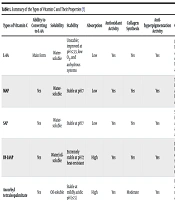
In summary, while no single derivative is universally superior across all parameters, certain molecules align more closely with specific formulation objectives. The DI-LAAP and ascorbyl tetraisopalmitate offer a robust combination of stability, penetration, and biological activity, making them promising candidates for broad-spectrum anti-aging and brightening products — although insufficient clinical validation remains a limitation. The L-AA, though highly effective, is best reserved for controlled-use systems requiring rapid onset. Water-soluble phosphates remain viable for low-irritation products, but their clinical impact is often more gradual and formulation-dependent. As formulation technology advances, the key challenge is not identifying the most potent derivative in vitro, but selecting the one that delivers optimal performance in context, balancing efficacy, stability, skin tolerance, and sensory attributes within a cohesive delivery system. The comparative physicochemical and biological characteristics of these vitamin C derivatives are summarized in Table 1.
Table 1.
Summary of the Types of Vitamin C and Their Properties (7)
| Types of Vitamin C | Ability to Converting to L-AA | Solubility | Stability | Absorption | Antioxidant Activity | Collagen Synthesis | Anti-hyperpigmentation Activity | Claims | Suggested Formulation Types |
|---|---|---|---|---|---|---|---|---|---|
| L-AA | Main form | Water-soluble | Unstable; improved at pH ≤ 3.5, low O2, and anhydrous systems | Low | Yes | Yes | Yes | Fast-acting, skin brightening, antioxidant, collagen-boosting, anti-aging | High-dose serums, ampoules, post-procedure gels |
| MAP | Yes | Water-soluble | Stable at pH 7 | Low | Yes | Yes | Yes | Stable, low irritant, antioxidant, brightening, anti-aging | Daily moisturizers, calming creams |
| SAP | Yes | Water-soluble | Stable at pH 7 | Low | Yes | Yes | Yes | Stable, non-irritant, antibacterial, antioxidant, anti-aging | Acne care lotions, sebo-regulating products |
| DI-LAAP | Yes | Water/oil-soluble | Extremely stable at pH 7; heat-resistant | High | Yes | Yes | Yes | Highly stable, brightening, collagen stimulation, anti-aging, heat-tolerant | Brightening serums, emulsions, anti-aging sprays |
| Ascorbyl tetraisopalmitate | Yes | Oil-soluble | Stable at mildly acidic pH (≤ 5) | High | Yes | Moderate | Yes | Lipid-soluble antioxidant, moisturizing, anti-aging, photo-protective | Sunscreens, night creams, facial oils |
| Ascorbyl 2-glucoside | Yes | Water-soluble | Stable; slow enzymatic activation | Variable data | Yes | Moderate | Yes | UV protection, anti-inflammatory, antioxidant, gradual brightening | Eye creams, pigmentation masks, after-sun products |
| APPS | Yes | Water/oil-soluble | Stable in emulsions and lipid-rich systems | High | Yes | Not determined | Yes | Balanced hydrophilic-lipophilic profile, brightening, antioxidant | Anti-aging serums, tone-evening emulsions |
| Ascorbyl 6-palmitate | No direct evidence | Oil-soluble | Stable at pH 7 but may produce peroxides under UV | Low | Yes | Yes (context-dependent) | Yes | Lipid-soluble antioxidant, texture improvement, barrier repair | Night balms, barrier repair creams |
| Ethylated ascorbic acid | No direct evidence | Water-soluble | Highly stable in aqueous and thermal conditions | High | Yes | Not clearly defined | Yes | Long-lasting antioxidant, photostable, skin brightening, heat-tolerant | Brightening serums, lightweight gels, hot-climate use |
Abbreviations: L-AA, L-ascorbic acid; MAP, magnesium ascorbyl phosphate; SAP, sodium ascorbyl phosphate; DI-LAAP, disodium isostearyl 2-O-L-ascorbyl phosphate; APPS, trisodium ascorbyl 2-phosphate 6-palmitate.
4.1. Conclusions
Although all vitamin C derivatives share fundamental antioxidant and collagen-promoting activities, their effectiveness in cosmetic formulations is determined by nuanced differences in solubility, enzymatic conversion, chemical stability, and skin permeability. These distinctions directly impact their suitability for various formulation types and therapeutic objectives. Formulators must evaluate not only the biochemical potency of each derivative but also its compatibility with the intended product architecture. Strategic selection — guided by clinical evidence and principles of delivery science — is essential for achieving optimal skin outcomes while ensuring product stability and user compliance.