The educational field of mass gathering medicine, with a focus on the Arbaeen pilgrimage, is recommended due to the growing global trend of mass gatherings and the increasing participation in the Arbaeen pilgrimage. Mass gatherings, as defined by the World Health Organization (WHO), are planned or spontaneous events involving a significant number of participants, which can significantly impact the public health planning and response capacity of the host community, city, or country (1). Mass gathering medicine (MGM) is an emerging and essential field that addresses the health and medical needs of large-scale events such as religious gatherings, sports events, cultural festivals, and artistic performances. The concept of MGM was formally introduced in 2010 during a joint conference by The Lancet and WHO in Saudi Arabia (2). However, the foundation for crowd medical services was laid earlier, following the Hillsborough football disaster in 1989 in the United Kingdom (3). While these services primarily focused on pre-hospital emergency care, they lacked the comprehensive approach required for managing health services during events like the Arbaeen pilgrimage or Hajj.
Mass gatherings vary in nature, scale, and purpose, leading to diverse medical needs and challenges (4). They can be categorized into two main types:
(1) Static mass gatherings: These involve participants congregating in a fixed location, either indoors or outdoors, for a specific duration. Examples include religious gatherings, sports events like football matches or the Olympics, and artistic events such as concerts and festivals.
(2) Mobile mass gatherings: These involve participants moving, often on foot, for religious or cultural purposes. Examples include the Arbaeen pilgrimage, Hajj (which combines both static and mobile elements), and certain street festivals (5).
The characteristics of these gatherings—such as duration (ranging from hours to days), purpose (entertainment, spiritual, or commemorative), participant demographics (single or multiple nationalities and cultures), and environmental conditions—significantly influence the type of health services required.
Health Services in Mass Gatherings
(1) Primary care and public health: These services are aimed at preventing health issues and addressing basic health needs to reduce the burden of disease and the demand for higher-level care (1).
(2) Emergency and crisis services: These services address incidents such as crowd crushes, anxiety attacks, accidents, and injuries (6).
However, the prioritization of health services depends on the specific characteristics of each event. For example, the prevalence of conditions such as heatstroke, alcohol and substance intoxication, infectious respiratory diseases, foodborne outbreaks, dermatological issues, and maternal health concerns may vary across different gatherings (7).
Global Practices and Lessons Learned
Countries have adopted various strategies to address the health challenges of mass gatherings, often involving collaboration between health systems and other governmental and non-governmental entities. Saudi Arabia, for instance, has extensive experience in managing the Hajj pilgrimage, leading to the introduction of a Master of Public Health (MPH) program in mass gathering medicine in 2013 (8).
Mass Gatherings in Iran: A Focus on Arbaeen
While WHO defines a mass gathering as involving at least 1,000 participants (1), Iran hosts a wide range of gatherings, including sports events, artistic performances (concerts and cinema), and religious events at various scales—small (household and mosque gatherings), medium (Hussainiyas and shrines), and large (pilgrimages to Qom and Mashhad). Among these, the Arbaeen pilgrimage stands out as one of the most significant international mass gatherings, involving millions of participants and complex health management challenges (4).
The Arbaeen pilgrimage, held annually over two weeks leading up to the 20th of Safar in the Islamic calendar, attracts approximately 20 million participants, primarily Muslims, to commemorate the martyrdom of Imam Hussein, the grandson of Prophet Muhammad (9). Although Iran is not the final host, it plays a crucial role in providing health services to its citizens and neighbouring countries such as Pakistan, Afghanistan, Azerbaijan, and Tajikistan, with around 2 million Iranian pilgrims participating annually.
The Need for Specialized Training in Mass Gathering Medicine
Given the scale, diversity, and complexity of the Arbaeen pilgrimage, there is a pressing need for Iran to develop specialized training programs in mass gathering medicine. In 2022, Iran proposed the establishment of the G5 Health Summit, involving Afghanistan, Iraq, Pakistan, Iran, and WHO, with Tajikistan as an observer (10). This initiative positions Iran as a potential leader in developing and delivering educational programs focused on mass gathering medicine, particularly for the Arbaeen pilgrimage.
Proposed Framework for Developing a Training Program
To address the challenges of mass gatherings, particularly the Arbaeen pilgrimage, the following steps are recommended:
(1) Conduct structured research: Investigate the various aspects of mass gatherings, including health needs, logistical challenges, and participant demographics
(2) Leverage existing expertise: Engage experts and organize conferences to share knowledge and experiences.
(3) Review global best practices: Study similar initiatives worldwide to identify effective strategies (8)
(4) Develop a tailored curriculum: Design an educational program focused on the unique needs of mass gatherings.
(5) Document and evaluate: Assess the outcomes of the training program, identify challenges, and highlight achievements.
(6) Update and improve: Continuously refine the program based on evidence and emerging needs.
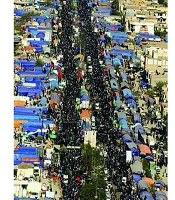
By addressing the health challenges of such events through specialized training and research, Iran can play a pivotal role in safeguarding and enhancing the health of participants in these significant gatherings (Figure 1).
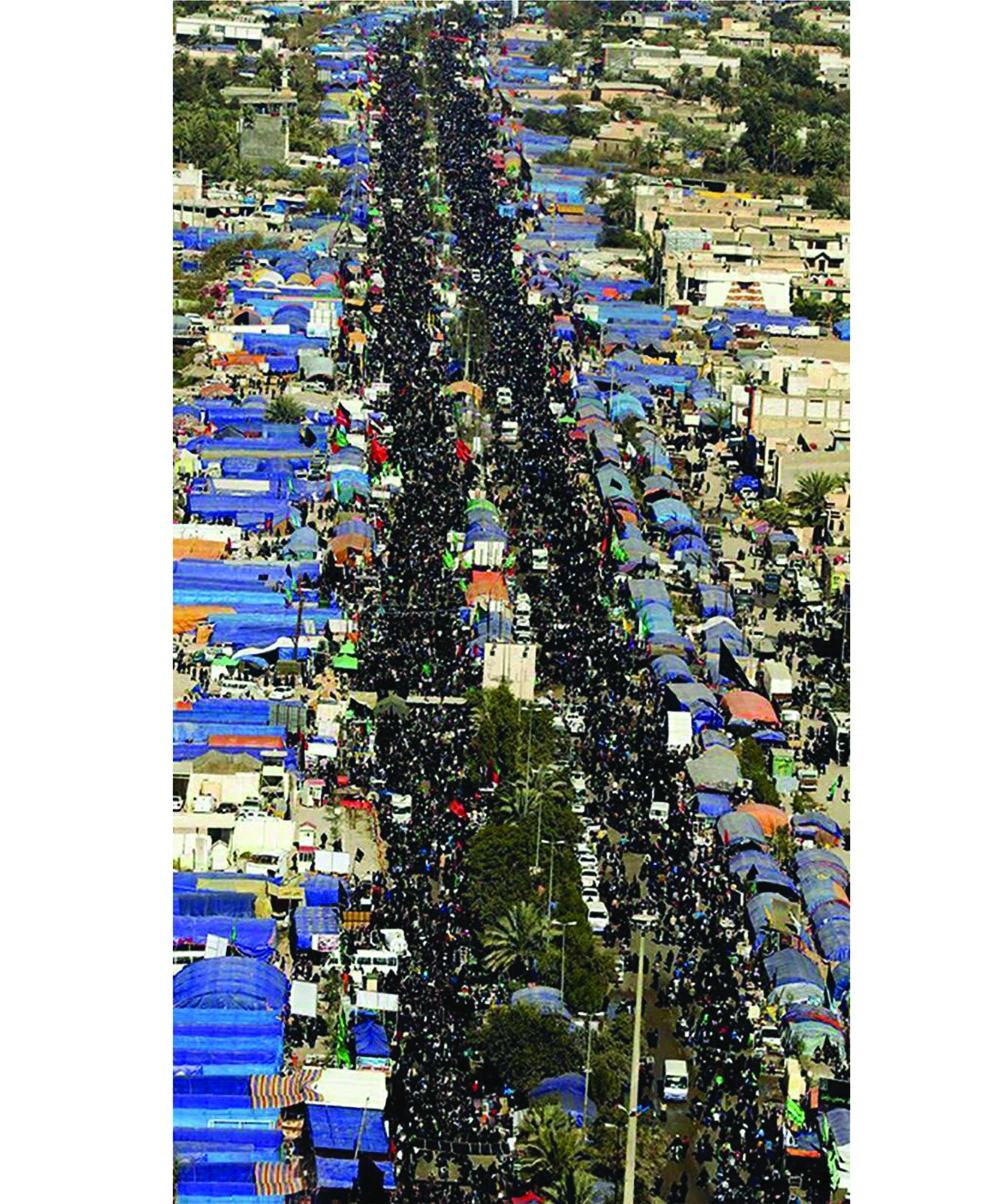
Figure 1.
Arbaeen mass gathering (11)