Fulltext
The full text of this article is available on the PDF file.
Zahedan Journal of Research in Medical Sciences
The Official Journal of Zahedan University of Medical Sciences
Image Credit:Zahedan J Res Med Sci
Authors
Background: Teucrium polium L. is a medicinal plant, which due to its antimicrobial,
antispasmodic and anti-tumor properties has been used in traditional medicine for over
2000 years. The aim of this research was to study the effect of aqueous and ethanolic
extracts of Teucrium polium L. against three strains of Candida albicans (ATCC 62061,
ATCC 1677, and NCPF 3153), Malassezia furfur and Malassezia globosa using pour plate
method.
Materials and Methods: Teucrium polium L. was collected from Broojen area during the
spring. The plant was dried and powdered. The aqueous and ethanolic extracts were
prepared from the fine powder. Different concentrations of extracts (1, 2, 4, and 8 mg/ml)
were made in Sabouraud Dextrose Agar (SDA) and modified Leeming-Notman Agar
(MLNA) medium for Candida albicans, Malassezia furfur and Malassezia globosa.
1.5×10⁶ cfu/ml of yeasts, were cultured on media and incubated at 37ºC and 32ºC
respectively. Pour plate method was used to assess the antifungal activity of these extracts.
Results: The inhibitory effect of ethanolic extract of Teucrium polium L. on the three
strains of Candida albicans was depended on concentration level of extracts in media.
Aqueous extract had inhibitory effect on Candida albicans (NCPF 3153) only, and with
increasing of the extract concentration, the number of colonies was decreased, so that in
concentration of 8 mg/ml, no growth was seen. Aqueous and ethanolic extracts had no
inhibitory effect on Malassezia species.
Conclusion: Teucrium polium L. extracts have considerable inhibitory effect on different
strains of Candida albicans. Further investigations are needed to detect the effectiveness
of this plant in treatment of Candida infections.
© 2013, Author(s). This open-access article is available under the Creative Commons Attribution 4.0 (CC BY 4.0) International License (https://creativecommons.org/licenses/by/4.0/), which allows for unrestricted use, distribution, and reproduction in any medium, provided that the original work is properly cited.
Khoshnood-Mansoorkhani MJ, Moein MR, Oveisi N. Anticonvulsant Activity of Teucrium polium Against Seizure Induced by PTZ and MES in Mice. Iran J Pharm Res. 2010;9(4):e126076. doi: https://doi.org/10.22037/ijpr.2010.905
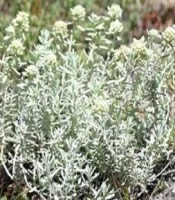
Ilaghinezhad Bardsiri T, Moayedi S, Nabi Meybodi R, Torbati M, Mokhtari Sorkhani T. Investigation of Antioxidant, Antifungal, Antibacterial, and Anti-inflammatory Effects of Teucrium polium on Common Pathogens in Vaginitis: A Review. Jundishapur J Nat Pharm Prod. 2022;17(4):e128060. doi: https://doi.org/10.5812/jjnpp-128060
Shahba S, Bokaeian M, Mozafari-Sabet NA, Saeidpour-Pariz A, Bamer Z, et al. Antibacterial Effect of Teucrium polium on the Bacteria Causing Urinary Tract Infections. Zahedan J Res Med Sci. 2014;16(3):. doi:
Rezaie Keikhaie K, Moshtaghi F, Forghani F, Sheykhzade Asadi M, Seyed Nejad S, et al. Evolution of Susceptibility of Strains of Candida Fluconazole and Determination of Antibiotic Resistance Genes. Int J Infect. 2018;5(2):e62704. doi: https://doi.org/10.5812/iji.62704
Motamedi H, Aalivand S, Ebrahimian M, Moosavian SM. The antibacterial properties of methanolic extract of Teucrium polium against MRSA. J Kermanshah Univ Med Sci. 2015;18(10):e74003. doi: https://doi.org/10.22110/jkums.v18i10.2039
More by these authors
Last Update: 1 week ago
Last Update: 1 week ago
Last Update: 1 week ago
Last Update: 3 hours ago
Last Update: 7 hours ago
Last Update: 5 days ago