
1. Background
Chemotherapy (CT) is one of the most common and effective treatments for cancer (1). While CT is beneficial for patient recovery, it is associated with various physical and psychological side effects. Approximately 70 - 80% of patients experience chemotherapy-induced nausea and vomiting (CINV). Given the significant impact of these side effects on quality of life and treatment adherence, finding effective methods to mitigate them is crucial (2). Medications are routinely used to prevent and treat CINV (3). However, the administration of anti-nausea drugs can lead to side effects such as constipation, cardiac arrhythmias, and extrapyramidal symptoms (4), and does not fully alleviate CINV, with about 40% of patients still suffering from it (5). Among non-drug methods for managing CINV, acupressure stands out as a safe, economical, and easy option (6, 7). Originating from traditional Chinese medicine, acupressure aims to balance the body's energy, known as Qi, by applying pressure to specific skin points (8). One such point identified in Chinese medicine that is effective in controlling CINV is the P6 point (9).
While some studies have indicated a positive impact of acupressure at the P6 point on CINV, others have reported contradictory results. For instance, Byju et al. found that using acupressure at P6 led to a majority of participants in the intervention group experiencing less frequent and less severe CINV for up to three days (10). Conversely, Miao et al. reported that acupressure reduces the severity of acute and delayed nausea but does not affect the occurrence or frequency of vomiting. Their study emphasizes the need for larger investigations to establish more definitive results regarding acupressure's protective effect on CINV (11). Given the inconsistencies in the results related to the P6 point, there is a need to explore alternative acupressure points to manage CT side effects. In recent years, traditional Korean medicine, a newer approach compared to traditional Chinese medicine, has gained attention and demonstrated satisfactory results (12, 13). Korean medicine identifies a point in the hand, K-K9, which is considered equivalent to the P6 point (14). This point is located at the middle joint of the fourth finger on both hands, making it easier to locate and apply pressure with one hand (15, 16). Most previous studies have indicated a positive impact of K-K9 on CINV, showing fewer negative results compared to P6 acupressure (14, 17). Ahn and Park reported that patients in the K-K9 acupressure group experienced significantly less nausea and vomiting than those in the control group (18). Given the conflicting results regarding the effects of K-K9 and P6 acupressure points on CINV, and the importance of managing these side effects in all patients, this study was conducted.
2. Objectives
To compare the effects of acupressure points K-K9 and P6 on CINV in CT patients. Additionally, to compare the effects of these acupressure points on the amount of anti-nausea drugs used in CT patients.
3. Methods
This study was a clinical trial involving 81 cancer patients undergoing CT, with participants unaware of the real and placebo points. Participants were randomly allocated into three groups using a stratified method based on the emetogenic potential of CT drugs (low, moderate, and high nausea rates). The three groups included acupressure at point P6, acupressure at point K-K9, and a placebo group (Li5). The sample size was calculated using G*Power version 3.1.9.4, with a minimum required sample size of 75. Accounting for a 10% dropout rate, the final sample size was adjusted to 90, with 30 participants per group. Sampling took place from June 2023 to December 2023 at Shahid Beheshti Hospital, Kashan, Iran, following ethical approval from Kashan University of Medical Sciences (IR.KAUMS.MEDNT.REC.1402.008) and registration in the Iranian Registry of Clinical Trials (IRCT20100829004655N12). Patients aged 16 and older with confirmed breast, colorectal, lung, or ovarian cancer were included if they had no minimal emesis risk from their CT regimen, had previously experienced nausea from CT, received CT via peripheral veins or ports, completed at least one cycle, and had no concurrent radiotherapy, skin issues at acupressure points, or gastrointestinal diseases causing nausea, migraines, or tinnitus affecting CINV.
Patients were excluded if they were unwilling to participate, did not follow the protocol, submitted incomplete questionnaires, or became inaccessible due to migration or death. Data were collected using two checklists: The first gathered demographic information, details on anti-nausea drugs, and a CINV Questionnaire (assessed one hour post-intervention); the second checklist recorded the use of anti-nausea medications and CINV assessments for five days after CT, starting with confirmation questions to minimize recall bias. Chemotherapy-induced nausea and vomiting was measured using the Rhodes and McDaniel nausea, vomiting, and retching questionnaires, developed in 1999. This tool consists of eight factors, scored from 0 (no symptoms) to 4 (very severe symptoms) (19). The questionnaire was translated into Persian by Moradian et al. in 2013 (20).
3.1. Acupressure Interventions
The anti-nausea medications administered to these patients included uniform doses of ondansetron 4 mg injection, dexamethasone 8 mg injection, and oral aprepitant capsules. For the first group, in addition to standard treatments, acupressure was performed at the P6 point (Appendix 1 in the Supplementary File) (21). In the second group, acupressure was applied at the K-K9 point alongside standard treatments (Appendix 2 in the Supplementary File) (15). The third group received acupressure at the Li5 point (placebo control) (Appendix 3 in the Supplementary File) (22, 23). To standardize procedures across the three groups and ensure equal application of pressure, specific tools were utilized. Bilateral pressure on the P6 point was applied using Vomi-band acupressure wristbands, which have an elastic band with a central button. For the K-K9 point, similar elastic rings applied pressure bilaterally. The Li5 point served as the placebo, which is located on the radial side of the wrist, also receiving bilateral pressure via an elastic wristband.
All acupressure interventions were conducted before CT and continued for five days. Patients were instructed to feel pressure from the wristbands without discomfort, and capillary refill was monitored to ensure no disruption. Researchers coached patients on locating the points and provided pamphlets for home use. Patients removed the tools before sleeping and completed study-specific checklists, which were reused daily. After five days, completed questionnaires were collected during the next CT visit.
3.2. Analysis
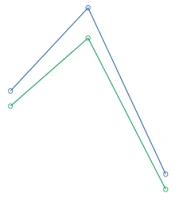
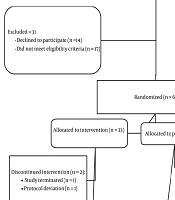
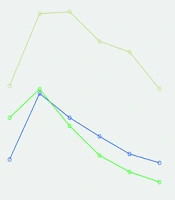
Data were analyzed using SPSS version 17. Figure 1 illustrates the enrollment process. Descriptive statistics (mean, standard deviation, frequency distribution) were employed to describe the groups' characteristics. Chi-square tests, Fisher’s exact tests, and one-way ANOVA were used to compare baseline variables. One-way ANOVA followed by post-hoc tests was utilized to compare mean scores of nausea and vomiting between groups at each time of measurement. To examine the mean score of nausea and vomiting between the three groups across six measurements, a repeated measures analysis of variance was conducted. Pairwise comparisons were also used in this test. In Figure 2, the width represents the time measurement, and the length indicates the mean score for CINV.

Figure 1.
Flow diagram of the study participants

Figure 2.
Comparison of the mean chemotherapy-induced nausea and vomiting (CINV) scores across the six measurements in the three groups
4. Results
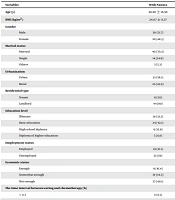
Data from eighty-one cancer patients (mean age: 52.35 ± 11.82 years; mean height: 164.05 ± 7.32 cm; mean weight: 69.11 ± 13.62 kg) were analyzed, revealing a predominance of women across all groups. Table 1 presents the number, frequency, mean, and standard deviation of baseline variables. Statistical analysis showed no significant differences among the three groups concerning demographic and intervention variables (P > 0.05).
Table 1.
Comparison of the Baseline Variables in the Three Groups a
| Sociodemographic Variables | Group P6 (n = 26) | Group K-K9 (n = 28) | Group Li5 (n = 27) | P-Value |
|---|---|---|---|---|
| Gender | 0.74 b | |||
| Male | 9 (34.6) | 7 (25) | 8 (29.6) | |
| Female | 17 (65.4) | 21 (75) | 19 (70.4) | |
| Marital status | 0.76 c | |||
| Married | 19 (73.1) | 22 (78.6) | 22 (81.5) | |
| Unmarried | 7 (26.9) | 6 (21.4) | 5 (18.5) | |
| Employment status | 0.65 c | |||
| Employed | 4 (15.4) | 5 (17.9) | 8 (29.6) | |
| Housewife | 16 (61.5) | 18 (64.3) | 16 (59.3) | |
| Unemployed | 6 (23.1) | 5 (17.9) | 3 (11.1) | |
| Education | 0.42 b | |||
| Below diploma | 18 (69.2) | 16 (57.1) | 14 (51.9) | |
| Diploma and above | 8 (30.8) | 12 (49.2) | 13 (48.1) | |
| Economic situation | 0.23 c | |||
| Good | 0 (0) | 3 (10.7) | 2 (7.4) | |
| Moderate | 18 (69.28) | 18 (64.3) | 22 (81.5) | |
| Weak | 8 (30.8) | 7 (25) | 3 (11.1) | |
| Cancer | 0.87 c | |||
| Breast | 9 (34.612) | 11 (39.3) | 12 (44.4) | |
| Colorectal | 12 (46.24) | 12 (42.9) | 11 (40.7) | |
| Lung | 4 (15.41) | 2 (7.1) | 2 (7.4) | |
| Womb | 1 (3.8) | 3 (10.7) | 2 (7.4) | |
| CT cycle | 0.36 c | |||
| 2 | 4 (16) | 6 (21.4) | 9 (33.3) | |
| 3 | 4 (16) | 1 (3.6) | 3 (11.1) | |
| 4 | 2 (8) | 3 (10.7) | 1 (3.7) | |
| 5 | 4 (16) | 1 (3.6) | 4 (14.8) | |
| 6 and upper | 11 (44) | 17 (60.7) | 10 (37) | |
| Nausea rate of CT regimen | 0.96 b | |||
| Low | 7 (26.9) | 7 (25) | 6 (22.2) | |
| Moderate | 13 (50) | 15 (53.6) | 13 (48.1) | |
| High | 6 (23.1) | 6 (21.4) | 8 (29.6) | |
| CT rout | 0.73 b | |||
| Peripheral vein | 18 (69.2) | 18 (64.3) | 20 (74.1) | |
| Port | 8 (30.8) | 10 (35.7) | 7 (25.9) | |
| Mean height | 163.58 ± 6.92 | 164.15 ± 8.0 | 164.41 ± 7.25 | 0.92 d |
| Mean weight | 66.01 ± 14.41 | 69.7 ± 13.65 | 71.51 ± 12.72 | 0.33 d |
| Mean age | 53.54 ± 13.98 | 50.96 ± 10.7 | 52.63 ± 10.94 | 0.72 d |
Abbreviation: CT, chemotherapy.
a Values are expressed as No. (%) or mean ± SD.
b Chi-square tests.
c Fisher’s exact tests.
d One-way ANOVA.
As shown in Table 2, significant differences were observed in mean CINV scores among the three groups from days two to five. Post-hoc tests indicated that the placebo group's mean CINV scores were significantly different from those of the two intervention groups on days two to four (P < 0.05), with no significant difference between the P6 and K-K9 groups. On day five, a significant difference was noted only between the K-K9 and Li5 groups (P = 0.02). During the first hour and the first day of CT, the P6 group reported lower mean CINV scores compared to the other groups, as illustrated in Figure 2. However, on subsequent days, the K-K9 group exhibited lower mean CINV scores. A repeated-measures ANOVA revealed significant differences over time between the three groups (P = 0.006). Post-hoc tests showed that the mean CINV score in the placebo group significantly differed from those in the two intervention groups (P6 vs. Li5, P = 0.006; K-K9 vs. Li5, P = 0.004), with no significant difference between the P6 and K-K9 groups (Appendix 5 in the Supplementary File).
Table 2.
Comparison of the Rhodes Index of Nausea, Vomiting, and Retching Scores Across the Three Groups Over the Six Measurements a
| Outcome Variables | Group P6 (N = 26) | Group K-K9 (N = 28) | Group Li5 (N = 27) | P-Value b |
|---|---|---|---|---|
| Nausea and vomiting | ||||
| After 1 hour | 2.54 ± 3.79 | 4.0 ± 5.57 | 5.11 ± 5.98 | 0.21 |
| Day 1 | 4.85 ± 3.91 | 5.00 ± 5.25 | 7.63 ± 3.86 | 0.4 |
| Day 2 | 4.0 ± 4.07 | 3.71 ± 4.7 | 7.7 ± 4.66 | 0.002 |
| Day 3 | 3.35 ± 4.77 | 2.67 ± 4.58 | 6.67 ± 4.9 | 0.006 |
| Day 4 | 2.73 ± 5.02 | 2.11 ± 4.13 | 6.3 ± 4.38 | 0.002 |
| Day 5 | 2.42 ± 5.33 | 1.75 ± 4.01 | 5.0 ± 3.55 | 0.018 |
a Values are expressed as mean ± SD.
b One-way ANOVA.
According to Figure 2, one hour after the intervention, the P6 acupressure group had the lowest mean CINV score, while the Li5 group had the highest. On the fifth day, the K-K9 group recorded the lowest nausea score among the three groups. From days two to five, the mean CINV score for the K-K9 group was consistently lower than that of the other groups. Table 3 highlights the varying requirements for additional anti-nausea medications across the three groups from one hour after the intervention to days one to five. Post-hoc tests (P < 0.05) indicated that the mean requirement for additional anti-nausea medication differed significantly between the placebo group and the two intervention groups, with no significant difference between the P6 and K-K9 groups. This suggests that acupressure at these targeted points effectively reduces the need for anti-nausea medication.
Table 3.
Comparison of the Three Groups in Terms of the Need for Additional Antiemetics Across the Six Measurements a
| Outcome Variables | Group P6 (N = 26) | Group K-K9 (N = 28) | Group Li5 (N = 27) | P-Value b |
|---|---|---|---|---|
| Number of additional anti-nausea medications | ||||
| After 1 hour | 0.5 ± 0.7 | 0.39 ± 0.62 | 0.96 ± 0.64 | 0.005 |
| Day 1 | 0.58 ± 0.64 | 0.43 ± 0.57 | 1.04 ± 0.7 | 0.002 |
| Day 2 | 0.35 ± 0.56 | 0.11 ± 0.31 | 1.07 ± 0.78 | 0.000 |
| Day 3 | 0.23 ± 0.58 | 0.07 ± 0.26 | 0.63 ± 0.68 | 0.001 |
| Day 4 | 0.27 ± 0.77 | 0.04 ± 0.18 | 0.67 ± 0.67 | 0.001 |
| Day 5 | 0.12 ± 0.32 | 0.07 ± 0.26 | 0.44 ± 0.57 | 0.002 |
a Values are expressed as mean ± SD.
b One-way ANOVA.
To delve deeper into the mean number of additional anti-nausea medications taken by the groups, a repeated measures ANOVA revealed a statistically significant difference (P < 0.001) (Appendix 4 in the Supplementary File). Post-hoc tests confirmed that the mean number of additional anti-nausea medications in the placebo group significantly differed from those in the two intervention groups (P6 vs. Li5, P < 0.001; K-K9 vs. Li5, P < 0.001), with no significant difference between the P6 and K-K9 groups.
5. Discussion
Breast and colorectal cancers, which are more prevalent among women, were included in our study criteria (24). Previous studies have shown that nausea and vomiting are reported more frequently in women undergoing CT compared to men (25). These factors may contribute to a higher representation of women in this study. This study demonstrates that both P6 and K-K9 acupressure points effectively reduce CINV, with the K-K9 point showing superior results. From days two to five, the average CINV scores in the K-K9 group were lower than in the other groups, although this difference was not statistically significant compared to the P6 group. In the first 24 hours of CT, the P6 group reported less CINV, yet this was also not statistically significant. These findings align with previous research, such as Shen and Yang, which noted reduced CINV in the P6 group within the first 24 hours (26). Nourani et al. reported that K-K9 was more effective in reducing nausea scores, despite the differing etiologies between pregnancy-related nausea and CINV. Both studies utilized specific acupressure tools, which may explain the consistency of their findings (16).
This study highlighted significant differences in average CINV scores from days two to four when comparing the placebo group with the active acupressure groups. In contrast, Dupuis et al. did not find a significant reduction in nausea severity using acupressure bands in children; however, the current study observed effectiveness with wristbands or rings (27). Additionally, Saghezi et al. reported that manual acupressure at P6 was more effective than K-K9, which contradicts the present results (28). Furthermore, the requirement for additional anti-nausea medication was lower in the K-K9 group compared to the other groups, showing a statistically significant difference against the placebo group but not against the P6 group. A study by Altuntas and Dalgic also failed to find any significant difference in the need for anti-nausea medication between manual acupressure and wristband acupressure groups, which aligns with the current findings (6).
5.1. Conclusions
Both P6 and K-K9 acupressure points are effective in managing CINV in patients undergoing CT, with K-K9 demonstrating superior efficacy compared to P6. The need for additional anti-nausea medication was also lower in the K-K9 group than in the P6 group. These acupressure methods are recommended in conjunction with conventional CINV treatments in clinical settings.