
1. Background
Diabetes mellitus (DM) is a carbohydrate metabolism disorder specified by increasing glucose in plasma and urine as well as demonstrating an alteration in the glucose balance between consumption and release. The lack, demolition, or other loss of the β cells of the islets outcomes in Type 1 diabetes (insulin-dependent diabetes mellitus (IDDM)). IDDM is a long-lasting autoimmune disease in which there is T cell-mediated demolition of the pancreatic β cells (1).
The occurrence of diabetes was estimated to be 2.8% in 2000 and 4.4% in 2030 (2). Totally, 8.4% of all-cause deaths were ascribable to DM in adults aged 20 - 79 years (3). If DM cannot be well qualified, the tasks and metabolism of some organs will be disturbed, which eventuates in debility, poor immunity, and complicacies. These complicacies can take enormous pain to subjects and even endanger their existences. Diabetes can be well qualified by such proper means as adjusting their diet if it is diagnosed in time. Otherwise, when it reaches an advanced phase, it can lead to severe diseases, such as heart diseases, renal diseases, blindness, and paraplegia (4).
Frequent checking of glucose in plasma of individuals with DM aids well-timed recognition of hyper-glycaemia and is vital to limiting the adverse effects that can be controlled by poor control of the disease. A common method of blood-based research is to provide invasive methods for collecting blood samples from patients. This can cause needle anxiety or the risk of blood-borne infections or both. Studies have revealed that the occurrence of needle anxiety in children is 27% and 22% of all ages (5).
As glucose is one of the plasma combinations that are exchangeable through the salivary gland, epithelium and saliva is the biologic watery that is simple to accumulate. The goal of the current study was to evaluate the glucose levels in saliva and serum of children with diabetes to specify the usefulness of saliva as an analytic tool.
2. Methods
2.1. Study Design and Population
The procedure was permitted by the ethics committee of Tehran University of Medical Sciences, Iran, and all participants gave informed consent before contribution in the procedure. This procedure was planned as a case-control survey in the children’s hospital Medical center of Tehran University of Medical Sciences. A total of 34 children who suffered from Type 1 diabetes mellitus (DM) (male/female: 12/22) and 34 non-diabetic children (male/female: 14/20) were recruited to the study. Children who were hospitalized for side effects of diabetes mellitus were considered as the case group. Non-diabetic children who were hospitalized in the orthopedic section, without any other pre-existing systemic diseases, were considered as the control group. Participants with wound (s) in their mouths were left out from the procedure.
2.2. Sample Collection
Venous blood and saliva were gathered concurrently from each participant between 8 - 9 a.m. Subjects expectorated about 5 mL of their resting whole saliva in a tube. Stimulated whole saliva was stimulated by a piece of natural gum. Two CC of venous blood was drawn following saliva sampling. The specimens were centrifuged at 3800 g for 10 minutes. The serum and saliva supernatants were isolated, which were kept in -70°C for later analysis of glucose.
2.3. Laboratory Measurements
Serum and salivary glucose concentrations were assessed by an enzymatic colorimetric GOD-PAP assay, using commercial kits purchased from the man diagnostics company (Tehran, Iran). Serum Hemoglobin A1c (HbA1c) was assessed by turbidimetrically at 552 nm (Roche Diagnostics GmbH).
2.4. Statistics
The data are offered as a mean ± SEM. The Unpaired 2-tailed student’s t-test, Pearson correlation, and receiver operating characteristic (ROC) analysis was used; P < 0.05 was considered as significant.
3. Results
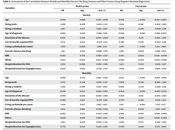
As predictable, the mean of serum level of glucose was greater in children with DM than that of the non-diabetic (Table 1). Stimulated and unstimulated salivary levels of glucose were significantly greater in children with IDDM compared to control subjects (P = 0.049 and P = 0.047, in that order) (Table 1). Serum level of HbA1c was higher in the patients with IDDM than that of the controls (P = 0.0001). Serum glucose concentration correlates with stimulated (r = 0.407; P = 0.005) but not with unstimulated salivary concentration of glucose (r = 0.189; P = 0.145). Serum HbA1c correlates with unstimulated (r = 0.404; P = 0.001) but not with stimulated salivary concentration of HbA1c (r = 0.0.95; P = 0.526).
Table 1.
Serum and Saliva Levels of Glucose and HbA1c in Insulin-Dependent Diabetes Mellitus (IDDM)a
| Variables | Control | IDDM | P Value |
|---|---|---|---|
| Age, y; Mean ± SD | 10.7 ± 2.9 | 10.0 ± 2.4 | 0.273 |
| Fasting blood sugar, mg/dL | 97.2 ± 2.1 | 265.6 ± 15.9 | 0.0001b |
| Serum HbA1c, % | 4.99 ± 0.01 | 11.23 ± 0.51 | 0.0001b |
| Unstimulated saliva glucose, mg/dL | 1.50 ± 0.33 | 6.97 ± 2.23 | 0.049b |
| Stimulated saliva glucose, mg/dL | 2.18 ± 0.21 | 6.11 ± 1.71 | 0.047b |
aData are expressed as mean ± SEM.
bDifferent from non-diabetic children, P < 0.05.
The cut-off value of unstimulated salivary glucose for the diagnosis of IDDM was 1.05 mg/dL (ROC-area under the curve = 0.79). With this cut-off, sensitivity was 75%, and specificity was 60%. The stimulated salivary glucose cutoff value with sensitivity (71%), specificity (80%), and the area under the ROC curve (0.77) was 2.15 mg/dL.
4. Discussion
Diabetes mellitus characterizes one of the main long-lasting health complications affecting individuals worldwide nowadays, which need continuous checking of their glucose levels. Analytical tests for DM usually use plasma and urine samples. Blood as a diagnostic instrument has a benefit as its adjacent association to the homeostasis of the body. However, blood gathering is an aggressive method and it requires a trained technician; the method is frequently traumatic, particularly in children leading to anxiety and trauma. Thus a noninvasive method is necessary to screen the glycemic regulator. Saliva is the easiest sample that can be gathered noninvasively with negligible apparatus and is associated with less side effects than blood. Therefore, the requirement for an another method arises. Today attention has been growing in the usage of saliva as a diagnostic watery. Thus, the aim of the research was to assess saliva glucose as a diagnostic instrument for checking glycemic controller in IDDM. We found that salivary levels of glucose was higher in children with IDDM and serum glucose correlates with stimulated saliva. In addition, serum HbA1c correlates with unstimulated saliva level.
The logic of the research for determining glucose in saliva is that saliva is being reflected as an analytic fluid of the upcoming. Saliva is supposed to be a reflect of the body and may be recognized as a capable fluid for checking the wellbeing and sickness conditions of a person in healthcare plans. In this respect, it has been revealed that numerous biochemical molecules may be assessed in saliva of patients, such as heart diseases (6-8), xerostomia (9-12), and oral lichen planus (13).
In this research, glucose was detectable in the stimulated and unstimulated saliva of diabetic and non-diabetic individuals. This was in accord with the reports of other studies (14-18).
Mean stimulated salivary glucose levels in IDDM were significantly greater than the levels in non-diabetic individuals in our study. This was in covenant with the study shown by Karjalainen et al., in Type 1 DM (19) and Mirzaii-Dizgah et al., in Type 2 DM (20, 21). In the current research, there was a positive association between stimulated saliva and serum glucose levels, which is in agreement with the studies of Karjalainen et al., (19) and Mirzaii-Dizgah et al. (20, 21). Hence, stimulated saliva glucose seems to be an indicator of serum glucose level in DM patients.
In this research, we showed that fasting unstimulated saliva glucose was significantly higher in diabetic children than in the controls. The same results were reported by other studies regarding type 1 DM (22, 23) and Type 2 DM (24-29). In our study, there wasn’t seen a significant correlation between unstimulated salivary and serum glucose in Type 1 DM. However, some reports indicated that unstimulated salivary glucose correlates with serum glucose in Type 2 DM (24, 25, 27), which are not in agreement with the result of this study.
Unstimulated saliva glucose correlates significantly with serum HbA1c level in this study, which is in accordance with the other studies regarding Type 2 DM (24, 27).
Saliva contains more than 100 million bacteria/mL of saliva (30); thus, salivary glucose may be consumed by this microorganism. Therefore, the time between collecting and measuring saliva and how to store it can affect the amount of salivary glucose. If this problem is resolved, fasting saliva glucose may be applied as a nonaggressive diagnostic, as well as a checking instrument to measure the glycemic status of DM patients.
4.1. Conclusion
It seems that saliva glucose is higher in Type 1 diabetic mellitus subjects and checking of glucose in saliva may be applied as an index of DM.