
1. Background
Postural complications are among the most debilitating problems in Parkinson’s disease (PD) (1, 2). A significant subgroup of PD patients show deformities of the trunk, which can have negative consequences for their quality of life (3, 4). As PD patients suffer from locomotor incoordination and trunk imbalance, the forward flexion of the upper part of the body is of major importance (5). Atypical flexed posture, a classic clinical feature of PD, affects more than one-third of patients and manifests as spinal malalignment (6). Camptocormia (7) and axial abnormalities (8) are 2 common forms of this complication.
Camptocormia, with a prevalence of 3% - 17% (9), is an advanced anteroposterior malalignment of the spinal axis with a tendency to wax and wane in the upright and flat (supine) positions, respectively (10). In addition, fall and freezing of gait (FOG) are major concerns of PD patients, with debilitating outcomes affecting their activities of daily living (ADLs) and quality of life. Moreover, in postural abnormalities, especially chronic PD, falls and FOG are irresponsive to drugs (11-13). The outcomes of these disorders cause problems for PD patients while changing from a sitting to an upright position, alter their gait and balance, and finally result in falls (14). Since axial deformities are the main cause of fall, prior identification of such abnormalities may help determine cases at risk of falling (15).
Reportedly, fall-related problems are 5 times more prevalent among PD patients than healthy individuals (12). Fear of falling (FOF) is a common complaint of PD patients because of problems in body alignment and high incidence of falls (16). Accordingly, FOF is considered a limiting factor for the ADLs of patients and results in social problems (11). The role of fall-prevention measures in the reduction of such disorders among PD patients is well documented (5).
Previous studies have revealed the beneficial effects of corrective exercises and Alexander-based corrective technique (ABCT) in PD patients for correcting the trunk and posture disorders (17-19), besides reducing falls (20). The physical and social aspects of posture disorders, along with gait and balance attributes, are determining factors for the risk of fall (21, 22). ABCT, as a complement therapy for musculoskeletal disorders of PD patients, was first hypothesized in 1997 by Stallibrass for neuromuscular rehabilitation (19). The main aim of these techniques is to establish a relation between the subjective capacity of the mind and muscular performance output in optimal posture alignment during ADLs (23).
Despite the introduction of different rehabilitation approaches for correcting malalignment in PD patients, in the present study, we investigated the effects of ABCT on the forward flexed posture (thoracic hyperkyphosis and forward head posture or FHP), fall risk, and FOF among idiopathic PD patients.
2. Methods
2.1. Participants
The study population included 26 patients with PD and a history of falls in the past 6 months. The experimental group consisted of 13 female and male subjects (age, 64.85 ± 2.57 years) with idiopathic PD under levodopa treatment, while the control group included 13 female and male subjects (age, 63.15 ± 3.33 years), who were matched in terms of sex, age, physical activity, and anthropometric indices. The subjects had no alignment-related disorders (e.g., severe postural flexion) or symptoms of atypical PD according to the criteria proposed by Hughes et al. (1992) (24).
The inclusion criteria were as follows: 1, established idiopathic PD (25); 2, Hoehn and Yahr (H and Y) stages II and III (26); 3, mini-mental state examination (MMSE) score > 24 (27); 4, kyphosis ≥ 42°; and 5, thoracolumbar flexion with full resolution in the supine position and alleviation by changing the passive position (24). In addition, cases with scores ≤ 25 cm on the functional reach test (FRT) were considered at risk of falling (28).
On the other hand, subjects were excluded if they had fixed postural deformities (ankylosing spondylitis, vertebral fractures, and idiopathic or degenerative scoliosis) in the presence of established depression (according to DSM-V); severe comorbidities (cardiac, pulmonary, or orthopedic diseases); or urinary incontinence which precluded them from completing the assessments. All the participants voluntarily completed the informed consent forms and were allowed to leave the study at any time. All the procedures were performed according to the ethical considerations of the world health organization (WHO) regulations. Before the onset of the study, it was registered in the Iranian registry of clinical trials (code, IRCT2016081529373N1).
2.2. Interventional Plan
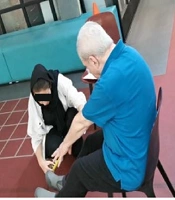
In this study, the exercise programs were applied as ABCT. All exercises were designed considering the individual characteristics of each participant by observing the overload principle and progression in the number of repetitions per set, as well as the duration of each movement in corrective exercises over 8 weeks of the program (3 sessions per week) (29). In addition, exercises were performed under direct supervision of the examiners for each subject individually per session in order to ensure that the exercises were performed correctly.
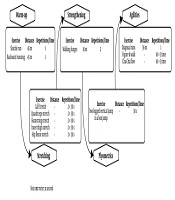
The subjects participated in a postural realignment program, consisting of 60-minute sessions over 8 weeks. The Alexander-based program (ADL-based corrective exercises) was conducted in the medical hall of Beheshti hospital, affiliated to Kashan University of Medical Sciences, and included exercises aimed at correcting postural deformities. Each session included 10 minutes of warm-up and stretching exercises, 40 minutes of postural realignment exercises, and 10 minutes of cooling down and stretching exercises (30). The postural realignment consisted of walking in different directions, static/dynamic marching, tandem walking (31), and ADLs. The standard guidelines regarding the frequency, volume, duration, intensity, and progression of exercises were applied (32, 33).
Evaluations were performed as pretest (a week before Alexander-based exercises) and posttest (after 8 weeks of the exercise program). Cognitive function assessment was performed with MMSE at 1 hour after administering the last dose of levodopa.
2.3. Assessment Tools
2.3.1. Thoracic Hyperkyphosis
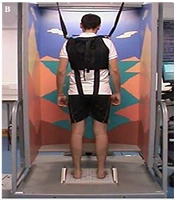
It refers to the excessive anterior curving of the thoracic spine exceeding 42° (34). Postural deformities were evaluated with a flexible ruler (Kering). During postural assessments, the participants were positioned on a platform, standing barefoot with their arms alongside and maintaining their usual posture. All measures were recorded in the sagittal plane. A flexicurve ruler was used to measure the thoracic postural kyphosis in the sagittal plane. This flexible ruler could be contoured to fit the body for recording postural curvatures.
Once the participant stood in an upright position, the ruler was placed at the C7 spinous process and pressed along the thoracic spine down to the lumbar spine at T12. The ruler was then placed flat on a graph paper and its outlines were drawn perpendicular to the L-line (called H). After measurement of L and H lines with a millimeter ruler, the following equation was applied, and the thoracic kyphosis angle (TKA) was calculated:
Based on a study by Hinman et al., this method has good interrater reliability (34). TKA was defined as the recorded average of 2 angles.
2.3.2. FHP Assessment
FHP was measured based on the method explained by Braun et al. in 1989 (35). Reportedly, the reliability of this method is high (36).
Falls efficacy scale: The falls efficacy scale-international (FES-I) was used to assess gait, dynamic balance, and risk of falls. FES-I evaluates the confidence level of performing a given activity without falling. It is a self-report tool, providing information on the level of patients’ concerns about falls in a range of ADLs. It contains 16 items, scored on a 4-point scale (1, absolutely not concerned to 4, very concerned) (37). Besides European languages, the Persian version of the scale is also available (38, 39).
2.3.3. FRT
It is a useful tool for identifying the risk of fall (28). It is described as a suitable questionnaire for identifying elders, who are frail and at high risk of falls. It is used to evaluate the anteroposterior stability by measuring the maximum distance a person can reach forward beyond his/her arm’s length while standing over a fixed supported base.
2.3.4. FOG
The researcher completed the FOG questionnaire, scored from 0 to 24 (40, 41), by asking the participants all 6 items and making sure that they are in the drug-on state and understand all questions. Item 3, which is related to the respondent’s personal experience of feet contact with the ground in different conditions, was of great importance. If the participants did not understand the question or were unfamiliar with the concept of freezing, the instructed researchers described the concepts; the subjects answered the questionnaire (items 1, 2, 4 - 6), based on their experience in the last week.
2.4. Statistical Analysis
Depending on the type of data, different tests were used for the statistical analyses. For demographic characteristics, independent t test was performed. Pre/posttest differences between the experimental and control groups were determined by paired t test. Normal distribution of data was evaluated by Kolmogorov-Smirnov test. Also, Pearson’s correlation coefficient test was applied for describing correlations between TKA or FHP and fall risk criteria between the groups. After examining all variables for normality, mean and standard deviation (SD) were calculated. The statistical significance was considered to be P ≤ 0.05. The results are reported as mean ± SD.
3. Results
3.1. Comparison of Demographic Data Between the Experimental and Control Groups
The demographic data of PD patients are reported in Table 2. The results of paired t test revealed no significant difference between the groups in terms of demographic characteristics in the pretest (P > 0.05).
Table 1.
Pearson’s Correlation Test for TKA, CVA, and Changes in the Mean FES-I, FOG, and FRT Scoresa
| Variables | TKA | P Value |
|---|---|---|
| Pearson’s Correlation Coefficient | ||
| FES-I score | 0.885 | 0.001*** |
| FOG | 0.570 | 0.002** |
| FRT | -0.499 | 0.009** |
| CVA | ||
| Pearson’s correlation coefficient | Pearson’s correlation coefficient | |
| FES-I score | 0.517 | 0.007** |
| FOG | -0.272 | 0.179 |
| FRT | 0.059 | 0.775 |
Abbreviations: CG, control group, CVA, craniovertebral angle, EG, experimental group; FES-I, falls efficacy scale-I; FOG, freezing of gait; FRT, functional reach test; TKA, thoracic kyphosis angle.
a*, Significant.
Table 2.
Demographic and Clinical Characteristics of Patients with PD in the Experimental and Control Groupsa
| Variables | EG (n, 13), Mean ± SD (range) | CG (n, 13), Mean ± SD (range) | P Value |
|---|---|---|---|
| Gender, male/female | 8/5 | 6/7 | NS |
| Age, y | 64.85 ± 2.57 | 63.15 ± 3.33 | NS |
| Height, cm | 165.62 ± 6.71 | 164.69 ± 5.87 | NS |
| Weight, kg | 67.23 ± 5.19 | 66.07 ± 6.06 | NS |
| Body mass index, kg/m2 | 24.00 ± 1.22 | 23.92 ± 2.13 | NS |
| Disease duration, y | 5.30 ± 1.82 | 4.33 ± 0.70 | NS |
| MMSE, score | 26.08 ± 1.25 | 26.33 ± 1.37 | NS |
| H and Y stage | 2.62 ± 0.50 | 2.69 ± 0.48 | NS |
Abbreviations: CG, control group; EG, experimental group; MMSE, mini-mental state examination; NS, nonsignificant.
aValues are expressed as mean ± SD.
3.2. Effects of ABCT on TKA, Craniovertebral Angle (CVA), FES-I, FOG, and FRT in Idiopathic PD
As presented in Table 4, the results of paired t test regarding the effects of ABCT on TKA, CVA, FES-I score, FOG, and FRT score revealed a significant difference between the pretest and posttest in the control group (P < 0.05). Moreover, the results of paired t test for the effects of ABCT on TKA, CVA, FES-I score, FOG, and FRT score revealed a significant difference between the pretest and posttest in the experimental group (P < 0.001, P < 0.020, P < 0.001, P < 0.005, and P < 0.001, respectively).
3.3. Effects of ABCT on Mean Changes of Parameters in the Pretest and Posttest Among Idiopathic PD Patients
The effects of ABCT on the mean changes of TKA, CVA, FES-I score, FOG, and FRT score in the pre- and postintervention stages are presented in Table 3. The results of t test showed a significant difference in the mean changes of TKA, FES-I score, FOG, and FRT score between the groups in the pre- and postintervention stages (P < 0.001, P < 0.011, P < 0.001, and P < 0.001, respectively).
Table 3.
Comparison of Mean Changes in the Pre- and Post-Intervention Stages in the Groupsa
| Variables | Pretest to Posttest | t | P Value | |
|---|---|---|---|---|
| Differences in Mean Values in EG | Differences in Mean Values in CG | |||
| TKA, degrees | 5.07 ± 2.36 | -0.46 ± 1.12 | 66.87 | 0.001*** |
| CVA, degrees | -1.07 ± 1.49 | -0.46 ± 1.76 | 0.39 | 0.534 |
| FES-I score | 5.61 ± 3.94 | -0.23 ± 1.36 | 7.63 | 0.011** |
| FOG | 1.53 ± 1.61 | 0.07 ± 0.95 | 31.53 | 0.001*** |
| FRT | 4.00 ± 3.18 | 0.23 ± 1.87 | 2.34 | 0.001*** |
Abbreviations; CG, Control Group; CVA, Craniovertebral Angle; EG, Experimental Group; FES-I, Falls Efficacy Scale-I; FOG, Freezing of Gait; FRT, Functional Reach Test; TKA, Thoracic Kyphosis Angle.
a*, significant.
3.4. Correlation of Mean Changes in TKA, FHP, and Fall Risk Criteria in the pre- and Postintervention Stages in Groups of Idiopathic PD Patients
The correlations between the mean TKA, FES-I score, FOG, and FRT score in idiopathic PD patients are presented in Table 1. The Pearson’s correlation test showed a significant positive correlation between TKA and FES-I and FOG in the groups (r, 0.885; P < 0.001 and r, 0.570; P < 0.002, respectively). On the other hand, the results of Pearson’s correlation test showed a significant negative correlation between TKA and FRT (r, -0.499; P < 0.009). In addition, the correlation of CVA with FES-I, FOG, and FRT in idiopathic PD patients is shown in Table 1. The Pearson’s correlation test showed a significant positive correlation between CVA and FES-I, but not CVA and FRT in the groups (r, 0.517; P < 0.007 and r, 0.059, P < 0.775, respectively). On the other hand, the results of Pearson’s correlation test showed no significant negative correlation between CVA and FOG (r, -0.272; P = 0.179).
Table 4.
Descriptive Statistics (mean±SD) and Comparisons Between the Pretest and Posttest (n, 26)a
| Variables | EG (n, 13) | CG (n, 13) | ||||||
|---|---|---|---|---|---|---|---|---|
| PreT | PostT | T | P Value | PreT | PostT | T | P Value | |
| TKA, degrees | 53.85 ± 3.41 | 48.77 ± 2.65 | 7.75 | 0.001*** | 52.38 ± 4.35 | 52.85 ± 3.80 | -1.47 | 0.165 |
| CVA, degrees | 44.46 ± 4.53 | 45.54 ± 4.01 | -2.59 | 0.020* | 45.85 ± 3.33 | 46.31 ± 3.22 | -0.94 | 0.363 |
| FES-I score | 40.92 ± 4.07 | 35.31 ± 2.75 | 5.12 | 0.001*** | 40.38 ± 4.19 | 40.62 ± 4.25 | -0.61 | 0.553 |
| FOG | 12.92 ± 3.42 | 11.38 ± 4.11 | 3.43 | 0.005** | 13.23 ± 2.61 | 13.15 ± 2.11 | 0.29 | 0.776 |
| FRT | 22.07 ± 1.38 | 26.15 ± 2.67 | -4.66 | 0.001*** | 21.30 ± 1.49 | 21.53 ± 1.85 | -0.44 | 0.666 |
Abbreviations: CG, Control Group; CVA, Craniovertebral Angle; EG, Experimental Group; FES-I, Falls Efficacy Scale-I; FOG, Freezing of Gait; FRT, Functional Reach Test; NS, Nonsignificant; PostT, Posttest; PreT, Pretest; TKA, Thoracic Kyphosis Angle.
a*significant.
4. Discussion
In this study, we aimed to examine the effects of ABCT on forward flexed posture, risk of fall, and FOF in idiopathic PD patients. To the best of our knowledge, this is the first study to investigate the effects of ABCT on posture- and fall-related factors in idiopathic PD patients. The main findings of this study indicated that 8 weeks of ABCT (24 sessions) in the experimental group resulted in considerable improvements of TKA, CVA, FOF, FOG, and risk of fall in PD patients.
In line with our findings, which revealed that 8 weeks of ABCT could improve TKA and CVA, some researchers have confirmed the effectiveness of rehabilitation measures in kyphotic and postural malalignment in PD patients (17, 18, 42, 43). They also showed that kyphosis-induced malalignment resulted in gait impairment and FOF, which could be alleviated in PD patients. Some other researchers, who reported similar findings to our study, used different time-based protocols of ABCTs (44). For instance, Stallibrass et al. (2002) using ABCT (44), Goodwin (2011) using an exercise intervention (45), and Sedaghati (2016) (31) using a selective corrective exercise showed improvements in trunk posture alignment. However, Sparrow using 3 months of active balance exercises (46) and Khalil using a home-exercise and walking program (47) revealed no significant differences in posture alignment.
Although at present, no clear mechanism can explain the effects of different postural rehabilitation modalities on the correction of trunk malalignment, a few mechanisms including axial trunk tone, muscular control, and proprioceptive mechanisms have been noted. Regarding the mechanism of axial trunk tone, interventions such as ABCT are effective in augmenting the relationship between axial postural tone and motor capacity in PD patients. The axial trunk tone was applied during walking and twisting of the head and trunk (48) to better capture the surroundings (49).
Based on the Franzen’s hypothesis, an increase in neck tone results in balance, walking, and twisting disorders in PD patients (50); these disorders are described as the causes of falling due to posture malalignment (51). In fact, the scientific rationale behind the effectiveness of prostheses and a broad range of sport modalities (e.g., water exercises, manipulation, and especially Alexander technique) (8) in the context of complementary treatment for PD is based on the mechanism of axial trunk tone.
Considering the mechanism of muscular effort control, there is no scientific evidence to justify the role of ABCT in PD. However, it is hypothesized that the mechanism relies on the control of muscular effort in ADL. ABCT proposes a novel subjective approach to augment the commands of brainstem motor efferents in postural alignment (44). Therefore, because of improved alignment and reduced tone due to limited movement efforts, PD patients may benefit from ABCT.
However, the findings of our study can be better explained by the proprioceptive mechanism, in which due to the failure of afferent proprioceptive signals (52, 53) and efferent signals, the central control for static and dynamic postural alignment is compromised in PD (54, 55); this notion has been supported in animal and human models (53). In general, as the central control of efferents in PD was compromised in our study (56), PD patients might benefit from ABCT. Considering the scarcity of recent studies on the effects of rehabilitation programs on reducing falls in PD patients (57), only few researchers have evaluated falls as a mixed outcome in combination with other factors (e.g., balance, fall risk, and FOF) (45, 46, 57-60).
Some studies have established the beneficial effects of balance exercises on the prevention of idiopathic PD (31, 61). In line with our findings, which showed that 8 weeks of ABCT caused no significant difference in FOF, FOG, and risk of fall in PD patients, the results of a study by Allen (2011) showed that low-intensity exercises had no effects on fall prevention (57). Ashburn et al. (2007) also showed that a 6-week, home-based protocol caused no changes in the risk of falling in a 6-month period (62). As previously reported, a 6-month history of fall can be regarded as a valid criterion for posture instability (63).
FOF is a main risk factor in the management and evaluation of posture disorders in PD patients. As posture disorders may result in gait disorders and FOF (16), immobility and social dependence may develop in these patients (2, 64). According to a study by Adkin (16), ABCT via maintaining the confidence of PD patients in performing ADLs may help prevent the complications of movement disorders.
Improvement of FOG following ABCT can be explained by the effect of rehabilitation and role of exercise in improving gait speed in PD patients (65). According to this approach, as the walking speed increases following ABCT, the resultant confidence reduces fall-related problems (64). In this regard, only the study by Allen is in agreement with our findings (65). On the other hand, a randomized controlled trial by Santos and Carroll on 28 patients showed a clear disagreement with our findings (66, 67). The reason for this discrepancy may be the differences in PD cases (akinetic) and interventions (water exercises) and not using ABCT during ADLs as a criterion for risk of fall (Ashburn and Li) (62, 68).
In addition, our findings indicated that the mean changes of TKA had a significant positive correlation with FES-I and FOG scores, while a significant negative correlation was found between the mean changes of TKA and FRT. Moreover, analysis of data showed a significant positive correlation between CVA with FES-I. Similar to our findings, Kado (69) found a correlation between hyperkyphotic posture and risk of fall at old age, while Bartolo reported a correlation between upright posture and unified PD rating scale (UPDRS-III) score (17).
The present study had some limitations. It should be noted that an interventional approach was applied in this study on a sexually diverse group. The drug state of the participants is also an important factor to be taken into account in the future. This study was designed to evaluate patients on medications, while studies in off-medication periods are recommended in the future. In addition, considering the relatively short follow-up of this study (a limitation), similar research with a longer follow-up is suggested.
In conclusion, trunk alignment plays a pivotal role in the attenuation of movement-related forces and may influence the body’s postural control system. Progression of PD often leads to symptoms, such as drug resistance in the trunk, which dysregulates the trunk control and increases the risk of fall. Our results indicated that kyphotic malalignment, which increases the risk of falling and FOF in PD patients, can be evaluated using qualitative and quantitative measures. Specific exercise programs, including ABCT, may improve thoracic kyphosis and reduce the risk of fall and FOF in patients with PD. Considering the importance of correcting abnormalities related to postural hyperkyphosis as a chain reaction, it is recommended to use ABCT for the correction of hyperkyphosis deformities.