

1. Background
2. Objectives
3. Methods
3.1. Primer Design
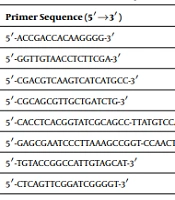
| Name | Sequence (5’ → 3’) |
|---|---|
| SPF3 | GAGAGGGACGAGAGAACC |
| SPB3 | TTGAGGTAGTACCATGAACC |
| SPBIP | AGTTGCTCCAACAACAGGCTGGAAACAAGTACCCAACCTGTTGCCAT |
| SPFIP | CATCTAACCAAGGAACAGATGTAGCAGTAGAACAAAAGTTGTTGTTCCTGAGC |
| lytA (PCR) | F: ATGGAAATTAATGTGAGTAAATTAAGAA |
| R: TTTTACTGTAATCAAGCCATCTG |
3.2. Bacterial Culture and DNA Extraction
3.3. Optimization of LAMP Assay
3.4. Specificity of LAMP and PCR Primers
3.5. Sensitivity and Determination of Detection Limits of LAMP and lytA-PCR Assays
4. Results
4.1. Optimization of LAMP Assay
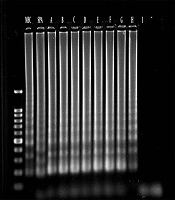
4.2. Specificity of LAMP and PCR Primer
4.3. Sensitivity and Detection Limit of Assays
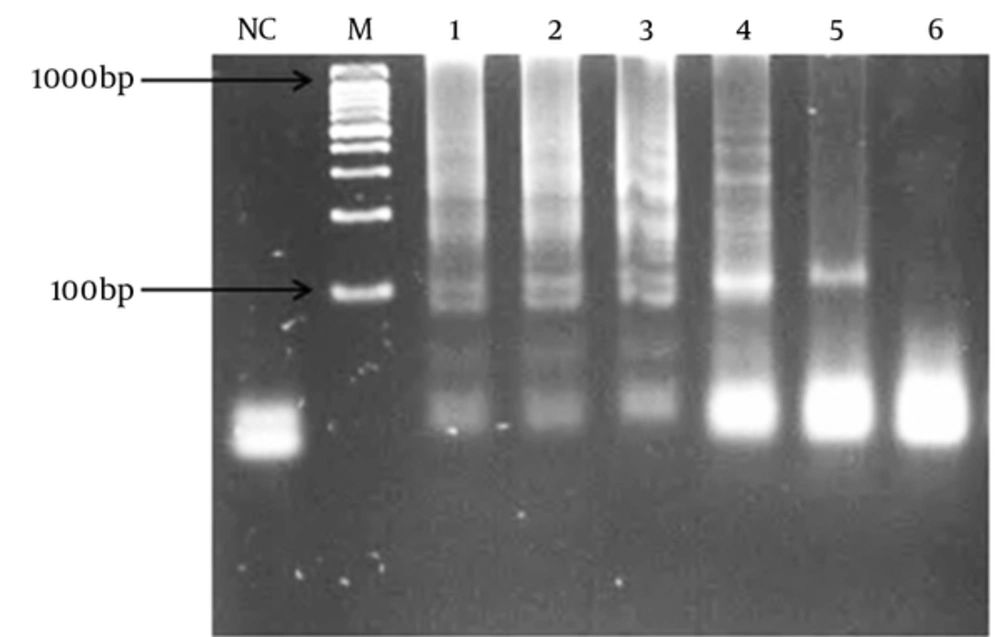
Lane (NC) negative control; (M) DNA ladder 100 bp; (1) 60°C; (2) 61°C; (3) 62°C; (4) 63°C; (5) 64°C; (6) 65°C.
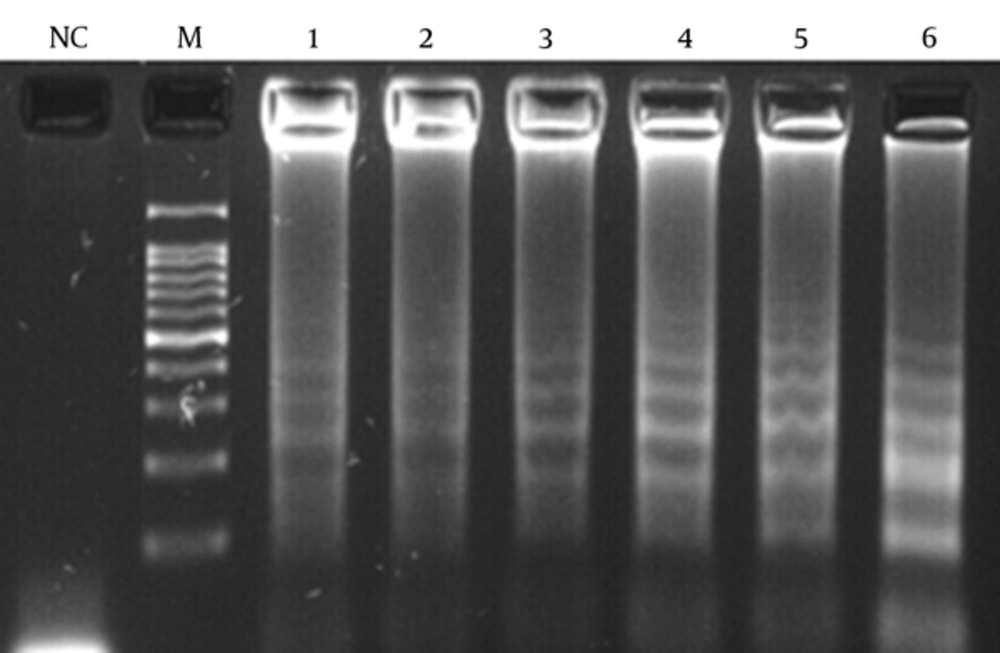
Lane (NC), negative control; (M), 100 bp DNA ladder; the concentration of MgSO4 is (1) 2 mM, (2) 4 mM, (3) 6 mM, (4) 8 mM, (5) 10 mM, (6) 12 mM.
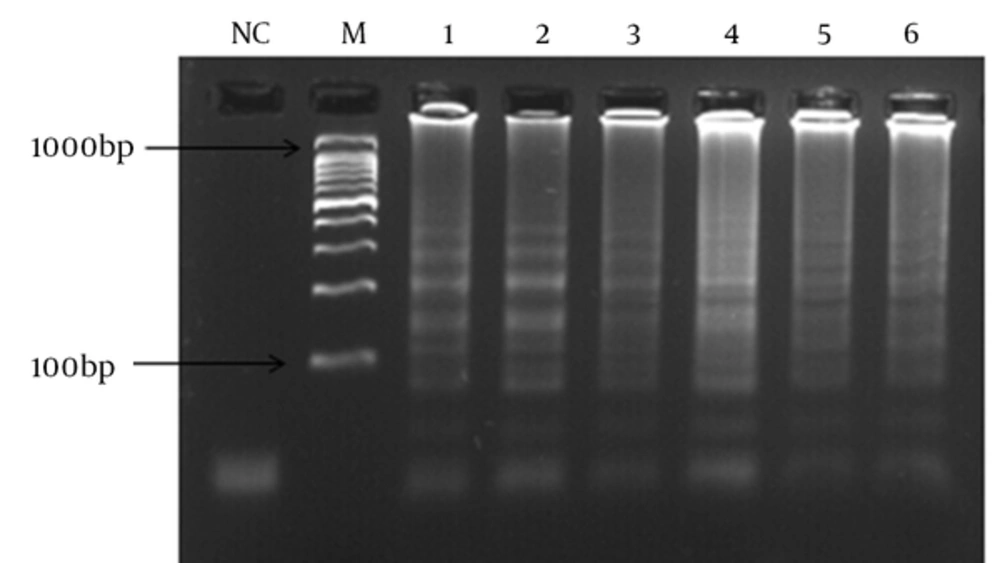
Lane (NC), negative control; (M), 100 bp DNA ladder; concentration of dNTPs is (1) 0.2 mM, (2) 0.4 mM, (3) 0.6 mM, (4) 0.8 mM, (5) 1.0 mM, (6) 1.2 mM.
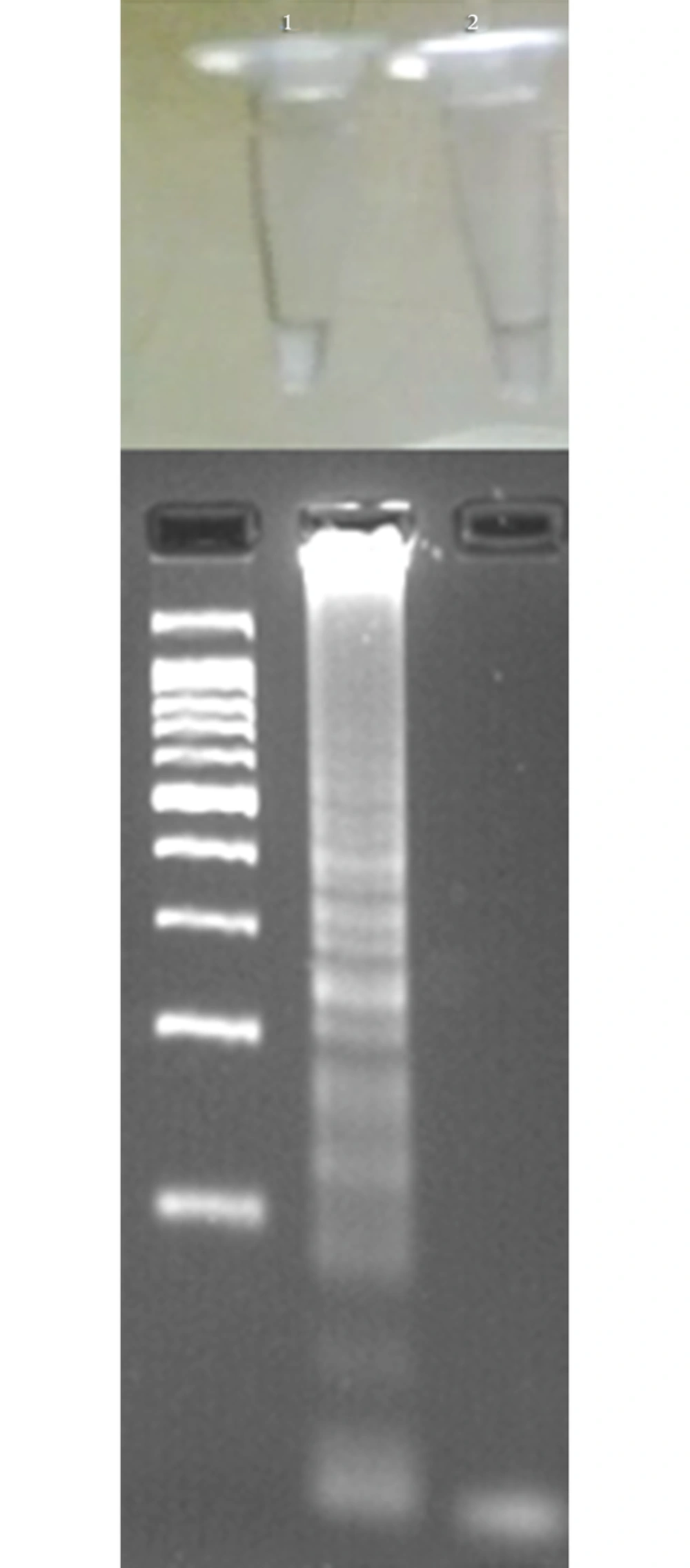
(1) positive reaction; (2) negative control.
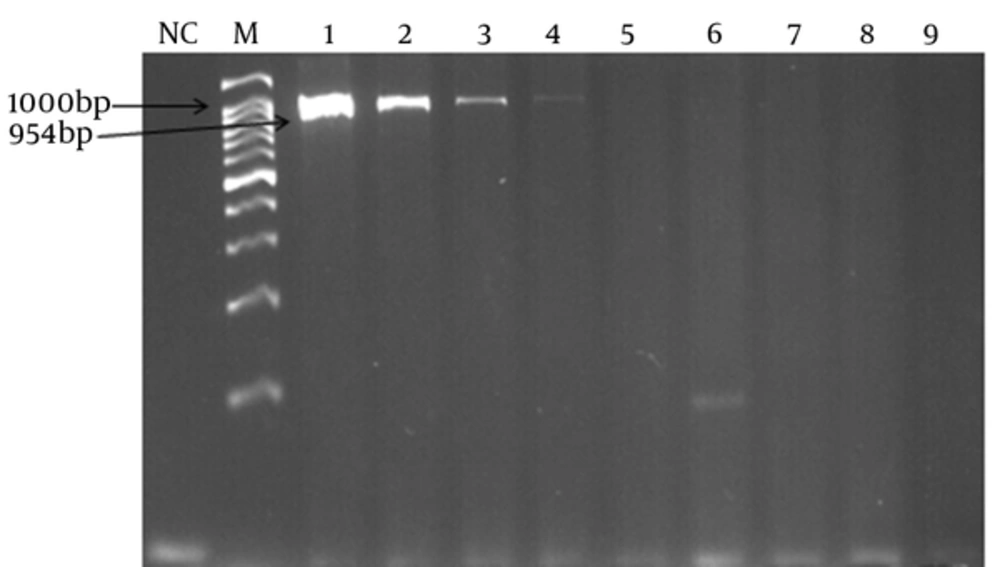
(NC), negative control; (M), 100 bp DNA ladder; (1) dilution of 10-1; (2) dilution of 10-2; (3) dilution of 10-3; (4) dilution of 10-4; (5) dilution of 10-5; (6) dilution of 10-6; (7) dilution of 10-7; (8) dilution of 10-8; (9) dilution of 10-9.
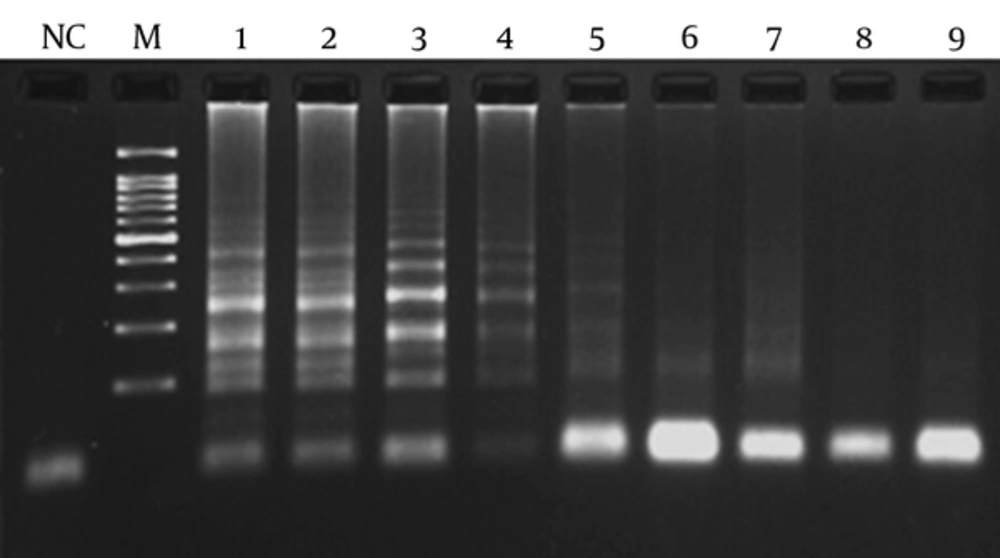
(NC), negative control; (M), 100 bp DNA ladder; (1) dilution of 10-1; (2) dilution of 10-2; (3) dilution of 10-3; (4) dilution of 10-4; (5) dilution of 10-5; (6) dilution of 10-6; (7) dilution of 10-7; (8) dilution of 10-8; (9) dilution of 10-9.