
1. Context
Childhood cancer is recognized as one of the most intricate and demanding chronic illnesses in the global healthcare system. Although major progress has been achieved in early detection, pharmacological treatments, radiotherapy, and bone marrow transplantation, children and adolescents living with cancer often face profound psychological, social, physical, and spiritual challenges (1). The disease affects not only their physical well-being but also disrupts daily routines, family relationships, educational progress, and social participation (2). Quality of life, a multidimensional concept encompassing physical, psychological, social, and functional aspects, plays a vital role in determining treatment outcomes, disease adaptation, and overall prognosis in patients with chronic conditions such as cancer (3). Therefore, an exclusive focus on biomedical and pharmacological treatments, without consideration of psychosocial dimensions, fails to meet the complex needs of children with cancer. This highlights the importance of adopting holistic and human-centered approaches to patient care (4).
Supportive interventions comprise various non-pharmacological strategies designed to alleviate stress, foster psychological adjustment, enhance hope, and improve patients’ overall quality of life (5). Such interventions may include psychological counseling, music and art therapy, spiritual support, family education, relaxation exercises, and mindfulness practices (6). These programs are generally developed and implemented by multidisciplinary teams involving psychologists, social workers, spiritual advisors, play therapists, and specially trained nurses. When applied systematically, supportive interventions can amplify the benefits of biomedical treatments, shorten hospitalization periods, boost patient satisfaction, and ultimately lead to better clinical outcomes (7). Applying these interventions has been shown to positively influence emotional well-being, social interaction, and children’s sense of control over their illness. Nevertheless, despite the growing research in this field, available findings remain fragmented and occasionally contradictory. Hence, conducting a comprehensive and systematic review of supportive interventions and their effects on the quality of life of pediatric cancer patients is both scientifically and clinically essential (8).
The current study seeks to synthesize existing research and provide a critical analysis of the evidence regarding the effectiveness of supportive interventions in improving the quality of life among children and adolescents with cancer. The results are expected to inform the development of care protocols, guide child health policy decisions, and support the design of more integrated interventions within pediatric oncology.
2. Objectives
The aim of this study is to examine the impact of supportive interventions on improving the quality of life of children and adolescents with cancer through a review of existing evidence.
3. Data Sources
This review study aims to comprehensively identify and critically evaluate the impact of supportive interventions on improving the quality of life of children and adolescents with cancer, ensuring a structured, transparent, and reproducible process that included literature searching, study selection, and data synthesis.
3.1. Search Strategy
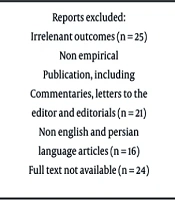
A comprehensive search strategy was applied from January 2000 to October 2025 across multiple databases: PubMed, Scopus, Web of Science, CINAHL, PsycINFO, Embase, and SID, as shown in Figure 1, to identify studies of supportive interventions to improve children's quality of life. Search terms included Medical Subject Headings (MeSH) and related open-text keywords, with no restrictions on year or language of publication (Table 1).
Table 1.
Databases and Search Strategies
| Databases | Search strategy |
|---|---|
| Scopus, Science Direct, CINAHL, PsycINFO | (Neoplasms, Cancer*), (Child, Adolescent, Pediatrics, Children *), (Quality of Life, Life Quality *), (Child, Adolescent, Pediatrics *), (Psychosocial Support, Social Support, Supportive Care*) (combined and using AND and OR intermediaries) |
| PubMed and Web of Science | ("Neoplasms "[Mesh] OR " Cancer "[Mesh]) AND ("Child "[Mesh] OR " Adolescent "[Mesh] OR " Pediatrics "[Mesh] OR " Children "[Mesh])) AND ("Psychosocial Support "[Mesh] OR " Social Support "[Mesh] OR " Supportive Care "[Mesh]) |
| SID, Embase | " Neoplasms ", " Cancer”, " Child ", " Adolescent "," Pediatrics " ," Children ", " Psychosocial Support "," Social Support "," Supportive Care " |
4. Study Selection
4.1. Inclusion and Exclusion Criteria
Inclusion Criteria: Studies were included if they met the following conditions:
- Focus: Children and adolescents (0 - 18 years) with cancer.
- Study Design: Original research including randomized controlled trials, quasi-experimental studies, observational studies, and pilot studies.
- Timeframe: Only studies published between 2010 and 2025.
- Language: English only.
Studies were excluded if they:
- Focused exclusively on adults or mixed populations without separate pediatric data.
- Were non-English publications.
Lacked sufficient information on intervention features or outcomes related to supportive interventions on improving the quality of life of children and adolescents with cancer.
This set of criteria ensured that only studies directly relevant to the impact of supportive interventions on improving the quality of life of children and adolescents with cancer were included in the review, providing a focused and comprehensive synthesis of the current evidence.
5. Data Extraction and Management
A structured data extraction form was developed to ensure consistency and accuracy. Two independent reviewers extracted relevant information from each included study, and any discrepancies were resolved through discussion or consultation with a third reviewer. Extracted data included the following:
- Study identification: Author(s), year of publication, country
- Study design: Type of study (e.g., randomized controlled trial, quasi-experimental, observational, qualitative)
- Population characteristics: Age range, gender distribution, type of cancer, sample size
- Intervention details: Type of supportive intervention (psychological, social, educational, recreational, or multi-component), duration, frequency, and mode of delivery
- Outcome measures: Tools used to assess quality of life (e.g., PedsQL, KIDSCREEN), domains assessed (physical, emotional, social), and key findings
- Results and conclusions: Main outcomes, statistical significance (if applicable), and reported benefits or limitations
- Data Management: All extracted data were organized in a spreadsheet using Microsoft Excel. Studies were assigned unique identification numbers to maintain tracking and avoid duplication. Data were synthesized narratively, grouping interventions by type and mapping their effects on different quality-of-life domains. Summary tables were created to present study characteristics, interventions, and outcomes clearly. Where necessary, qualitative descriptions were used to complement quantitative results due to heterogeneity in study designs and measures.
5.1. Quality Control
To enhance reliability, a random sample of extracted data was cross-checked by a second reviewer. Only studies meeting the predefined inclusion criteria were included in the synthesis. Any missing or unclear information in the included studies was noted and discussed in the narrative synthesis.
5.2. Ethical Considerations
Ethical approval was not required for this narrative review, as it was conducted using publicly available data from previously published studies and did not involve any human participants or interventions.
6. Results
Supportive interventions in this context include a wide range of services, the most important of which are mentioned below:
- Psychological interventions: These include individual or group psychotherapy, cognitive-behavioral therapy, acceptance and commitment therapy, and family counseling, which are used to reduce anxiety, depression, the trauma of cancer diagnosis and treatment, and increase resilience (9).
- Music therapy: The use of music to help express emotions, calm the mind, reduce pain and anxiety, improve sleep, and increase a sense of control in children. Several studies have shown the effectiveness of this method, especially in reducing pain during chemotherapy (10).
- Art therapy: Activities such as painting, crafts, and creative expression help children express their complex emotions, reduce stress, and establish better relationships with caregivers and the treatment team (11).
- Mindfulness and meditation: Teaching breathing exercises, being present in the moment, and mindfulness meditation can effectively reduce anxiety levels, improve a child’s focus, and reduce stressful responses to treatment (12).
- Social interventions and family-centered support: These include support groups for parents, coping skills training sessions for children, and social interaction programs with other patients. These interventions promote a sense of belonging, security, and reduce social isolation (13, 14).
- Spiritual interventions and spiritual care: For some families, addressing spiritual dimensions of life, such as hope, meaning, connection to God, or personal values, is an important resource for coping with the stress of illness. Spiritual counseling services can promote a sense of inner peace and acceptance of the reality of illness.
- Patient and family education: Providing clear, age-appropriate information about the child’s illness, treatment, and coping strategies is an important component of supportive interventions that help increase awareness, reduce fear, and enhance collaboration with the treatment team (15).
Supportive interventions are typically designed and implemented by interdisciplinary teams including a psychologist, social worker, spiritual counselor, play therapist, and trained nursing caregiver. Structured use of these interventions can enhance the effects of biological treatments, shorten hospitalization, increase patient satisfaction, and ultimately improve treatment outcomes (16).
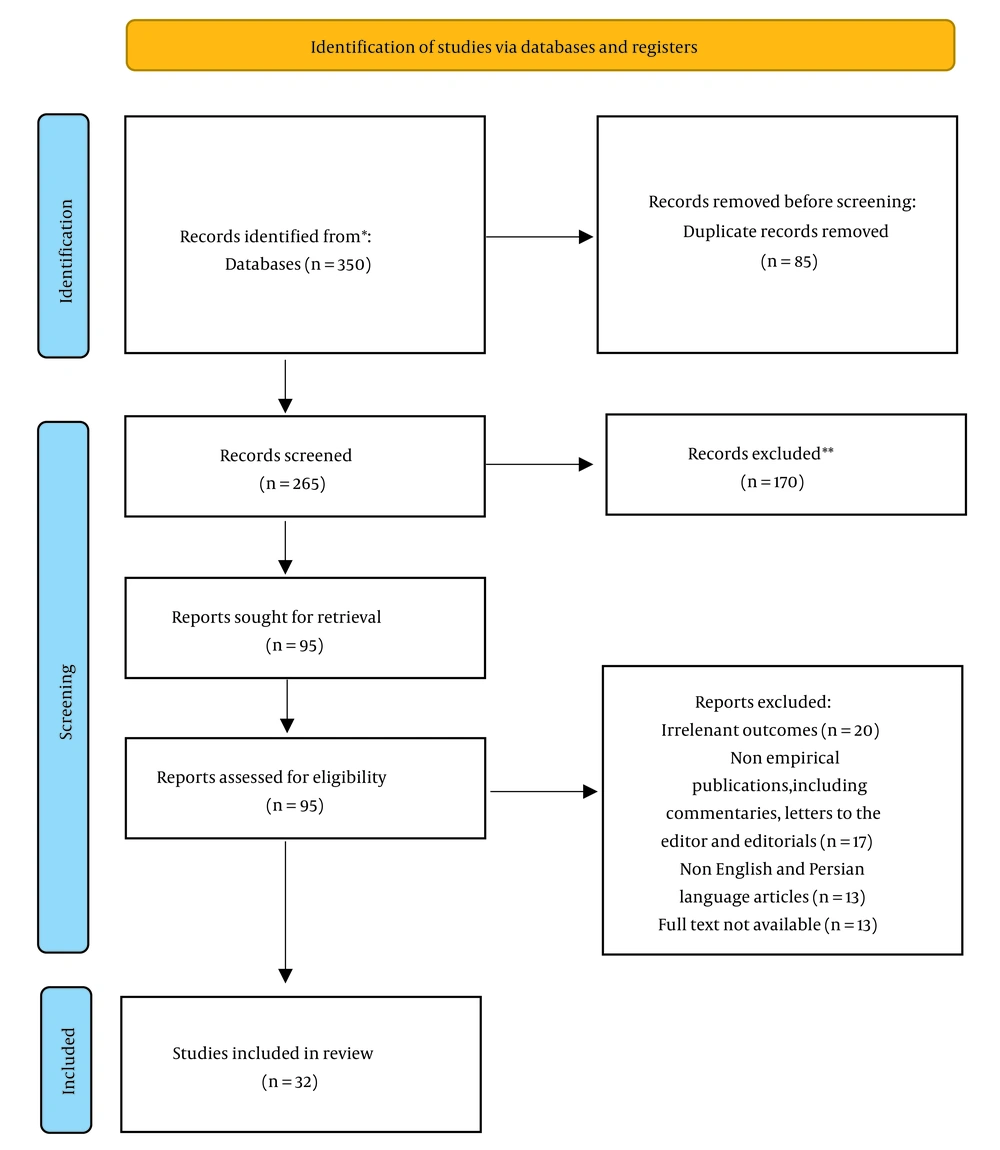
Figure 1.
PRISMA flow diagram (17)
7. Discussion
Cancer in children and adolescents is a serious and chronic condition that affects not only their physical health but also has significant psychological, social, and cognitive consequences (18). This review analyzed the existing evidence on the effects of various supportive interventions on the quality of life of children and adolescents with cancer. The findings indicate that interventions such as psychological support, art-based therapies, exercise programs, and social and educational support play a vital role in improving multiple aspects of these patients’ quality of life (19, 20).
A key finding in this study was the effectiveness of psychological interventions, including cognitive-behavioral therapy, individual and group counseling, and coping skills training (21). These approaches significantly reduced anxiety, depression, and psychological distress, thereby improving patients’ psycho-emotional well-being (22). These results are consistent with previous research showing that structured psychological support can reduce the negative emotional impact of a cancer diagnosis and its treatment (23, 24).
Art-based interventions, such as art therapy, music therapy, and play therapy, were also shown to have positive effects on emotional expression and communication in children and adolescents (25). These programs help patients express emotions, enhance a sense of control, and promote social interaction. Art can be particularly effective as an alternative language for patients with limited verbal skills or severe anxiety (26).
Exercise therapy and controlled physical activity are another important dimension of supportive care. Despite physical limitations caused by chemotherapy or radiation therapy, light and regular exercise can improve physical performance, reduce fatigue, and increase self-confidence (27, 28). Studies indicate that even gentle exercises such as yoga, walking, and breathing exercises can positively affect sleep quality, daily energy, and mood (29).
Social support also played a decisive role in this review. The presence of family, friends, support groups, and healthcare personnel with positive attitudes and effective communication helped reduce feelings of loneliness and increase a sense of belonging (30). Special training for parents and caregivers can also improve disease management and child care, highlighting the importance of considering the family as part of the treatment unit (31).
Cultural beliefs, social structures, and community awareness influence the reception and effectiveness of supportive interventions. In developing countries, limited resources, low public awareness, and stigma associated with cancer can pose obstacles to implementing support programs. Therefore, adapting interventions to the sociocultural context and increasing public awareness of supportive care is essential (32).
Overall, the results indicate that multidimensional supportive interventions, alongside medical treatment, can significantly enhance the quality of life of children and adolescents with cancer. Comprehensive, evidence-based planning is needed to integrate these interventions into treatment pathways. Moreover, conducting further empirical studies in diverse clinical settings, considering individual, cultural, and social differences, can enrich current knowledge in this area.
8. Conclusions
Supportive interventions, such as psychosocial, educational, nutritional, rehabilitative, and spiritual programs, play a crucial role in enhancing the quality of life for children and adolescents with cancer. These interventions empower patients and their families by alleviating anxiety, depression, pain, and fatigue, while also fostering resilience, life satisfaction, and social engagement. The findings suggest that developing and implementing comprehensive, multidimensional, and evidence-based supportive programs should be an essential component of care for this vulnerable population. Moreover, promoting interdisciplinary collaboration and adopting person-centered approaches are advised to maximize the effectiveness of these interventions.