
1. Context
Natural and human-made disasters represent major, complex, and growing threats to public health systems worldwide, causing service disruption, excess morbidity and mortality, and psychosocial consequences (1). The frequency and intensity of disasters, driven by climate change, urbanization, and global interconnectedness, place increasing demands on public health systems to anticipate, withstand, and recover from complex disaster-related shocks (1, 2). Disaster Health Management (DHM) has therefore emerged as a cross-disciplinary field that integrates clinical care, epidemiology, health system governance, logistics, policy, and social-behavioral sciences to enhance resilience and ensure the continuity of essential services during crises (2, 3). Doctoral education plays an important role in developing leaders, researchers, and decision-makers who can translate evidence into policies and interventions that strengthen system preparedness and response. Effective doctoral programs are expected to cultivate competencies across public health domains, including population health assessment, risk communication, health system leadership, emergency policy, and community engagement (1, 4). However, evidence indicates that doctoral programs in disaster health and medicine remain uneven in scope, content, and geographic distribution (2, 5). DHM is a core component of health system resilience because it links risk reduction, preparedness, response, and recovery through coordinated governance, trained human resources, and interoperable operational plans. Strengthening DHM education can reduce preventable morbidity and mortality by improving decision-making, communication, surge capacity, and the continuity of essential health services during disasters (5).
A global mapping of Health Emergency and Disaster Risk Management (Health-EDRM) competencies and curricula identified substantial variability in training content and pedagogical approaches, with limited systematic coverage of essential domains such as health equity, emergency policy, environmental health, and health system strengthening (2). Similarly, reviews of postgraduate disaster health education have shown that such programs are concentrated in high-income countries and strongly focused on clinical response, with less emphasis on broader public health competencies (5, 6).
International frameworks, such as the Sendai Framework for Disaster Risk Reduction 2015 - 2030 and the United Nations Sustainable Development Goals (SDGs), explicitly emphasize resilient health systems and qualified human resources as prerequisites for effective disaster risk reduction and sustainable development (3, 4). Although these frameworks provide high-level policy direction, they implicitly assume the existence of an advanced academic workforce capable of translating disaster risk reduction principles into health system governance, research, and evidence-informed policy. However, limited empirical evidence exists on whether current doctoral-level educational programs in DHM are structured to meet these expectations, particularly with respect to public health leadership, intersectoral coordination, and system-level competencies emphasized by global agendas (2, 5, 6).
Although core competencies for disaster medicine and public health have been proposed, their adoption in doctoral curricula remains inconsistent and regionally fragmented (6, 7). These observations indicate a critical gap between the competencies required for resilient systems and the content, scope, and evaluative rigor of existing doctoral-level DHM programs. Therefore, comprehensive mapping of doctoral curricula against international frameworks is needed to identify structural and thematic gaps, regional inequities, and opportunities for harmonization. In health-related academic disciplines, alignment with globally accepted standards is commonly used to support quality control and comparability.
Alignment with internationally recognized educational standards is a common benchmark for curriculum quality and comparability in health-related academic disciplines. For example, the World Federation for Medical Education global standards provide a well-established reference point for undergraduate medical education. This benchmarking logic is similarly relevant to DHM, which operates at the intersection of public health, clinical care, and health system governance. In the absence of widely adopted doctoral-level standards specific to DHM, consensus-based frameworks such as the 2023 Model Core Content of Disaster Medicine offer partial guidance on essential training domains (8). However, these frameworks remain largely clinically oriented and do not fully address the public health and system-level competencies expected of doctoral training in DHM, underscoring the need for a focused evaluation of doctoral curricula through a public health lens.
Collectively, these international frameworks articulate a clear expectation for advanced, research-oriented, and system-focused training in disaster health. Nevertheless, existing literature suggests that disaster-related education remains fragmented, predominantly clinically oriented, and concentrated at sub-doctoral levels, with limited evaluation of how doctoral curricula address public health competencies at a global scale (5, 9, 10). This disconnect between global competency expectations and the actual structure and content of doctoral education represents a critical gap in the evidence base.
Previous studies and reviews have primarily focused on disaster-related education at undergraduate, professional, or short-term training levels. To date, no review has systematically mapped doctoral-level programs in DHM or assessed their alignment with global public health and disaster risk reduction competency frameworks.
This study aimed to conduct a global scoping review of doctoral-level programs in DHM to systematically map their program characteristics, curricular content, and stated competencies and to assess the extent to which these elements align with the World Health Organization Essential Public Health Functions and Health Emergency and Disaster Risk Management frameworks. The review further aimed to identify structural and thematic gaps, as well as regional disparities, in doctoral education related to disaster health.
2. Evidence Acquisition
2.1. Study Design
This study employed a scoping review design based on the Joanna Briggs Institute (JBI) methodological framework for scoping reviews (11, 12) and was reported in accordance with the PRISMA Extension for Scoping Reviews (PRISMA-ScR) guidelines (13). A scoping review approach was selected to systematically map the existing global evidence on doctoral programs in DHM and their integration of public health competencies defined in the World Health Organization Essential Public Health Functions (EPHFs) (1). This design was preferred over a systematic review because of the anticipated diversity in study types, program structures, and geographic settings.
2.2. Objectives and Research Questions
The objectives of this scoping review were as follows:
- To identify and map the global landscape of doctoral-level programs in DHM.
- To assess the extent to which these programs align with the World Health Organization Essential Public Health Functions.
- To identify structural, thematic, and regional gaps in doctoral education related to disaster health.
Accordingly, the review addressed the following research questions:
- RQ1: What are the structures and characteristics of doctoral programs in DHM worldwide?
- RQ2: To what extent do these programs align with WHO-defined public health competencies?
- RQ3: What thematic gaps and regional disparities exist in relation to WHO and UNDRR disaster risk reduction frameworks (1, 3)?
Research Question 2 focused on assessing the degree of alignment between existing doctoral programs and WHO-defined public health competencies. Research Question 3 extended this assessment by synthesizing cross-cutting thematic gaps and regional disparities in relation to broader WHO and UNDRR disaster risk reduction frameworks.
2.3. Eligibility Criteria
2.3.1. Framework for the Review
Following JBI methodological guidance (11), this review applied the Population, Concept, and Context framework to ensure clear scoping and methodological rigor.
2.3.1.1. Population
The population comprised doctoral-level educational programs, including PhD, DrPH, or equivalent programs, focused on disaster health management, disaster medicine, or public health in disaster contexts. These programs are intended for professionals, researchers, and leaders involved in governance, preparedness, and health system resilience during emergencies and disasters.
2.3.1.2. Concept
The competency framework was consistently defined according to the World Health Organization Essential Public Health Functions and disaster risk reduction competencies. The primary focus was the incorporation of public health competencies into doctoral curricula in DHM. The review evaluated program alignment with the 12 WHO EPHF domains, including population health assessment, risk communication, workforce training, disaster preparedness, and policy development (1).
2.3.1.3. Context
The context included universities and other institutions worldwide that offered doctoral programs in disaster health management. Programs from diverse global higher education settings were considered, regardless of instructional modality, including on-campus, blended, and online formats. This framework guided the inclusion criteria, search strategy, data charting, and synthesis, ensuring consistency and comprehensiveness throughout the review process. Search terms were refined accordingly and iteratively tested.
2.3.2. Inclusion Criteria
Peer-reviewed articles, institutional reports, official curricula, academic theses, and grey literature published between 2000 and February 2026 were eligible. This period was selected to capture both current and emerging trends in the field. Eligible sources focused on doctoral-level training in emergency management, disaster medicine, or disaster health management. The scope was limited to programs that explicitly addressed the public health dimensions of disasters or health system resilience. To maintain consistency and accessibility, only English-language studies and documents were included.
2.3.3. Exclusion Criteria
Sources were excluded if they focused solely on undergraduate or master's-level education, described general public health programs without disaster relevance, were opinion papers, or lacked sufficient methodological or curricular detail.
2.4. Information Sources and Search Strategy
A comprehensive literature search was conducted across PubMed (MEDLINE), Scopus, Web of Science Core Collection, ERIC, and ProQuest Dissertations and Theses Global. Manual searches of the reference lists of included studies were not conducted. The search strategy combined controlled vocabulary, including MeSH terms, with free-text keywords connected by Boolean operators. An example PubMed search string was as follows: "disaster health management" OR "disaster medicine" OR "emergency management" OR "disaster preparedness" AND "doctoral education" OR "PhD program" OR "doctor of public health" OR "postgraduate training" AND "curriculum" OR "competency" OR "education program". Complete and reproducible search strategies for all databases are provided in Appendix 1. The WHO, UNDRR, CDC, and IFRC websites were searched for grey literature. Grey literature searches were expanded to include doctoral dissertations, institutional reports, and policy documents relevant to doctoral-level DHM education. The final search was updated and completed in February 2026 and was verified by a health sciences librarian for accuracy and comprehensiveness.
2.5. Study Screening and Selection
After duplicate removal, titles and abstracts were screened against the predefined eligibility criteria. Full texts were retrieved for potentially relevant records and assessed for final inclusion. Screening was conducted using a structured approach aligned with PRISMA, and reasons for exclusion at the full-text stage were documented. Any uncertainties were resolved through discussion and consensus.
2.6. Source Selection
EndNote 21 (Clarivate Analytics) was used for reference management and deduplication. A two-stage review process was employed: Title and abstract screening according to the eligibility criteria, followed by full-text assessment for final inclusion. Screening was conducted independently by two reviewers, and disagreements were resolved by consensus or by a third reviewer. A PRISMA-ScR 2020 flow diagram documented the search and selection process.
2.7. Data Extraction
Data were extracted using a structured template developed according to the JBI data charting framework (11). Extracted information included author(s), year, country, institutional affiliation, program type, curriculum structure, competencies, learning outcomes, mapping to WHO EPHF domains (1), and pedagogical and assessment approaches, as well as the degree of interdisciplinary or experiential learning integration. Extraction was conducted independently by two reviewers, and discrepancies were resolved through discussion. A primary structured data extraction checklist was developed in Microsoft Excel and used to systematically collect information from each included study. The data extraction form was developed iteratively and refined through reviewer discussion before full data extraction.
2.8. Data Analysis and Synthesis
Descriptive statistics were used to analyze quantitative data, including program frequency and geographic distribution. Qualitative thematic content analysis was conducted through a structured, multi-step process using an inductive-deductive approach. First, relevant text related to curriculum content and competencies was extracted verbatim from each source. Second, open coding was applied inductively to identify key concepts and educational themes. Third, these codes were grouped and mapped deductively onto the 12 WHO EPHF domains. Finally, cross-cutting gaps and underrepresented competency areas were identified through comparative synthesis across programs and regions (14). Analytical comparisons were then performed to identify patterns of convergence, divergence, and absence across curricula. For Research Question 2, alignment was operationally defined according to the extent to which curricular components addressed the WHO EPHF domains. Alignment was categorized as high when a curriculum explicitly addressed eight or more EPHF domains, moderate when four to seven domains were addressed, and low when fewer than four domains were represented. This categorization was used solely for analytical synthesis rather than quantitative scoring. Results were presented in tables and visualized maps to show global trends, disparities, and constraints across countries in doctoral-level DHM education.
2.9. Ethical Considerations
Ethical approval was obtained from the Vice Chancellor for Research of Kerman University of Medical Sciences (IR.KMU.REC.1404.489) before data collection.
3. Results
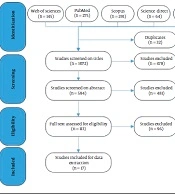
The database search identified 832 records. After removal of 140 duplicate records, 692 articles remained for title and abstract screening. After this stage, 24 articles were selected for full-text review. Following full-text assessment, 16 studies met the inclusion criteria and were included in the final scoping review. Records were retrieved from PubMed (n = 601), Scopus (n = 81), Web of Science (n = 82), ProQuest (n = 45), ERIC (n = 2), and other sources (n = 21). The study selection process is illustrated in the PRISMA flow diagram (Figure 1). The included studies were published between 2004 and February 2026. Most studies originated from high-income countries, primarily the United States (n = 9), European countries (n = 1), and other regions (n = 6) (Table 1).
Table 1.
Summary of Key Findings from Studies Included in the Scoping Review
| First Author | Publication Year | Country/Area of Study or Publication | Key Study Findings Based on Scoping Review Questions (RQ1, RQ2, RQ3) |
|---|---|---|---|
| Algaali et al. (5) | 2015 | Review (Global) | RQ1/RQ2 (Structure/Alignment): Confirms that postgraduate education mainly focuses on clinical and master's-level training rather than doctoral training, highlighting limited alignment with public health competencies. |
| Randazza et al. (9) | 2022 | United States (CEPH-accredited schools of public health) | RQ1 (Structure): Identified a shortage of doctoral programs; only 15% of universities had disaster-related coursework. In addition, 64% of programs were at the graduate certificate level. |
| Ripoll Gallardo et al. (10) | 2015 | Systematic Review (Global) | RQ2/RQ3 (Alignment/Gap): Found that 81.6% of competencies were specific to clinical health care, while only 13% reported intersectoral competencies, indicating misalignment with macro-level WHO/UNDRR frameworks. |
| Perpiñá-Galvañ et al. (15) | 2021 | Europe (Integrative Review) | RQ1 (Structure): Identified the predominance of master's-level and short-term courses in Europe and emphasized the absence of doctoral-level focus. |
| Sandifer et al. (16) | 2023 | United States (Emergency Medicine Residency and EMS Fellowship) | RQ1 (Structure): Confirmed the specialized clinical nature of postgraduate training and the lack of focus on academic doctoral degrees. |
| Ngo et al. (17) | 2016 | United States (Emergency Medicine Residents) | RQ1 (Structure): Described a 3-year simulation-focused curriculum and emphasized specialized clinical training at the medical specialty level. |
| Jacquet et al. (18) | 2014 | United States (IEM Fellowships) | RQ2 (Alignment): Reported that IEM fellowships focus on clinical aspects, implying the importance of obtaining an MPH as an external component for alignment with broader competencies. |
| Sarin et al. (19) | 2019 | United States (Emergency Medicine Residents) | RQ1/RQ2 (Structure/Alignment): Emphasized specialized clinical training through CDME, indicating a specialty focus and limited alignment with broad public health competencies. |
| Ardalan et al. (20) | 2013 | Iran | RQ1 (Structure): Reported higher education initiatives, including the launch of doctoral programs in disaster and emergency health, as a rare example of doctoral-level focus. |
| Bledsoe et al. (21) | 2004 | United States (IEM Fellowships) | RQ2 (Alignment): Reported that IEM fellowships often require an MPH as a prerequisite, suggesting incomplete public health competency alignment within the core program. |
| Loke et al. (22) | 2021 | Hong Kong (Disaster Nursing) | RQ2 (Alignment): Mapped a postgraduate nursing curriculum to specialized ICN competencies, showing alignment with specialized competencies but not with macro-level WHO public health frameworks at the doctoral level. |
| Subbarao et al. (23) | 2008 | Expert Consensus (United States) | RQ2/RQ3 (Gap): Identified a lack of cohesive efforts to integrate competencies across specialties and persistent gaps in leadership and health system training. |
| Evans et al. (24) | 2016 | United States (Emory University) | RQ2/RQ3 (Alignment/Gap): Confirmed the need for broader training in humanitarian emergencies at the master's level; however, such training was not offered at the doctoral level and remained focused mainly on clinical emergencies. |
| Van Groenou et al. (25) | 2006 | United States (Emergency Medicine Residency) | RQ3 (Gap): Implemented the ACES curriculum, emphasizing reflection on care roles at public health and political levels and representing an attempt to address macro-level training gaps. |
| Eteng et al. (26) | 2024 | Africa (Africa CDC Center) | RQ1 (Structure): Designed an advanced competency-based curriculum with 3 domains and 10 subdomains for the PHEM fellowship, representing an advanced non-doctoral training structure. |
| Tay et al. (27) | 2025 | Taiwan and United States (Emergency Medicine Residency) | RQ2 (Alignment): Compared disaster medicine competencies in clinical medical specialties, showing a regional and specialty focus on clinical aspects that reduces alignment with macro-level competencies. |
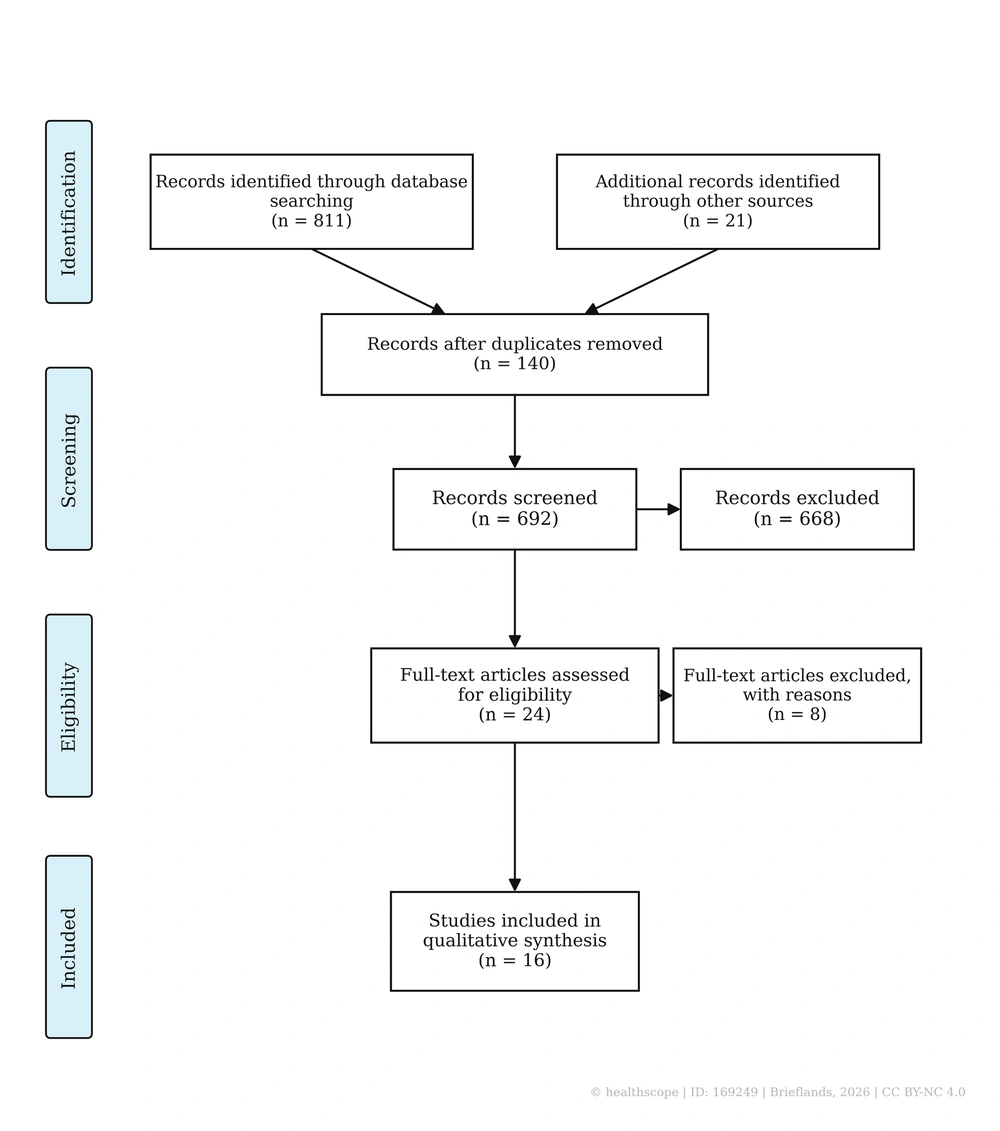
Figure 1.
PRISMA flow diagram for the scoping review process adapted from Peters et al. (12).
The included studies reported limited availability of doctoral-level PhD or DrPH programs explicitly focused on DHM. Most identified educational initiatives were structured as short-term courses, graduate certificates, or master's-level programs. Table 1 summarizes the characteristics and key findings of the included studies across the three research questions. Studies were excluded because they did not focus on doctoral-level education, lacked disaster health content, or provided insufficient curricular information.
3.1. Characteristics of Doctoral-Level Disaster Health Management Programs
This subsection presents findings related to Research Question 1, which examined the characteristics of doctoral programs in DHM worldwide.
Analysis of postgraduate training programs indicates that the academic doctoral model, including PhD or DrPH programs, remains marginal within global higher education systems as a dedicated and comprehensive model for DHM. The dominant paradigm focuses on specialized, short-term, or master's-level training.
In the United States, a systematic review of Council on Education for Public Health-accredited schools and public health programs reported that only 15% of institutions, or 29 of 191, included disaster-related coursework in their program portfolios (9). Notably, almost two-thirds of these educational activities (64%) were graduate certificates, suggesting an emphasis on specialized, concentrated training rather than the development of independent doctoral structures (9). This pattern of limited doctoral focus was corroborated in an integrative review of European programs, which identified the predominance of master's-level training and short-term specialized courses as a core characteristic (15).
Existing advanced training structures are primarily designed to train clinical specialists. This is evident in specialized International Emergency Medicine (IEM) and Emergency Medical Services (EMS) fellowship programs, which emphasize acute clinical and emergency response skills (16, 17, 18). Although these skills are crucial for response, such models differ fundamentally from PhD- or DrPH-level research and policy mandates aimed at systemic leadership and large-scale risk reduction (5, 19). Despite this global deficit, evidence of the development and launch of doctoral programs in disaster and emergency health has been reported in Iran, representing a rare example of doctoral-level concentration at a regional scale (20). The geographic distribution of identified doctoral-level programs is presented in Figure 2.
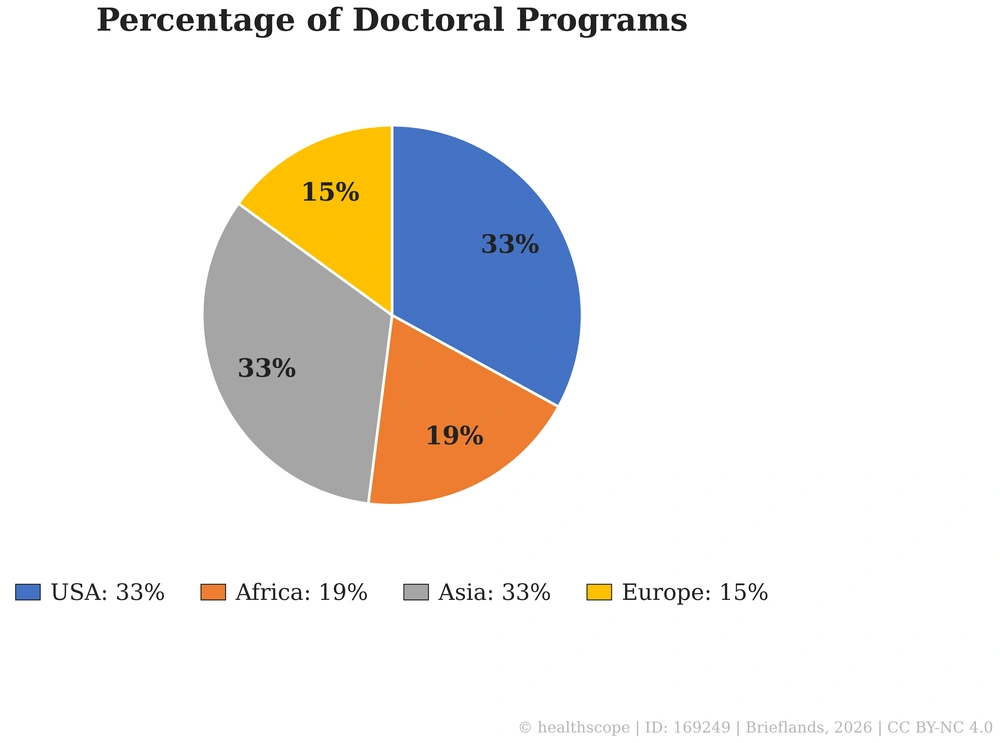
Figure 2.
Geographic distribution of identified disaster health management doctoral programs worldwide
3.2. Alignment With WHO Essential Public Health Functions
This subsection presents findings related to Research Question 2, which examined the extent to which doctoral-level DHM curricula align with the WHO Essential Public Health Functions.
Based on the predefined alignment criteria, most doctoral-level programs demonstrated low alignment, meaning that fewer than four WHO EPHF domains were explicitly addressed in their curricula.
A comprehensive systematic review of existing competency sets documented this divergence, finding that the overwhelming majority of competency resources (81.6%) explicitly focused on the health care sector, particularly clinical care (10). This strong focus on clinical aspects comes at the expense of broader public health dimensions, including governance, policy, population epidemiology, and prevention, which form the core of WHO competencies for public health management in disasters (5). This misalignment is further underscored by the fact that only 13% of resources reported intersectoral competencies, which are essential for successful and comprehensive disaster risk reduction implementation (10).
Additional indications of non-alignment were observed in the structure of specialized programs. IEM fellowship programs often require the acquisition of a Master of Public Health degree as an external, supplementary, or prerequisite component to cover broader public health competencies (18, 21). This approach implicitly confirms that existing specialized programs do not inherently provide full alignment with overarching WHO public health competencies and therefore require an external degree. Although efforts have been made to map nursing curricula to specialized disaster nursing competencies, including the International Council of Nurses Core Competencies in Disaster Nursing, this adherence remains discipline-specific and is not sufficiently broad to ensure alignment with macro-level international WHO frameworks for doctoral programs (22). This analytical mapping enabled systematic patterns of emphasis and omission across curricula to be identified, rather than producing only a descriptive list of educational content.
3.3. Identified Gaps in Doctoral-Level Disaster Health Management Education
This subsection presents findings related to Research Question 3, which examined thematic gaps and disparities in doctoral-level DHM education in relation to WHO and UNDRR frameworks.
The identified gaps were associated with training programs and included insufficient attention to systemic leadership capacities, lack of professional integration, and an imbalanced focus across phases of the disaster cycle.
3.3.1. Gap in Systemic Leadership and Policy Competencies
The reports indicated persistent gaps in education, training, and leadership at multiple levels of the health system (23). This implies that postgraduate programs, particularly at the doctoral level, have not sufficiently focused on training leaders capable of guiding systemic research and formulating macro-level disaster risk reduction policies at national and global scales (24).
3.3.2. Lack of Professional Integration and Cohesion
An expert survey working group consensus reported the absence of cohesive efforts to integrate competencies across all health specialties and professions involved in disaster medicine (23). This lack of coordination has led different professions to define and practice disaster-related work differently, making it difficult to adopt the multisectoral disaster risk reduction approach strongly recommended by WHO and UNDRR (23).
3.3.3. Imbalanced Focus on the Disaster Cycle
Although the need for advanced training in humanitarian emergencies is recognized, curricula tend to disproportionately focus on clinical response and recovery, whereas UNDRR disaster risk reduction principles emphasize prevention and preparedness as key phases (24). Nevertheless, efforts have been made to integrate domains beyond clinical care, such as ethics, public health, and policy, into training programs, indicating recognition of the need to address broader thematic gaps (25). These differences make it difficult to achieve WHO and UNDRR goals for disaster risk reduction.
4. Conclusions
4.1. Summary of Main Findings
The findings of this scoping review indicate that DHM within the global higher education system remains in an emerging and fragmented stage and lacks the strategic cohesion needed at the doctoral level. The limited number of doctoral-level programs identified in this review suggests that DHM has not yet been institutionalized as a distinct academic discipline at the highest level of training. This pattern reflects broader structural priorities in disaster education that favor short-term and clinically oriented training over doctoral-level research, policy development, and system-level leadership. It also suggests a historical emphasis on clinical and reactive skills rather than on the development of research, policymaking, and systemic leadership capacities that are essential for long-term disaster health resilience.
Furthermore, examination of alignment between educational content and the WHO public health competency framework showed that most existing programs cover only a fraction of the intersectoral and system-based requirements of this framework. More than 80% of resources and programs focused on clinical training, and only about 13% addressed intersectoral competencies. This result indicates a substantial gap between current specialized education and the actual needs of disaster risk management at the health system scale.
The findings revealed a structural anomaly in global higher education, manifested as a severe shortage of doctoral PhD or DrPH programs focused on DHM. Moreover, the review of available educational resources identified a notable discrepancy with the extensive and systemic public health competencies defined by WHO. This lack of alignment highlights persistent thematic gaps relative to the broader disaster risk reduction goals of WHO and UNDRR.
Content analysis also showed that educational programs are unbalanced, with a strong emphasis on the response and recovery phases of the disaster cycle, while prevention, mitigation, and preparedness, which are emphasized as key pillars of disaster risk reduction in WHO and UNDRR documents, receive less attention.
Analysis of the extracted data indicated that focused and comprehensive doctoral programs in DHM are rare within global higher education systems, as reflected by the finding that only 15% of institutions in the CEPH sample had relevant curricula and that short-term certificates or master's degrees dominated the field. This result has technical and theoretical implications: the current educational structure primarily responds to specialized and clinical needs rather than to knowledge generation and systemic leadership at the doctoral level. Scientifically, this situation may contribute to a shortage of long-term research and policymaking capacity in disaster risk reduction.
A sustainability assessment indicated that this finding was based on descriptive data and a review of 16 studies. Therefore, the results are sensitive to the definition of a "focused doctoral program" and to regional differences, and they may change if different criteria are used, such as the inclusion of interdisciplinary doctorates. The relatively unexpected case of doctoral program launches in Iran can reasonably be explained by national policies aimed at strengthening higher education and regional prioritization. Other possible explanations include local research efforts or targeted investment in education.
The findings demonstrated that disaster management postgraduate programs generally showed low alignment with WHO macro-level and intersectoral competency sets. For example, 81.6% of competencies focused on the clinical care sector, and only 13% were reported as intersectoral. This finding suggests a potential structural divergence between existing educational content and public health system needs for disaster risk reduction, although it should be interpreted cautiously given the limited number of included studies. Plausible mechanisms include the historical focus of programs on clinical training, limited interdisciplinary capacity among faculty members, and certification or labor market requirements. The official WHO Health EDRM framework is a primary reference for updating postgraduate programs in alignment with WHO frameworks (28).
The findings highlighted key thematic gaps in relation to WHO and UNDRR frameworks, including lack of professional integration, insufficient systemic leadership competencies, and an unbalanced focus on response and recovery rather than prevention, mitigation, and preparedness. Scientifically, this pattern implies weakened system capacity for prevention and risk reduction at intersectoral and policymaking levels. Plausible mechanisms include siloed and micro-sectoral educational structures, lack of training pathways for system-based leaders, and prioritization of short-term programs for clinical response.
4.2. Comparison with Previous Studies
Algaali et al. (2015), in "Postgraduate Education in Disaster Health and Medicine," showed that only a small number of specialized doctoral programs in disaster health exist globally and that programs are mainly offered at the master's level or as short courses (5). This finding is consistent with the present study. Although that study was a descriptive narrative review and did not include statistical information, its strength lies in providing an initial overview of higher education in disaster health.
Hung et al. (2024), in "Mapping Study for Health Emergency and Disaster Risk Management Competencies and Curricula," used a systematic review and a survey of 65 experts and found that few disaster health doctoral programs exist, with training mainly focused on short-term practical education (2). Their results were similar in direction to our findings, although their focus was more on the health workforce than on higher education structures.
Furthermore, Rokvić and Stanojević (2024), in "Disaster Risk Reduction Education Through Digital Technologies," confirmed the absence of specialized doctoral programs in disaster management through an analysis of security and defense programs in Serbia (29). Therefore, existing evidence and documentation confirm the shortage of doctoral programs, although they often lack precise quantitative data and a specific focus on disaster health education. The present study helps address this quantitative and policy gap by providing systematic global-scale data.
Didham and Ofei-Manu (2020), in "Adaptive Capacity as an Educational Goal to Advance Policy for Integrating DRR Into Quality Education for Sustainable Development," stated that existing disaster risk reduction training mainly focuses on theoretical knowledge, while systemic skills and attitudes are less visible (30). This result is consistent with our findings regarding the dominance of clinical competencies at 81.6% and the shortage of leadership skills, reflected by the 13% intersectoral competency finding. Eze and Siegmund (2024), in "Next-Generation Core Competency Gaps for Disaster Risk Management and Preparedness in UNESCO-Designated Heritage Sites," also identified significant gaps in leadership and systemic thinking competencies through a specialist survey (31). Their quantitative method and statistical significance tests increase the validity of these findings.
Additionally, Mutseekwa and Razuwika (2023), in a qualitative study at Zimbabwean universities, reported an unbalanced distribution of competencies in disaster management educational programs (32). Thus, although existing studies emphasize the lack of key competencies, most were limited to pre-service or undergraduate education. The present study adds scientific value by quantifying the degree of competency alignment at the postgraduate level and linking it to the shortage of doctoral programs.
4.3. Interpretation and Implications
Tyas et al. (2025), through a global review of disaster risk reduction education programs, showed that the focus is often on response and recovery phases, with mitigation and preparedness components included less frequently (33). This result aligns with our findings. Similarly, Pant (2024), in "Disaster Risk Reduction Education From Social Disciplinary Theoretical Perspectives," reported that structural and policy dimensions receive less attention in educational programs in Nepal (34). Sheehy et al. (2024), in research on inclusive disaster risk reduction education for Indonesian children, also emphasized that program content focuses more on awareness and reaction than on the development of systemic resilience and leadership (35). Therefore, these studies show a similar trend across educational levels, whereas the present study fills a gap in the literature by focusing on doctoral-level DHM and providing a quantitative explanation of this imbalance.
These findings are consistent with prior evidence highlighting the importance of structured health workforce development policies in strengthening public health system capacity, particularly in disaster-prone contexts (36).
4.4. Theoretical and Policy Implications
Given the existing gap in educational systems for training senior specialists in DHM, creating focused doctoral programs in this area is necessary and can help establish a new generation of scientific and policy leaders. Launching pilot programs in selected universities and supporting them through research scholarships and laboratory infrastructure may provide a basis for evaluating and localizing the educational model.
Although the shortage of specialized faculty members and structural academic resistance are key obstacles, joint educational programs with international universities and the use of financial incentives may mitigate these challenges. The study by Algaali et al. (2015) confirms the need to create such programs (5).
4.5. Limitations
The inclusion of only English-language sources may have introduced language bias and led to underrepresentation of doctoral programs and curricula published in other languages, particularly from low- and middle-income countries.
Methodological limitations associated with this analysis include the descriptive, non-inferential nature of the scoping review and the diversity of methodologies in the source studies, which affected generalizability. Furthermore, non-uniformity in reported competency criteria and the potential for publication bias in the reviewed sources may have affected the evidence analysis. Finally, because scoping reviews rely on published documentation, there may be unequal access to unreported or grey program information that could have altered the presented findings.
In addition, the relatively small number of included studies (n = 16) limits the robustness and generalizability of the findings. However, this scarcity also reflects the limited documentation and availability of doctoral-level programs in DHM globally, which is an important finding of this scoping review.
4.6. Final Conclusion
This review provided a comprehensive overview of the status of higher education in DHM, indicating that despite growing global attention to health system resilience, this field still lacks the necessary coherence and depth at the doctoral level. The results showed that existing educational structures are overly focused on specialized and clinical training, while leadership, policymaking, and intersectoral competencies that are essential for achieving WHO and UNDRR frameworks receive insufficient attention. Updating postgraduate programs according to the WHO Health EDRM framework and adapting curriculum content to intersectoral competencies are fundamental steps toward improving the quality of education in disaster health. Furthermore, the dominance of response and recovery phases in the disaster cycle reflects a fundamental weakness in institutionalizing prevention and preparedness training at advanced educational levels. Consequently, the higher education system in disaster health has not yet established its role as a driver of policy and research development in disaster risk management. From a strategic perspective, this scoping review emphasizes the need to transition from a clinical educational model to a systemic and leadership-oriented model.