
1. Background
A healthy lifestyle requires a wide range of abilities and competencies and nutrition literacy, which is people’s capacity to acquire, process, and comprehend dietary information (1). Given the fact that increased burden of chronic diseases is one of the major challenges of the 21st century that healthcare systems are facing around the world (2, 3) and the very fact that health literacy is a significant social determinant of well-being, it is required to promote nutrition literacy. Inappropriate lifestyle is one of the most influential factors involved in the incidence of diseases (4, 5). Increasing evidence indicates that cultural and social factors such as eating habits, literacy and education, knowledge, access to information and society’s nutrition literacy play a significant role in forming healthy eating habits and decision making in this regard. Accordingly, in recent years, culture and nutrition literacy have been highly valued (6). Numerous qualitative studies have been performed on how eating habits are formed around the world. However, according to the current studies, there is a substantial lack of knowledge as to the dietary beliefs among various Iranian ethnicities.
Since eating habits are a set of beliefs and behaviors rooted in social values and norms, any plan to improve eating habits requires a deep understanding and recognition of the cultural context. Numerous qualitative studies have investigated viewpoints (7-9) experiences and beliefs (10), mothers’ management of eating habits (11), nutrition education (12), and barriers to healthy dietary behaviors (13).
Since efficient education requires the knowledge of behaviors and influential factors to modify or change the current behaviors, the use of educational models and theories is of utmost importance. The social marketing model is an appropriate framework with a systematic approach in the domain of teaching eating habits (14, 15). Customer-centric programs lead to favorable behavioral changes and they form the strongest conceptual basis for social marketing and a framework for action based on the customer’s behavior.
The marketing mix core concept is known as the four Ps includes product, price, place, and promotion. These key elements of social marketing are central to the planning and implementation of an integrated marketing strategy. Many studies have used this social marketing framework to analyze customers’ perspectives on the four principles of the model (16, 17). Considering the diversity of eating habits in various cultures and the unknown eating habits and their associated reasons in Sanandaj City and the very fact that women’s health literacy is vital for the promotion of family health, women are identified as the primary population involved in nutritional health.
2. Objectives
Hence, the present study was carried out to examine the impact of social marketing model on improving the nutritional knowledge and dietary behaviors of women in Sanandaj City, Iran, in order to empower people and to promote health in the society.
3. Methods
This study was performed with a mixed-methods sequential exploratory design in 2016 in Sanandaj. The first phase of the study, the qualitative part, was performed via directed content analysis within the framework of the four principles of the social marketing model. To identify the components of the social marketing-based intervention (which product, what price, where, and which promotion method), the perspectives and opinions of the study groups were required to be evaluated. The participants comprised of 50 married women aged 18 - 50 years visiting four healthcare centers of Sanandaj City. They were selected through the purposive sampling method. They participated in the study voluntarily and signed an informed consent form. Interviews were continued until reaching data saturation to ensure the adequacy of the study samples. Interviews were conducted by the first author who is a qualitative researcher in four healthcare centers. The required data were collected by semi-structured questionnaires using group discussion and deep personal interviews in the framework of social marketing model.
Data were gathered during eight individual interviews and five group discussion sessions with a minimum of six and maximum of 10 participants in each group. Considering the conditions of the interviews, group discussions lasted 1 - 2 hours and individual interviews took 1 - 1.5 hours. The interviews were initiated by asking general questions based on the constructs of the model. For example, how do you define a healthy diet? or what do you do to have a healthy diet? Then, deeper follow-up questions in line with the research objectives were asked, such as what are the benefits of a healthy diet?, who is responsible for your healthy diet?, what are the barriers to a healthy diet?, what factors facilitate a healthy diet?, and where and how do you prefer to obtain more information about eating habits?
Having collected the data, directed or theory-oriented content analysis was carried out (Shannon Hsieh, 2005). In directed content analysis, the primary codes originate from a theory or the findings of similar studies. This kind of analysis aims to validate or develop a conceptual framework or a former theory. Operational definitions for each category were determined by the given model. At the end of each session, the interview content was transcribed verbatim. In order to make a general sense of the interview as well as to immerse in the data, the researcher listened to the interview and read the transcription several times to gain a deep and correct understanding of the data. Then, encoding (converting the meaning units to shorter statements that manifested the intended concept) was performed and the obtained codes were reviewed to determine the similarities and differences, to combine the similar codes, and to make subcategories. Next, the subcategories were classified according to similarity, fitness and difference, and categories were extracted. Finally, categories, subcategories, codes, and data were reviewed and major themes of the study, social marketing constructs were extracted.
MAXQDA-10 software was used for grouping, encoding, and classification of the texts obtained from the interviews. To test the validity and reliability of the qualitative data, prolonged engagement in the field helped to establish some trust and rapport with the participants and to provide an opportunity to collect data. To make sure that the analysis reveals perspectives and opinions of the study groups, member checking was performed during data collection, and if needed, some changes were made. To confirm dependability and conformability of the data, the interviews and results of the analyses, including, the initial codes, subcategories and the categories of social marketing model, were audited by the external check method using two authors (the first and second author) expert in health education and familiar with social marketing model. Maximum variation of sampling also confirmed the conformability and credibility of the data. Sampling strategies allowed for maximum variation to occur and a vast range of views and perspectives to be considered (Polite and Hunger, 1999).
Based on the concepts obtained from the qualitative study, two questionnaires were extracted: nutritional literacy scale with a public health approach and eating behavior questionnaire. The nutritional literacy scale included 23 multiple-choice items. It was structured based on Harvard Healthy Food Pyramid. The questionnaire’s questions measured individual nutrition literacy. In addition, they measured the dimensions of access to nutrition and social support both of which are regarded as the main indicators of health literacy. Although the available tools measure health literacy based on clinical and therapeutic viewpoints, the present research explores health literacy from the viewpoint of health promotion and public health. Furthermore, the present research, investigates broader dimensions such as individuals’ lifestyles and informed decisions. The eating behavior questionnaire was based on the social marketing constructs and comprised of 53 items scored based on five-point Likert scale ranging from 1 to 5, “completely agree” to “completely disagree”. The validity of the nutrition literacy questionnaire was 0.7 and the results of R-test were as follows (P = 0.012, r = 0.75). The validity and Cronbach’s alpha reliability of the nutrition behavior questionnaire were 0.8 and 0.78, respectively. The questionnaire was given to 14 experts in the field to be evaluated.
The reliability of the nutritional literacy scale was evaluated by the test-retest method and the reliability of the dietary behavior questionnaire was confirmed by the Spearman Brown formula, which was found to be larger than 7.0 for all indices. The quantitative phase of the study was an experimental trial with a control group. The sample size of the current study was calculated to be 752 participants. The study population comprised of married women aged 18 - 50 years under the supervision of four healthcare centers in Sanandaj City, Iran. The inclusion criteria were as follows: physical and psychological readiness, ability to participate in the study, and age between 18 and 50. Lack of desire to participate in the study, significant psychological problems, and hearing loss were set as the exclusion criteria. The participants were allocated to the intervention and control groups using the randomized block method. In this method, blocks with six sub-groups were used. Among 15 possible cases and by using random number table, 63 blocks were selected. Then, based on the order of blocks, the subjects were placed in the intervention and control groups. The process continued until it reached the sample size of 376 individuals. Regarding the blinding method, the subjects and the statistical processors were not aware of their group allocations. The components of nutritional literacy interventions were designed according to the concepts extracted from the qualitative study. Intervention activities were carried out based on the healthy nutrition pyramid (Harvard). Such activities were applied to the social marketing model which itself includes a chain of five stages: planning, determining messages and posts, testing, implementation and evaluation.
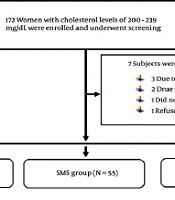
The First Stage: In order to identify the intervention components based on social marketing (which product, what price, where and which promotion method), it was required to obtain the viewpoints of the target group. Collecting the essential data for this analysis, the research was carried out based on a developmental study. The research included a qualitative study of continuous exploration type and a content analysis method. The nutrition literacy interventions were planned based on the demands of women who are customers of social marketing themselves. The duration of formal educational sessions for the intervention group was three months. The aforementioned sessions were held twice a week and at least for two hours. Since the acquisition of nutritional skills is required for improving nutritional literacy, techniques such as discussion in small groups, brainstorming, role-play and play were employed. Regarding healthy nutrition, health literacy promotion interventions were conducted based on applicable and available cases. The contents of educational interventions included familiarity with Harvard’s food pyramid, its levels, the main characteristics and differences between Harvard’s healthy pyramid and the pyramid of USDA, familiarity with all kinds of whole grains, their cooking and use, the role of whole grains in health, familiarity with the role and importance of fruits and vegetables consumption, familiarity with the way to use proteins correctly, emphasis on increasing the consumption of plant proteins, and decreasing consumption of red meat. At the end of each session, practical recommendations and healthy nutritional skills were explained. The control group received only the routine nutritional education which were offered in health centers. The obtained data were analyzed by SPSS software using chi-square test, paired t-test, independent t-test, Pearson correlation coefficient, and ANOVA test. Flowchart of the phase of the trial is shown in Figure 1.

Figure 1.
Flowchart of the phase of the trial
4. Results
4.1. Qualitative Section
Out of the total number of interviews and discussion groups, 350 initial codes were obtained, which were categorized into four main themes within the framework of structures of social marketing model (i.e., product, place, price, and promotion).
4.2. Product
To determine the best product to design interventions for nutritional literacy promotion based on the social marketing model, the participants were asked to explain their eating habits, behaviors and their demands in this area. In so doing, three categories were extracted including product/behavior, product/demand, and product/benefit.
Price: In order to see the relationship between price and healthy diet, participants were asked to express their experiences and beliefs about barriers which were classified into two subthemes called individual and social barriers.
Place: In order to identify the best place for interventions to improve women’s nutritional literacy, participants were asked to give their opinions. Most of them believed that healthcare centers were the best place for receiving educational interventions.
Promotion: In order to promote healthy eating habits, the participants were asked to put forward some solutions to overcome the possible barriers they may face. They led to three sub-themes including overcoming individual barriers, social ones and the best way to communicate messages.
4.3. Quantitative Section
The mean age of the participants was 35.18 years old. Most of the women (46.3%) were aged 18 - 29 years, 34.3% had diploma and 65% of the intervention group and 52% of the control group had fewer than three children. The mean nutritional literacy score of the intervention group increased from 8.68 before the intervention to 13.52 after the intervention, and that of the control group increased from 8.95 to 9.58, indicating a significant difference between the groups following the intervention (P = 0.002) not before the intervention (P = 0.1; Table 1). The mean eating behavior score increased from 61.32 to 77.37 post intervention in the intervention group and reduced from 62.84 to 62.55 in the control group, revealing a significant difference between the groups after the intervention (P = 0.002) not prior to the intervention (P = 0.05). Moreover, there was a positive correlation between the nutritional literacy scores of women and product/behavior, that is, the healthy eating behaviors of women in the intervention and control groups before and after intervention. There was also a statistically significant difference between the two groups in this regard (P = 0.002; Table 2).
Table 1.
Difference Between the Two Groups After and Before the Intervention in Nutritional Literacy Scorea
| Variable | Intervention | Control | Independent Sample Test | |||||
|---|---|---|---|---|---|---|---|---|
| Before | After | Paired Samples Test | Before | After | Paired Samples Test | Before | After | |
| Nutrition literacy | 68.8 ± 61.2 | 52.13 ± 25.3 | 03.0 | 95.8 ± 612. | 58.9 ± 69.2 | 05.0 | 1.0 | 002.0 |
aValues are expressed as mean ± SD.
Table 2.
Difference Between the Two Groups After and Before the Intervention in Nutrition Behavior Scorea
| Variable | Control | Intervention | Independent Sample Test | |||||
|---|---|---|---|---|---|---|---|---|
| Before | After | Paired Samples Test | Before | After | Before | Paired Samples Test | After | |
| Nutrition behavior | 32.61 ± 89.10 | 37.77 ± 26.7 | 001.0 | 84.62 ± 61.9 | 55.62 ± 54.9 | 05.0 | 05.0 | 002.0 |
aValues are expressed as mean ± SD.
5. Discussion
The main objective of the qualitative study was finding the best product through group discussions and individual interviews. Social marketing aims at modifying the attitude of the audience in the health domain in order to establish a behavioral change for maintaining the health of the individual and the society. The main responsibility of social marketers in the realm of health is ensuring that intervention fulfills the health demands of the customer. The eating habits of women in this study appeared in the form of dietary patterns and consumption style.
Nowadays, the nutritionists make use of dietary patterns to evaluate the overall effect of diet on health outcomes (18, 19). Analysis of dietary patterns helps us to provide people with dietary suggestions because it is easier for them to understand the dietary patterns rather than understanding the nutritional materials translated for them (18-20). Researchers have identified two major dietary patterns, namely “healthy” and “western”. So far, only one national study has investigated the dominant dietary patterns among the female teachers of Tehran (21). The results introduced three major dietary patterns. The findings of the present study indicated that dietary behaviors of most of the participants were based on the western dietary pattern. The dietary pattern of the participants involved high consumption of red meat, refined grains like rice, high-calorie snacks and sweets, processed meat products, and low consumption of fruits, vegetables and whole grains. The similarity of Iranian’s dietary patterns to that of the western countries is not surprising because dramatic changes are occurring in Iran, including their lifestyle, physical activity, and diet, which can be due to increased urbanization and improved economic conditions in the recent years (22, 23).
The results of previous studies about dietary patterns also show a change in the dietary pattern of people, avoidance of a healthy dietary pattern and its association with the incidence of complications like obesity (24), hyperactivity and lack of attention and concentration in children (21) and the incidence of metabolic syndrome (25, 26). Social marketing programs achieve the highest level of success when they are initiated according to the needs and demands of customers. Studies have assessed participants’ demands in line with nutritional programs, including learning nutritional strategies to prevent chronic diseases, especially diabetes (8), trying new dishes (7) and mastery of food preparation skills using easily available foodstuff (27). The results of these studies were in line with some demands of the participants in the present study. A behavior is internalized only when it has an intrinsic reward, that is, when the needs and demands of a person or a group are fulfilled (28). The central notion in social marketing is called exchange theory, which refers to transferring or exchanging something valuable between two persons or groups. What a marketer should do is to perform a top exchange that is socially desirable and easily achieved.
The findings of the current study showed the participants’ perception of the benefits and advantages of a healthy diet. Benefits are related to positive outcomes in which target consumers believe will occur upon compliance with performing the behavior. The participants’ opinion about the benefits of a healthy diet involved such concepts as the effect of healthy diet on mood, bone, prevention of anemia, and heart. These findings were in agreement with those of previous studies (29-31). Undoubtedly, recognition of factors facilitating a healthy eating from the viewpoint of customers will help to formulate appropriate intervention strategies. The participants of the present study considered education as one of the most significant factors facilitating a healthy diet and believed that practical trainings could increase their understanding of the benefits of a healthy diet, leading to a sustainable and healthy eating habit. It is quite clear that education improves healthy eating, and there is sufficient evidence to support this issue. However, there are many studies indicating that education alone cannot bring about a sustainable behavior; that is to say, the presence of other factors and components are required. In this respect, the results of this study are indicative of the impact of social determinants and facilitators of a healthy eating. The participants believed that in a wider perspective, social factors like affordable and accessible foodstuff could facilitate their healthy diet.
Kumpel examined the effect of personal and social determinants on the acceptance of a healthy eating behavior and reported factors like correct knowledge and attitude toward health, price of foodstuff, peer pressure and healthy food as the determinants that affect the acceptance of a healthy eating behavior (32). Considering the important role of personal and social facilitators in a healthy dietary behavior, health professionals should provide healthcare personnel with the required trainings in order to supply the necessary facilities for following a healthy diet. In addition, organizational and social strategies in line with such factors as the cost of foodstuff and their availability are required to be taken into account. Costs are another aspect of exchange for customers. For anyone in any situation, any action has a cost. Inflation and economic problems were a notion that the majority of the participants reported as the most important barrier to a healthy diet. In a study by Parker, most of the participants reported lack of social support and conflict among dietary preferences of the family members. Other factors included the price of foodstuff, their unavailability and lack of time (8).
Considering the role of environmental and social factors as barriers to a healthy diet, health policymakers should design programs to promote the environmental and social conditions by applying health promotion strategies along with appropriate trainings tailored to the needs of the target group and based on the economic, social and cultural conditions of the society. In social marketing, location is a concept which involves the place and time in which the audience performs the intended behavior, gets access to the given product or service and thinks about or listens to the intended subject (33). In the current study, the majority of the participants believed that health centers were the best place for participation in educational interventions. In the study of Parker, women asserted that the best place for implementation of nutritional interventions was where the services related to the subject were available. They also believed that the time of interventions had to be planned in a way not to interfere with their daily activities. These findings were also in line with those of previous studies.
Promotion refers to interplays and trainings that describe the advantages of programs, products, price and place (33) and includes messages, materials, tools, channels, stimulants and activities. In social marketing campaigns, which are designed for a wide range of audience, the mass media are used based on specific strategies to transfer the program messages (28, 34). For instance, Beaudoin et al. (35) used the media like commercials to encourage walking among the target group. In social marketing, it is not always necessary to use media communications. Interaction among small groups, training, and other promotion techniques can be influential as well. In the current research, most of the participants unanimously agreed on running training courses at health centers. Notification through written materials and television and trainings presented in mosques were other concepts that were extracted from the interviews. The results of quantitative study showed that the implementation of nutritional literacy promotion interventions resulted in a significant increase in nutritional literacy mean score in the case group. A study was conducted in Canada to assess a society-oriented nutritional literacy called “cook it up” for the young people at risk. The results indicated that their practical nutritional literacy, cooking skills and self-efficacy were improved (36). These results confirmed the findings of the present research, emphasizing a healthy diet and practical points of making a healthy food. Another quasi-experimental study evaluated the effect of nutritional interventions and media on students and their parents. It aimed at increasing the consumption of fruits and vegetables in the case group and to change the dietary environment of home through access to vegetables and fruits as well as parents’ social support (16). In the current study, interventions were designed based on access to foodstuff principles. For example, in health food pyramid the emphasis is on the consumption of whole grains, including brown rice and bulgur. Since the use of brown rice is not pervasive in the Iranian culture and the diet of Kurdistan Region, and its price is a social barrier to healthy diet marketing. Bulgar is common in the diet of Kurdistan Region and is easily accessible; therefore, it is highly recommended to be consumed.
5.1. Conclusions
Once designing structured interventions, which are based on the needs and the understanding of cultural roots of a society, behavior change is expected. Conducting a qualitative research in this study, the following findings were discovered: women eating habits, the barriers they face, their understanding of the benefits of healthy diet, and the most proper place and ways of learning healthy eating within the framework of social marketing model. Lack of knowledge and simple but important skills revealed gaps in the field of education and health promotion. These gaps need to be filled by empowering people in different areas. In this study, the concept of exchange in social marketing of healthy diet can help eliminate the barriers to a healthy diet and increase the advantages of healthy eating from customer’s viewpoint. Finally, the studied women were empowered through obtaining healthy diet skills which led to gaining healthy eating habits.