Full Text
Full text is available in PDF
Official Publication of Health Promotion Research Center
Authors
Malaria affects the health and wealth of individuals, as well as nations. In Ethiopia, malaria is identified as both a disease of poverty and a cause of poverty.
A retrospective analysis was conducted to investigate the changes in malaria indices at the Serbo Health Center, Ethiopia.
Based on existing blood smear examination data. The original case records were carefully reviewed, analyzed and interpreted.
Among the total of 51610 blood smear examinations, 26602 were found to be positive and contributed to 51.5% of the diagnostic yield. All of the 51610 cases were treated at the Serbo Health Center. Males constituted a total of 56.1% participants in this study (14934/26602 cases) and they were found to be more prone to having a positive malaria smear. Chi-square analysis showed a statistically significant association between male patients and the incidence of malaria (P = 0.0001; ?2 = 212.5; df = 4). Plasmodium falciparum contributes to about 62.4% of malaria cases followed by P vivax (37.3%).
There is an urgent need for active health education campaigns and the administration of front-line vector control interventions such as the consistent deployment of insecticide-treated bed-nets and indoor residual spraying to interrupt disease transmission and an eventual reduction in the number of malaria cases.
© 2012, Author(s). This is an open-access article distributed under the terms of the Creative Commons Attribution 4.0 International License (CC BY 4.0) (https://creativecommons.org/licenses/by/4.0/) which permits unrestricted use, distribution, and reproduction in any medium, provided the original work is properly cited.
Turki H, Soltani A. Follow-Up and Monitoring of Malaria Treated Cases Toward Malaria Elimination Program in Bashagard District, Hormozgan Province, Iran, in 2016. Jundishapur J Microbiol. 2019;12(2):e85267. doi: https://doi.org/10.5812/jjm.85267
Fallah M, Miraarab A, Jamalian F, Ghaderi A, Zolfaghari A. Epidemiology of malaria in Hamadan province during a 20 -year period (1980-2001). J Kermanshah Univ Med Sci. 2003;7(2):e81211. doi:
Rezaei Kahkha-Zhaleh M, Salahi D, Dabirzadeh S, Dabirzadeh M. Malaria Epidemiology in Rask City and Surrounding Areas (2020 - 2023), Southeast Iran. Jundishapur J Microbiol. 2024;17(9):e150059. doi: https://doi.org/10.5812/jjm-150059
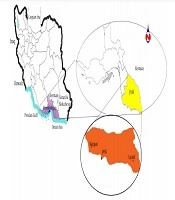
Turki H, Shekari M, Soltani A. A Comprehensive Survey of Asymptomatic Malaria Cases in an Endemic Focus in Iran: A Successful Experience on the Road to Eliminate Malaria. Arch Clin Infect Dis. 2021;16(3):e103728. doi: https://doi.org/10.5812/archcid.103728
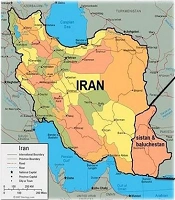
Ebrahimi Eskandar Kolaie E, Rezaei Kahkha-Zhaleh M, Fouladi B, Dabirzadeh S, Dabirzadeh M. Epidemiological Trends and Demographic Determinants of Malaria in Chabahar and Suburbs, Southeastern Iran: Insights from a Six-Year Study (2019 - 2024). Jundishapur J Microbiol. 2025;18(5):e161892. doi: https://doi.org/10.5812/jjm-161892
Last Update: 2 weeks ago
Last Update: 2 weeks ago
Last Update: 2 weeks ago
Last Update: 5 hours ago
Last Update: 10 hours ago
Last Update: 5 days ago
