
While member states are trying to get back to the road map of viral hepatitis elimination (1, 2), five WHO regions are confronted with acute hepatitis outbreaks in children with unknown etiology. As of 26 May 2022, 650 cases from 33 countries have been reported. Its risk has been assessed as “moderate” at the public health level by WHO and the case definition includes “an acute hepatitis with serum transaminase > 500 IU/L (AST or ALT), in children 16 years and younger, since 1 October 2021” (3). The majority of cases are reported in the European region (n = 240, mostly from the UK), followed by the Americas (n = 240), Western Pacific (n = 34), South-East Asia (n = 14), and Eastern Mediterranean (n = 5) regions. However, due to the limited capacity of surveillance, the numbers are expected to be an underestimation of the actual. Clinical symptoms include jaundice, abdominal pain, diarrhea, pale stool, vomiting and respiratory symptoms. The WHO reported that more than 75% of cases are less than 5 years old. Out of 156 cases who were hospitalized, 22 cases (14%) were admitted to the intensive care unit, 38 (6%) patients required liver transplantation, and 9 (1%) cases died.
To find the possible cause of these hepatitis cases, metagenomic approaches and different platforms of routine diagnostic assays including virological, toxicological, and histopathological tests have been applied. A considerable number of samples were tested positive for adenovirus and SARS-CoV-2. Also, adeno-associated virus-2 (AAV-2) and human herpesvirus-6 (HHV-6) have been isolated from blood and liver tissue samples in the UK (4). More than 84% of the reported cases were too young for the COVID-19 vaccine, which excludes the involvement of vaccination and rejects frequently shared messages on social media by the antivax movement. Even though several hypotheses have been formulated that might explain the pathogenesis mechanisms or causative agents for mysterious hepatitis, none of them have been able to provide a conclusive picture of this severe illness.
The high positivity rate for adenovirus in early cases deemed this virus a plausible cause of acute hepatitis (5). Adenoviruses usually cause mild respiratory infections with cold-like symptoms, albeit adenovirus types 40 and 41 also cause pediatric gastrointestinal infection and hepatitis in immunocompromised individuals (5, 6). One theory highlights the role of COVID-19 restrictions in the severity of adenovirus infection. The implementation of social distancing measures (e.g. closing daycare and elementary schools) decreased the exposure to pathogens in early life, which might have attenuated the susceptibility/response to pathogens including adenovirus. Another theory suggests that past or current exposure to SARS-CoV-2 affected the immune response against adenovirus and consequently induced organ damage.
Post-SARS-CoV-2 infection sequela is constructing another hypothesis. It has already been shown that SARS-CoV-2 persists in the gastrointestinal tract and sequentially expresses the viral proteins. The existing viral superantigen motive can lead to T-cell activation and causes a multisystem inflammatory syndrome in children (7). According to this hypothesis, infected cases with this health status, are prone to develop hepatitis if any other pathogens add to the battle (8). Of note, immune system reaction drives the destruction of liver tissue.
The relatively high proportion of cases positive for adenovirus and SARS-CoV-2 do not discriminate these viruses as the definite cause of acute hepatitis. For example, some patients did not show any record of past or current SARS-CoV-2 infection. Also, adenovirus has not been isolated from all hepatitis cases. Although metagenomic platforms showed a trace of adenovirus in blood samples, several virologists believe that adenovirus is an innocent bystander in most cases.
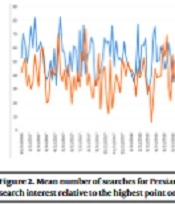
Beyond the ongoing investigations on the etiology of acute hepatitis, the on-time response to this outbreak is considerable. Accordingly, a series of attributed diagnostic lab tests have been applied, and depending on available facilities, several research projects have been launched in different geographical regions. A variety of protocols for investigation, diagnosis, and reporting of cases have been developed and different arms of extensive surveillance are conducted. In this approach, all signals about hepatitis cases on media or social media are now monitored (9), and as well as previous experiences, public health authorities are raising public awareness through these platforms (10, 11). In addition, wastewater samples collected during the COVID-19 pandemic are re-investigated and compared to recent samples to trace signals of emerging pathogens (12). Also, retrospective analyses of children with elevated liver enzymes that meet the WHO case definition are carefully investigated. Similar to COVID-19 the role of genetic background on disease susceptibility should be considered in the emerging hepatitis cases (13). Notably, WHO has provided advisory support for regional health agencies and has promptly developed guidance, made regional networks, and defined referral lab servicing. Considering all aetiological alternatives, this organization is fully leading the geographical, temporal, and environmental data collection.
It seems that lessons learned from the COVID-19 pandemic preparedness are currently implemented. Gaps that were seen in the early days of the COVID-19 pandemic are filled and an appropriate response is elicited (14).