Fulltext
Full text is available in PDF.
International Journal of Cancer Management
The Official Journal of Cancer Research Center (CRC), Shahid Beheshti University of Medical Sciences
Authors
Background: Alpha particle irradiation from radon progeny is one of the major natural sources of effective dose in the public population. Oncogenic transformation is a biological effectiveness of radon progeny alpha particle hits. The biological effects which has caused by exposure to radon, were the main result of a complex series of physical, chemical, biological and physiological interactions. The cellular and molecular mechanisms for radoninduced carcinogenesis have not been clear yet.
Methods: Various biological models, including cultured cells and animals, have been found useful for studying the carcinogenesis effects of radon progeny alpha particles. In this paper, sugars cape cellular automata have been presented for computational study of complex biological effect of radon progeny alpha particles in lung bronchial airways. The model has included mechanism of DNA damage, which has been induced alpha particles hits, and then formation of transformation in the lung cells. Biomarkers were an objective measure or evaluation of normal or abnormal biological processes. In the model, the metabolism rate of infected cell has been induced alpha particles traversals, as a biomarker, has been followed to reach oncogenic transformation.
Results: The model results have successfully validated in comparison with “in vitro oncogenic transformation data” for C3H 10T1/2 cells. This model has provided an opportunity to study the cellular and molecular changes, at the various stages in radiation carcinogenesis, involving human cells.
Conclusion: It has become well known that simulation could be used to investigate complex biomedical systems, in situations where traditional methodologies were difficult or too costly to employ.
© 2014, Author(s). This open-access article is available under the Creative Commons Attribution 4.0 (CC BY 4.0) International License (https://creativecommons.org/licenses/by/4.0/), which allows for unrestricted use, distribution, and reproduction in any medium, provided that the original work is properly cited.
Nooshinfar E, Bashash D, Abbasalizadeh M, Safaroghli-Azar A, Sadreazami P, et al. The Molecular Mechanisms of Tobacco in Cancer Pathogenesis. Int J Cancer Manag. 2017;10(1):e7902. doi: https://doi.org/10.17795/ijcp-7902
Mahdizade E, Baeeri M, Hodjat M, Rahimifard M, Navaei-Nigjeh M, et al. Impact of Acrylamide on Cellular Senescence Response and Cell Cycle Distribution via an In-vitro Study. Iran J Pharm Res. 2021;20(4):e124528. doi: https://doi.org/10.22037/ijpr.2021.115117.15206
Hamta A, Shariatzadeh SMA, Solimani Mehrnejani M. Studies of some cancer markers and blood factors in DMBA- induced breast cancer in SD rat strains. J Kermanshah Univ Med Sci. 2011;15(3):e79360. doi:
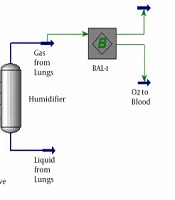
Hejazi B, Hejazi K. A Modeling Study of the Respiratory System for an Early Intervention of COVID-19 and Its Transmission. Int J Infect. 2021;8(2):e110410. doi: https://doi.org/10.5812/iji.110410
Rafiq Khan M, Sellappa S. Evaluation of Genotoxicity in Automobile Mechanics Occupationally Exposed to Polycyclic Aromatic Hydrocarbons Using Micronuclei and Other Nuclear Abnormalities. Int J Cancer Manag. 2012;5(2):e80806. doi:
Last Update: 1 week ago
Last Update: 1 week ago
Last Update: 1 week ago
Last Update: 6 hours ago
Last Update: 9 hours ago
Last Update: 5 days ago