
1. Background
Poisoning is a major health problem worldwide, and child poisoning is a highlighted reason for hospitalization in emergency rooms (1), with 1,236,227 (57.5%) admissions under the age of 20 years (2) varied from 5 to 20 children in one million individuals in developed and developing countries respectively indicating four times higher in developing than developed countries (3). Poisoning exposure continues to remain the leading cause of morbidity and mortality (4-6). It has been reported that drug overdose or addiction was the sixth leading cause of death in children and adolescents in 2016 (7). In a systematic review and meta-analysis to confirm that poisonings are increasing in children aged 20 years and younger, Ruiz-Goikoetxea reported that about 350,000 individuals died of poisoning, about 45,000 (~13%) of whom were under 20 years of age in 2008 (8).
Poisoning occurs when toxic substances are intentionally or unintentionally swallowed, injected, inhaled, or absorbed through the skin (9). Detergents and petroleum products, toxic gases, drugs, pesticides, pesticides, and opioids are the most common causes of childhood poisoning (10). Accidental poisoning is more common in children, especially males under 5 years of age; nevertheless, intentional poisoning is more common in adolescents and girls (11, 12). Accidental poisoning killed 106,683 individuals in 2016, according to the World Health Organization (13). The epidemiology of childhood poisoning varies from society to society, and the sources of this variability are important in determining regional factors that reduce morbidity and mortality (14).
Millions of children worldwide die each year from preventable injuries that can be mitigated by treating the child’s underlying medical conditions, nutritional status, family socioeconomic status, family size, and parental educational level (15). Children who are unemployed, live with a single parent, and have the lowest family income and education levels have been reported to be at increased risk of addiction (16). Furthermore, the incidence of poisoning in a given region is determined by the availability of toxic substances, inadequate knowledge of drug and chemical side effects, and inadequate monitoring systems (17, 18).
2. Objectives
This study aimed to evaluate clinical, socioeconomic, and demographic factors in different poisoning agents in a children population in Zahedan, Sistan, and Baluchestan province, Iran.
3. Patients and Methods
This retrospective, cross-sectional, and comparative study was conducted on 636 children and adolescents admitted to the Emergency Department of Ali Ebne Abitaleb Teaching Hospital in Zahedan, Iran, within 2014 to 2020. After assessing the information in medical poisoning profiles, children over 18 years and those with missing data were excluded from the study. The socioeconomic and demographic information of the children who were admitted to the Emergency Department was collected from their guardians. The symptoms at the time of admission were classified as the central nervous system (e.g., low consciousness and seizures), cardiovascular system (e.g., heart rate and blood pressure), and gastrointestinal system (e.g., vomiting and nausea). Clinical factors were poisoning agent (i.e., chemical, medicinal, unknown, and opium), transfer to the pediatric intensive care unit (PICU) from the emergency ward, using antidote, hospital stay in days, discharge status from the hospital (i.e., good, satisfied, and dead), and self-poisoning. Socioeconomic factors were parental education and occupation and the number of children in the household. Demographic factors were gender and place of residency.
3.1. Ethical Approval
The present study was approved by the Ethics Committee of Zahedan University of Medical Sciences and coded as IR.ZAUMS.REC.1398.375 dated 10.11.2019.
3.2. Statistical Analysis
SPSS software (version 18, SPSS Inc., Chicago, Ill, USA) was used for the analysis, considering mean and standard deviation for descriptive statistics and Pearson’s chi-square for inferential statistics to assess the association between two specific categorical variables. The level of 0.05 was considered a significant level.
4. Results
The frequency of poisoned female adolescents was 51.7%. Regarding the agents, opium (39.5%) was more common, followed by chemical (30.5%) and medicinal (20.9%) agents. Table 1 shows the results of a nonparametric test based on poisoning agents. Poisoning opium, chemical, medicinal, and unknown agents were frequently observed in 251 (39.50%), 194 (30.50%), 133 (20.90%), and 58 (9.1%) subjects, respectively.
Table 1.
Age Comparison Between Different Groups of Poisoning Agents
| Poisoning Agents | No. | Mean | Standard Deviation | Min | Max | Mean Rank | Chi-Square | P-Value |
|---|---|---|---|---|---|---|---|---|
| Chemical | 194 | 7.70 | 4.60 | 0.70 | 19.00 | 346.41 | 35.488 | < 0.001 |
| Medicinal | 133 | 8.82 | 5.55 | 0.20 | 18.00 | 368.76 | ||
| Unknown | 58 | 8.19 | 5.86 | 0.90 | 19.00 | 336.11 | ||
| Opium | 251 | 5.97 | 4.67 | 0.10 | 19.00 | 266.23 | ||
| Total | 636 | 7.30 | 5.07 | 0.10 | 19.00 |
Table 2 also shows the subcauses of poisoning for each specific agent. Based on Table 2, chemical agents were raticide (2.06%), snakebite (18.56%), scorpion sting (22.16%), organophosphates (8.25%), toxics (4.64%), white (11.34%), kerosene (23.20%), carbon dioxide (3.61%), tube adhesive (3.09%), acid (2.06%), and acetone (1.03%). Medicinal agents were diphenoxylate (5.26%), Clonidine tablets (48.12%), other kinds of tablets (15.04%), tricyclic antidepressants (27.82%), diphenhydramine (2.26%), and theophylline (1.5%). Opium agents were hashish (1.59%), methamphetamine (11.16%), methadone (32.27%), opium (52.99%), and snuff (1.99%) (Table 2).
Table 2.
Frequency of Poisoning Agents
| Poisoning Agents/ Subcauses of Poisonings | No. (%) |
|---|---|
| Chemical agents | 194 (30.50) |
| Raticide | 4 (2.06) |
| Snakebite | 36 (18.56) |
| Scorpion sting | 43 (22.16) |
| Organophosphates | 16 (8.25) |
| Toxics | 9 (4.64) |
| Whitex | 22 (11.34) |
| Kerosene | 45 (23.20) |
| Carbon dioxide | 7 (3.61) |
| Tube adhesive | 6 (3.09) |
| Acid | 4 (2.06) |
| Acetone | 2 (1.03) |
| Medicinal agents | 133 (20.90) |
| Diphenoxylate | 7 (5.26) |
| Clonidine tablets | 64 (48.12) |
| Other kinds of tablets | 20 (15.04) |
| Tricyclic antidepressants | 37 (27.82) |
| Diphenhydramine | 3 (2.26) |
| Theophylline | 2 (1.50) |
| Unknown agents | 58 (9.1) |
| Opium agents | 251 (39.50) |
| Hashish | 4 (1.59) |
| Methamphetamine | 28 (11.16) |
| Methadone | 81 (32.27) |
| Opium | 133 (52.99) |
| Snuff | 5 (1.99) |
Of 194 poisoned by chemical agents; 13.4%, 18.6%, 19.1%, 21.1%, 30.9%, 35.6%, 40.2%, 55.2%, and 56.7% had low consciousness, myosis, seizures, low blood pressure, decrease in heart rate, fever, vomiting and nausea, conflict in peripheral oxygen saturation (SPO2), and respiratory problems respectively. Of 133 poisoned by medicinal agents; 12.8%, 15.8%, 17.3%, 18.8%, 23.3%, 24.1%, 24.8%, 37.6%, 45.1%, and 63.2% had fever, medirias, seizures, decrease in heart rate, vomiting and nausea, myosis, respiratory problems, low blood pressure, low consciousness, and low SPO2. Of 251 poisoned by opium agents; 36.7%, 43.0%, 56.2%, 59.0%, 59.4%, 66.9%, 80.9%, and 95.2% had low blood pressure, vomiting and nausea, low consciousness, seizures, respiratory problems, decrease in heart rate, myosis, and low SPO2, respectively (Table 3).
Table 3.
Symptoms of Poisoning Agents a
| Symptoms/Status | Chemical | Medicinal | Unknown | Opium | Total |
|---|---|---|---|---|---|
| Pupil changes | |||||
| No changes | 168 (86.6) | 80 (60.2) | 28 (48.3) | 26 (10.4) | 302 (47.5) |
| Myosis | 26 (13.4) | 32 (24.1) | 30 (51.7) | 203 (80.9) | 291 (45.8) |
| Medirias | 0 (0.0) | 21 (15.8) | 0 (0.0) | 22 (8.8) | 43 (6.8) |
| Heartrate changes | |||||
| No | 134 (69.1) | 96 (72.2) | 58 (100.0) | 67 (26.7) | 355 (55.8) |
| Decrease | 60 (30.9) | 25 (18.8) | 0 (0.0) | 168 (66.9) | 253 (39.8) |
| Increase | 0 (0.0) | 12 (9.0) | 0 (0.0) | 16 (6.4) | 28 (4.4) |
| Blood pressure changes | |||||
| No | 145 (74.7) | 83 (62.4) | 2 (3.4) | 146 (58.2) | 376 (59.1) |
| Low | 41 (21.1) | 50 (37.6) | 56 (96.6) | 92 (36.7) | 239 (37.6) |
| High | 8 (4.1) | 0 (0.0) | 0 (0.0) | 13 (5.2) | 21 (3.3) |
| Respiratory problems | |||||
| No | 84 (43.3) | 100 (75.2) | 8 (13.8) | 102 (40.6) | 294 (46.2) |
| Yes | 110 (56.7) | 33 (24.8) | 50 (86.2) | 149 (59.4) | 342 (53.8) |
| Low consciousness | |||||
| No | 158 (81.4) | 73 (54.9) | 32 (55.2) | 110 (43.8) | 373 (58.6) |
| Yes | 36 (18.6) | 60 (45.1) | 26 (44.8) | 141 (56.2) | 263 (41.4) |
| Fever | |||||
| No | 125 (64.4) | 116 (87.2) | 10 (17.2) | 231 (92.0) | 482 (75.8) |
| Yes | 69 (35.6) | 17 (12.8) | 48 (82.8) | 20 (8.0) | 154 (24.2) |
| Vomiting and nausea | |||||
| No | 116 (59.8) | 102 (76.7) | 50 (86.2) | 143 (57.0) | 411 (64.6) |
| Yes | 78 (40.2) | 31 (23.3) | 8 (13.8) | 108 (43.0) | 225 (35.4) |
| Seizures | |||||
| No | 157 (80.9) | 110 (82.7) | 2 (3.4) | 103 (41.0) | 372 (58.5) |
| Yes | 37 (19.1) | 23 (17.3) | 56 (96.6) | 148 (59.0) | 264 (41.5) |
| Peripheral oxygen saturation | |||||
| No | 87 (44.8) | 49 (36.8) | 2 (3.4) | 12 (4.8) | 150 (23.6) |
| Yes | 107 (55.2) | 84 (63.2) | 56 (96.6) | 239 (95.2) | 486 (76.4) |
| Total | 194 (100.0) | 133 (100.0) | 58 (100.0) | 251 (100.0) | 636 (100.0) |
a Values are expressed as No. (%).
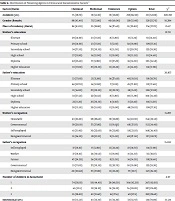
Table 4 shows an antidote used for 38.7% of the subjects as the primary treatment with a significant association with poisoning agents (χ2 = 220.393, P < 0.001). Most poisoned subjects by chemical agents were male (54.6%); however, female adolescents were reported for other agents; therefore, a significant association was observed between gender and poisoning agents (χ2 = 10.284, P = 0.016). The majority of mothers with children poisoned due to chemical, medicinal, and opium agents had diploma (21.6%), secondary school (20.3%) or higher education(20.3%), and secondary school (20.7%), respectively; therefore, there was not a significant association between mothers’ educational levels and poisoning agents (χ2 = 12.731, P = 0.623). Similar results would be observed in Table 4 for the fathers.
Table 4.
Distribution of Poisoning Agents in Clinical and Socioeconomic Factors a
| Factors/Status | Chemical | Medicinal | Unknown | Opium | Total | χ2 | P- Value |
|---|---|---|---|---|---|---|---|
| Antidote (yes) | 75 (38.70) | 19 (14.30) | 19 (32.80) | 218 (86.90) | 331 (52.00) | 220.393 | < 0.001 |
| Gender (female) | 88 (45.40) | 71 (53.80) | 40 (69.00) | 129 (51.40) | 328 (51.70) | 10.284 | 0.016 |
| Place of residency (rural) | 84 (43.30) | 25 (18.80) | 16 (27.60) | 51 (20.40) | 176 (27.70) | 35.47 | < 0.001 |
| Mother’s education | 12.731 | 0.623 | |||||
| Illiterate | 29 (14.90) | 23 (17.30) | 8 (13.80) | 33 (13.10) | 93 (14.60) | ||
| Primary school | 29 (14.90) | 23 (17.30) | 7 (12.10) | 50 (19.90) | 109 (17.10) | ||
| Secondary school | 34 (17.50) | 27 (20.30) | 9 (15.50) | 52 (20.70) | 122 (19.20) | ||
| High school | 27 (13.90) | 16 (12.00) | 11 (19.00) | 39 (15.50) | 93 (14.60) | ||
| Diploma | 42 (21.60) | 17 (12.80) | 10 (17.20) | 36 (14.30) | 105 (16.50) | ||
| Higher education | 33 (17.00) | 27 (20.30) | 13 (22.40) | 41 (16.30) | 114 (17.90) | ||
| Father’s education | 20.837 | 0.142 | |||||
| Illiterate | 33 (17.00) | 21 (15.80) | 16 (27.60) | 49 (19.50) | 119 (18.70) | ||
| Primary school | 44 (22.70) | 16 (12.00) | 7 (12.10) | 45 (17.90) | 112 (17.60) | ||
| Secondary school | 31 (16.00) | 27 (20.30) | 12 (20.70) | 38 (15.10) | 108 (17.00) | ||
| High school | 34 (17.50) | 22 (16.50) | 8 (13.80) | 40 (15.90) | 104 (16.40) | ||
| Diploma | 22 (11.30) | 27 (20.30) | 4 (6.90) | 31 (12.40) | 84 (13.20) | ||
| Higher education | 30 (15.50) | 20 (15.00) | 11 (19.00) | 48 (19.10) | 109 (17.10) | ||
| Mother’s occupation | 15.207 | 0.085 | |||||
| Housewife | 43 (22.20) | 38 (28.60) | 19 (32.80) | 56 (22.30) | 156 (24.50) | ||
| Governmental | 39 (20.10) | 37 (27.80) | 11 (19.00) | 68 (27.10) | 155 (24.40) | ||
| Self-employed | 61 (31.40) | 30 (22.60) | 19 (32.80) | 58 (23.10) | 168 (26.40) | ||
| Nongovernmental | 51 (26.30) | 28 (21.10) | 9 (15.50) | 69 (27.50) | 157 (24.70) | ||
| Father’s occupation | 15.053 | 0.239 | |||||
| Self-employed | 37 (19.10) | 17 (12.80) | 13 (22.40) | 47 (18.70) | 114 (17.90) | ||
| Worker | 37 (19.10) | 26 (19.50) | 11 (19.00) | 41 (16.30) | 115 (18.10) | ||
| Farmer | 47 (24.20) | 26 (19.50) | 9 (15.50) | 36 (14.30) | 118 (18.60) | ||
| Governmental | 33 (17.00) | 27 (20.30) | 12 (20.70) | 50 (19.90) | 122 (19.20) | ||
| Nongovernmental | 40 (20.60) | 37 (27.80) | 13 (22.40) | 77 (30.7) | 167 (26.30) | ||
| Number of children in household | 4.97 | 0.548 | |||||
| 1 | 74 (38.10) | 59 (44.40) | 28 (48.30) | 106 (42.20) | 267 (42.00) | ||
| 2 | 65 (33.5) | 32 (24.10) | 14 (24.10) | 76 (30.30) | 187 (29.40) | ||
| 3 | 55 (28.40) | 42 (31.60) | 16 (27.6) | 69 (27.5) | 182 (28.60) | ||
| Intentional (yes) | 30 (15.50) | 43 (32.30) | 21 (36.20) | 32 (12.70) | 126 (19.80) | 33.124 | < 0.001 |
| Admitted to the pediatric intensive care unit (no) | 122 (62.90) | 100 (75.20) | 30 (51.70) | 156 (62.20) | 408 (64.2) | 11.511 | 0.009 |
| Discharge status from the hospital | 3.522 | 0.741 | |||||
| Good | 87 (44.80) | 60 (45.10) | 20 (34.50) | 115 (45.80) | 282 (44.30) | ||
| Satisfied | 100 (51.50) | 70 (52.6) | 35 (60.30) | 129 (51.40) | 334 (52.50) | ||
| Dead | 7 (3.60) | 3 (2.30) | 3 (5.20) | 7 (2.80) | 20 (3.10) | ||
| Hospital stay (d) | 60.027 | < 0.001 | |||||
| 1 | 81 (41.80) | 50 (37.60) | 14 (24.10) | 61 (24.30) | 206 (32.40) | ||
| 2 | 42 (21.60) | 50 (37.60) | 16 (27.60) | 96 (38.20) | 204 (32.10) | ||
| 3 | 17 (8.80) | 16 (12.00) | 15 (25.90) | 46 (18.30) | 94 (14.80) | ||
| 4 | 16 (8.20) | 12 (9.00) | 3 (5.20) | 23 (9.20) | 54 (8.50) | ||
| 5 | 11 (5.70) | 1 (0.80) | 2 (3.40) | 5 (2.00) | 19 (3.00) | ||
| 6 | 8 (4.10) | 1 (0.80) | 3 (5.20) | 4 (1.60) | 16 (2.50) | ||
| 7 | 6 (3.10) | 1 (0.80) | 3 (5.20) | 5 (2.00) | 15 (2.40) | ||
| ≥ 8 | 13 (6.70) | 2 (1.50) | 2 (3.40) | 11 (4.40) | 28 (4.40) | ||
| Total | 194 (100.00) | 133 (100.00) | 58 (100.00) | 251 (100.00) | 636 (100.00) |
a Values are expressed as No. (%).
Mothers with children poisoned due to chemical, medicinal/unknown, and opium agents weremostly self-employed (31.4%), housewives (28.6%), and nongovernmental employees (27.5%), respectively (χ2 = 15.207, P = 0.085). Most of the children that were poisoned by different chemical (38.1%),medicinal (44.4%), unknown (48.3%), and opium(42.2%) agentswerewithout siblings (χ2 = 4.970, P = 0.548). Of the studied children, 19.8% were poisoned intentionally and distributed 15.5%, 32.3%, 36.2%, and 12.7% in chemical, medicinal, unknown, and opium agents with a significant association (χ2 = 33.124, P < 0.001).
Of the children poisoned by chemical agents, about 62.9% were not admitted to the PICU. Moreover, of those poisoned by medicinal, unknown, and opium agents, 75.2%, 51.7%, and 62.2% were discharged from the hospital without visiting the PICU. The aforementioned results showed a significant association between PICU admission and poisoning agents (χ2 = 11.511, P = 0.009). Of the children poisoned by chemical, medicinal, unknown, and opium agents, approximately all were discharged with a good or satisfied mood, and 3.6%, 2.3%, 5.2%, and 2.8% died, respectively, without a significant association (χ2 = 3.522, P = 0.741). About 41.8% and 21.6% of the children poisoned by chemical agents stayed in the hospital for 1and 2days, respectively. The aforementioned trend for those poisoned by medicinal agents was reported as 37.6% and 37.6%, for those poisoned by unknown agents as 24.1% and 27.6%, and for those poisoned by opium agents as 24.3% and 38.2%, respectively. The agents of poisoning had a significant association with hospital stay (day) (χ2 = 60.027, P < 0.001).
Table 5 showed the distribution of poisoned children in different age groups based on gender. it showed that in all age groups, the distribution of poisoning is significant in gender.
Table 5.
Distribution of Accidental Poisoning in Different Age Groups by Gender
| Gender/Accidentally | Age Group (y) | Total | χ2 | P-Value | ||
|---|---|---|---|---|---|---|
| < 8 | 8 - 12 | 12 - 18 | ||||
| Male | 96.7 | < 0.001 | ||||
| Yes | 232 (99.6) | 27 (69.2) | 19 (54.3) | 278 (90.6) | ||
| No | 1 (0.4) | 12 (30.8) | 16 (45.7) | 29 (9.4) | ||
| Total | 233 (100.0) | 39 (100.0) | 35 (100.0) | 307 (100.0) | ||
| Female | 175.88 | < 0.001 | ||||
| Yes | 189 (100.0) | 13 (52.0) | 35 (30.7) | 237 (72.3) | ||
| No | 0 (0.0) | 12 (48.0) | 79 (69.3) | 91 (27.7) | ||
| Total | 189 (100.0) | 25 (100.0) | 114 (100.0) | 328 (100.0) | ||
| Total | 305.98 | < 0.001 | ||||
| Yes | 421 (99.8) | 40 (62.5) | 54 (36.2) | 515 (81.1) | ||
| No | 1 (0.2) | 24 (37.5) | 95 (63.8) | 120 (18.9) | ||
| Total | 422 (100.0) | 64 (100.0) | 149 (100.0) | 635 (100.0) | ||
a Values are expressed as No. (%).
5. Discussion
The present study aimed to evaluate clinical, socioeconomic, and demographic factors in different poisoning agents in the pediatric population. The results showed that among the poisoning agents, opium was the most common, and those poisoned intentionally had higher ages and were more frequently females. Accidental poisoning was higher in males. Chemical agents had the main symptoms of respiratory distress, low SPO2, nausea and vomiting, fever, and a decrease in heart rate. The symptoms of medicinal agents were low SPO2, low consciousness, and changes in blood pressure. Opium poisonings showed low SPO2, myosis, low heart rate, low respiratory rate, seizures, and nausea and vomiting.
Acute poisoning is one of the preventable causes of child mortality and global health problems affected by sociodemographic features (19). Saikia et al. (20). showed that chemicals (toilet and mosquito liquids) were the most common agents of poisoning; however, Rathore et al. (21) and Bhat et al. (22) reported that chemical agents of kerosene and insecticides were common in urban and rural areas, respectively. In studies by Alhaboob (19) and Randev et al. (23), medicines were the significant agent, followed by cleaning materials, cosmetics, and petrochemicals. The aforementioned differences in poisoning agents are probably due to situations, the diversity in study structures, the difference in commonly used household products, the availability of over-the-counter medicines in some homes, and the suitability of such potentially dangerous substances for childhood poisonings. In addition, it could be due to differences in perceptions between caregivers and family members about poisonings (24).
Age is one of the most important factors affecting childhood poisoning, with varied roles from region to region. In developing countries, children up to the age of 5 years are at the highest risk of poisoning (25, 26). A study reported that most poisoned children were within the age of 1 to 3 years (27); nevertheless, another study pointed to the peak within the range of 2 – 6 years (28). The aforementioned results are also supported by studies conducted in Iran and Egypt (29, 30) and the present study. This issue can be explained that curious nature
in these age groups, the accessibility of toxic substances that might be stored on the floor level (28), and limited infants' ability to explore particular places due to their mobility (19). This difference and the vague results observed in the studies probably are due to different methodologies, various age categorizations, and cultural and social development. For instance, Farag et al. (1) showed that the majority of childhood poisoning occurred in young children, and contrary to all the above-mentioned results, Pawłowicz et al. (31) found that the age group of 16 - 18 years had the highest rate of poisoning. Moreover, Feiz Disfani et al. (32) reported that poisoning in children under 5 years was observed in less than 15% of the subjects, which is inconsistent with the result of the present study.
Alhaboob (19) demonstrated no gender preponderance for poisoning. Moreover, a male-to-female ratio of 1.2:1 among children (33), with a rising poisoning rate in males by age, has been reported. It is possible that at age < 5 years, both males and females prefer to have similar characteristics and behavioral patterns (13, 34). It has been reported that male children were at the highest risk of accidental poisonings, particularly those at lower ages; however, a higher rate of intentional poisoning was observed in female children (25, 35, 36). A gender-specific relation was also observed, where it seemed that males are more prone to suicidal poisoning with opioids than females (32).
Regarding the results of the present study, Saikia et al. (20), regardless of agents, showed that 1.3%, 3.9%, 7.8%, 10.5%, and 24.2% of the poisoned had diarrhea, fever, paresthesia, coughs, and excessive oral secretions, respectively. About 20.3% and 7.8%of the subjects had vomiting with and without blood stains, respectively. Sharif and Nouri (37) observed drowsiness, miosis, vomiting, ineffective breathing, apnea, cyanosis, seizures, ataxia, and delirium in children poisoned by methadone. similarly, but with a slight difference, a study (38) reported that the common symptoms of poisoning in children were vomiting and nausea, coughing, fever, respiratory distress, restlessness, drowsiness, and cyanosis. Ghaemi et al. (39) showed that opium poisoning was characterized by myosis, reduced bradypnea, and low consciousness in children; nonetheless, Zamani et al. (40) reported that myosis was the most common and followed by low consciousness. Respiratory distress ranked third, followed by seizures. In this regard, Alhaboob (19) reported that respiratory distress, convulsion, low consciousness, and myosis were the most common symptoms. Benedict et al. (41) reported that most poisoned children had normal blood pressure, normal pulse and oxygen saturation, temperature, and respiratory rate, similar to the results of a study conducted by Alghadeer et al. (42) that showed that most of the poisoned children were asymptomatic.
The accessibility of toxic substances varies based on sociodemographic features, awareness, social beliefs, and habits (23). The present study showed that gender, place of residency, parental occupation and education, poisoning by accidental events, admission to PICU, and hospital stay were the significant factors in poisoning. In a study by Alhaboob (19), maternal occupation and family size had a significant impact on poisonings; nevertheless, the factors of maternal education, place of living, economic status, marital status, and family history of childhood poisoning did not show a significant impact on poisoning. Alhaboob also reported that the factors of hyperactive children and mouthing habits were the significant risk factors in this regard.
Mansori et al. (36) demonstrated that employed, educated, and smoker mothers observed more poisoning behaviors in their children. Feiz Disfani et al. (32). and Bacha and Tilahun (43) showed that the rate of antidote administration was 8%, with a big difference from the current sample. It is probably due to enough care facilities in the present studied region. In this regard, Gokalp (12) and Lin et al. (10) demonstrated that those who committed suicide had higher ages than those who were accidentally poisoned. The rate of poisoning in the accidentally poisoned group was higher among male children (12). In Alhaboob’s study (19), self-poisoning was more common, followed by accidental and nonaccidental methods. The aforementioned findings are comparable to the results reported by Randev et al. (23) and the present study. This study had a limited number of participants because it was conducted in a single emergency department.
5.1. Conclusions
In conclusion, poisoning by opium agents was more common in lower age groups of children. The frequency of female children was higher inpoisoned children. Poisoned children by opium agents had severe symptoms with higher frequency than other agents. The factors of antidote, gender, place of residency, poisoning by accidental events, admission to PICU, and hospital stay were significant. It is recommended to run comprehensive training programs for mothers with children at the high risk of poisoning. It is required to perform further studies on drug poisoning, especially in children in these kinds of regions.