
1. Introduction
Chronic hepatitis C virus (HCV) infection in a renal transplant subject may be associated with a higher mortality rate due to various reasons (1-3) and a high risk of allograft rejection, as well (3). The management of HCV is challenging and the treatment with classical interferon-containing regimen may result in deleterious side effects leading to graft rejection (4). In recent years, substantial development has been occurred to treat chronic HCV associated with the development of potent direct-acting antivirals (DAAs) (5). Recently, It has been suggested that interferon-free regimens possibly can be effective to treat HCV infection in organ transplant subjects. In a study conducted in the USA, patients with kidney transplantation with chronic HCV were recruited. All patients achieved a sustained virologic response 12 weeks after DAA therapy (SVR12) (6). In other studies on renal transplant patients who were infected with HCV genotype 4, the patients were given Sofosbuvir and ribavirin for 24 weeks and all patients achieved SVR12 (7, 8). In these studies, DAAs were well tolerated without major adverse events. Acute HCV infection in immunocompromised patients such as renal transplant subjects is developed in an aggressive clinical course and is progressed rapidly to cirrhosis and liver failure. Renal allograft rejection was reported after treatment of acute HCV in renal transplant patients (9, 10). Here, we report the first case of successful treatment of acute HCV in a renal transplant subject with DAA regimen without major side effects.
2. Case Presentation
A 41- year-old renal transplant male (since 2005) was referred to Duhok renal transplant unit suffering from generalized body weakness, loss of appetite, loss of weight, abdominal pain, fever and shortness of breath. The patient’s record showed that his test was negative for HIV, HBV and HCV, five months prior to his presentation (Table 1). General examination of the patient showed that he had jaundice, his body temperature was 37.7°C, his blood pressure was 80/55 mmHg, and he had abdominal tenderness. The results of laboratory tests showed that he had anemia, elevated liver enzyme and low albumin levels (Table 1). ELISA was ordered for HIV (antibody and antigen), HCV antibodies, and HBs Ag and the results all were negative. To confirm the negativity, blood samples were repeated for HIV, HBV and HCV real time polymerase reaction (RTPCR), and results showed that HIV and HBV levels were undetected, while the HCV load was 11259 × 106 IU/mL. The tests were repeated again and the same results were obtained. HCV genotyping showed that the patient was infected with HCV genotype 4. The patient refused to go for liver biopsy. He was admitted to the intensive care unit (ICU) for 20 days and haemodialysis was done for him, then he was referred to the infectious disease unit to treat HCV. Immunosuppressive treatment consisted of mycophenolate 750 mg bid and tacrolimus 2mg bid and prednisone 5 mg qd.
Table 1.
Monitoring of the Patient and the Selected Laboratory Results
| Tests | 5 Months Before the Diagnosis | At the Time of Diagnosis | Before Treatment | During Treatment | 12 Weeks After Treatment | |||||
|---|---|---|---|---|---|---|---|---|---|---|
| 4 Weeks | 8 Weeks | 12 Weeks | 16 Weeks | 20 Weeks | 24 Weeks | |||||
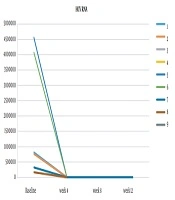
| HCV RTPCR | Negative | 11259 × 106 | 49326 × 106 | 428 | Negative | Negative | Negative | Negative | Negative | Negative |
| ALT | 23 | 222 | 169 | 44 | 16 | 9 | 18 | 7 | 14 | 24 |
| AST | 20 | 101 | 60 | 31 | 22 | 19 | 21 | 13 | 16 | 27 |
| Albumin | 3.8 | 3.4 | 3.2 | 3.8 | 3.8 | 3.9 | 3.8 | 4.1 | 3.8 | 3.9 |
| INR | 1 | 1.8 | 2.4 | 1.8 | 1.5 | 1.2 | 1.2 | 1.2 | 1.1 | 1.2 |
| Hb% | 10.6 | 9.5 | 9.6 | 9.1 | 9 | 7 | 8.1 | 10 | 11 | 11.2 |
| S. creatinine | 1.05 | 6.6 | 1.2 | 0.94 | 0.89 | 0.91 | 0.99 | 0.98 | 1.2 | 1.2 |
Abbreviations: HCV, hepatitis C virus; RTPCR, real time polymerase reaction; ALT, alanine aminotransferase; AST, aspartate aminotransferase; INR, international normalized ratio; Hb, haemoglobin.
According to the availability and cost, it was decided to treat the patient with ribavirin and sofosbuvir. The options were discussed with the patient and he agreed to take the regimen and he signed the consent form. Ethical approval for the management plan was reviewed and was approved by the ethical board of renal diseases and dialysis center and ethical committee of the college of medicine.
Sofosbuvir (400 mg qd) and ribavirin (1 g qd) were given for 24 weeks and the patient was followed up every 4 weeks. The Viral load, serum creatinine, international normalized ratio (INR) and liver enzymes were decreased and albumin was increased. The sustained virologic response was achieved as HCV RTPCR was negative 12 weeks after treatment was stopped and ALT, AST and serum creatinine were improved (Table 1).
3. Discussion
Interferon-containing regimens had been used to treat HCV for several years. In organ transplantation, using such a regimen is associated with a poor tolerability, interferon-associated acute graft rejection, and ultimately a very low success rate were reported to achieve the sustained virologic response. Accordingly, there was a need to use interferon-free regimens to treat such cases (4). In recent years, momentous development has been made to treat chronic HCV with the development of potent DAAs (5). Recently, reports have shown that DAA can be used to treat chronic HCV in kidney transplant patients with a high success rate and without major side effects (6-8). Acute HCV after renal transplant is associated with serious consequences and may progress rapidly to liver cirrhosis and liver failure. The diagnosis of acute HCV is challenging due to the lack of an antibody response in these recipients which may be resulted from acquiring HCV under intense immunosuppression. The lack of competent immune response may explain the aggressive clinical course of such an infection (9). Without effective treatment, acute HCV infection is associated with high mortality and morbidity rate in renal transplant patients. In some reports, interferon-containing regimen was tried to treat the infection but resulted in allograft rejection (11). Here, we report the first case of a successful treatment of acute HCV genotype 4 in a renal transplant patient. Fortunately, renal function retuned back to the normal and no serious interaction with immunosuppressive drugs was recorded. In addition, during treatment, no major side effects had happened. Sustained virologic response was achieved as the viral load was undetectable 12 weeks after treatment. RTPCR was repeated 24 weeks after treatment was sopped and it was negative. More studies are required to explore the effectiveness of interferon-free regimens to treat acute HCV. The effective regimens would prevent HCV-related complications in renal transplant subjects and may improve graft survival.