
1. Background
Anorectal malformations (ARMs) are a specific group of congenital defects that affect the development and function of the anus and rectum. The occurrence rate of these malformations is estimated to be approximately 1 in every 5000 live births. These conditions tend to be somewhat more common in males than in females (1).
Anorectal malformations can vary considerably in presentation and severity and often require a multidisciplinary approach for diagnosis and management. They include several variants (2). A documented association exists between ARMs and a range of other congenital anomalies affecting various organ systems, including the heart, genitourinary system, skeletal structure, and spine (3). The management of ARMs relies heavily on surgical interventions, which must be followed by appropriate postoperative monitoring and observations (4, 5).
Over the years, advances in surgical techniques and neonatal health care practices have been associated with increased survival rates among infants diagnosed with ARMs (6). However, comorbidities and postoperative complications such as constipation, fecal incontinence, and, in some cases, urinary incontinence can adversely affect patients' quality of life (QOL) and disrupt psychological and social functioning (7 - 9). Therefore, survival alone has received less attention, while survival together with patient QOL has become a central consideration in health care research and practice. Quality of life is a complex and multidimensional concept that reflects an individual's overall health and includes physical, emotional, and social well-being (10). Evidence from the literature shows that the QOL of patients with chronic diseases with persistent symptoms and comorbidities is significantly affected (11, 12).
2. Objectives
The primary objective of this study was to investigate QOL in children who had undergone surgery for ARMs during early life. This study also aimed to examine the relationship between QOL scores and patient demographic characteristics. The outcomes of this research may clarify life conditions and potential long-term complications after anorectal surgical procedures in young patients. The insights gained from this study, together with further investigations in this area, may facilitate effective strategies for preventing and treating these complications.
3. Methods
3.1. Study Design
To answer our research question, we conducted a cross-sectional, questionnaire-based study to examine QOL in children who had undergone surgery for ARMs. The study was registered at Tehran University of Medical Sciences, and the ethics code was IR.TUMS.CHMC.REC.1401.181. The Institutional Review Board approved the study methods and permitted a telephone-based survey with verbal informed consent.
3.2. Study Participants
The study population consisted of children aged 6 - 12 years who underwent surgery for the treatment of ARMs at the Children's Medical Center in Tehran. All children who underwent surgical procedures for ARMs between March 2012 and September 2023 at the Children's Medical Center in Tehran were included.
The exclusion criteria were: (a) Severe cognitive impairment or neurodevelopmental disorder that, in the treating clinician’s judgment, precluded meaningful parental proxy assessment; (b) non-ambulatory children with severe comorbidities (eg, Gross Motor Function Classification System IV - V); (c) families who could not be contacted after three attempts; and (d) children older than 12 years, because psychological and social difficulties in adolescence may confound disease-related outcomes. Children with minor associated anomalies were included and recorded.
3.3. Data Gathering
Before data gathering, a sample size calculation was performed based on the parameters reported in Scire’s study, indicating that a minimum of 45 participants would be sufficient to detect meaningful differences in QOL outcomes. The medical records and contact details of patients who underwent surgical procedures for ARMs from March 2012 to September 2023 at the Children's Medical Center Hospital in Tehran were extracted from the hospital's Sabara system. Contact information and patient demographic data, including age, sex, age at the final stage of anorectoplasty, type of surgery performed, duration of hospital stay, comorbidities, and postoperative complications, were retrieved from electronic patient records. Patients who were aged 6 - 12 years during data collection were included.
Because responses from the children were not applicable, the parents of these children were contacted. A detailed explanation of the interview process was provided, and verbal consent was obtained from the parents. Data on the total number of children in the family, birth order of the affected child, parental education level, and presence of fecal incontinence were collected verbally from the parents. The PedsQL questionnaire items were presented to the parents by telephone, and the parents answered the questions for their child. All collected data were systematically recorded in a database.
3.4. The Questionnaire
The Pediatric Quality of Life Inventory (PedsQL) is a tool for assessing health-related QOL in children and adolescents. The PedsQL 4.0 has been translated into Persian, its validity has been confirmed, and the questionnaire has been adapted for Iranian children in prior research by Mohamadian et al. (13). This tool is designed to provide a comparative assessment of health-related QOL in healthy children and adolescents and in those with acute and chronic health conditions.
The PedsQL 4.0 comprises 23 items that assess key health dimensions as defined by the World Health Organization (WHO). These dimensions are categorized into four domains: physical functioning, represented by 8 items; emotional functioning, including 5 items; social functioning, comprising 5 items; and academic functioning, also consisting of 5 items. Responses to the questionnaire can be provided by either the parent or the child. For each item, the parents were instructed to indicate how often the item had occurred during the past month by selecting a value on a 5-point scale, with 0 corresponding to “never,” 1 to “almost never,” 2 to “sometimes,” 3 to “often,” and 4 to “almost always.” Responses were reverse converted to a linear scale ranging from 0 to 100, where a score of 0 corresponds to 100, a score of 1 to 75, a score of 2 to 50, a score of 3 to 25, and a score of 4 to 0. This transformation ensures that higher scores reflect better QOL.
3.5. Data Analysis
The recorded data in the database were analyzed using SPSS software, version 26. Initially, the normality of the data distribution was evaluated using the Shapiro-Wilk test. For comparisons between two groups, mean values were assessed using the Mann-Whitney test, and comparisons among three groups were conducted using the Kruskal-Wallis test. The correlation between quantitative variables was evaluated using the Spearman test. The criterion for significance was defined as P-value < 0.05. Effect sizes are reported for all significant findings.
4. Results
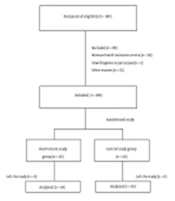
Between March 2012 and September 2023, 149 patients underwent surgical procedures for ARMs at the Children's Medical Center in Tehran. Within this cohort, 112 patients were children aged 6 - 12 years in the winter of 2024, and 3 deaths were reported. The parents of the remaining 109 patients were contacted by telephone, resulting in 47 responses. A total of 46 parents agreed to participate in the study (Figure 1).
Among the participants, 24 patients were male and 22 were female. The mean age of the participants during the study period was 8.63 ± 1.69 years. The mean age of the participants at the time of the surgical procedure (the final stage of the procedure) was 8.87 ± 14.5 months. The average hospital length of stay was 11.24 ± 5.57 days.
Patients were classified into three groups according to the type of surgical intervention they received. Twenty-six cases (56.5%) underwent anorectoplasty for rectoperineal fistula, 11 cases (23.9%) underwent anorectoplasty with rectovaginal, rectovestibular, or rectourethral fistula repair, and 9 cases (19.6%) underwent pull-through anorectoplasty because of rectovesical fistula. Fourteen patients had comorbidities. Postoperative complications were reported in 3 patients (2 perianal abscesses and 1 case of sepsis).
The most frequently observed comorbidities were cardiovascular comorbidities, which were present in 50% of patients with comorbidities, followed by urinary system disorders in 35%. Fecal incontinence was not present in any case; however, various degrees of soiling were present in 11 patients at the time of the study.
Regarding maternal education, 11 individuals (23.9%) had less than a high school education, while 35 individuals (76.1%) had attained a high school or academic degree. In the father's education group, 21 individuals (45.7%) had qualifications below high school, and 25 individuals (54.3%) had achieved a high school or academic degree. Regarding the number of children in each family, 14 families had only one child (30.4%) and 32 families had more than one child (69.6%).
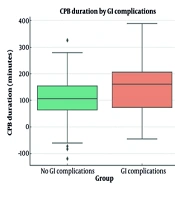
Figure 2 illustrates the distribution of PedsQL 4.0 scores among participants. The mean total QOL score was 92.65 ± 7.26 out of 100. The physical functioning score was the highest (97.09 ± 4.81), while the emotional functioning score was the lowest (87.07 ± 12.19). The mean social functioning score was 94.46 ± 12.99, and the mean school functioning score was 89.35 ± 11.88. All scores were measured out of 100, with 100 representing the ideal score.
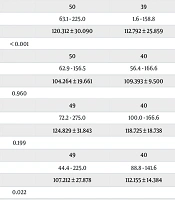
There was no significant relationship between different QOL subdomains and sex, presence of comorbidities, complications, soiling, parental education level, or number of children in the family (Table 1). However, the relationship between fathers' education level and the emotional subdomain of children's QOL was statistically significant in our study (P-value = 0.05). The findings indicated that there was no significant difference in QOL dimensions according to surgery type (P-value = 0.06).
Spearman correlation testing showed a significant direct relationship between age at surgery and the emotional dimension of QOL, although this correlation was weak (25% correlation). This correlation indicates that the emotional dimension of QOL was higher among children who were older at the time of surgery (P-value = 0.049). Furthermore, Spearman correlation testing showed a significant direct relationship between children's age and the social dimension of QOL. Older children scored higher in the social dimension of QOL (36% correlation, P-value = 0.014).
Table 1.
PedsQL Questionnaire Scores Based on Sex, Complications, Comorbidities, Soiling, Parental Education, and Number of Children in the Family
| Variables | Physical | P-Value | Emotional | P-Value | Social | P-Value | School | P-Value | Total | P-Value |
|---|---|---|---|---|---|---|---|---|---|---|
| Sex | 0.95 | 0.89 | 0.96 | 0.78 | 0.85 | |||||
| Male | 97.3 | 85.6 | 92.5 | 88.9 | 91.9 | |||||
| Female | 96.8 | 88.6 | 96.6 | 89.7 | 93.4 | |||||
| Complications | 0.94 | 0.24 | 0.70 | 0.64 | 0.32 | |||||
| Yes | 97.9 | 80 | 90 | 93.3 | 91.3 | |||||
| No | 97 | 87.5 | 94.7 | 89 | 92.7 | |||||
| Comorbidities | 0.45 | 0.30 | 0.18 | 0.48 | 0.31 | |||||
| Yes | 96.8 | 85.3 | 94.3 | 83.9 | 90.9 | |||||
| No | 97.2 | 87.8 | 94.5 | 91.7 | 93.4 | |||||
| Soiling | 0.15 | 0.35 | 0.43 | 0.55 | 0.35 | |||||
| Yes | 95.6 | 85.8 | 95.2 | 86.9 | 91.5 | |||||
| No | 98.1 | 91 | 95.2 | 93.5 | 94.9 | |||||
| Father education | 0.52 | 0.05 a | 0.58 | 0.62 | 0.33 | |||||
| < diploma | 96.5 | 92.3 | 97.8 | 88.5 | 94.1 | |||||
| ≥ diploma | 97.6 | 82.6 | 91.6 | 90 | 91.3 | |||||
| Mother education | 0.49 | 0.10 | 0.81 | 0.98 | 0.25 | |||||
| < diploma | 98 | 95 | 97.2 | 88.6 | 95.1 | |||||
| ≥ diploma | 96.8 | 84.5 | 93.5 | 89.5 | 91.8 | |||||
| Number of children in family | 0.18 | 0.15 | 0.42 | 0.52 | 0.15 | |||||
| 1 child | 96.2 | 81 | 91.4 | 88.2 | 90.1 | |||||
| > 1 child | 97.5 | 89.6 | 95.7 | 89.8 | 93.7 |
a P-value < 0.05, considered statistically significant.
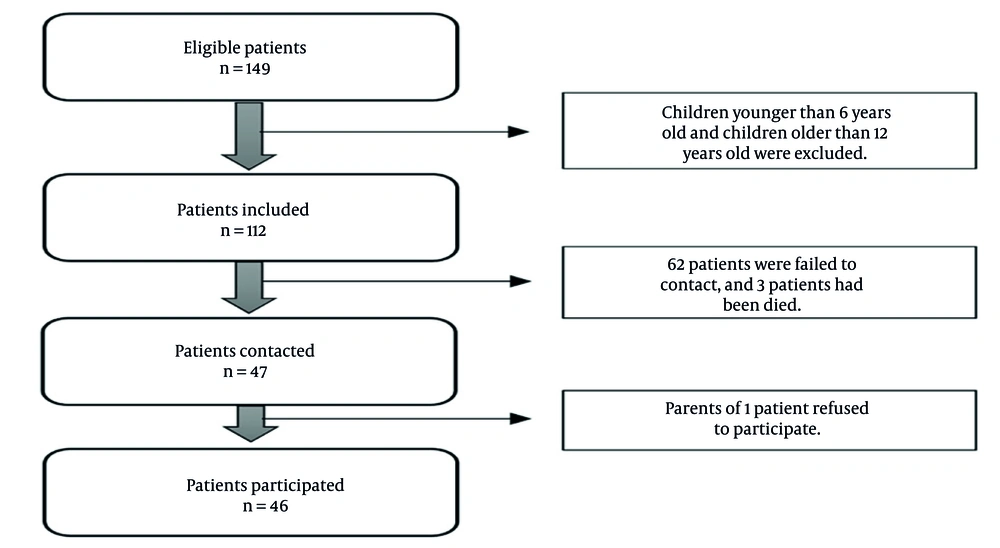
Figure 1.
Flowchart of the participants
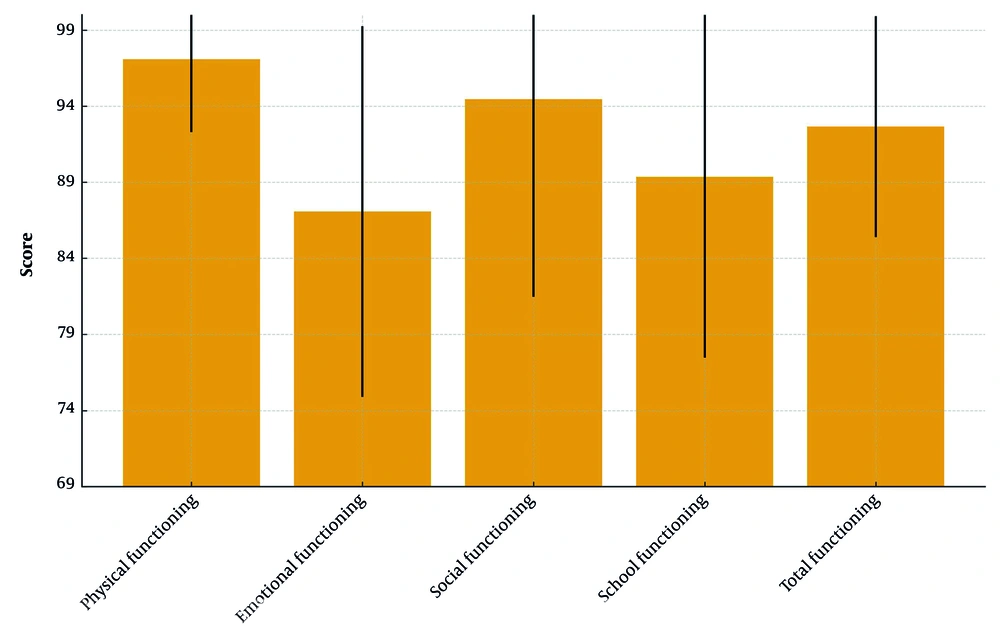
Figure 2.
The distribution of the PedsQL 4.0 scores among participants
5. Discussion
This study primarily sought to examine QOL in children who had undergone operative treatment for ARMs and to compare the results according to patient characteristics. Our study showed that the overall QOL in children with ARMs years after surgery was 92.6 out of 100. Given that the best QOL score is 100, this score can be considered acceptable among our participants.
The findings of the current study indicate a significant correlation between age and social QOL, showing that older individuals had significantly better scores in the social dimension of QOL, with an increase of up to 36% in the social dimension with increasing age. Grano et al. found that the emotional, social, and educational aspects of health-related QOL in children with ARMs were significantly impaired compared with healthy children (14). They included healthy children as controls and used the same PedsQL 4.0 instrument as our study. However, our study was not comparative and therefore did not include a control group. Instead, we focused solely on children with ARMs during childhood after surgical intervention, using the ideal QOL score of 100 as a benchmark.
A review by Feng et al. found that, in their patient cohort, the physical aspect of health-related QOL improved with advancing age, whereas the psychosocial dimension of QOL declined as individuals aged (15). Mukungozi et al., like our study, used a cross-sectional design without a control group and used the PedsQL 4.0 instrument to assess QOL in children with ARMs (16). Their reported overall QOL score was 94, which is comparable to our mean score of 92.6. Their findings suggest that a longer time since the last surgical procedure is associated with increased overall QOL in children with ARMs. Given that the social aspect is a component of overall QOL, our findings align with those of Mukungozi. However, our findings did not reveal a significant association between age and overall QOL. Further studies with larger samples may yield statistically significant results.
Our study highlights a significant association between the age at which surgery is performed and emotional QOL, indicating that QOL values were higher in older age groups, with an increase of up to 25% in the emotional dimension with increasing age at surgery. This may be explained by the maturity of the perineal and rectal muscle complexes at older ages, which may allow a more accurate and correct surgical procedure. Goyal et al. concluded that, depending on the type of abnormality, affected children show more severe intestinal dysfunction than their healthy counterparts; however, they found no significant difference in overall QOL compared with healthy children (17). Our findings were similar to those of Goyal, and the statistical analysis indicated no significant difference across different types of surgery.
In our study, the difference in QOL scores between patients with and without soiling was not statistically significant. However, the mean scores of all QOL subdomains were lower in patients with soiling than in those without soiling (Table 1). This difference aligns with the findings of Senel et al. (18). We interpret that fecal incontinence could induce anxiety and stress in children, thereby affecting their overall QOL. Future studies with more participants and the inclusion of a healthy cohort may contribute more robust evidence to the literature on this topic.
This study showed that congenital cardiovascular anomalies were the most frequently observed disorders related to anorectal abnormalities, followed by urinary tract and kidney anomalies. In addition, QOL among patients with associated anomalies was inferior to that among patients without such anomalies. Although this relationship did not reach statistical significance, the prevalence of associated anomalies was consistent with the results of comparable investigations (2).
Previous research has highlighted the significant influence of the child's caregiver on overall child QOL. This influence was explored by Feng et al., who examined the correlation between parental QOL and child QOL (15). In our investigation, we focused on parental education level and its potential association with child QOL. Although our findings did not reveal a statistically significant relationship between parental education levels and overall child QOL, the role of the child's caregiver in the overall health and QOL of the child remains critical. Meanwhile, the borderline significant relationship between fathers' education level and the emotional subdomain of QOL in children in our study should be considered in future studies.
In our cultural context, fathers’ educational status may influence family socioeconomic resources, health literacy, and health-seeking behavior. Based on our current understanding, limited evidence explores the influence of parental education on QOL in children with ARMs. Targeted psychosocial support, structured bowel management programs, and family-centered counseling may serve as effective intervention strategies to mitigate long-term effects on emotional well-being and social integration, thereby enhancing overall QOL and improving clinical outcomes. We propose that subsequent studies investigate the importance of parental education and information in the care of this group of children.
5.1. Limitations
It is important to recognize the limitations of this study when interpreting its results. The study population lacked a large number of children operated on at our hospital. We were unable to contact this group of patients because of incorrect or missing contact data. Although our sample met the minimum threshold based on prior calculations, subgroup analyses may still have been underpowered, potentially contributing to type II errors in detecting associations. The economic situation of families may have affected the results, which was not considered in our study. Cultural values in our region may also have influenced the results, as parents may refuse to disclose their children's disabilities. In addition, relying solely on parent-proxy reports introduces potential bias. Parents may overestimate or underestimate their child’s QOL because of their own perceptions, expectations, or emotional responses. More longitudinal, multicenter cohort studies are needed to capture changes in QOL over time, particularly as children grow into adolescence and adulthood.
5.2. Conclusions
We concluded that the social component of QOL in children with ARMs scores higher in older children in the years after surgery. Moreover, children with later timing of surgical intervention during infancy had better emotional QOL scores in the years after the operation.