1. Background
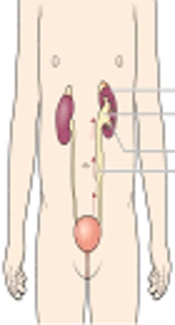
Vesicoureteral reflux (VUR) is the retrograde flow of urine from bladder toward ureter and kidney and is a common problem in young children. Urinary tract infection (UTI) was established as the main cause of renal parenchymal damage in children with VUR. The main goal of this management is to prevent parenchymal renal damage through either continuous antibiotic prophylaxis or reflux correction via surgical or endoscopic interventions. According to recent meta-analyses, it is uncertain whether renal scarring or end-stage renal disease (ESRD) can be prevented with the treatment of VUR (1, 2). Borges Bezerra Teixeira and colleagues study showed no relation between VUR grade and the presence of renal scarring (3).
In a randomized trial, Pennesi et al. found that antibiotic prophylaxis is ineffective in reducing the rate of pyelonephritis recurrence and the incidence of renal damage in children with grade II-IV of the disease (4).
The present study was conducted to evaluate the outcome of surgical interventions in the candidates of this type of management.
2. Methods
The present cross-sectional, retrospective, chart review study was conducted over a 14-year period of 14 years (2002 - 2016), and the charts of all the patients with proven VUR (by VCUG) were evaluated. The study inclusion criteria consisted of having primary reflux (according to the voiding history, physical examination and/or urodynamic evaluation), having been managed by surgical interventions and a minimum follow-up period of five years. Patients with neurogenic bladder were excluded from the study. The indications for surgical intervention include breakthrough urinary tract infection in spite of prophylactic antibiotics, patient’s inability to continue the management, new renal scars, persistent grade IV and V VUR and persisting dilating reflux in girls over age six. The variables compared before and after the surgery (during the follow-up) included the grade of reflux, serum creatinine level, urine cultures and need for hemodialysis because of ESRD. All the patients were checked for the occurrence of ESRD.
3. Results
Of the 420 patients with VUR, 207 cases (59.2% males, 49.8% females) were surgically managed. The patients had a mean age of 4.7 (± 3.59) years (range 4 months to 14 years). 70.5% had bilateral VUR. 73% of the patients had grade IV or V, 24.6% grade III and 2.4% grade II VUR. With surgical management in 78.7% the reflux was completely resolved; in 17.4% the grade of reflux was reduced to grade II, and in 3.9% was reduced to grade III. Eighteen (8.7%) patients with bilateral reflux before the intervention and persistent reflux (grade II or III) after the intervention progressed to ESRD. Progression to ESRD was not significantly linked to the grade of reflux, serum creatinine level or the frequency of positive urine cultures; however, it was significantly linked to both the grade of postoperative VUR and postoperative positive urine culture (P = 0.000) as shown in Tables 1 and 2. The frequency of positive urine culture reduced significantly after the surgery (P = 0.000). ESRD or renal failure was not significantly linked to any of the other variables examined before and after the surgery.
Table 1.
Relation of Post OP VUR Grade and Occurrence of ESRD
| Variables | Post OP VUR Grade | P Value | |||
|---|---|---|---|---|---|
| 0 | 2 | 3 | Total | ||
| ESRD + | 0% (0) | 77% (14) | 22.2% (4) | 100% (18) | < 0.001 |
| ESRD - | 86.2% (163) | 11.6% (22) | 2.1% (4) | 100% (189) | |
| Total | 78.7% (163) | 17.4% (36) | 3.9% (8) | 100% (207) | |
Table 2.
Relation of Post OP Urine Culture and ESRD Occurrence
| Variables | Post OP Urine Culture | P Value | ||
|---|---|---|---|---|
| Positive | Negative | Total | ||
| ESRD + | 14 | 4 | 18 | < 0.001 |
| ESRD - | 81 | 108 | 189 | |
| Total | 95 | 112 | 207 | |
4. Discussion
The main goal of VUR management is to prevent UTI with the administration of antibiotic prophylaxis and/or surgical treatment. It is still uncertain whether or not the treatment of children with VUR has clinically significant benefits and the additional benefits of surgery over antibiotics alone appear to be small at best (1).
There is no evidence suggesting that the comorbidity of UTI and VUR is predictive of renal injury or that the long-term use of anti-microbial prophylaxis or surgical interventions can help prevent renal scarring or its progression. Heckler’s study showed that recurrent reflux and preoperative UTI rates are predictors of postoperative febrile UTIs (5). Nelson mentioned that although there are patients with VUR who have positive results from surgical management, it is unclear which ones and with what criteria they are (6).
The present study shows that surgical interventions have resolved or significantly reduced the reflux and its grade and have also reduced the frequency of positive urine culture; however, this type of management has been unable to prevent the progression of renal damage in all the cases, as 8.7% (n = 18) of the patients ultimately progressed to ESRD. Ibanez Alonso et al. examined 77 children with VUR and reported a 5.1% incidence of CRF at the end of their follow-up (7); that is, despite the correction of reflux or the significant reduction of the frequency of positive urine culture, a number of cases have still developed severe renal damage. Demede et al. note that there is still no consensus on persistent asymptomatic VUR, the indications for antibiotic prophylaxis and its duration, and choice of radical treatment (8).
This study also shows that ESRD is significantly linked to postoperative VUR and the frequency of positive urine culture; that is, a carefully-monitored postoperative care may play a significant role in the prevention of ESRD, especially in the case of those with some grade of VUR and/or positive urine culture remaining after their antireflux surgery; these findings are also confirmed by Jodal et al. (9). Surgical correction of VUR reduces the occurrence of febrile UTI. So it can prevent the ESRD. In one study, Faust writes “Recent studies have challenged the traditional paradigm of aggressive vesicoureteral reflux management with surgery or antibiotic prophylaxis” (10). Some studies have noted the lack of strong evidence on the effectiveness of prophylactic antibiotics or surgical interventions in improving outcomes and have suggested that well-designed genetic epidemiological studies may help better determine the predictive factors of this disease (11). So careful monitoring and follow-up of patients after surgical intervention, especially in the case of those with persistent reflux (of any grade) is essential in preventing renal damage. It seems that vesicoureteral reflux management needs to be re-evaluated.