Fulltext
The full text is available in PDF.
International Cardiovascular Research Journal
An annual journal in scientific affiliation with the Cardiovascular Research Center, Shiraz University of Medical Sciences
Image Credit:Int Cardiovasc Res J
Authors
Background: Rate of mortality due to cardiovascular diseases is high in Maintenance Hemodialysis (MHD) patients. Additionally, prolonged QT interval is reportedly associated with high-risk ventricular arrhythmia and sudden death. Vascular calcification may be related to QT dispersion interval in MHD patients because the extensive nature of the calcification process may involve the conducting system and myocardium.
Objectives: This study aimed to evaluate the relationship between QT interval and Pulse Wave Velocity (PWV) as a sign of arterial stiffness associated with atherosclerosis in MHD patients.
Patients and Methods: This prospective, observational study was conducted on 149 eligible MHD patients for 12 months. Patients using drugs known to affect QT interval were excluded. The patients were divided into four groups as follows: normal corrected QT (QTc) interval at the beginning and end of the study (n = 44, 29.5%), normal QTc interval at the beginning but prolonged QTc interval at the end of the study (n = 30, 20.1%), prolonged QTc interval at the beginning but normal QTc interval at the end of the study (n = 24, 16.1%), and prolonged QTc interval at the beginning and end of the study (n = 51, 34.2%). Demographic parameters, laboratory parameters, and PWV were assessed at the beginning and the 12th month of the study. Then, the data were analyzed using ANOVA or Pearson 2 test and P < 0.05 was considered to be statistically significant.
Results: The study groups were similar with respect to age and comorbidities, including diabetes mellitus, hypertension, and dyslipidemia. In addition, there were no significant differences among the groups regarding the initial PWV (P = 0.412); however, the ending PWV showed significant differences (P = 0.029). The results of multivariate analysis showed that PWV was independently associated with change in the maximum QTc (confidence interval: 0.039 – 1.787, P = 0.031, β = 0.178).
Conclusions: The results suggested inclusion of QTc interval prolongation, as a predictor of cardiovascular disease, either alone or in combination with PWV in such high-risk patients.
© 2017, Author(s). This open-access article is available under the Creative Commons Attribution 4.0 (CC BY 4.0) International License (https://creativecommons.org/licenses/by/4.0/), which allows for unrestricted use, distribution, and reproduction in any medium, provided that the original work is properly cited.
Sathi S, Mahapatra H, Sunder S, Jayaraman R, Sharma N, et al. Nontraditional Cardiovascular Biomarkers and Estimation of Cardiovascular Risk in Predialysis Chronic Kidney Disease Patients and Their Correlations With Carotid Intima Media Thickness. Nephro-Urol Mon. 2014;6(6):e22112. doi: https://doi.org/10.5812/numonthly.22112
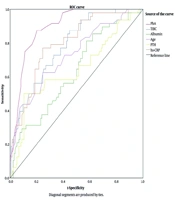
Bui Van T, Mai Thi H, Hoang Anh T, Nguyen Trung K, Pham Duc M, et al. Low Plasma Total Iron-Binding Capacity and Bioimpedance Phase Angle Are Associated with Major Adverse Cardiovascular Events and Mortality in Maintenance Hemodialysis Patients: A Retrospective Cohort Study in Vietnam. Nephro-Urol Mon. 2026;18(2):e169258. doi: https://doi.org/10.5812/numonthly-169258
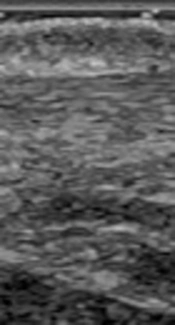
Hekimoglu A, Turan A, Demirler Simsir B, Durmaz HA, Ayli MD, et al. Achilles Tendon Thickness and Stiffness Evaluation with Shear-Wave Elastography in Hemodialysis Patients. I J Radiol. 2019;16(3):e66274. doi: https://doi.org/10.5812/iranjradiol.66274
Moaref A, Zamirian M, Yazdani M, Salehi O, Sayadi M, et al. The Correlation between Echocardiographic Findings and QT Interval in Cirrhotic Patients. Int Cardiovasc Res J. 2017;8(2):e12027. doi:
Samimagham H, Sahebjame M, haghighi A, Javidan M. Left ventricular hypertrophy and calcium, phosphate related factors in chronic hemodialysis patients. Zahedan J Res Med Sci. 2007;9(4):e94759. doi:
Last Update: 3 days ago
Last Update: 3 days ago
Last Update: 3 days ago
Last Update: 5 hours ago
Last Update: 9 hours ago
Last Update: 4 days ago
