



1. Background
Dealing with new conditions and changes in lives, people face a range of challenges affecting how they adapt. Entrance to a university is associated with a range of stressor academic, financial, communication, and social resources, and students may experience failures, conflicts, and stresses and exhibit a range of physiological and psychological reactions to these conditions (1).
Academic burnout is one of the major challenges of achieving learning goals in educational settings (2). Burnout was initially considered a job-related disorder, but the school (academy) is also a place where learners are considered employees. They attend the class at specific times and perform works to pass the test and obtain score (3). Such an environment involves learners in performance-related pressures. Academic burnout in students means the development of the sense of tiredness of doing homework and study, having a pessimistic attitude toward education and educational contexts, and feeling academic inadequacy (4). Three components of academic burnout include academic disinterest, academic inefficiency, and academic fatigue (5). Experimental studies in the area of education have revealed that overlap of work and education, time pressure, lack of self-regulation opportunity, successive evaluations, comparison with peers, poor teaching, poor teacher-student relationships, and starting competition in other areas of life may cause burnout (6). On the other hand, it has been observed that academic burnout is associated with serious psychological and behavioral problems such as depression, poor academic performance, absenteeism as well as dropout (7). In addition, it has a detrimental effect on cognitive commitment, interest in course materials, participation in-class activities, meaningfulness in educational affairs, as well as a sense of ability to learn the course materials (8).
In their research, Seibert et al. (7) emphasized the importance of self-control in reducing academic burnout. They showed that self-regulation along with critical thinking training might reduce academic burnout.
Chang et al. (6) addressed the mediating role of emotion on the relationship between perfectionism and academic burnout and showed that the expression of basic emotions and perfectionism coupled with self-awareness is effective in reducing academic burnout.
Another challenge in the field of learning experienced by some school and university students during their education is academic alienation. Academic alienation is defined as the individual’s disengagement from an educational group that must be a member or from an educational activity that he/she must do, like the rest of the group, which may be subjective or behavioral (9). Research on Iranian universities over the last two decades has revealed that instead of internalization of values, attitudes, and norms appropriate to an effective and efficient academic global culture, we observed the alienation of students. Research has indicated that feelings and attitudes such as fatigue and torment in the classroom, disinterest, lack of deep involvement in classroom discussions, absenteeism, academic theft (plagiarism) are all examples of behaviors and attitudes caused by academic alienation observed in a wide range of students. In addition, thinking and reflection on students’ attitudes, morals, and behaviors of students, and studies on higher education culture and science in Iran indicated the ineffective and passive socialization and culturalization of students. Academic alienation consists of three dimensions of social isolation, disability, and anomaly (10). Social isolation refers to feeling lonely even when being with and talking to others. In this case, the individual believes that he/she has no intimate and meaningful relationship with friends, family, and society. Students that feel isolated tend to break away from main groups and feel a lack of relationship and solidarity with others.
The second dimension, i.e. disability, refers to an individual’s inability to change his/her choices and the belief that he/she has little control over what is happening around him/her. This concept is closely related to the source of external control. Students feeling inability often leave their work or duty when faced with problems or failures. Finally, anomaly means the rejection of dominant values and norms in society. In the school environment, anomalous students feel unrelated to school or classroom norms. They find it difficult to observe the rules and their values and goals conflict with the values of the school, teachers, and students. Anomaly generally happens when the student’s value system conflict with the norms of the school or group in which the individual is a member (1). These feelings influence educational performance, success, and ultimately, the stability of students in the educational context (11). David and Nita (1) addressed the factors influencing students’ compatibility in the first year of university and concerning the association between self-concept and responsibility and academic alienation indicated that students with positive self-concept were less likely to experience academic alienation. Saribagloo (12) analyzed adolescents’ academic alienation by multilevel method and revealed that at the individual level, the basic psychological needs (autonomy, competence, and communication) have a negative and significant effect on academic alienation and at school level, student-teacher relationships and educational opportunities have a negative and significant impact, too.
What is obviously observed in academic burnout and academic alienation is having a defective self-concept and negative self-assessment. These notions of self-academy are a set of meanings and assessments a student finds when contemplating himself/herself as a student. Thus, the cognitive and emotional processes associated with self-concept also become important. In this regard, emotional self-academic and problem-solving ability are important as two related variables.
According to Bar-On (13), emotions give priority to thoughts, form memory, create different problem-solving perspectives, and facilitate creativity. Szczygiel et al. (14) have defined emotional self-awareness as an ability expressing and empowering ones’ and others’ emotions.
In a study by Engelberg and Sjoberg (15), they showed that there was a direct relationship between successful social adjustment and emotions. Weissberg and Cascarino (16) showed that planning and emotional regulation positively correlate with academic performance. Therefore, the first step in controlling emotions such as anger, sadness, ire, and depression is to understand them. Emotional awareness and self-acceptance will lead to increased well-being and health (17) and a lack of emotional awareness and failure to manage emotions will result in a higher rate of anxiety and depression in adolescents (18).
Problem-solving is a cognitive process by which the individual tries to find a suitable solution to a problem (19). Problem-solving is a coping and practical skill-enhancing self-esteem and it is related to personal adjustment. It consists of five steps: self-perception, problem definition, listing different solutions, deciding the most suitable solution, and trying the selected solution (20). The lack of proper problem-solving skills correlates with a number of emotional and behavioral problems in adulthood, including depression and anxiety, hostility, and students’ anxiety in mathematics exams (21). Problem-solving skills are associated with many mental health concepts since they strengthen individuals’ self-esteem and their sense of competence and dominance.
As observed, the common chapter in students’ defective cognitive, emotional, and educational processes is self-academy that is itself rooted in one’s cognitive structures. According to Demicls (2000), automated processing processes are a kind of mindlessness when encountered, the individual makes the least effort to process information in which case information is processed in a predetermined and inflexible way, and the least level of consciousness is achieved by the individual (Constans, 2001). The ability to disable and deactivate such automated processing is possible and indicates cognitive flexibility according to Moore and Malinowski (22). Hence, by defining mindfulness as “drawing individual’s full attention to the present moment’s experience” (23), it seems that mindfulness can be used for students’ cognitive, emotional, and academic problems.
Mindfulness is defined as the state of aroused attention and awareness of what is occurring in the present moment (24). This is targeted attention, coupled with an acceptance of current experiences without judgment (25, 26). Mindfulness helps us understand that negative emotions are possible to occur. However, they are not a permanent part of the character. It also allows the individual to respond with thought and reflection rather than responding to events unthinkingly and automatically (27).
Calvete et al. (28), in a one-year longitudinal study on 1,257 adolescents aged 14 to 18 years, addressed the self-consciousness caused by mindfulness exercises on stressors and physiological symptoms in adolescents. The results indicated that self-consciousness weakened the link between stressors, external problems and antisocial behaviors, such that the violent and antisocial behaviors of these adolescents decrease, whereas their positive social behaviors increase. Moreover, depression and substance abuse symptoms in these adolescents decrease. Hanley and Garland (29) have conducted research under the title of mind clarity: the common structure of mindfulness, psychological well-being, and self-efficacy. This study has compared the effect of two methods of mindfulness and psychological well-being on the self-efficacy of 1,089 B.A students.
Students were assigned to four intervention and control groups. It was found that mindfulness, due to non-judgmental dimension, has had more effect on students’ self-efficacy and influenced students’ beliefs about themselves and their performance. Davis et al. (30) in their study on the effect of mindfulness on the relationship between attachment and satisfaction with life in adults concluded that mindfulness could serve as a powerful mediator to reduce the effects of insecure attachment on feelings of satisfaction with life. Zimmaro et al. (31) investigated the effect of mindfulness training on stress, cortisol level and well-being in students and showed that mindfulness thinking could be effective in reducing psychological and biological stress. Students who received mindfulness training had lower stress levels and lower cortisol levels than other students.
Leland (32) in his research has examined mindfulness and academic achievement and showed that mindfulness had positive effects on learning. Students trained in mindfulness had the lowest levels of conflict and violence, appeared to be more capable in learning, and performed better in controlling emotion, stress, as well as group leadership.
Caldwell et al. (2010) in their research indicated that mindfulness prepares the mental processes for deep learning through increased attention capacity and improved conscious attention. Jane et al. (2007) showed that mindfulness meditation significantly reduced the tendency to rumination and the use of inflexible cognitive styles in problem-solving.
Mindfulness method has been well used in the treatment of anxiety, stress, psychosomatic diseases, pain relief, and numerous internal and external researches have proven its effectiveness; nevertheless, in the area of learning and teaching, as well as cognitive research processes, a few research has been done in the country and most of which have been based on general stress reduction techniques. On the other hand, it has been shown in the conducted researches that the problems of the students have not been fully and comprehensively studied and the relevant variables have been studied regardless of the relationship between them. While the country’s student community suffers from problems such as academic burnout and alienation, the lack of motivation to continue their routine life and to escape the resulting psychological stress tended to maladaptive and sometimes self-harming ways, the vacancies of educational and attractive curriculum rooted in the East and away from medication that can rely on self-consciousness and intrinsic motivation to get out of these problems are strongly felt.
2. Objectives
Therefore, this study has been formulated as applied research with the target population of medical students to enhance the efficiency of mindfulness in solving cognitive, emotional and academic problems of medical students and provide a context for future research. The main hypothesis of the present study is “mindfulness training program is effective on problem-solving ability, emotional self- awareness, academic burnout, and academic alienation”. The research sub-hypotheses are:
A- Mindfulness training program is effective in problem-solving ability.
B- Mindfulness training program is effective in emotional self-awareness.
C- Mindfulness training program is effective in academic burnout.
D- Mindfulness training program is effective in academic alienation.
3. Methods
According to these aims, the hypothesis and nature of the study, the research was conducted using correlation, quantitative, applied, and semi-experimental studies based on pre-test-post-test compared with the control group.
The statistical population consisted of 250 students at the third year of general medicine at Tehran University of Medical Sciences during the first semester of the academic year 2017 - 18.
The sample size was determined by available sampling method and 152 subjects were first selected using Krejcie table. Consent was obtained from the students, then the pre-test was conducted on them, and secondly, the students who achieved the highest score on the dependent variables based on the cut-off point of each research tool were invited to continue the research. They were the students who had the lowest scores in problem-solving and self-consciousness questionnaires, and the highest score in the academic burnout and self-esteem questionnaires based on the cut-off point and they were willing to participate in the research.
At this stage, power analysis was utilized to determine the optimum sample size. To have an effect size of 0.7 with a two-domain error level of 0.05 and an equal ratio of individuals in the two groups, 28 individuals are needed to compare K variables. Accordingly, 30 individuals were selected from the population as the sample group. The selected subjects were assigned into two groups of 15 persons in a completely randomized and non-gendered manner (using random number table).
After training, both control and post-test groups conducted post-test and two 1.5- and 3-months follow-up were performed for the experimental group.
The inclusion criteria included the lack of familiarity with mindfulness, the lack of mental and psychosomatic diseases, no use of psychotropic substances in any form, as well as no alcohol use and commitment to complete the research without any training such as yoga, meditation, and attention-increasing classes. Students were fully free of withdrawing from the plan and learning course and excluded if the inclusion criteria were violated.
3.1. Research Tools
3.1.1. Five Fact Mindfulness Questioner
This is a 39-item self-assessment tool designed by Baer et al. (33) and its components are observation, conscious action, non-judgmental attitude towards internal experience, descriptive and nonreactive nature. Based on the results, the internal consistency of factors was appropriate and the alpha coefficient ranged from 0.75 (in non-reactive factor) to 0.91 (in the descriptive factor). In the study of validity and reliability of this questionnaire in Iran, the correlation coefficients were between 0.57 (non-judgmental factor) and 0.84 (observation factor). In the present study, the alpha coefficients were obtained between 0.63 for non-judgmental and 0.81 for observation factor.
3.1.2. Emotional Self-Awareness Questionnaire
Made by Grant et al. (34), this questionnaire has 33 items. This scale has five components of recognition, identification, transformation, environmentalism, and problem-solving. In the study of Grant et al., the reliability of the scale was reported 0.83. In the research of Mahna and Tale’ Pasand (2016), the reliability of the scale was 0.79. In the current study, Cronbach’s alpha ranged from 0.68 for environmentalism to 0.79 for recognition.
3.1.3. Problem-Solving Style Questionnaire
The Cassidy and Long (35) problem-solving style questionnaire contains 24 questions measuring six factors, including helplessness in problem-solving or orientation, problem-solving control, creative problem-solving, problem-solving confidence, avoidance style, attitude style, or approach.
In a study, Cassidy and Long (35) calculated Cronbach’s alpha for this questionnaire for styles of helplessness, control, creativity, trust, avoidance and tendency were 0.66, 0.66, 0.71, 0.52, and 0.65, respectively. Using Cronbach’s alpha coefficient, Mohammadi and Sahebi (1998) reported the internal reliability of this test 0.60. In the present study, Cronbach’s alpha for the styles of helplessness, control, creativity, trust, avoidance, and tendency were 0.71, 0.69, 0.56, 0.70, 0.65, and 0.73, respectively.
3.1.4. Burnout Maslach Inventory
Burnout Maslach inventory-student form (36), is the modified form of Maslach burnout inventory-general form, modified for use in the student sample by Maslach et al. (37). This questionnaire measures three dimensions of emotional exhaustion, skepticism, and academic self-efficacy.
In the study of Rostami and Abedi (38), the reliability coefficient for emotional exhaustion was 0.89, 0.84 for skepticism, and 0.67 for academic self-efficacy. In the present study, Cronbach’s alpha for emotional exhaustion was 0.69, 0.55 for skepticism, and 0.77 for academic self-efficacy.
3.1.5. Academic Alienation Questionnaire
In order to measure the variable of “academic alienation”, the scale of Dillon and Grout (39) was used. The questionnaire consists of 3 dimensions and 17 items as follows:
Feeling anomalous, feeling disability, and feeling isolated.
In Rovai and Whighting research (11), the reliability coefficient of this scale using Cronbach’s alpha for the whole scale was 0.77 and 0.70 for feeling isolated, 0.71 for disability and 0.69 for anomaly. In the study of Qalavandi et al. (2013) on 289 high school students in Qom, Cronbach’s alpha coefficient was 0.86 for total scale, 0.81 for isolation, 0.81 for disability, and 0.77 for anomaly, indicating good reliability of the tool. Also in this study, Cronbach’s alpha for anomaly was 0.75, 0.59 for disability and 0.70 for isolation.
Mindfulness training is based on a mindfulness-based social and emotional learning curriculum, briefly called the MINDUP program. The program was designed by Roeser, a professor of psychology at the Portland State University, USA, and Schonert-Reichl, a professor of psychology at the British Columbia University, Canada (40) in learning and educational psychology. The MINDUP is an operational developed program based on the principles of learning psychology aiming at training mindfulness, reducing anxiety, creating a good feeling for learners, and promoting academic success.
The MINDUP is based on the principles of emotional and social learning and it includes exercises adapted from the Buddhist Meditation program. This program tries to promote self-consciousness and emotional mental mindfulness along with the development of compassion, moderation, and avoidance of judgment and intellectual clarity and attempts to promote human psychological well-being in various dimensions (41). The core of MINDUP is mindfulness, precision, and conscious exercises that can enhance executive and self-management activities while enhancing mental well-being and happiness (42). Schonert-Reichl and Roeser have reported detailed studies of evaluations made about the MINDUP program. According to the confirmatory evaluation reports of the aforementioned program, the researcher used Fortaleza questionnaire (2017) that examines the face validity of health education programs for post-translational program validation and program compilation. This questionnaire measures the curriculum in three areas of scientific (program purpose or intention), structure (organization, strategy, stability, and competence) and relevance (importance, impact, motivation, and interest). To this end, the curriculum, along with the questionnaire, was sent to 10 professors of educational and learning psychology, clinical psychology, and health psychology who were dominant in mindfulness and the modifying comments of the professors were utilized.
A pilot study was first conducted to test the effectiveness of the program. The interested MA students of medical sciences, nursing and midwifery faculties of Tehran University of Medical Sciences were publicly invited with the consent of the deputies of the faculties of education. Finally, 20 students were selected according to the main inclusion criteria of the research. The five fact mindfulness questionnaire (FFMQ) was filled as a pre-test and then the curriculum was implemented and the students’ mindfulness questionnaire was completed again as post-test. The results showed a significant change in the students’ mindfulness level (Table 1).
Table 1.Results of Dependent t-Test for Comparing the Mindfulness Components Before and After the Implementation of Intervention Package
| Comparison | T | Df | Significance Level | |
|---|---|---|---|---|
| Pre-test observation | Post-test observation | 4.025 | 18 | 0.001 |
| Pre-test description | Post-test description | 3.240 | 18 | 0.005 |
| Pre-test of action with awareness | Post-test of action with awareness | 8.110 | 18 | 0.000 |
| Pre-test of non-judgment | Post-test of non-judgment | 3.240 | 18 | 0.005 |
| Pre-test of non-reaction | Post-test of non-reaction | 9.347 | 18 | 0.000 |
3.2. Content of Training Sessions
3.2.1. First Session
The group members first got familiar with each other and they were given explanations about the history of mindfulness and how this method could help the participant. It was explained that the first step in learning is to pay attention in a purposeful way, focus on the present moment, and the non-judgment. How to focus your wandering mind on a single point, and this can be started by paying attention to different parts of the body and the five senses. Two raisin meditation and eating meditation exercises were taught.
3.2.2. Second Session
At first, the students’ homework was reviewed and the questions and problems they encountered during the training were answered. Then body scanning and sitting meditation were taught.
3.2.3. Third Session
A three-minute mindful breathing mediation and walking meditation were taught in this session.
3.2.4. Fourth Session
At first, three-minute breathing and walking meditation were performed, and then the mountain meditation and anchor at the bottom of a stormy sea were taught.
3.2.5. Fifth Session
The waterfall of thoughts mediation and the metaphor of leaves on a stream were taught to understand that thoughts are different from facts.
3.2.6. Sixth Session
This session addresses the relationship between oneself and others and its effects. Many aspects of alienation and burnouts have been taught through the effects occurring in relationships with others. To this end, forgiveness and love to self and others were taught.
After one week, post-test was conducted and two 1.5-month and 3-month follow-up were also performed. The results were analyzed in two descriptive and inferential parts based on analysis of variance (ANOVA) and repeated measures multivariate analysis using SPSS 23.
4. Results
In the present study, in order to evaluate the effectiveness of the intervention method, multivariate repeated measure ANOVA F-test was used. Owing to there were more than one variable in the two groups and the correlation between dependent variables, it was necessary to perform multivariate test. Each scale was implemented four times with time intervals, and the within-subject factor of time was assessed as a source of effect. Prior to addressing the research hypotheses, we investigate the demographic information and descriptive indicators.
Subjects participated in this study were assigned to two experimental and control groups. In the experimental group, five (33.3%) were 20 years old, eight (53.3%) were 21 years old and two (13.3%) were 22 years old.
In the control group, four subjects (26.7%) were 20 years old, ten (66.7%) were 21 years old, and one (6.7%) was 22 years old. In total, nine (30.0%) were 20 years old, eighteen (60.0%) were 21 years old and three (10.0%) were 22 years old.
Ten women (33.3%) and twenty men (66.7%) participated in the study sample. In fact, five women (33.3%) and ten men (66.7%) participated in each group (experiment and control). The majority of the study sample (28 of 30, 93.3%) were single and there was one married subject in each group (6.7%).
4.1. The First Hypothesis: The Mindfulness Training Program (MINDUP) Is Effective in Problem-Solving Ability
In the present study, Cassidy and Long (35) problem-solving scale was used for measuring problem-solving ability. This scale measures problem-solving ability in styles of helplessness, control, creativity, trust, avoidance, and tendency. Before implementing the test, the correlation between the two measures was examined in two steps of the test. Relationship between pre-test and post-test scores of helplessness (P < 0.01, r = 0.47), control (P < 0.01, r = 0.62), creativity (P < 0.01, r = 0.56), trust (P < 0.01, r = 0.70), avoidance (P < 0.01, r = 0.60), and tendency (P < 0.01, r = 0.73) that were statistically significant.
Moreover, the normal distribution was evaluated using Shapiro-Wilk test. Distribution index for helplessness (df = 30, statistic = 0.96, P > 0.05), control (df = 30, statistic = 0.93, P > 0.05), creativity (df = 30, statistic = 0.90, P > 0.05), trust (df = 30, statistic = 0.96, P > 0.05), avoidance (df = 30, statistic = 0.98, P > 0.05), and tendency (df = 30, statistic = 0.90, P > 0.05) was not out of the normal range. The assumption of homogeneity of slope of the regression lines was considered too. Levin test also supported the equality of variance of post-test scores in the two groups. The obtained F values were not statistically significant for any of the variables. Hence, the variance of the post-test scores is equal in the two groups. Mauchly’s sphericity test was used to investigate the hypothesis of sphericity distributions. The non-significant P value for the problem-solving dimension scores revealed that the sphericity distribution was also supported in this analysis (Table 2).
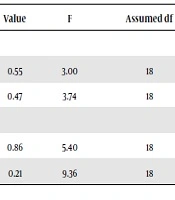
Table 2.Multivariate Test Results for Problem-Solving Scores
| Effect | Value | F | Assumed df | Error df | P | Effect Size |
|---|---|---|---|---|---|---|
| Time | ||||||
| Pillai’s Trace | 0.55 | 3.00 | 18 | 243 | < 0.01 | 0.18 |
| Wilks Lambda | 0.47 | 3.74 | 18 | 223 | < 0.01 | 0.22 |
| Time * group | ||||||
| Pillai’s Trace | 0.86 | 5.40 | 18 | 243 | < 0.01 | 0.28 |
| Wilks Lambda | 0.21 | 9.36 | 18 | 223 | < 0.01 | 0.41 |
In this table, the values of the Pillai’s Trace (the most conservative test) and Wilks Lambda (the most common test) for the two time and time * group impacts are reported. Given the significance (P < 0.01) of the F-values (P < 0.01, F18, 243 = 3.74) for time, it appears that regardless of the groups, there is a difference among the scores of the problem-solving components in the three measurement stages. The effect size of this difference is statistically significant (Partial Eta = 0.22). Furthermore, the F-values (P < 0.01, F18, 243 = 9.36) were significant for the interaction effect (Partial Eta = 0.41). This finding reveals the effect of experimental practice on interaction with time.
4.2. The Second Hypothesis: Mindfulness Training Program Is Effective in Emotional Self-Awareness
Emotional self-awareness was measured using Grant et al. study (34). Accordingly, five subscales of problem-solving, environmentalism, transformation, identification, and recognition were considered to be emotional self- awareness indicators. The relationship between pre-test and post-test scores of problem-solving (P < 0.01, r = 0.61), environmentalism (P < 0.01, r = 0.69), transformation (P < 0.01, r = 0.56), identification (P < 0.01, r = 0.60), and recognition (P < 0.01, r = 0.71) was positive and significant.
Shapiro-Wilk test confirmed the normality of distribution of the scores. Shapiro-Wilk statistic for problem-solving (df = 30, statistic = 0.94, P > 0.05), environmentalism (df = 30, statistic = 0.92, P > 0.05), transformation (df = 30, statistic = 0.96, P > 0.05), identification (df = 30, statistic = 0.93, P > 0.05), and recognition (df = 30, statistic = 0.93, P > 0.05) was not significant and this indicates that none of the distributions has a serious deviation from the normal state (Table 3).
Table 3.Multivariate Test Results for Dimensions of Emotional Self-Awareness Scores
| Effect | Value | F | Assumed df | Error df | P | Effect Size |
|---|---|---|---|---|---|---|
| Time | ||||||
| Pillai’s Trace | 0.56 | 3.80 | 15 | 246 | < 0.01 | 0.19 |
| Wilks Lambda | 0.47 | 4.57 | 15 | 221 | < 0.01 | 0.22 |
| Time * group | ||||||
| Pillai’s Trace | 0.64 | 4.46 | 15 | 246 | < 0.01 | 0.21 |
| Wilks Lambda | 0.41 | 5.54 | 15 | 221 | < 0.01 | 0.25 |
The F-values are statistically significant for time (P < 0.01, F15.246 = 4.57) and the effect of group’s interaction with time (P < 0.01, F15.246 = 5.54). The significance of the effect of time indicated that in the three measurement stages, emotional self-awareness scores were significantly different (Partial Eta = 0.22). This difference is without any group separation. The significance of the F-index for the effect group’s interaction with time indicates that the differences in scores over time were not the same for the two groups (Partial Eta = 0.25).
4.3. The Third Hypothesis: Mindfulness Training Program Is Effective in Academic Burnout
Academic burnout in this study refers to the dimensions of emotional exhaustion, skepticism and academic self-efficacy. These dimensions were analyzed using the questionnaire of Maslach et al. (36). According to the correlation test results, the pre-test and post-test scores of emotional exhaustion (P < 0.01, r = 0.60), skepticism (P < 0.01, r = 0.55) and self-efficacy (P < 0.01, r = 0.47) are positive and significant. The distribution normality was evaluated using Shapiro-Wilk test. The obtained statistics were statistically significant: emotional exhaustion (P > 0.05, statistic = 0.94, df = 30), skepticism (P > 0.05, statistic = 0.92, df = 30), and self-efficacy (P > 0.05, statistic = 0.91, df = 30) were not significant and accordingly, it can be concluded that the present distributions did not significantly deviate from the normal state (Table 4).
Table 4.Multivariate Test Results for Dimensions of Academic Burnout Self-Consciousness Scores
| Effect | Value | F | Assumed df | Error df | P | Effect Size |
|---|---|---|---|---|---|---|
| Time | ||||||
| Pillai’s Trace | 0.47 | 5.15 | 9 | 252 | < 0.01 | 0.15 |
| Wilks Lambda | 0.54 | 6.34 | 9 | 199 | < 0.01 | 0.18 |
| Time * group | ||||||
| Pillai’s Trace | 0.62 | 7.32 | 9 | 252 | < 0.01 | 0.21 |
| Wilks Lambda | 0.38 | 10.85 | 9 | 199 | < 0.01 | 0.28 |
The F index was statistically significant for time (P < 0.01, F9.199 = 6.34) and the effect of group’s interaction with time (P < 0.01, F9.199 = 5.54). In other words, in the three measurement stages, regardless of group, academic burnout scores significantly changed (Partial Eta = 0.18). Moreover, it can be concluded that this change was different for the two groups over time (Partial Eta = 0.28).
4.4. The Fourth Hypothesis: Mindfulness Training Program Is Effective in Academic Alienation
In the present study, alienation was measured by the scale of Dillon and Grout (39). This scale measures the three dimensions of meaninglessness, disability, and isolation. Correlation between pre-test and post-test scores of meaninglessness (P < 0.01, r = 0.66), disability (P < 0.01, r = 0.68) and isolation (P < 0.01, r = 0.71) are positive and significant. After correcting the distribution of scores with boundary values, Shapiro-Wilk test showed that the shape of the distribution did not significantly deviate from the normal state. Shapiro-Wilk index for meaninglessness (df = 0.30, statistic = 0.91, P > 0.05), disability (df = 0.30, statistic = 0.96, P > 0.05), and isolation (df = 0.30, statistic = 0.94, P > 0.05) was not significant. In other words, it can be concluded that the present distributions do not significantly deviate from the normal state (Table 5).
Table 5.Multivariate Test Results for Dimensions of Academic Alienation Scores
| Effect | Value | F | Assumed df | Error df | P | Effect Size |
|---|---|---|---|---|---|---|
| Time | ||||||
| Pillai’s Trace | 0.47 | 5.16 | 9 | 252 | < 0.01 | 0.16 |
| Wilks Lambda | 0.53 | 6.50 | 9 | 199 | < 0.01 | 0.19 |
| Time * group | ||||||
| Pillai’s Trace | 0.49 | 5.53 | 9 | 252 | < 0.01 | 0.17 |
| Wilks Lambda | 0.51 | 6.99 | 9 | 199 | < 0.01 | 0.20 |
The F-index was statistically significant for time (P < 0.01, F9.199 = 6.50) and the effect of group’s interaction with time (P < 0.01, F9.199 = 6.99). Therefore, in the three measurement stages, scores of academic alienation significantly changed regardless of group (Partial Eta = 0.19). Furthermore, it can be concluded that this change was different for the two groups over time (Partial Eta = 0.20).
5. Discussion
The research results showed that mindfulness training program (MINDUP) positively and significantly influences the problem-solving ability and emotional self-awareness. This plan may also reduce academic burnout and academic alienation of students. The results of the study are consistent with previous research. Calvete et al. (28) revealed that mindfulness exercises decrease the link between stressors and increase self-awareness. Hanley and Garland (29) found a significant and positive relationship between mindfulness and academic self-efficacy. Zimmaro et al. (31) indicated that students receiving mindfulness training experience less stress. Leland (32) showed the positive effects of mindfulness on learning and academic success, and Caldwell declared that mindfulness prepares mental processes for deep learning. Mindfulness is defined as the state of aroused attention and awareness of what is occurring in the present moment; thus it helps the individual understand negative emotions possibly occur. However, they are not a permanent part of the character. Mindfulness exercises expand emotional regulation through increasing consciousness and nonjudgmental acceptance of the thoughts and emotions associated with it and thus help the person to focus on the subject matter and increase emotional self-consciousness. On the other hand, in mindfulness exercises, individuals learn to pay attention to their inner and outer experiences at every moment without judgment and become aware of them. Thus, instead of prejudging the future, they learn to pay attention to the present moment and respond to it rather than react. This enables them to utilize their mental capacities to increase their problem-solving ability. Mindfulness increases the capacity and ability of the information processing system and its exercises may serve as an early warning system to prevent the onset of a mental conflict like the one observed in academic burnout. On the other hand, given its nonjudgmental aspect, mindfulness has a greater impact on students’ self-efficacy and increases their beliefs in themselves. Increased self-efficacy may prevent academic alienation through increasing self-esteem. It is noteworthy that since the mindfulness exercises continue after the end of the course and the individual is scheduled to do these exercises out of the group, it is expected that changes will continue to be significantly sustained after follow-up.
5.1. Conclusions
As one of the third wave therapies and with emphasis on targeted attention, coupled with nonjudgmental acceptance of current experiences, in addition to therapeutic cases, mindfulness may be used in the context of learning and solving educational problems in which the self-awareness level of individual changes. Problems such as academic burnout and academic alienation that are frequently observed among students and imposing burdensome costs to the educational system and are evidence of low levels of problem-solving level and emotional self-awareness among students can be reduced by training mindfulness at the beginning of college entry. The proposed method in this study is easy to learn and not costly, and it will be enjoyable for students due to the variety of exercises. Nevertheless, little research has been performed on the application of mindfulness in the field of education, and it is recommended to expand research in this field to other student groups and address academic pathology. The limitations of this study include the studied community and its availability and its generalizability is performed with caution.