
1. Context
Biofilms are highly structured microbial communities encased in a self-produced extracellular polymeric substance (EPS) matrix that adheres to biological tissues or inert surfaces (1). This lifestyle markedly enhances microbial survival under harsh conditions, confers broad resistance to antimicrobial agents, and facilitates evasion of host immune surveillance (2, 3). Consequently, biofilm formation is recognized as a primary driver of persistence and recurrence in various chronic infectious diseases (4). In contrast to acute infections caused by planktonic bacteria, biofilm-associated pathogens establish persistent microbial niches that chronically stimulate the host immune system (5). This persistent stimulation activates several pivotal inflammatory signaling cascades, including Toll-like receptor (TLR) pathways, nuclear factor-kappa B (NF-κB) activation, and inflammasome complex assembly (6). These pathways promote the sustained release of proinflammatory cytokines, notably interleukin-1β (IL-1β), interleukin-6 (IL-6), and tumor necrosis factor-α (TNF-α), which are hallmark mediators of chronic inflammation (7). The pathological impact of biofilm-mediated inflammation is evident across a broad spectrum of clinical conditions. Prominent examples include nonhealing wound infections, pulmonary infections in patients with cystic fibrosis, prosthetic joint and implant-associated infections, recurrent urinary tract infections, and persistent apical periodontitis, often attributed to pathogens such as Enterococcus faecalis (8). In all these scenarios, the biofilm matrix plays a dual detrimental role: it not only shields bacterial communities from effective antibiotic penetration but also dysregulates host immune responses, ultimately perpetuating local tissue destruction and impairing normal healing processes (9). Recent advances in microbiology and immunology have begun to elucidate the intricate crosstalk between biofilm-forming microbes and host defense systems. A narrative synthesis of these host-pathogen interactions can inform the design of next-generation therapeutic regimens that effectively dismantle biofilm architecture while concurrently quelling harmful inflammatory cascades (10). This review aims to consolidate current scientific evidence regarding the contributory role of biofilms in chronic inflammation and to provide mechanistic insights into the associated host-pathogen interplay. Specifically, we address three core questions:
How do microbial biofilms drive the protracted inflammatory state observed in chronic infections?
Which specific molecular signaling networks and immune effectors are engaged during biofilm-induced inflammatory responses?
What innovative therapeutic strategies are currently emerging that can simultaneously target biofilm integrity and modulate the ensuing inflammatory pathology?
By synthesizing interdisciplinary knowledge from microbiology, immunology, and translational clinical research, this review highlights promising therapeutic avenues that may improve the clinical management of biofilm-associated chronic diseases and substantially mitigate their global health burden (11).
2. Evidence Acquisition
2.1. Literature Search Strategy and Selection Criteria
This narrative review identified evidence on biofilm formation, host immune responses, and inflammation associated with chronic infections. Electronic databases, including PubMed/MEDLINE, Scopus, Web of Science, and Google Scholar, were systematically searched for relevant studies published between 2000 and 2025 (12, 13). The search strategy combined Medical Subject Headings (MeSH) terms and free-text keywords. Primary search terms included biofilm, biofilm-associated infections, chronic inflammation, host-pathogen interaction, quorum sensing, immune response, NF-κB signaling, inflammasome, antibiofilm therapy, and chronic bacterial infection. Boolean operators (AND, OR) were used to optimize search results (14). Study selection proceeded in three stages. First, the titles and abstracts of all retrieved records were screened for relevance. Second, the full texts of potentially eligible articles were reviewed in detail. Third, the reference lists of selected publications were manually examined to identify additional relevant studies (15). Approximately 190 publications were initially retrieved. After removing duplicates and screening titles and abstracts, 102 articles remained for full-text evaluation. Ultimately, 74 studies directly addressing biofilm formation, inflammatory signaling, and therapeutic strategies were included in this review (16). The study identification and selection process is summarized in the flow diagram in Figure 1. Inclusion criteria comprised original research, clinical studies, systematic reviews, and meta-analyses focusing on biofilm mechanisms and chronic infections, published in peer-reviewed journals with clearly defined methodologies (17). Exclusion criteria included studies lacking methodological transparency, conference abstracts without full texts, non-English publications, and articles not directly addressing biofilm-associated inflammation or interventions (18). This narrative review was not prospectively registered in any public database, and no formal review protocol was prepared or published. The literature search, study screening, and article selection were conducted independently by the authors through manual evaluation. No automation tools were used during the screening process, and no additional data were requested from investigators of the included studies. Given the narrative nature of this review, a formal risk-of-bias assessment using a standardized tool was not systematically performed. Instead, the included studies were appraised qualitatively based on methodological clarity, scientific relevance, and contributions to understanding biofilm-mediated inflammatory processes. This approach ensured a rigorous evaluation of current knowledge regarding biofilm-associated infections and therapeutic strategies.
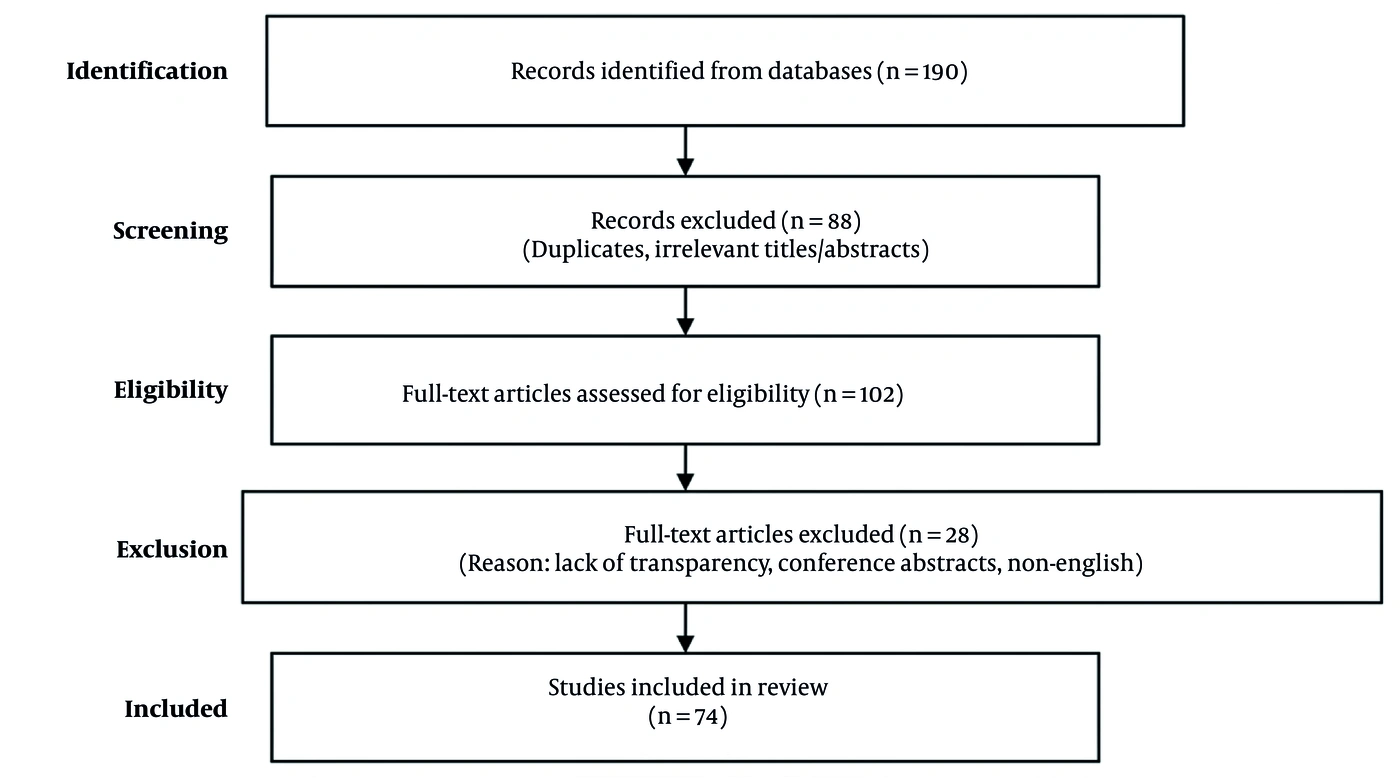
Figure 1.
Flow diagram of the literature search and study selection process. A total of 190 records were identified from electronic databases. Following the removal of duplicates and screening of titles and abstracts, 102 articles underwent full-text assessment. Finally, 74 studies were included in this narrative review based on the defined inclusion and exclusion criteria.
3. Results
3.1. Biofilm Formation and Structural Characteristics
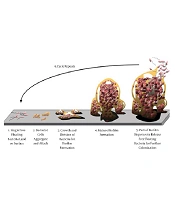
Biofilms are structured microbial communities that adhere to biological tissues or artificial surfaces and are encased in a self-produced EPS matrix composed primarily of polysaccharides, proteins, extracellular DNA (eDNA), and lipids (19). Biofilm formation is a dynamic, multistep process encompassing microbial adhesion, microcolony development, maturation, and eventual dispersal. In the initial stage, planktonic cells reversibly attach to surfaces via weak physicochemical interactions, followed by irreversible adhesion mediated by surface proteins, pili, and adhesins (20). As the biofilm develops, bacterial proliferation and EPS production generate a three-dimensional matrix surrounding the community. Mature biofilms exhibit complex architectures featuring water channels that facilitate nutrient transport and waste removal (21). Finally, dispersal occurs in response to environmental triggers, releasing bacterial cells to colonize new sites. These structural features underpin the remarkable resistance of biofilms to antimicrobial agents and host immunity (22).
3.2. Major Microorganisms Involved in Biofilm-Associated Chronic Infections
As shown in Table 1, numerous bacterial species form biofilms and contribute to chronic infections and possess specific virulence factors that promote adhesion, immune evasion, and persistence. These pathogens are commonly implicated in respiratory infections, chronic wounds, implant-associated infections, and persistent dental infections (23).
Table 1.
Major Pathogens Associated with Biofilm-Mediated Chronic Infections
| Pathogen | Associated Diseases | Major Virulence Factors | Inflammatory Impact |
|---|---|---|---|
| Pseudomonas aeruginosa | Cystic fibrosis lung infection | Alginate production, quorum sensing | Persistent pulmonary inflammation |
| Staphylococcus aureus | Chronic wounds, implant infections | Adhesins, toxins, biofilm matrix proteins | Tissue destruction and delayed healing |
| Enterococcus faecalis | Persistent endodontic infections | Gelatinase, aggregation substance | Chronic periapical inflammation |
| Escherichia coli | Urinary tract infections | Fimbriae, adhesins | Recurrent inflammatory responses |
| Candida albicans | Oral and catheter infections | Hyphal formation, biofilm matrix | Chronic mucosal inflammation |
3.3. Polymicrobial Biofilms: Complexity and Clinical Significance
While the preceding sections focus primarily on monomicrobial biofilm communities, it is important to acknowledge that chronic infections frequently involve polymicrobial biofilms, in which multiple bacterial and fungal species coexist within a shared extracellular matrix (24). Polymicrobial biofilms are prevalent in diverse clinical settings, including chronic wound infections, cystic fibrosis lung disease, oral infections, and device-associated infections (25). The coexistence of multiple microbial species within a single biofilm community introduces additional layers of complexity to both pathogenesis and therapeutic management. Interspecies interactions within polymicrobial biofilms can be synergistic, antagonistic, or neutral and can substantially influence community structure, virulence, and inflammatory potential (26). Synergistic interactions often enhance biofilm biomass, metabolic cooperation, and antimicrobial tolerance, thereby exacerbating infection severity and contributing to treatment failure. For instance, coinfection with Pseudomonas aeruginosa and Staphylococcus aureus in chronic wounds and cystic fibrosis lungs exemplifies clinically relevant polymicrobial interactions. These pathogens engage in complex cross-kingdom or interspecies signaling, in which metabolic byproducts from one organism can promote the growth or biofilm formation of the other, further complicating therapeutic eradication (27). Polymicrobial biofilms also modulate host inflammatory responses in ways distinct from monomicrobial infections. The combined presence of multiple microbial species can amplify inflammatory signaling through synergistic activation of host pattern recognition receptors, leading to enhanced production of proinflammatory cytokines and more extensive tissue damage (28). Additionally, polymicrobial communities may promote immune evasion by altering surface antigen expression, modulating host defense mechanisms, or inducing immunotolerance, resulting in persistent inflammation and delayed resolution (29). The therapeutic implications of polymicrobial biofilm formation are substantial. The presence of multiple species often renders conventional antibiotic therapy even less effective because of diverse resistance mechanisms, metabolic interactions, and the physical barrier of the shared EPS matrix. Consequently, emerging antibiofilm strategies must account for polymicrobial complexity. Combination therapies that target multiple microbial species simultaneously, alongside host-directed anti-inflammatory approaches, are likely necessary for effective clinical management. Although monomicrobial models are useful for defining structure–function relationships and discrete inflammatory pathways, they do not fully recapitulate most chronic infections. The present section therefore addresses polymicrobial biofilms as a clinically dominant but mechanistically more complex setting.
3.4. Molecular Pathways of Biofilm-Induced Inflammation
Microbial biofilms activate several molecular cascades that drive chronic inflammation. Host pattern recognition receptors, particularly TLRs, detect microbial components such as lipopolysaccharides, peptidoglycan fragments, and eDNA (30). Receptor activation initiates intracellular signaling involving NF-κB and mitogen-activated protein kinase (MAPK) pathways, which regulate transcription of proinflammatory cytokines, including IL-1β, IL-6, and TNF-α (31). Another key mechanism involves activation of the NLRP3 inflammasome complex, which promotes the maturation and secretion of IL-1β and IL-18, perpetuating inflammation and tissue injury (32). Additionally, biofilm infections often generate excessive reactive oxygen species (ROS), inducing oxidative stress that amplifies inflammatory signaling and cellular damage (33).
3.5. Clinical Manifestations of Biofilm-Associated Chronic Infections
As shown in Table 2, biofilm formation contributes to the persistence of numerous chronic infectious diseases across multiple organ systems. These infections are notoriously difficult to treat because of antimicrobial resistance and the protective biofilm matrix (34). Examples include chronic wound infections, cystic fibrosis lung infections, implant-associated infections, urinary tract infections, and persistent dental infections. These manifestations underscore the need to understand biofilm-mediated inflammation to develop effective therapeutic interventions.
Table 2.
Examples of Biofilm-Associated Chronic Infections
| Diseases | Common Biofilm-Forming Pathogens | Clinical Consequences |
|---|---|---|
| Chronic wound infections | Staphylococcus aureus, Pseudomonas aeruginosa | Delayed wound healing, persistent inflammation |
| Cystic fibrosis lung infection | Pseudomonas aeruginosa | Progressive lung damage |
| Urinary tract infections | Escherichia coli, Proteus mirabilis | Recurrent infections |
| Implant-associated infections | Staphylococcus epidermidis, S. aureus | Implant failure |
| Endodontic infections | Enterococcus faecalis | Persistent periapical inflammation |
3.6. Experimental and Molecular Techniques for Studying Biofilms
As shown in Table 3, various laboratory techniques are used to investigate biofilm formation, architecture, and associated inflammatory responses, enabling detailed analysis of microbial communities and host signaling pathways (35).
Table 3.
Common Techniques Used in Biofilm Research
| Technique | Application | Research Significance |
|---|---|---|
| Confocal laser scanning microscopy (CLSM) | Visualization of biofilm structure | Enables three-dimensional imaging |
| Scanning electron microscopy (SEM) | Surface morphology analysis | High-resolution structural observation |
| Crystal violet assay | Quantification of biofilm biomass | Widely used for screening antibiofilm agents |
| 16S rRNA sequencing | Identification of microbial communities | Characterizes microbial diversity |
| Metabolomics | Detection of microbial metabolites | Identifies inflammation-related metabolic pathways |
3.7. Emerging Antibiofilm and Anti-Inflammatory Therapeutic Strategies
The persistence of biofilm-associated infections, coupled with their capacity to induce chronic inflammatory responses, has spurred growing interest in novel therapeutic strategies that simultaneously target biofilm structures and inflammatory pathways (36). Conventional antibiotics frequently fail against mature biofilms because of the protective EPS matrix, altered bacterial metabolism, and enhanced antimicrobial tolerance. Therefore, emerging approaches focus on disrupting biofilm architecture, interfering with microbial communication systems, and modulating host inflammatory responses to improve clinical outcomes.
3.7.1. Natural Compounds as Antibiofilm and Anti-Inflammatory Agents
As shown in Table 4, natural products derived from medicinal plants have garnered considerable attention as potential antibiofilm and anti-inflammatory agents. These compounds often exhibit pleiotropic biological activities, including inhibition of biofilm formation, disruption of mature biofilms, and suppression of inflammatory signaling cascades (37). Plant-derived phytochemicals, such as flavonoids, phenolic acids, terpenoids, and alkaloids, have demonstrated the ability to interfere with quorum sensing (QS) systems and reduce microbial virulence. Additionally, many of these compounds possess antioxidant properties that help mitigate oxidative stress and associated inflammatory responses in infected tissues. For instance, flavonoids including quercetin and kaempferol have been reported to inhibit biofilm formation in several pathogenic bacteria while simultaneously suppressing NF-κB-mediated inflammatory signaling (38). Similarly, phenolic compounds such as eugenol and cinnamaldehyde have exhibited potent antimicrobial and antibiofilm effects against clinically relevant pathogens. These findings underscore the potential of plant-derived compounds as promising candidates for developing novel antibiofilm therapeutics. Despite extensive in vitro and preclinical evidence, clinical translation remains limited and must be distinguished from experimental findings. For curcumin, human randomized trials and at least one systematic review/meta-analysis have evaluated mouthwash or local adjunctive formulations in plaque-induced gingivitis and chronic periodontitis, generally reporting short-term improvements in clinical periodontal indices rather than standardized biofilm-burden endpoints. These studies therefore provide only indirect clinical support in a biofilm-related oral disease and do not establish efficacy against implant-associated, wound, cystic fibrosis, or device-related biofilm infections. For quercetin, no dedicated human clinical trials assessing efficacy against biofilm-associated infections were identified. Available human data are confined to non-biofilm indications, such as tolerability or systemic inflammatory markers in COPD, and cannot be extrapolated to biofilm eradication or infection resolution. Accordingly, no adequately powered randomized trial has evaluated curcumin or quercetin as a primary therapy for biofilm-associated chronic infections. This remains an important knowledge gap, compounded by poor oral bioavailability, first-pass metabolism, and uncertainty about achievable concentrations at infected sites (39, 40).
Table 4.
Selected Natural Compounds with Antibiofilm and Anti-Inflammatory Activities a
| Compound | Natural Source | Target Pathogen | Mechanism of Action | Quantitative Efficacy Data |
|---|---|---|---|---|
| Quercetin | Fruits and vegetables | Pseudomonas aeruginosa, S. aureus | Inhibition of quorum sensing and biofilm formation | MIC: 32 - 128 µg/mL (varies by strain); Biofilm IC50: 15 - 50 µM |
| Eugenol | Clove oil | Enterococcus faecalis | Membrane disruption and biofilm inhibition | MIC: 100 - 400 µg/mL; Biofilm inhibition: 50 - 70% at 500 µg/mL |
| Curcumin | Curcuma longa | Staphylococcus aureus | Suppression of NF-κB signaling and oxidative stress | MIC: 8 - 64 µg/mL; Biofilm inhibition: 40 - 80% at 100 µM |
| Cinnamaldehyde | Cinnamon bark | Pseudomonas aeruginosa | Quorum sensing inhibition | MIC: 50 - 200 µg/mL; Biofilm reduction: 60 - 85% at 100 µg/mL |
| Thymol | Thyme | Escherichia coli | Disruption of microbial cell membrane and EPS matrix | MIC: 50 - 200 µg/mL; Biofilm inhibition: 55 - 75% at 250 µg/mL |
a Values are representative ranges compiled from selected in vitro studies and should not be interpreted as directly comparable. Reported MIC, IC50, and percent-inhibition values vary with bacterial strain or isolate, inoculum, culture medium, biofilm age, assay platform, and compound purity or formulation. Units are presented as originally reported (µg/mL or µM) and were not converted.
3.7.2. Quorum Sensing Inhibitors
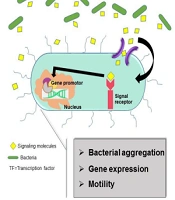
Quorum sensing (QS) is a bacterial cell-to-cell communication system that regulates gene expression related to virulence, biofilm formation, and antibiotic resistance (41). Inhibiting QS pathways represents a promising strategy for controlling biofilm-associated infections without imposing strong selective pressure that drives conventional antibiotic resistance. Quorum sensing inhibitors (QSIs) act through multiple mechanisms, including blocking signal molecule production, interfering with signal receptors, or degrading signaling molecules. Several natural and synthetic QSIs have demonstrated the capacity to reduce biofilm formation and attenuate bacterial virulence (42). For example, furanones derived from marine algae have been shown to disrupt QS systems in Pseudomonas aeruginosa, thereby reducing biofilm formation and virulence factor production. Similarly, certain plant-derived compounds, such as ajoene from garlic, have exhibited potent QS inhibitory effects (43).
3.7.3. Enzymatic Disruption of the Biofilm Matrix
As shown in Table 5, the EPS matrix plays a critical role in protecting biofilm-embedded microorganisms from antimicrobial agents and host immune responses. Consequently, enzymatic degradation of the EPS matrix has emerged as an effective strategy for biofilm control (44). Several enzymes, including DNases, proteases, and polysaccharide-degrading enzymes, have been investigated for their ability to disrupt biofilm structures. DNase I, for example, targets eDNA, an essential structural component of many bacterial biofilms. Degradation of eDNA can weaken biofilm integrity and enhance antimicrobial penetration (45). Similarly, enzymes such as dispersin B can hydrolyze polysaccharides within the biofilm matrix, leading to biofilm destabilization and increased susceptibility to antibiotics (46). These enzymatic strategies are often combined with conventional antibiotics to improve treatment outcomes.
Table 5.
Enzymatic Agents Used for Biofilm Disruption a
| Enzyme | Target Matrix Component | Example Pathogens | Effect | Quantitative Efficacy Data |
|---|---|---|---|---|
| DNase I | Extracellular DNA | Staphylococcus aureus, P. aeruginosa | Weakens biofilm structure | Biofilm reduction: 40 - 70% at 10 - 100 µg/mL |
| Dispersin B | Polysaccharides | Staphylococcus epidermidis | Degrades EPS matrix | Biofilm reduction: 50 - 80% at 10 - 50 µg/mL |
| Proteinase K | Biofilm proteins | Enterococcus faecalis | Reduces biofilm biomass | Biofilm reduction: 30 - 60% at 20 - 100 µg/mL |
| Alginate lyase | Alginate polymers | Pseudomonas aeruginosa | Enhances antibiotic penetration | Biofilm reduction: 25 - 55% at 1 - 10 U/mL |
a Values are representative ranges compiled from selected in vitro studies and should not be interpreted as directly comparable. Reported MIC, IC50, and percent-inhibition values vary with bacterial strain or isolate, inoculum, culture medium, biofilm age, assay platform, and compound purity or formulation. Units are presented as originally reported (µg/mL or µM) and were not converted.
3.7.4. Nanotechnology-Based Antibiofilm Therapies
Nanotechnology has emerged as a promising platform for delivering antimicrobial agents and targeting biofilm structures. Nanoparticles possess unique physicochemical properties that enable them to penetrate biofilm matrices and deliver therapeutic agents directly to microbial cells. Metallic nanoparticles, including silver, zinc oxide, and gold nanoparticles, have demonstrated potent antimicrobial and antibiofilm activities. These nanoparticles can disrupt microbial membranes, generate ROS, and interfere with microbial metabolic processes. Furthermore, nanoparticle-based drug delivery systems can enhance the stability and bioavailability of antimicrobial compounds. Encapsulation of antibiotics or natural compounds within nanoparticles may significantly improve their penetration into biofilms and enhance therapeutic efficacy (47).
3.7.5. Host-Directed Anti-Inflammatory Therapies
In addition to directly targeting microbial biofilms, therapeutic strategies aimed at modulating host immune responses are gaining increasing attention. Host-directed therapies aim to reduce excessive inflammation while promoting effective immune clearance of biofilm-associated pathogens (48). Anti-inflammatory agents that target key signaling pathways, such as NF-κB and MAPK, have been investigated for their potential to limit tissue damage during chronic infections. Inhibitors of inflammasome activation may also help mitigate persistent inflammatory responses associated with biofilm infections. Moreover, antioxidant therapies that reduce oxidative stress may help limit inflammatory damage and support tissue healing in chronic infectious diseases (49). Collectively, these emerging therapeutic strategies highlight a growing paradigm shift from traditional antibiotic-only approaches toward multifaceted interventions that simultaneously target microbial biofilms and host inflammatory responses. Such integrated strategies may improve the clinical management of chronic biofilm-associated infections and reduce their associated morbidity.
3.7.6. Comparative Analysis of Emerging Therapeutic Strategies
The emerging therapeutic strategies discussed in this review—natural compounds, quorum sensing inhibitors, enzymatic biofilm disruptors, nanotechnology-based delivery systems, and host-directed therapies—differ in mechanism of action, experimental evidence base, apparent efficacy, and translational limitations. They therefore require comparative appraisal rather than parallel listing. Natural compounds offer the advantage of pleiotropic activity, simultaneously interfering with biofilm formation, virulence-factor production, and inflammatory signaling. Their principal limitations are poor and variable bioavailability, extensive first-pass metabolism, and inconsistent concentrations of active constituents in crude extracts. Within this class, representative in vitro studies have reported micromolar-range quorum-sensing inhibition by quercetin in Pseudomonas aeruginosa, whereas curcumin more consistently suppresses NF-κB–dependent cytokine production in host-cell models. Oral absorption of curcumin is typically very low, often reported as less than 1%, whereas that of quercetin is comparatively higher but remains limited and formulation-dependent (50). Most supporting data for both compounds derive from static microtiter biofilm assays or cultured epithelial and immune cells rather than from mature in vivo biofilms. QSIs provide a more selective approach by disrupting bacterial communication without directly killing microorganisms, thereby imposing less conventional selective pressure for resistance. Their activity is generally greater against developing biofilms than against established mature communities, and combination with conventional antibiotics is usually required for a meaningful antimicrobial effect. Efficacy is also species-dependent. Halogenated furanones and related analogues have repeatedly attenuated quorum sensing-controlled virulence in P. aeruginosa, whereas comparable effects against Gram-positive pathogens such as Staphylococcus aureus are more modest and less consistent. Experimentally, QSI studies rely heavily on reporter-strain assays, virulence-factor quantification, and young monospecies biofilm models, which limits extrapolation to chronic clinical biofilms. Enzymatic biofilm disruptors act rapidly on defined constituents of the EPS matrix and can increase antibiotic penetration and immune-cell access. Efficacy, however, is matrix-dependent and therefore species- and even strain-specific. DNase I is most active against extracellular DNA–rich biofilms, such as those commonly formed by P. aeruginosa, and is substantially less effective where polysaccharide or protein predominates, as in many Staphylococcus epidermidis biofilms. Additional constraints include limited stability in biological fluids, potential immunogenicity, and production cost. These agents are typically evaluated on preformed monospecies biofilms, a design that under-represents the matrix heterogeneity of polymicrobial infections. Nanotechnology-based delivery systems can improve biofilm penetration, local retention, and controlled release of antimicrobial or anti-inflammatory payloads. Their performance is governed by particle size, surface charge, and surface functionalization. Smaller metallic nanoparticles, particularly silver formulations in the low-nanometer range, generally exhibit stronger antimicrobial and antibiofilm activity than larger particles with poorer matrix penetration. Major limitations include uncertain long-term toxicity, manufacturing cost, and regulatory complexity. Readouts in this field are heterogeneous and often combine planktonic MIC determination with crystal-violet biomass assays or confocal imaging, which are not interchangeable measures of clinical efficacy. Host-directed therapies shift the therapeutic target from the microorganism to excessive host inflammation, aiming to limit tissue injury while preserving pathogen clearance. They do not directly reduce biofilm burden and may impair host defense if inflammatory signaling is suppressed indiscriminately; timing, duration, and combination with antimicrobial therapy are therefore critical. Inhibitors of NF-κB and related pathways can reduce inflammatory tissue damage, but complete suppression of these cascades may compromise effective immune clearance. Much of this evidence is inferred from cell-culture or sterile-inflammation models rather than from mature biofilm infection. Direct quantitative comparison across these modalities is inherently constrained by model heterogeneity. Natural-compound and QSI data are derived mainly from static in vitro assays; enzymatic agents are usually tested on preformed monospecies biofilms; nanoparticle studies frequently report planktonic MIC values together with biomass or imaging endpoints; and host-directed approaches are largely inferred from cultured cells or non-biofilm inflammatory models. Bacterial species, biofilm age, compound formulation, and measured endpoints also differ widely. Within this literature, natural compounds and QSIs are generally bacteriostatic and produce incomplete biofilm inhibition; enzymatic agents can substantially reduce biomass when the target polymer is abundant; nanoparticle effects vary markedly with formulation; and host-directed approaches reduce inflammatory markers without eradicating biofilm. Combinatorial regimens, for example, a matrix-degrading enzyme plus an antimicrobial payload delivered by nanoparticles, have shown apparent synergy in selected preclinical models. Such combinations require systematic testing for antagonism and remain clinically unvalidated. These differences argue for context-specific rather than universal application. Natural compounds and QSIs are theoretically better suited to early biofilm formation or adjunctive prophylaxis. Enzymatic disruptors and nanoformulations are more relevant to established, matrix-rich biofilms. Host-directed therapy is most plausible where inflammatory pathology dominates, as in cystic fibrosis lung disease or chronic wounds. Future work should prioritize head-to-head comparisons in standardized, clinically relevant models before evidence-based treatment-selection algorithms can be proposed.
3.8. Integrated Discussion and Clinical Implications
This narrative review provides a structured synthesis of the mechanisms by which microbial biofilms drive persistent infections and chronic inflammatory responses. The evidence summarized here indicates that biofilm formation is a major determinant of microbial persistence, immune evasion, and therapeutic failure across a broad spectrum of clinical infections (51). A central finding is the ability of biofilms to create a protective microenvironment that shields microorganisms from both antimicrobial agents and host immune defenses. The EPS matrix functions as a physical and biochemical barrier, limiting the penetration of antibiotics and immune effectors (52). In addition, microorganisms within biofilms often exhibit reduced metabolic activity and altered gene-expression profiles, which further contribute to antimicrobial tolerance (53). Another critical aspect of biofilm-associated infections is their capacity to induce prolonged inflammatory responses. Microbial components within biofilms activate host pattern-recognition receptors, particularly TLRs, leading to downstream activation of intracellular signaling cascades such as NF-κB and MAPK. These pathways promote the production of proinflammatory cytokines, including IL-1β, IL-6, and TNF-α (54). Persistent activation of these networks can culminate in chronic inflammation, progressive tissue damage, and impaired wound healing. Furthermore, biofilm infections can stimulate inflammasome activation, particularly the NLRP3 inflammasome, which amplifies inflammatory responses. Continuous NLRP3 activation may contribute to the progression of chronic inflammatory diseases associated with biofilm-forming pathogens, suggesting that this complex is a plausible therapeutic target. An emerging dimension in understanding biofilm-associated inflammation is the role of the host microbiota. Commensal communities colonizing the skin, respiratory tract, gastrointestinal tract, and urogenital system help maintain immune homeostasis and shape local inflammatory responses. Disruption of this microbiota, whether through antibiotic exposure, underlying disease, or other factors, can create permissive niches for pathogenic biofilm-forming microorganisms, a phenomenon commonly termed dysbiosis (55). The resulting microbial imbalance may predispose the host to chronic biofilm-associated infection by reducing colonization resistance, altering local immune surveillance, and modifying the inflammatory milieu (56). The composition and functional capacity of the host microbiota can also influence the severity and progression of biofilm-associated inflammation. Commensal microorganisms produce metabolites, including short-chain fatty acids, tryptophan derivatives, and secondary bile acids, that modulate immune-cell function, epithelial barrier integrity, and inflammatory signaling (57). Certain commensal-derived metabolites can attenuate NF-κB activation and reduce proinflammatory cytokine production, potentially mitigating the tissue-damaging consequences of biofilm infection. Conversely, dysbiotic communities may sustain a proinflammatory environment that exacerbates local injury. The host microbiota can also interact directly with pathogenic biofilm communities through competitive exclusion, production of antimicrobial substances, or modification of the local microenvironment. These interrelationships represent a promising adjunctive therapeutic avenue. Strategies aimed at restoring beneficial microbial composition or function, including probiotic supplementation, fecal microbiota transplantation, or administration of microbiota-derived metabolites, may help dampen excessive inflammation and promote resolution (58). However, the precise mechanisms through which the host microbiota influences biofilm-associated disease outcomes remain incompletely defined and warrant further investigation. The literature also underscores the complexity of host–pathogen interactions in biofilm-associated infections. Immune effector cells, including neutrophils and macrophages, are recruited to infection sites but frequently fail to eradicate biofilm communities because of the protective EPS matrix. The result is often a sustained inflammatory milieu that damages host tissue without eliminating the pathogen, thereby perpetuating a cycle of inflammation and injury. Given the limitations of conventional antibiotic therapy, emerging strategies have attracted increasing attention. Natural compounds, quorum-sensing inhibitors, biofilm-degrading enzymes, and nanotechnology-based delivery systems represent approaches for disrupting biofilm architecture and microbial communication (59). Host-directed therapies that modulate inflammatory pathways may further reduce collateral tissue damage. As illustrated in Figure 2, biofilm formation triggers persistent host inflammatory signaling through TLR-mediated activation of NF-κB/MAPK pathways and NLRP3 inflammasome assembly, while emerging therapies aim to disrupt both the microbial biofilm structure and the associated inflammatory cascade. Although this review emphasizes the most consistently reported pathways—TLR signaling, NF-κB, MAPK, and NLRP3 inflammasome activation—other context-dependent mechanisms may contribute depending on microbial species, infection site, and host environment. These additional pathways were not discussed in detail because they were less consistently represented in the included literature. Patient characteristics and comorbidities substantially influence the pathogenesis, progression, treatment response, and outcomes of biofilm-associated chronic infections. Diabetes mellitus, a prevalent comorbidity in patients with chronic wounds, impairs host immunity through neutrophil dysfunction, reduced macrophage phagocytosis, altered cytokine production, and compromised microvascular perfusion. These defects create a permissive environment for biofilm establishment and persistence, while advanced glycation end-product (AGE)-mediated activation of NF-κB simultaneously intensifies local inflammation. Consequently, diabetic patients with chronic wounds often exhibit more extensive biofilm colonization, heightened inflammatory responses, delayed healing, and poorer treatment outcomes than non-diabetic individuals (60). Immunosuppression, whether caused by underlying diseases such as HIV/AIDS or malignancy, or by chemotherapy, transplantation-related immunosuppression, or corticosteroid therapy, similarly predisposes patients to biofilm-associated infection. Immunosuppressed individuals frequently display impaired clearance of biofilm-embedded pathogens because of reduced phagocytic capacity, diminished T-cell function, and altered cytokine profiles (61). This state can accelerate infection progression, increase the risk of device-associated infection, and raise treatment-failure rates. Immunosuppression may also alter the composition and diversity of the host microbiota, thereby facilitating colonization by opportunistic biofilm-forming pathogens. Other comorbidities, including obesity, chronic kidney disease, and cardiovascular disease, may influence biofilm-associated inflammation and therapeutic response through systemic effects on immune function, vascular integrity, and tissue repair (62). Age-related immunosenescence and nutritional status are additional host factors that modulate susceptibility and treatment response. These patient-level variables should be incorporated into clinical decision-making when antibiofilm or anti-inflammatory strategies are considered, and future studies should determine whether comorbidity-defined subgroups derive differential benefit from emerging therapies. This review has several limitations. First, as a narrative review, the study-selection process may be subject to selection bias despite the use of multiple major databases and predefined search terms. Second, the included literature was heterogeneous with respect to study design, microbial species, host models, and reported outcomes, which limits direct comparison across studies. In particular, quantitative comparisons of MIC, IC50, and percent biofilm reduction are restricted by nonstandardized experimental conditions, including differences in strain, inoculum, biofilm age, assay platform, and compound formulation. Third, many proposed antibiofilm and anti-inflammatory strategies remain supported mainly by in vitro or preclinical evidence. Clinical evidence for phytochemical antibiofilm therapy is especially sparse: although local curcumin formulations have been evaluated in plaque-induced gingival and periodontal disease, no adequately powered randomized trial has established the efficacy of curcumin or quercetin against biofilm-associated chronic infections at other anatomical sites. These limitations should be considered when interpreting the present findings. Future research should address several priorities. Advanced omics-based approaches, including transcriptomics, proteomics, and metabolomics, may clarify the dynamic interactions between biofilms and host inflammatory responses. More standardized and clinically relevant in vivo models are needed to improve translational value. Promising antibiofilm therapies should be evaluated in well-designed translational studies and controlled clinical trials that assess safety, efficacy, biofilm-specific endpoints, and applicability in chronic infection. A more integrated understanding of microbial persistence, host immunity, comorbidity-related risk, and therapeutic targeting will be essential for the development of effective personalized interventions.
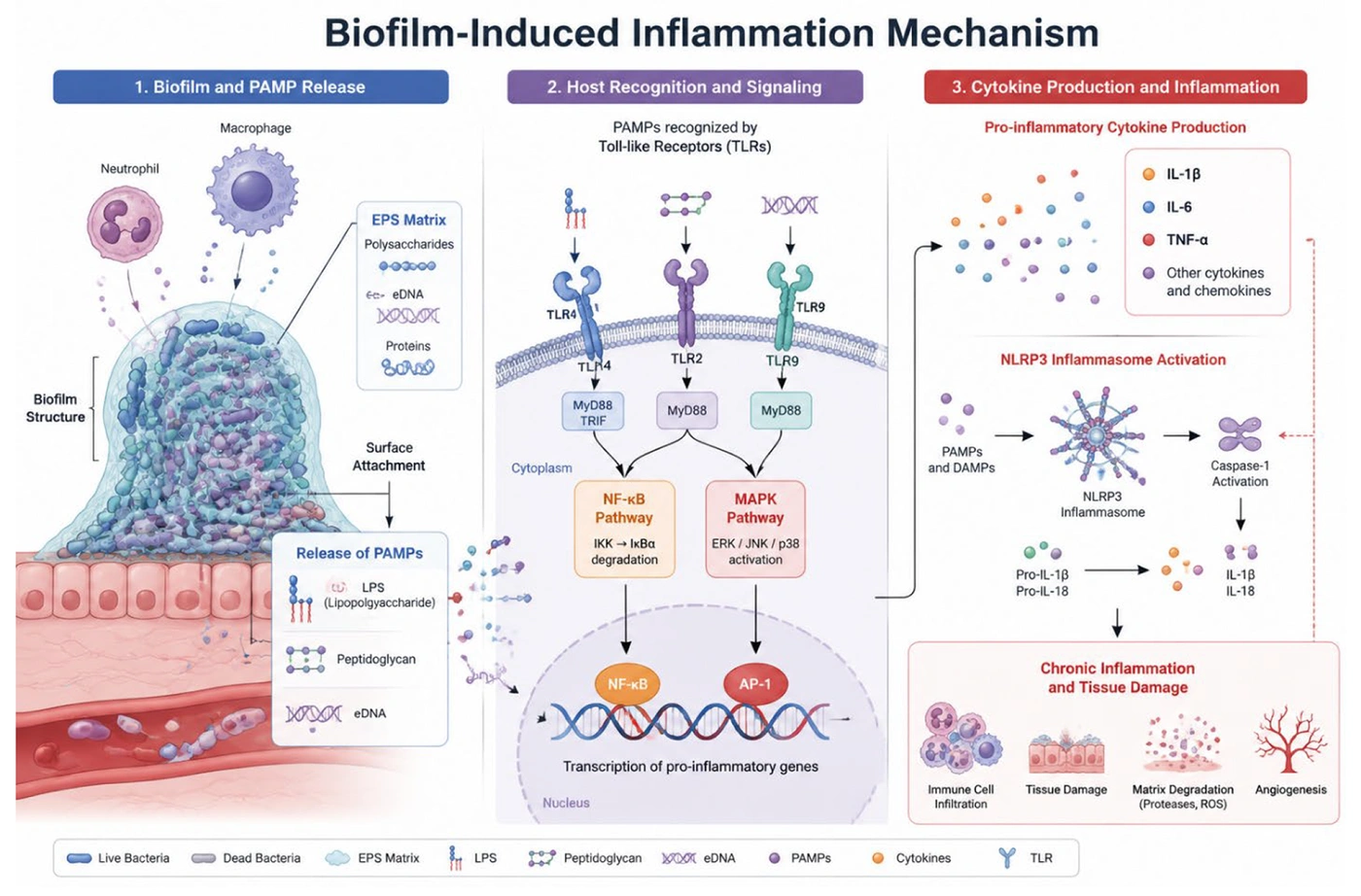
Figure 2.
Mechanistic overview of biofilm-induced chronic inflammation and potential therapeutic strategies. Biofilm development proceeds through sequential stages including surface attachment, microcolony formation, EPS matrix production, maturation, and dispersal. Mature biofilms interact with host immune cells and activate pattern recognition receptors such as TLRs, leading to downstream NF-κB/MAPK signaling and NLRP3 inflammasome activation. This results in the release of proinflammatory cytokines and persistent tissue damage. Emerging therapeutic approaches include quorum sensing inhibitors, plant-derived compounds, enzymatic degradation of the biofilm matrix, nanoparticle-based drug delivery systems, and host-directed anti-inflammatory therapies.
4. Conclusions
Microbial biofilms are fundamental drivers of chronic infection pathogenesis, operating through dual mechanisms: establishing persistent microbial reservoirs and inducing sustained, tissue-damaging inflammatory responses. The intrinsic resistance of biofilm-associated pathogens to conventional antimicrobials, coupled with their capacity to evade immune clearance, renders these infections difficult to eradicate and contributes to the high morbidity observed in clinical settings. Emerging evidence has identified multiple actionable therapeutic targets, including bacterial communication systems (quorum sensing), the structural integrity of the extracellular matrix, and key nodes within host inflammatory signaling networks. Accordingly, innovative strategies such as phytochemicals, biofilm-degrading enzymes, nanotechnology-based delivery systems, and immunomodulatory therapies may serve as adjuncts or alternatives to conventional antibiotics. Despite this progress, a substantial translational gap persists. Most of these novel interventions remain confined to in vitro studies or preclinical animal models, and their safety and efficacy in human populations require rigorous validation through well-designed clinical trials. Future investigations should prioritize the integration of advanced molecular and imaging techniques to elucidate, in real time, the dynamic crosstalk between biofilm communities and host immunity. Ultimately, a granular understanding of these complex host–pathogen interactions will be indispensable for designing next-generation, personalized therapeutic regimens. Such targeted approaches may help reduce the global burden of chronic biofilm-associated infections and improve patient outcomes.