
1. Context
End-of-life care is a crucial yet challenging aspect of healthcare practice, encompassing the management of pain, distress, and existential suffering in patients approaching death (1). Palliative care, as a holistic, patient-centered approach, seeks not only to relieve physical pain but also to address the psychological, social, and spiritual dimensions of suffering. It is grounded in the principles of dignity, empathy, and respect for patients' values and preferences, with the aim of enhancing comfort and quality of life during the final phase of life (2).
This framework helps explain why end-of-life suffering persists despite substantial progress. Over the past few decades, advances in pharmacological and non-pharmacological interventions have improved pain management in terminal illnesses. However, evidence suggests that many patients continue to experience unrelieved suffering due to symptom underassessment, limited access to palliative services, and insufficient professional training among healthcare providers (3, 4). Pain at the end of life is often multifactorial, involving not only nociceptive or neuropathic components but also emotional and existential distress, a concept Cicely Saunders termed "total pain" (5).
Beyond these clinical challenges, broader systemic and global factors further complicate effective care delivery. The World Health Organization (WHO) recognizes palliative care as a human right and an essential component of universal health coverage. Despite this recognition, disparities persist in the availability, integration, and delivery of palliative services (6). In many health systems, particularly in low- and middle-income countries, palliative care remains underdeveloped, with limited policy support and cultural misconceptions about discussions of death and dying (7). Moreover, healthcare professionals frequently face ethical dilemmas in balancing pain control, sedation, and the maintenance of patient consciousness, particularly when family members have conflicting expectations regarding prolonging life versus alleviating suffering (8, 9).
The current literature underscores the importance of addressing the multidimensional aspects of end-of-life pain and suffering (10-12), yet several gaps remain. First, there is no consensus on how to conceptualize and measure "suffering" in a manner that fully captures its subjective and existential dimensions. Second, although numerous studies address pharmacological pain relief (13, 14), fewer examine integrative or psycho-spiritual interventions that help patients find meaning and peace near death. Third, research tends to focus predominantly on cancer populations (15, 16), leaving gaps in understanding palliative needs among patients with non-malignant chronic diseases, such as heart failure, chronic obstructive pulmonary disease (COPD), or neurodegenerative disorders. Finally, although evidence supports early palliative care integration, practical implementation models and training frameworks for healthcare professionals remain insufficiently defined.
This State-of-the-Art review aimed to provide a structured synthesis of the field. Specifically, the objectives were to provide a comprehensive understanding of the nature and dimensions of suffering at the end of life, including its physical, psychosocial, existential, and spiritual components; to identify and critically examine effective approaches to pain and symptom management within holistic palliative care frameworks, including pharmacological and non-pharmacological strategies; and to highlight key gaps, conceptual tensions, and future directions for research, clinical practice, and policy in managing end-of-life pain and suffering, with attention to cultural, ethical, and systemic challenges.
2. Evidence Acquisition
This study used a State-of-the-Art review methodology to provide a comprehensive and critical synthesis of the most recent knowledge on managing end-of-life pain and suffering through palliative care. Unlike systematic reviews, which focus on exhaustive aggregation and meta-analysis of empirical data, or scoping reviews, which map the breadth of evidence without in-depth critique, State-of-the-Art reviews provide an interpretive exploration of field evolution, conceptual advances, and persistent gaps (17). Narrative reviews, while flexible, often lack the structured synthesis characteristic of State-of-the-Art reviews, which emphasize critical analysis rather than mere summarization (18). The State-of-the-Art approach was selected over a scoping or systematic review because it enables a broader interpretive examination of conceptual developments and gaps in a rapidly evolving field such as palliative care, in which methodological diversity, including qualitative, quantitative, and theoretical studies, precludes strict meta-analytic aggregation (17). This approach also accommodates the rapid evolution and methodological diversity of palliative care research, in which qualitative insights into existential suffering and quantitative prevalence data must be integrated, and in which strict meta-analytic methods are infeasible because of heterogeneous study designs and outcomes (18). The study was registered in PROSPERO (ID: CRD420251166799).
A comprehensive search was conducted between January 2015 and July 2025 using PubMed, Scopus, Web of Science, CINAHL, PsycINFO, and Google Scholar. Controlled vocabulary, including MeSH terms, and free-text keywords were used in various combinations to capture relevant publications. Key search concepts included "palliative care," "end-of-life care," "terminal illness," "pain," "suffering," "symptom burden," "spiritual care," "psychological distress," and "ethical challenges." Boolean operators (AND/OR) were applied to optimize the search. For example, a PubMed search string was: ("palliative care"[MeSH Terms] OR "end-of-life care") AND ("pain management"[MeSH Terms] OR "suffering") AND ("2015/01/01"[Date - Publication]: "2025/07/31"[Date - Publication]). For Google Scholar, results were limited to the first 200 hits per query and validated by cross-checking against peer-reviewed sources in other databases to ensure reproducibility and minimize the inclusion of non-scholarly material. The reference lists of included papers and previous reviews were also screened manually to identify additional relevant sources. Only studies published in English between 2015 and 2025 were considered.
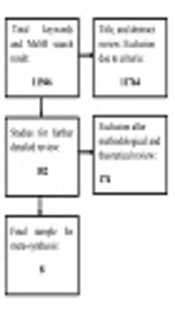
All retrieved references were imported into EndNote X9 for organization, and duplicates were removed. The selection process involved two stages: Initial screening of titles and abstracts, followed by full-text review. Two reviewers independently assessed the relevance of each study to ensure consistency and reduce selection bias. Disagreements were resolved through discussion and consensus. The overall selection followed the main steps of the Preferred Reporting Items for Systematic Reviews and Meta-Analyses (PRISMA) flow, including identification, screening, eligibility, and inclusion, although this review emphasized conceptual and contextual relevance rather than exhaustive inclusion.
The review included a broad range of literature, including empirical studies, theoretical frameworks, policy papers, and scholarly reviews addressing end-of-life pain and suffering. This diversity of sources supported a holistic understanding of the topic, encompassing medical, psychological, ethical, and spiritual perspectives.
The inclusion criteria were as follows: studies focusing on adult patients aged 18 years or older receiving palliative or end-of-life care; publications discussing pain, suffering, or related psychosocial and spiritual dimensions; empirical research, theoretical papers, and reviews addressing holistic palliative care; and articles published in English between 2015 and 2025.
The exclusion criteria were as follows: studies on pediatric or neonatal palliative care; research focused exclusively on pharmacological interventions without psychosocial context; editorials, opinion pieces, or conference abstracts without sufficient methodological detail; and non-English publications or studies inaccessible in full text.
Data were extracted using a structured matrix developed for this review. Key information, including authorship, year of publication, country, study design, setting, and major findings, was recorded. Each article was read several times to ensure accurate interpretation, and recurring concepts were coded and grouped into emerging themes. Thematic synthesis was conducted iteratively. Initial open coding identified patterns, such as "total pain" as a recurring concept; axial coding grouped these patterns into broader domains, such as dimensions of suffering; and selective coding integrated findings interpretively, with weighting based on evidence strength. For example, empirical studies were prioritized for prevalence data, whereas reviews were used for conceptual breadth. Divergences were resolved through reviewer consensus (19). This process enabled critical contrasts between domains and highlighted evolutionary trends in the field. Reviewer triangulation involved independent coding by two authors, followed by consensus meetings to refine themes and resolve divergences. This process facilitated the identification of patterns and divergences related to the nature of suffering, pain management strategies, ethical challenges, and holistic care practices.
To ensure rigor and trustworthiness, multiple strategies were implemented. These included the use of diverse databases to minimize publication bias, involvement of two independent reviewers in the selection process, and maintenance of a clear audit trail of all search and synthesis steps. Formal quality appraisal tools, such as CASP or AMSTAR 2, were not applied because State-of-the-Art reviews prioritize conceptual breadth and field evolution over rigorous risk-of-bias assessment; this is consistent with previously published State-of-the-Art articles, including those on regional palliative care practices (12). Instead, study credibility was judged during reviewer consensus based on relevance, methodological transparency, and peer-reviewed status. Reflexive note-taking during analysis further enhanced interpretive transparency. Collectively, these measures contributed to the reliability, coherence, and scholarly value of this synthesis.
3. Results
This State-of-the-Art review synthesized findings from 59 studies published between 2015 and 2025, with a substantial concentration in recent years. Overall, 70.2% of the included studies were published between 2023 and 2025, reflecting growing interest in palliative care amid an aging global population and the rising burden of chronic illness. The studies used diverse designs, including 15 qualitative explorations (25.4%) focusing on lived experiences of suffering, care challenges, and spiritual needs; 7 quantitative investigations (11.9%), such as cross-sectional surveys on attitudes and competencies; and 37 reviews or other formats (62.7%), including systematic, scoping, and narrative syntheses. Geographically, the research was predominantly from the United States (26.3%, n = 15), followed by Canada (8.8%, n = 5). Populations primarily included palliative and end-of-life patients with cancer or chronic conditions, such as COPD and diabetes; family caregivers; and healthcare professionals, including nurses, physicians, and chaplains, across settings spanning hospitals, homes, and communities. Among the 21 empirical studies reporting participant numbers, the total sample size was approximately 326,126 individuals, ranging from small qualitative cohorts of 10 - 19 participants to large registry-based analyses of more than 315,000 individuals. The median sample size for cross-sectional designs was 172. This variability underscores the combination of in-depth insights and broad epidemiological data informing palliative care practices (Table 1).
Table 1.
Summary of Key Studies by Type, Population, Outcomes, and Themes
| Study Type | Number of Studies | Example Populations | Key Outcomes | Major Themes Supported |
|---|---|---|---|---|
| Qualitative | 15 | Patients with cancer/COPD, caregivers, providers | Lived experiences of distress, spiritual needs | Dimensions of suffering (12 studies), Spiritual/existential care (10 studies) |
| Quantitative | 7 | Large cohorts (e.g., > 300,000 patients), surveys of nurses | Pain prevalence, competency scores | Pain/symptom management (5 studies), Ethical challenges (3 studies) |
| Reviews/Other | 37 | Mixed populations, including cancer, chronic illness, and global assessments | Quality-of-life improvements and gaps in access | All domains; e.g., dimensions of suffering (22 studies total across types) |
During the review, four major thematic domains emerged as central to understanding how palliative care addresses pain and suffering at the end of life: 1) dimensions of suffering, supported by 22 studies; 2) strategies for pain and symptom management, supported by 18 studies; 3) spiritual, existential, and relational care, supported by 15 studies; and 4) ethical, cultural, and system-level challenges, supported by 20 studies. The following sections present a synthesized narrative of each domain, illustrating their interrelationships and the areas in which current evidence is strongest or most limited.
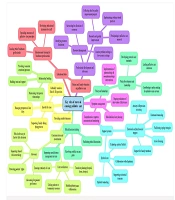
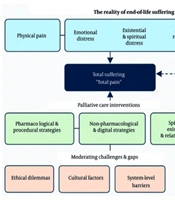
Figure 1 presents a multidimensional conceptual model synthesizing these domains into an interconnected framework. The model depicts dimensions of suffering as the central hub, encompassing physical, emotional, social, and existential elements, supported by strong empirical evidence from prevalence studies, including pain rates in large cohorts (19, 20), and qualitative explorations of the unpredictability of total pain (18, 27). Arrows illustrate bidirectional pathways. For example, pain management strategies directly alleviate physical suffering but are moderated by spiritual and relational care, as interventions such as dignity therapy enhance resilience and indirectly reduce pain perception (51-55, 62). Ethical and system-level challenges encircle the model as barriers, influencing all domains through inequities and biases (65-68, 76). The model assumes a holistic interplay among domains, in which unaddressed spiritual distress may exacerbate physical pain (21, 54), and early integration is needed (39, 40). This model adds value beyond prior literature, including Saunders' foundational concept of total pain (5), by incorporating emerging elements such as artificial intelligence (AI) biases (68, 71) and global serious health-related suffering trends (33), offering a dynamic tool for clinicians to map interventions and for researchers to identify gaps in non-Western contexts.

Figure 1.
Multidimensional conceptual model of findings
3.1. Dimensions of Suffering at the End of Life
One of the most consistent findings across studies is that suffering at the end of life is not merely physical pain but rather “total suffering,” encompassing emotional, social, existential, and spiritual distress (20). The concept of “total pain,” originally described by Cicely Saunders, continues to guide much palliative thinking. In practice, patients nearing death often report anxiety, fear, depression, loss of autonomy, guilt, and fear of abandonment, all of which may intensify their perception of physical pain. Empirical data support the high prevalence of physical pain in the final days of life (21). For instance, a large national study of more than 300,000 patients found that pain in the last week of life occurred in 81% of patients with cancer and in 57% - 69% of those dying of non-cancer conditions, such as dementia, heart failure, or COPD. Among patients with cancer, 35% experienced severe pain (22). Despite this high prevalence, many patients achieve only partial relief, indicating persistent suffering beyond what pharmacology alone can fully address.
The existential or spiritual dimension is often underemphasized but remains critical (23). Providers and researchers frequently refer to existential suffering as distress associated with meaninglessness, fear of nonexistence, loss of identity, or spiritual isolation. A discourse analysis of palliative care provider narratives found that, although existential suffering is a prominent concern, its definitions and boundaries remain contested in practice (24). Such ambiguity complicates systematic assessment and intervention. Relational and social suffering, including disrupted family relationships, caregiver burden, and social stigma, further intensify distress during the dying process (25). The interaction among these dimensions means that alleviating only the physical component often leaves other forms of suffering unaddressed.
Recent qualitative studies have further clarified the multifaceted nature of serious health-related suffering, particularly in diverse populations such as those with cancer and diabetes (26). For example, research involving patients and caregivers highlights that serious health-related suffering extends beyond physical symptoms to include psychological burdens such as anxiety, depression, and delirium, as well as social isolation and loss of roles (27). These findings underscore the need for palliative care to address not only individual distress but also familial and communal impacts, because caregivers often experience mirrored suffering through emotional exhaustion and anticipatory grief (28). Contemporary explorations of total pain in palliative care emphasize its unpredictability and the intersection of physical, social, and existential domains. Patients report not only fluctuating pain levels but also profound losses in social identity, such as the inability to fulfill familial or professional roles, which amplify feelings of worthlessness and despair (29). This holistic view reveals gaps in current evidence, particularly in non-Western contexts, where cultural interpretations of suffering may prioritize communal harmony over individual autonomy, calling for more culturally sensitive assessment tools.
Systematic reviews highlight the role of hope as a buffer against multidimensional suffering in palliative settings, with patients perceiving hope as dynamic and relational rather than solely outcome-based (30). Nurse-led assessments have been shown to effectively identify these layered dimensions, improving overall patient outcomes by addressing unmet needs early (31). In neurocritical care, spiritual dimensions of suffering are increasingly recognized, with chaplains playing a key role in alleviating isolation and fear. Ethical dilemmas in end-of-life decisions further compound suffering as nurses navigate patient autonomy amid emotional distress (32). Overall, the literature stresses that unaddressed existential elements can perpetuate total suffering and underscores the need for integrated screening protocols.
Studies from 2023 to 2025 emphasize that serious health-related suffering is a global issue requiring integrated approaches (33, 34). Perceptions of suffering vary widely and are influenced by individual coping strategies and the need for tailored palliative interventions. Global rankings highlight disparities in palliative care dimensions, including empowerment and service delivery, and call for enhanced policy frameworks (26). Ethical responsibilities underscore the imperative to relieve suffering (32). Relational aspects are central to addressing holistic suffering (35). Provider narratives reveal challenges in defining and managing existential suffering, which affects intervention efficacy. Evolutionary trends in serious health-related suffering from 1990 to 2021 indicate rising needs for pain relief and palliative access worldwide (36). Transformations in the concept of total pain reflect adaptations to contemporary palliative care. Cardiovascular-specific frameworks also address unique forms of suffering.
Conceptual tensions persist, particularly the ambiguity in operationalizing existential suffering. Evidence from qualitative discourse analyses is strong (24), whereas quantitative metrics remain limited, resulting in inconsistent interventions. Strong evidence from large-scale prevalence studies (21) contrasts with weaker and context-specific qualitative data from non-Western settings, highlighting a persistent Western bias in the evidence base.
3.2. Strategies for Pain and Symptom Management
The literature describes a spectrum of pharmacological and non-pharmacological strategies aimed at alleviating suffering (37). Opioids, adjuvant medications such as antidepressants and anticonvulsants, nerve blocks, and palliative sedation are well established in guidelines (36). However, challenges persist in dose titration, management of side effects, and balancing analgesia with the preservation of consciousness. The updated consensus definition of palliative care emphasizes the relief of suffering as a core aim, without guaranteeing full symptom control in all cases (38).
Non-pharmacological interventions complement medication-based care. Techniques such as cognitive-behavioral therapy, relaxation, music therapy, and massage are discussed in the literature (39, 40). These interventions are particularly valuable when pain has psychosocial or somatic-psychic components. Emerging modalities are also under investigation. Digital health interventions, including mobile apps, telemonitoring, and virtual coaching, have been proposed to support symptom monitoring and patient access to supportive care at home. A protocol for assessing such interventions in palliative home-care settings is underway and aims to evaluate their effectiveness compared with traditional care. Although promising, robust outcome data remain limited (41). Evidence also suggests that early integration of palliative care yields better symptom control (42, 43).
Advances in pharmacological management increasingly focus on multimodal analgesia to minimize side effects (44). These approaches address persistent challenges in balancing pain relief with cognitive function, particularly among older adults or patients with comorbidities, in whom polypharmacy risks are high. The integration of digital tools, such as pain management applications, represents a significant development in symptom monitoring and intervention (45). Landscape analyses indicate that these apps offer real-time tracking, personalized feedback, and integration with telehealth, potentially improving access for home-based palliative care patients (46). However, evidence gaps remain regarding their long-term effectiveness and equitable implementation, especially among underserved populations with limited digital literacy or unreliable internet access. Further randomized trials are needed to validate their impact on overall symptom burden.
Virtual reality has emerged as a non-pharmacological tool for pain management in palliative care and has shown potential to reduce distress through immersive experiences. Patient-controlled analgesia can enhance autonomy in symptom management for adults in palliative settings, leading to improved satisfaction and control (47). AI may support early intervention for unmanaged pain by enhancing traditional strategies with predictive analytics. Community-based nursing models emphasize symptom assessment tools, such as the Palliative care Outcome Scale and Edmonton Symptom Assessment System, for comprehensive management (48). Emergency department protocols for end-of-life pain highlight the need for rapid, multidisciplinary approaches to alleviate acute suffering (49).
Recent assemblies and research agendas from 2023 to 2026 emphasize clinician training in allyship and advanced symptom management techniques. Palliative nursing research priorities include strengthening pain management through evidence-based practices and integration with hospice care (50, 51). Variations in prescribing reveal persistent challenges. Consensus on advance care planning aligns treatments with patient preferences. Compassionate guidelines emphasize reducing distress (52). Advances in cancer pain include improved assessment (4, 13). Common symptoms require integrated strategies (53).
Tensions arise between pharmacological efficacy, supported by strong guideline evidence (33, 36), and non-pharmacological innovations such as virtual reality and AI, which are promising but supported by limited long-term randomized controlled trials (39, 45). Strong quantitative evidence on opioids contrasts with limited trials in non-cancer populations.
3.3. Spiritual, Existential, and Relational Care
Spiritual and existential care is a core component of holistic palliative care. Interventions such as dignity therapy, life review, and chaplain support can offer comfort (54). Relational care, which addresses connections to family and community, also plays an important role (55). Maintaining dignity, facilitating meaningful farewells, repairing estranged relationships, and involving loved ones in care can mediate suffering. Communication practices, including honest and empathic dialogue about prognosis, fears, and wishes, are foundational. A recent review of conversation-analytic studies highlights how meaningful interactions, or their absence, shape the emotional experience of dying (56). Spiritual distress is also underreported in some conditions. For example, in chronic respiratory diseases such as COPD, spiritual suffering becomes more intense over time, yet clinicians often lack tools to detect or address it (57).
An umbrella review of spiritual interventions demonstrated positive effects on well-being, quality of life, and mood in palliative settings, with therapies such as dignity therapy and meaning-centered interventions showing consistent benefits across diverse patient groups (58). These approaches help patients reframe their life narratives, foster a sense of purpose, and reduce isolation. However, challenges arise in standardizing delivery because clinicians vary in their competencies in spiritual care. Training programs for spiritual and existential care have gained traction, with recent findings indicating high patient satisfaction in hospice settings where staff are equipped to address these needs (59). Relational approaches, such as family-inclusive care models, emphasize the importance of cultural and religious pluralism to avoid conflating existential support with specific faith-based practices. This approach promotes the recovery of humanity in medicine through ethical and inclusive frameworks that respect diverse worldviews.
Sociological perspectives highlight compassion (60). Nurses’ spiritual care competence is also associated with positive attitudes toward end-of-life care (61). Concept analyses define spiritual care competence as essential for palliative professionals. Ethics-of-care scoping reviews emphasize relational foundations in adult and pediatric palliative practice. Existential interventions show positive effects in palliative populations through spiritual psychotherapy (62). At least 16 existential approaches foster strengths such as resilience and meaning in palliative settings. Bibliometric analyses underscore the impact of spiritual care on quality of life among terminally ill patients (63). Relational conceptualizations help measure compassion and enact it within death and dying scholarship. Umbrella reviews confirm the benefits of spiritual interventions for well-being and coping with pain. Nurses’ roles in spiritual care involve structured reflection and tools for end-of-life support. However, the provision of spiritual care remains variable across palliative teams globally (54).
Interventions in palliative care, including life review and dignity therapy, have been mapped in scoping reviews as approaches that can alleviate existential suffering and indirectly mitigate pain perception (64). Spiritual and relational care is also affirmed as enhancing quality-of-life domains, including pain tolerance, by fostering meaning and social support (65). Rethinking existential suffering through accompaniment and spiritual care pathways can transform pain experiences into opportunities for personal growth and reduced distress. Existential concerns in palliative settings often exacerbate pain, with interventions such as chaplaincy addressing spiritual isolation and improving overall symptom management (66). Associations with caregiver outcomes further highlight the relational role of palliative care.
3.4. Ethical, Cultural, and System-Level Challenges
Across the literature, ethical tensions and structural barriers emerge repeatedly. Clinicians often must balance the imperative to relieve suffering with respect for patient autonomy and the avoidance of hastening death. Decisions about palliative sedation, refusal of life-prolonging therapies, and discontinuation of burdensome interventions raise profound moral dilemmas (67). Cultural attitudes toward death, preferences for disclosure, and religious beliefs significantly influence how suffering is perceived and how care is accepted. In certain societies, open discussion of end-of-life issues is taboo, which impedes shared decision-making and timely palliative referral. System-level constraints also affect care (68). The mismatch between demand and available resources means that many patients die without access to comprehensive palliative support. Variability in service delivery, care transitions from hospital to home, and coordination among specialties further hinders consistent relief of suffering. Emerging issues of bias and inequity also receive attention (69). A recent study examining large language models in palliative care found that such tools may perpetuate biases in pain assessment, advance care planning, or care access, especially among marginalized groups (70). Although this is primarily a methodological and technological concern, it underscores the need to scrutinize decision-support systems for fairness in end-of-life contexts.
Qualitative explorations reveal persistent difficulties in managing cultural diversity. Nursing professionals report challenges in aligning care practices with patients’ beliefs, such as varying preferences for family involvement or rituals around death (71). These barriers often lead to ethical dilemmas in communication and decision-making, highlighting the need for culturally competent training to bridge gaps and ensure equitable access to palliative services (72). The integration of AI into end-of-life care introduces new ethical opportunities and risks, including biases in symptom assessment and advance care planning that could exacerbate disparities for marginalized populations (73).
Cultural norms and ethical dilemmas hinder advance care planning, particularly in diverse populations. Differences in care settings, such as hospitals versus nursing homes, affect quality and ethical considerations (74). Navigating religion in palliative care requires honoring context while addressing challenges. Language barriers and prejudice may threaten humanized care. Future progress requires transformation in delivery, education, and policy (75).
Knowledge gaps in end-of-life care among nurses highlight cultural challenges for internationally educated professionals. Ethical issues in palliative nursing directly affect quality of life and require deeper understanding (76). Progress in palliative care over 35 years underscores the need for political will and resource equity for future advances. AI integration poses ethical risks in palliative care, requiring patient-centered policies to support equity (77). Higher spirituality levels among providers are associated with reduced burnout in palliative settings. Systemic deficiencies in recognizing the dying phase lead to communication and quality challenges. Equity-focused care for homeless populations reveals systemic barriers in supporting individuals with life-limiting illness. Cultural factors, including clashes and biases, influence end-of-life care provision globally (78).
Historical lessons from medieval end-of-life care inform contemporary ethical debates, such as balancing pain relief with moral imperatives against hastening death. In trauma and emergency surgery, ethical challenges in palliative integration include managing acute pain while respecting cultural taboos surrounding death discussions (79). System-level inequities, including fragmented services, disproportionately affect pain management in underserved groups and perpetuate disparities in suffering. Cultural attitudes toward pain expression vary, influencing ethical decisions about sedation for intolerable suffering in diverse populations. Ongoing trials and reviews call for policy reforms to address resource mismatches and ensure equitable pain relief at the end of life.
3.5. Interconnections and Evidence Gaps
The findings illuminate the multifaceted dimensions of end-of-life suffering, in which physical pain is linked to psychosocial and spiritual elements. Although global assessments show rising serious health-related suffering and the need for holistic integration, uncertainty remains regarding the consistency of outcomes in non-Western contexts (80). This interconnectedness suggests that failures to address total pain not only perpetuate physical symptoms but also amplify existential burdens, such as fear of abandonment or loss of identity. These findings support the need for multidimensional assessment tools that capture cultural and structural influences to improve outcomes in diverse populations (81). Meta-reviews show that palliative interventions enhance quality of life; however, disparities in low-resource settings highlight ethical needs for broader coverage (82).
Pain management strategies demonstrate efficacy when implemented early, but uncertainties persist regarding side effects and polypharmacy, especially in non-malignant illnesses (83). These insights align with position statements on compassionate care as an ethical responsibility, in which undertreatment leads to suffering and supports the need for multimodal approaches (84). Non-pharmacological tools, such as virtual reality, show promise; however, weak integration of digital tools and a lack of trials in underserved populations remain important gaps.
Spiritual and relational care can transform suffering, with interventions fostering resilience, as meta-analyses confirm benefits for mood (58). Underreported distress in COPD suggests that clinician support can alleviate anxiety, but competency gaps indicate the need for training, echoing models that integrate spirituality into palliative care (85). Variability in delivery due to competency gaps reflects a broader need for standardized training, as evidenced by reviews showing that well-received interventions can promote embodiment and imagination in narrative-based care (86).
Ethical and cultural challenges perpetuate disparities, as fragmented services align with overlooked priorities (87). Dilemmas in sedation require policy reforms, but limited evidence on non-Western populations and digital biases highlights ongoing uncertainties (88). Although 35 years of progress have expanded societal engagement, the burden of serious health-related suffering demands community models that support dignity (77).
4. Conclusions
This State-of-the-Art review highlights the need for a holistic approach to palliative care to mitigate end-of-life pain and suffering. The findings affirm that integrating physical symptom management with spiritual and relational care can enhance quality of life while respecting cultural contexts. Despite persistent challenges, including inequities and evidence gaps, progress through policy reform, training, and inclusive research remains promising. A public health strategy that integrates palliative care early is essential. Future efforts should prioritize access, cultural responsiveness, and evidence-based interventions to support dignified end-of-life experiences.
4.1. Limitations
This review has several limitations. The focus on English-language literature and the inherent subjectivity of narrative synthesis may have underrepresented non-Western studies, despite the methodological rigor applied. The absence of a formal quality appraisal, consistent with the State-of-the-Art review emphasis on conceptual breadth (17), may have overlooked variations in methodological rigor across studies. The heterogeneity of the evidence, spanning qualitative lived experiences, quantitative surveys, and reviews, complicates direct comparisons and may introduce inconsistencies. Narrative bias may also arise from the interpretive nature of thematic synthesis, whereby reviewer perspectives could influence theme prioritization. Finally, geographic bias, with 35.1% of studies from North America, including the United States and Canada, limits generalizability to global contexts, particularly to low- and middle-income countries where disparities in palliative care access are pronounced (6, 7).
4.2. Future Research Directions
Future research should prioritize randomized controlled trials of non-pharmacological interventions in non-Western and low-resource settings to address existing evidence gaps. Research should also support the development of standardized, culturally adaptive tools to measure existential suffering and resolve conceptual ambiguities. Longitudinal studies comparing AI-driven tools with traditional methods are needed to mitigate bias and evaluate equity. Policy-focused research should examine how palliative care can be integrated into universal health coverage, with an emphasis on interdisciplinary training to address system-level barriers.