
1. Introduction
Type 1 diabetes (T1D) is a chronic autoimmune disorder characterized by immune-mediated destruction of pancreatic beta cells, resulting in absolute insulin deficiency and a lifelong requirement for exogenous insulin replacement (1). It remains the predominant form of diabetes in children and adolescents worldwide, with continuously rising incidence rates that impose substantial demands on healthcare systems and generate considerable emotional, social, and economic burdens for affected youth, their families, and communities (2).
Management of T1D in pediatric populations is particularly intensive and multifaceted, requiring frequent blood glucose monitoring, accurate insulin dosing via multiple daily injections or continuous subcutaneous insulin infusion, careful carbohydrate counting, and regular physical activity (3). These demands frequently disrupt age-appropriate daily routines, increase stress for young patients and their caregivers, and heighten vulnerability to acute complications, such as hypoglycemia and diabetic ketoacidosis, as well as long-term risks, including microvascular and macrovascular sequelae. Consequently, these challenges often exacerbate psychological distress, including anxiety, fear of hypoglycemia, diabetes-related emotional burden, and perceptions of diminished normalcy (4).
Health-related quality of life (HRQoL) has become a pivotal patient-reported outcome for evaluating the holistic impact of chronic pediatric conditions. It integrates physical, emotional, social, and academic or school functioning domains to reflect the broader effects of the disease and its management on everyday well-being and life satisfaction. In youth with T1D, HRQoL is shaped by a dynamic interplay of clinical factors, such as glycemic control based on HbA1c and disease duration; treatment-related factors, such as insulin pump use or continuous glucose monitoring; socioeconomic factors; familial factors; and psychosocial factors (5). Although a large body of research has examined HRQoL in children and adolescents with T1D, the evidence base is characterized by substantial heterogeneity and conflicting results. Some studies have documented notable reductions in HRQoL relative to healthy peers, whereas others have reported comparable or only modestly reduced levels. This variability arises primarily from differences in study populations, methodologies, HRQoL instruments (generic or diabetes-specific), and sociocultural contexts, which collectively impede clear synthesis and translation into clinical practice (6).
Despite extensive research on HRQoL in youth with T1D, the evidence remains inconsistent and has predominantly focused on physical, emotional, and social domains, with limited attention to spiritual dimensions (7).
Therefore, a systematic review is needed to comprehensively synthesize existing research, identify key factors affecting quality of life, pinpoint the most vulnerable areas, and highlight knowledge gaps. Such an analysis can provide an evidence-based foundation for designing effective therapeutic, educational, and supportive interventions aimed at improving HRQoL in children and adolescents with T1D (8). The present systematic review addresses this critical gap by synthesizing available evidence on the psychosocial and spiritual dimensions of HRQoL in children and adolescents with T1D. By clarifying predominant patterns, identifying key influencing factors, highlighting areas of greatest vulnerability, and delineating persistent knowledge gaps, this review offers novel insights to advance holistic, patient-centered care. Ultimately, these findings may inform the development of targeted psychosocial-spiritual interventions, family support programs, and culturally sensitive clinical guidelines to optimize HRQoL and long-term well-being in this vulnerable population.
2. Objective
This review aims to systematically evaluate the effects of type 1 diabetes on multiple dimensions of quality of life in children and adolescents, including physical health, psychological well-being, social interactions, and academic functioning.
3. Methods
3.1. Data Sources
A systematic review and comprehensive literature search were conducted using seven primary electronic databases: PubMed, Scopus, Web of Science, CINAHL, PsycINFO, Embase, and SID. This approach ensured broad coverage of research in medicine, health sciences, and the social sciences.
3.2. Registration
This systematic review was registered in PROSPERO (CRD420251151313).
3.3. Search Strategy
The literature search used the following key terms: (("Diabetes Mellitus, Type 1"[Mesh] OR "type 1 diabetes" OR T1DM OR "juvenile diabetes")) AND (("Quality of Life"[Mesh] OR "quality of life" OR HRQoL OR "health related quality of life")) AND (("Psychosocial"[tiab] OR psychological OR "mental health" OR emotional OR behavioral OR "social functioning" OR "social support" OR "psychosocial adjustment")) AND (("Spirituality"[Mesh] OR spirituality OR spiritual OR religio* OR faith OR "spiritual well-being")) AND (("Child"[Mesh] OR "Adolescent"[Mesh] OR child* OR adolescen* OR teen* OR youth OR pediatric)).
3.4. Inclusion Criteria
Studies were eligible for inclusion according to the PICO framework.
- Population: Children and adolescents aged 0 to 18 years with type 1 diabetes.
- Intervention: Factors, programs, or interventions aimed at improving the psychosocial and spiritual dimensions of quality of life.
- Comparison: Studies with a comparison group, such as usual care or no intervention, were included. Descriptive studies were also accepted if they did not include a comparison group.
- Outcome: Studies assessing health-related quality of life, with particular emphasis on psychosocial and spiritual domains, were included. The main indicators included psychological adjustment, anxiety, depression, subjective well-being, resilience, hope, and spiritual health.
- Study Design: The review included both quantitative and qualitative research. Eligible studies comprised experimental and observational designs, systematic reviews, and individual case reports.
- Outcomes: Studies were included if they investigated at least one of the following areas: difficulties faced by children and adolescents, characteristics of type 1 diabetes in childhood, or determinants affecting quality of life in youth.
- Time Frame: Only studies published from January 2010 to August 2025 were included, provided that they were written in English or Persian.
- Language: Publications had to be available in English.
3.5. Exclusion Criteria
Studies were excluded if they did not report empirical findings or lacked a clear methodological framework. This included commentaries, editorials, and letters unless they contained structured empirical data. Studies published in languages other than English or Persian, or those lacking sufficient outcome data for relevance assessment, were also excluded.
3.6. Data Extraction and Management
Two reviewers independently extracted data using a standardized form. Extracted information included author names, publication year, study design, sample size, setting, and specific details on psychosocial or spiritual variables, such as type, duration, and frequency. Data were initially organized in Google Sheets and subsequently managed in EndNote to remove duplicates and ensure accurate referencing.
3.7. Quality Appraisal
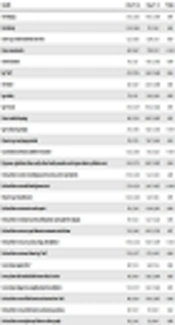
Given the diversity of study methodologies, validated tools appropriate to each design were applied. Randomized controlled trials were evaluated using the Cochrane Risk of Bias 2 tool. Observational studies were evaluated using the Newcastle-Ottawa Scale. Systematic reviews were evaluated using the JBI Critical Appraisal Checklist, and qualitative research was evaluated using the Critical Appraisal Skills Programme checklist. This tailored approach facilitated robust, design-specific assessment. Reviewers followed standardized scoring protocols and resolved disagreements through discussion. No studies were excluded solely based on risk of bias; however, quality ratings informed the narrative synthesis, and findings from studies deemed to have a moderate or high risk of bias were interpreted with caution. Further details are available in Table 1.
Table 1.
Characteristics and Thematic Classification of Included Studies. This Table Provides a Summary of the 16 Studies Included in the Review, Highlighting Their Key Features and Presenting the Thematic Categories Derived from the Synthesis Process
| Year | Author (First) | Study Type | Sampling Method | Participants | Conclusion | Key Point | Target Group | Risk of Bias Tool | Bias Level |
|---|---|---|---|---|---|---|---|---|---|
| 2016 | Petersson et al. (10) | Cross-sectional | Convenience | 182 | Assessing health-related quality of life (HRQoL) in pediatric patients with type 1 diabetes, alongside regular HbA1c evaluation, allows pediatric nurses to provide comprehensive care that addresses each child’s unique requirements. | Investigating the impact of type 1 diabetes on health-related quality of life among pediatric and adolescent populations. | Children 8 - 18 years old | JBI Checklist | Low to moderate |
| 2021 | Coolen et al. (11) | Systematic review | Review of literature | N/A | Hypoglycemia plays a significant role in shaping the HRQoL of children and adolescents with type 1 diabetes, affecting their emotional state, social interactions, and physical capabilities. | Analyzing the relationship between hypoglycemic episodes and quality of life in young individuals diagnosed with type 1 diabetes. | Children and adolescents | AMSTAR 2 | Low to moderate |
| 2020 | Khemakhem et al. (12) | Descriptive-analytical | Purposive | 48 | The condition can affect psychological, social, and physical domains of well-being, highlighting the need for integrated clinical management combined with individualized psychosocial support. | Assessing how type 1 diabetes influences both quality of life and glycemic regulation in children and adolescents. | Children and adolescents | JBI Checklist | Low to moderate |
| 2012 | Nieuwesteeg et al. (13) | Systematic review | Review of literature | N/A | The management of type 1 diabetes imposes considerable psychological, social, and physical demands on young patients, emphasizing the importance of targeted clinical strategies and customized psychosocial interventions. | Comparing the quality of life experienced by children with type 1 diabetes with that of their healthy counterparts. | Children and adolescents | JBI Checklist | Low to moderate |
| 2022 | Bekele et al. (14) | Cross-sectional | Purposive | 379 | Various physical, demographic, and clinical variables influence HRQoL in this population. Identifying these factors is essential for designing more effective care plans and supportive measures. | Identifying factors that affect health-related quality of life in those living with type 1 diabetes. | Children and adolescents | JBI Checklist | Low to moderate |
| 2025 | Chen et al. (15) | Longitudinal | Convenience | 200 | Long-term HRQoL in children and adolescents with type 1 diabetes is shaped by elements such as glycemic control, age, sex, and other clinical parameters, reinforcing the need for personalized intervention programs. | Evaluating longitudinal changes in quality of life and the determinants underlying these shifts among children and adolescents with type 1 diabetes. | Children and adolescents | JBI Checklist | Moderate |
| 2014 | El Boraie et al. (16) | Cross-sectional | Purposive | 79 | Both quality of life and self-efficacy are affected by an interplay of physical, psychological, and social determinants; addressing these determinants collectively can optimize both clinical outcomes and psychosocial support. | Investigating the link between quality of life and self-esteem in individuals affected by type 1 diabetes. | Children and adolescents | JBI Checklist | Moderate |
| 2022 | Jensen et al. (17) | Systematic review | Review of literature | N/A | Hypoglycemia not only affects children and adolescents but may also have negative repercussions for parental quality of life. However, current research on this topic remains limited, indicating a need for further investigation. | Assessing the consequences of hypoglycemia on the well-being of parents caring for children and adolescents with type 1 diabetes. | Parents of children and adolescents | AMSTAR 2 | Low to moderate |
| 2024 | Chakrashali et al. (18) | Mixed methods | Convenience | 113 | The economic challenges associated with managing type 1 diabetes can diminish adolescents’ HRQoL and increase emotional strain on families, making financial assistance and family-oriented support initiatives vital. | Examining the connection between economic challenges associated with illness and quality of life in adolescents managing type 1 diabetes. | Adolescents | JBI Checklist | Moderate |
| 2020 | Fischer et al. (19) | Longitudinal observational | Convenience | 203 | Although most children and adolescents with type 1 diabetes report relatively positive HRQoL, higher HbA1c values are associated with poorer outcomes in certain HRQoL domains. Therefore, ongoing HbA1c surveillance together with multidimensional HRQoL assessment is critical. | Monitoring alterations in both quality of life and HbA1c values over a six-month observation period in pediatric and adolescent patients with type 1 diabetes. | Children and adolescents | JBI Checklist | Moderate |
| 2021 | Girma et al. (20) | Cross-sectional | Systematic | 229 | Factors such as age at diagnosis, disease duration, glycemic control, and family socioeconomic background all contribute to HRQoL, underscoring the importance of addressing these variables to enhance overall well-being. | Investigating factors influencing health-related quality of life among children and adolescents with type 1 diabetes in Addis Ababa. | Children and adolescents | JBI Checklist | Low to moderate |
| 2016 | Samardzic et al. (21) | Cross-sectional | Convenience | 172 | Compared with healthy peers, young individuals with type 1 diabetes often experience reduced quality of life; nevertheless, improved glycemic management is linked to significant gains in well-being. | Exploring the relationship between quality of life and metabolic control in Montenegrin adolescents with type 1 diabetes. | Children and adolescents | JBI Checklist | Low to moderate |
| 2025 | Martín-Ávila et al. (22) | Observational and descriptive | Bibliometric analysis | 231 | Bibliometric studies reveal that existing research predominantly focuses on psychological, social, and self-management aspects of HRQoL in this group. Understanding these research trends and leading contributors can inform future studies. | Reviewing research trends related to health-related quality of life in adolescents with type 1 diabetes. | Adolescents | ROB 2 | Low to moderate |
| 2021 | Coolen et al. (23) | Cross-sectional | Convenience | 96 | In adolescents specifically, hypoglycemia correlates with lower diabetes-specific HRQoL. Effective prevention and management of hypoglycemic events can improve daily functioning and support better mental health. | Studying the impact of hypoglycemia on diabetes-specific quality of life in adolescents diagnosed with type 1 diabetes. | Adolescents | JBI Checklist | Low to moderate |
| 2021 | Smith et al. (24) | Descriptive-analytical | Convenience | 32 | Participation in diabetes camps has demonstrated benefits in boosting self-efficacy and enhancing HRQoL among adolescents with type 1 diabetes, often leading to more positive experiences than those reported by healthy counterparts. | Evaluating quality-of-life outcomes in adolescents with type 1 diabetes who attend specialized diabetes camps. | Adolescents | JBI Checklist | High |
| 2018 | Munkacsi et al. (25) | Cross-sectional | Convenience | 130 | Insulin pump therapy in pediatric patients has been associated with improved mental health and overall HRQoL, suggesting that the presence of diabetes does not inherently lead to psychological difficulties. | Exploring associations among mental health, quality of life, and insulin pump therapy use in pediatric and adolescent populations with type 1 diabetes. | Children and adolescents | JBI Checklist | Low to moderate |
3.8. Data Analysis
Thematic synthesis was used to integrate findings across the included studies. Using Braun and Clarke’s six-phase method, comprising familiarization, coding, theme development, review, definition, and reporting, two reviewers independently conducted inductive coding. Discrepancies were resolved through discussion or consultation with a third reviewer. This approach enabled systematic organization of recurrent concepts into clearly defined thematic categories.
4. Results
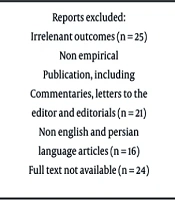
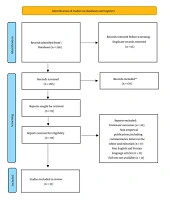
Following a rigorous screening process, 16 studies met the inclusion criteria for this review. The initial search across five databases yielded a substantial number of records examining the impact of type 1 diabetes on the quality of life of children and adolescents. The selection process is illustrated in Figure 1 using a PRISMA flow diagram, which details the numbers of records identified, screened, assessed for eligibility, and included, along with the reasons for exclusion at each stage. Key characteristics of the included studies are summarized in Table 1.
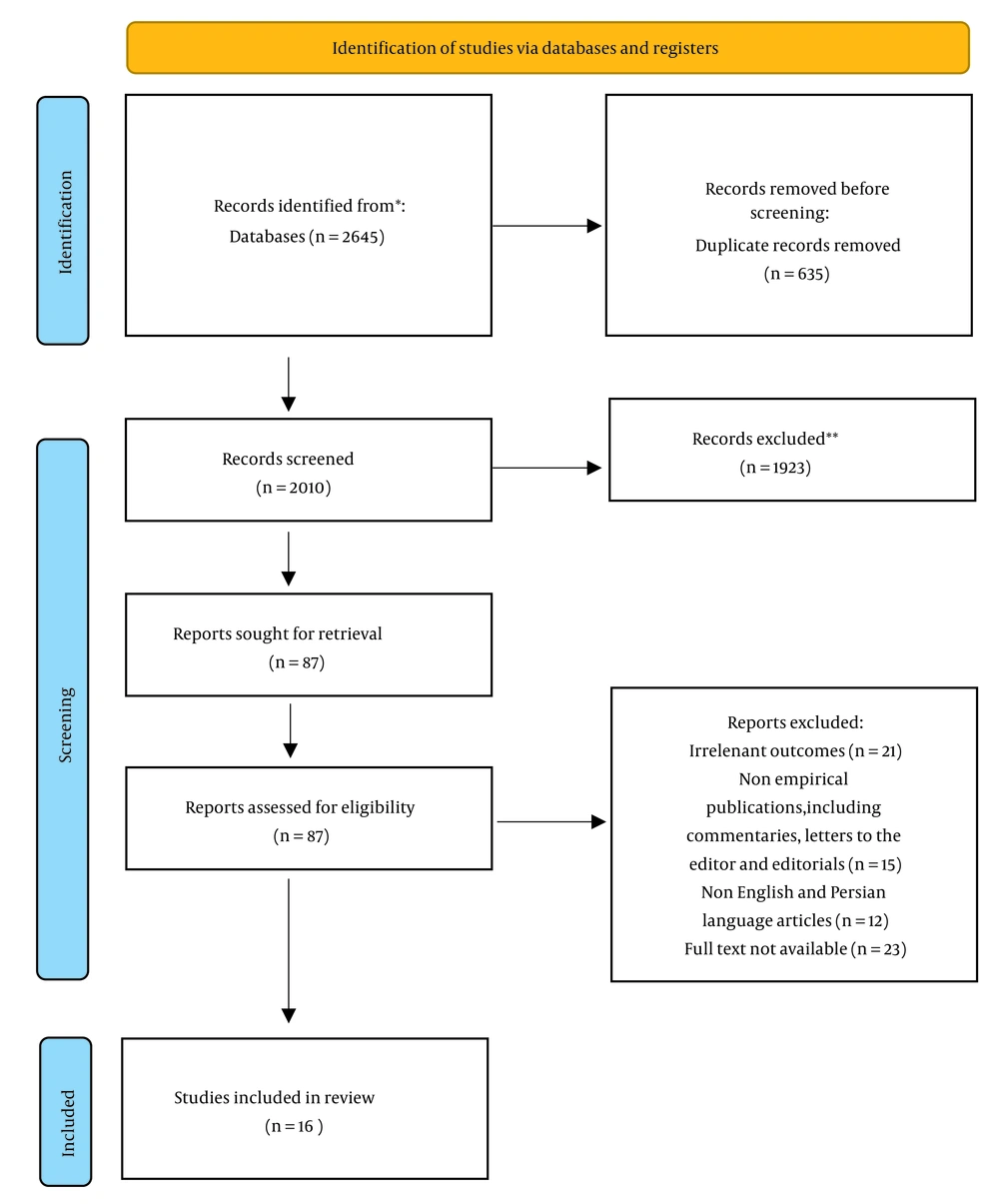
Figure 1.
PRISMA flow diagram (9)
5. Discussion
This systematic review synthesizes evidence from studies examining the effects of type 1 diabetes on quality of life among children and adolescents. The collective findings indicate a consistent trend: individuals in this age group who are diagnosed with T1D generally experience significantly reduced quality of life compared with their healthy counterparts (26). Physical demands related to disease management, such as frequent blood glucose monitoring, insulin administration, and adherence to dietary restrictions, repeatedly emerge as key factors contributing to diminished quality of life (27). Emotional burdens, notably anxiety, depressive symptoms, and fear of hypoglycemia, were frequently reported, highlighting the psychological strain imposed by T1D (28).
Physically, the daily demands of T1D, including insulin administration, frequent glucose monitoring, and strict dietary control, impose lifestyle restrictions that limit participation in daily activities. In addition, social dimensions, including feelings of isolation and perceived differences from peers, emerged as salient concerns, underscoring the multifaceted nature of quality-of-life impairment in this population (29). Several studies emphasized the critical role of effective disease management and family support in moderating quality-of-life outcomes (30). Children and adolescents who demonstrated better glycemic control, received structured diabetes education, and benefited from active family involvement reported higher levels of well-being and lower psychological distress (31). In contrast, inadequate adherence to treatment protocols or insufficient psychosocial support was consistently associated with increased emotional and social difficulties (32). These results highlight the importance of comprehensive care strategies that simultaneously address medical, psychological, and social needs (33).
Developmental factors were also identified as important determinants of the impact of T1D. Adolescents, in particular, face unique challenges arising from increasing autonomy, peer influence, and identity formation, which may conflict with the structured routines required for effective diabetes management (34). This developmental tension can lead to inconsistent adherence, increased emotional stress, and compromised quality of life, emphasizing the need for age-specific interventions tailored to the developmental stage (35). Emerging evidence suggests that interventions such as structured education programs, peer support groups, psychosocial counseling, and technological tools, including continuous glucose monitoring systems, can substantially improve quality of life (36). These strategies not only enhance disease management but also foster emotional resilience, self-efficacy, and social integration, enabling children and adolescents to participate more fully in daily life (37). In summary, type 1 diabetes significantly and comprehensively affects the quality of life of children and adolescents (38).
Addressing these challenges requires a holistic, developmentally sensitive approach that integrates medical treatment with psychosocial support (39). Nevertheless, an integrated approach that includes advanced medical treatment, psychosocial support, and proactive family involvement can mitigate numerous negative outcomes and provide a foundation for improved well-being and sustained quality of life in this at-risk group (36). Future research should prioritize longitudinal designs to elucidate long-term quality-of-life trajectories in this population and rigorously evaluate the effectiveness of interventions aimed at enhancing well-being.
5.1. Conclusions
Type 1 diabetes has a profound impact on multiple aspects of quality of life in children and adolescents. In addition to physical outcomes, it affects psychological, social, educational, and family functioning. The daily requirements of disease management, including insulin injections, frequent blood glucose monitoring, and dietary adherence, can limit independence and daily activities and cause ongoing worry and stress because of the risk of blood glucose fluctuations. Psychologically, these patients may experience anxiety, disease-related distress, decreased self-esteem, and a sense of being different from their peers. These challenges are exacerbated during adolescence because of developmental sensitivities and identity formation and can reduce life satisfaction and mental health. Treatment limitations, the likelihood of acute complications, and frequent school absences also affect social participation and academic performance.
Active family involvement plays a key role in reducing the negative consequences of the disease. Psychosocial support, self-care skills training, and parental support can increase resilience, adherence to treatment, and life satisfaction. The use of new diabetes management technologies, together with psychosocial interventions, can also reduce the daily burden of the disease. Accordingly, effective management of type 1 diabetes requires a comprehensive, multidisciplinary approach that includes medical treatment, psychosocial support, self-care education, and family involvement.
The findings of this systematic review emphasize the need to adopt a patient-centered approach to improve the quality of life in this group. Integrating psychological care, family involvement, and school-based educational programs can improve emotional health and social interactions. Health policies should also promote equitable access to advanced diabetes management technologies and person-centered treatment programs and remain responsive to patients’ needs through ongoing research and evaluation.
5.2. Limitations of the Study
This review included studies published in both Persian and English, which may have omitted some high-quality evidence. Despite a comprehensive search, meta-analysis was not possible because of the lack of standardized and homogeneous quantitative data on psychosocial outcomes. Most included studies used qualitative approaches, diverse conceptual frameworks, different measurement instruments, and different outcome indicators, which limited statistical comparison and aggregation of effect sizes. Because meta-analysis requires relative homogeneity in study design, measurement methods, and outcome indicators, its implementation under these conditions could have led to unreliable results. Therefore, qualitative systematic synthesis was selected as the most appropriate and valid method to achieve the research objectives.