
1. Background
Stroke is a major public health challenge worldwide and is associated with substantial physical, cognitive, and psychological consequences. It is considered one of the leading causes of mortality and disability, including in Iran (1). Reports from the World Stroke Organization indicate that stroke remains among the leading causes of death worldwide, based on recent global estimates (2). In Iran, approximately 787,000 prevalent cases, 102,778 new cases, and 41,000 stroke-related deaths were reported in 2021, with an age-standardized prevalence rate of 934 per 100,000 population. Due to prolonged hospitalization, the need for rehabilitation, and ongoing care, stroke is among the costliest chronic diseases and imposes substantial direct and indirect economic burdens on families and healthcare systems (3).
Self-care ability is a key factor in the recovery and rehabilitation of patients with stroke and refers to an individual’s capacity to manage health-related activities such as treatment follow-up, medication adherence, and the performance of activities of daily living. However, patients with stroke, particularly in the chronic phase, often have difficulty performing these activities because of physical and cognitive impairments (4). Reduced self-care ability in patients with stroke can lead to poor disease management, nonadherence to medication regimens, an increased risk of complications (5), greater dependence on family caregivers, and increased physical and psychological burden on families. Furthermore, psychological problems such as depression and anxiety are more prevalent among patients with lower self-care ability, which may further delay recovery (4).
Effective self-care education is a principal strategy for strengthening self-care ability and can improve disease management while reducing complications, rehospitalization, and dependence on caregivers (3). Nevertheless, in Iran, such educational interventions are often limited and unstructured, and a lack of resources and standardized educational models has challenged their effectiveness (5). Previous studies evaluating self-care education have reported inconsistent findings. Some studies have demonstrated beneficial effects of structured educational programs in patients with stroke (6, 7), and related self-care approaches have shown positive findings in other neurological conditions, such as traumatic brain injury (8). In contrast, other studies have highlighted barriers, including limited patient participation, physical and cognitive impairments, and a lack of culturally appropriate educational content (9). These inconsistencies underscore the importance of designing structured educational programs tailored to the needs of Iranian patients (4).
Despite the recognized importance of self-care education in improving outcomes among patients with stroke, the existing evidence has several limitations. A considerable proportion of previous studies have focused mainly on outcomes such as quality of life or motor function, whereas self-care ability as an independent construct has been less directly investigated, despite being fundamental to sustaining other therapeutic outcomes. Moreover, inconsistent findings regarding the effectiveness of self-care education suggest that providing education alone, without a structured framework and adaptation to patients’ physical, cognitive, and cultural conditions, may not necessarily improve self-care ability.
In Iran, self-care education is often delivered non-systematically and lacks a theoretical framework. In addition, cultural differences and varying levels of health literacy limit the generalizability of findings from international studies. The literature also indicates a shortage of indigenous interventional studies specifically examining the effect of self-care education on self-care ability among patients with stroke. Therefore, given the high prevalence of stroke and the crucial role of self-care ability in long-term disease management, the present study was conducted to generate local evidence and contribute to the development of effective educational programs tailored to the needs of Iranian patients.
The conceptual basis of the present study was informed by self-care and self-management principles, particularly Orem’s Self-Care Deficit Theory and contemporary stroke self-management approaches. According to these perspectives, self-care ability can be enhanced by providing knowledge, developing practical skills, and strengthening patients’ confidence in managing health-related activities. In stroke rehabilitation, multicomponent self-care interventions are expected to facilitate patients’ active participation in their care by improving their understanding of disease management, treatment adherence, symptom monitoring, and problem-solving abilities.
The rationale for focusing on self-care education in stroke is that stroke-related impairments commonly affect sensorimotor, cognitive, and perceptual functions and may create a threatened health status that limits patients’ ability to perform self-care activities independently. Structured, multicomponent self-care interventions tailored to patients’ functional and cognitive capacities may help them better recognize their limitations, adopt compensatory strategies, and engage more effectively in self-management behaviors. Previous stroke-specific rehabilitation and self-management studies have suggested that patient education may improve self-efficacy and perceived self-management abilities; however, evidence regarding its direct effect on self-care ability remains limited and inconsistent. Therefore, further investigation is needed to determine whether structured self-care education can improve perceived self-care ability among patients with stroke.
2. Objectives
Accordingly, this study aimed to evaluate the effect of a multicomponent self-care educational intervention, compared with usual care, on total perceived self-care ability at the one-month follow-up. Immediate post-intervention assessment and analyses of changes in self-care ability over time were considered secondary objectives.
3. Methods
3.1. Study Design and Setting
This study was a quasi-experimental controlled study with a parallel-group pretest–posttest design and follow-up. Recruitment was conducted between January and April 2025 in Tabriz, Iran. The study population comprised patients with stroke referred to healthcare centers affiliated with Tabriz University of Medical Sciences. The sample size was estimated a priori using G*Power version 3.1 (Heinrich Heine University, Düsseldorf, Germany) for a two-sample comparison of independent means (two-tailed test). The calculation was based on a standardized mean difference of Cohen's d = 0.70, a two-sided significance level (α) of 0.05, a statistical power (1 − β) of 80%, and an equal allocation ratio of 1:1. Under these assumptions, the required sample size was estimated as 26 participants per group (total n = 52). Because no previous study using the Perceived Self-Care Ability Questionnaire (PSCA) in patients with stroke was available, the effect size was selected as an anticipated medium-to-large effect. To allow for an anticipated attrition rate of approximately 15%, the sample size was increased to 30 participants per group (total n = 60). Participants were recruited using convenience sampling. After eligibility assessment and enrollment, participants were allocated to the intervention and control groups using a nonrandom allocation procedure, with 30 participants assigned to each group.
Inclusion criteria were: (1) a neurologist-confirmed diagnosis of stroke; (2) 1 - 12 months since stroke onset at the time of enrollment; and (3) mild-to-moderate stroke severity defined by either a National Institutes of Health Stroke Scale (NIHSS) score of 1 - 15 or a modified Rankin Scale (mRS) score of 2 - 3. Therefore, meeting either the NIHSS or mRS criterion was considered sufficient for eligibility. Cognitive ability to participate in the multicomponent self-care interventions was assessed using the Mini-Mental State Examination (MMSE), with a score ≥ 18 indicating adequate cognitive capacity. Communication ability was evaluated clinically by a neurologist and a speech therapist to confirm the ability to understand and respond to simple verbal instructions. A Barthel Index score ≥ 40 was considered supportive of functional ability when available but was not applied as a mandatory eligibility criterion.
Baseline clinical characteristics were assessed at enrollment. NIHSS, mRS, MMSE, and Barthel Index scores were obtained from the most recent clinical assessments available before or at the time of enrollment. When these measures were available from routine neurological and rehabilitation evaluations, they were retrospectively extracted from medical records by the principal investigator. Admission scores were not assumed to represent enrollment status if the assessment had been performed earlier during hospitalization and the participant subsequently entered the study during the post-stroke period. The number of participants with available scores for each measure was recorded and reported.
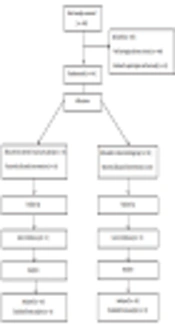
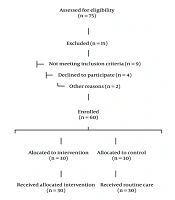
Baseline variables included stroke severity (NIHSS and mRS), cognitive status (MMSE), functional status (Barthel Index), time since stroke, stroke type, affected side, and relevant comorbidities; these were summarized separately for each study group. Exclusion criteria included rehospitalization or medical complications during the study period, withdrawal from participation, absence from more than two educational sessions, and incomplete questionnaires (Figure 1).
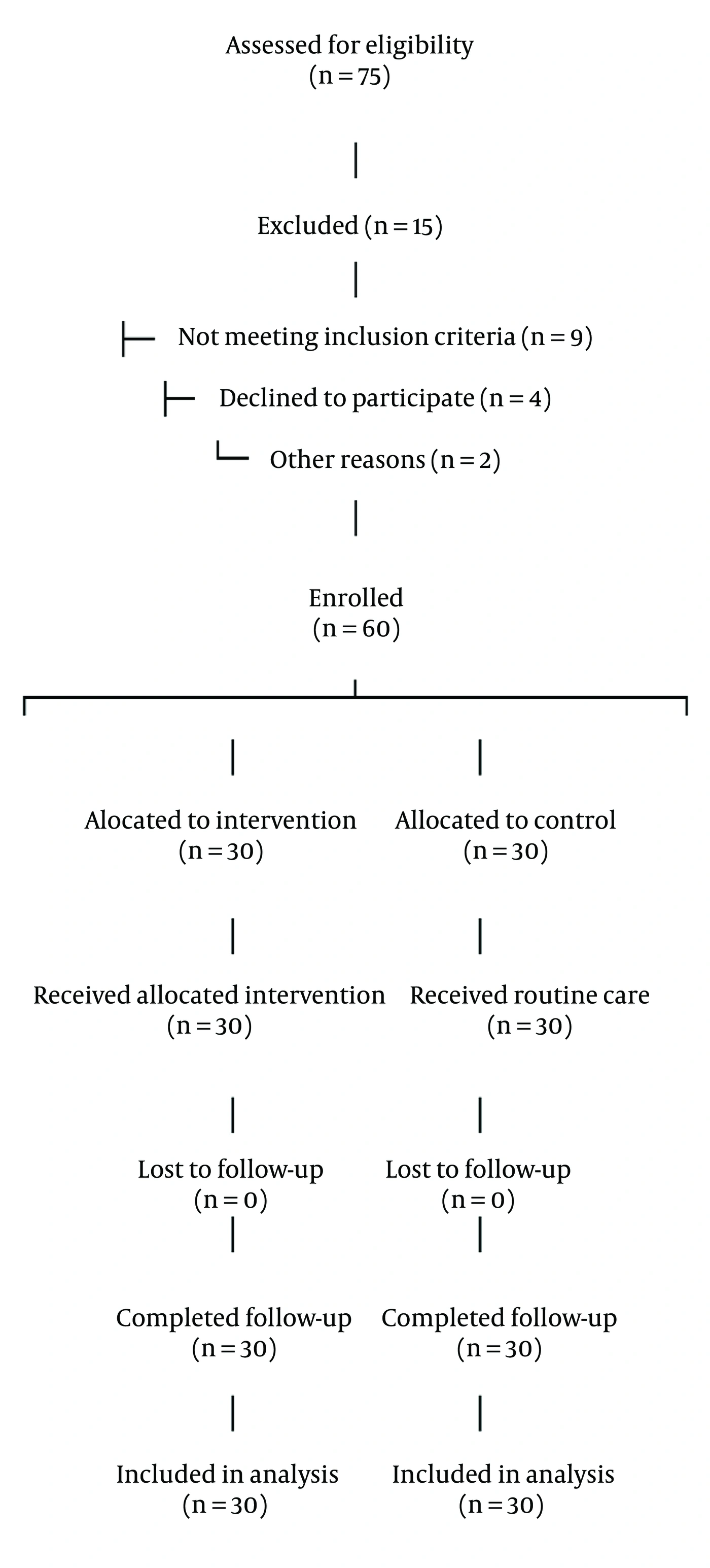
Figure 1.
Flow diagram of participant recruitment, allocation, follow-up, and analysis.
3.2. Instruments
Data were collected using a demographic questionnaire and the Persian-language version of the 32-item PSCA, originally developed and psychometrically validated by Jafari-Golestan et al. (10). The instrument consists of 32 items across three domains: sensory-motor-cognitive ability (16 items), perceptual ability (8 items), and threatened health status (8 items). Items are rated on a five-point Likert scale ranging from 1 (never) to 5 (always), yielding total raw scores from 32 to 160, with higher scores indicating greater perceived self-care ability. The published Persian version was administered without modification. The PSCA is a published research instrument, and no additional permission was required for its use in the present study. In the original validation study, the instrument demonstrated satisfactory face, content, and construct validity, with an overall Content Validity Index of 0.89, Cronbach's alpha of 0.901 for the total scale, and an intraclass correlation coefficient of 0.849. In the present study, internal consistency was calculated using baseline responses only. Cronbach's alpha coefficients were 0.87 for the total scale and 0.89, 0.78, and 0.75 for the sensory-motor-cognitive ability, perceptual ability, and threatened health status subscales, respectively.
3.3. Intervention
Initially, eligible patients with stroke were identified according to the inclusion and exclusion criteria. The study objectives were explained to patients and their families, and written informed consent was obtained before participation.
At baseline, self-care ability was assessed for all participants, and the demographic and PSCA questionnaires were completed by the researcher, with assistance from family members when necessary. The PSCA was administered by the principal investigator at baseline, immediately after the intervention, and at the one-month follow-up using the same standardized procedure at all assessment time points. Because the principal investigator was responsible for participant follow-up and delivery of the educational intervention, outcome assessment was not blinded, and the assessor was aware of group allocation. Participants were encouraged to complete the questionnaire independently whenever possible. When stroke-related physical or communication limitations prevented independent completion, family members were permitted only to read questions aloud, repeat response options, or record the participant's selected answer. They were instructed not to explain questionnaire items, suggest responses, or answer on behalf of the participant, and the researcher supervised questionnaire administration throughout. Family assistance during questionnaire completion was required for 8 participants (26.7%) in the intervention group and 7 participants (23.3%) in the control group, and the same assistance procedures were applied at all assessment time points.
The intervention group received a structured self-care educational program for patients with stroke, developed based on current stroke rehabilitation guidelines, self-management recommendations, and relevant national and international literature. The program was also informed by the principles of adult learning theory and patient-centered education. The educational package was culturally adapted for Iranian patients with stroke through expert review and modification of language, examples, and educational materials according to local healthcare practices and patient needs. Content validity was evaluated by experts in neurology, nursing, rehabilitation, and health education, and the final version was revised according to their recommendations before implementation.
The intervention consisted of 10 sessions delivered over 12 weeks. Sessions 2 - 9 were delivered weekly from week 1 to week 8 after baseline assessment. Session 10 was conducted face-to-face at week 12 (four weeks after session 9) for final review and reinforcement of self-care skills. The one-month follow-up period began immediately after completion of session 10. Each face-to-face session lasted approximately 45 - 60 minutes, whereas remote sessions were designed as 20 - 30-minute multimedia learning modules. The program was delivered by a trained nurse with a master’s degree in nursing and more than 5 years of clinical experience in neurology and stroke care. The first session was conducted face-to-face in the hospital with the patient and one family member, focusing on stroke awareness, complications, and the importance of self-care and family support. Sessions 2 - 9 were delivered weekly through multimedia materials (videos, electronic booklets, PowerPoint presentations, and pamphlets) via Iranian messaging applications. Each session included educational content, interactive discussion, and practical assignments for both patients and family caregivers. Family members participated in all sessions and assisted patients with home-based activities, including medication reminders, supervised mobility exercises, safe transfer practice, adherence to dietary recommendations, and monitoring of warning signs. Behavioral techniques incorporated into the intervention included goal setting, repetition and reinforcement of key messages, problem-solving discussions, self-monitoring, and verbal encouragement to enhance self-efficacy and adherence to self-care behaviors.
Printed materials were provided for participants without adequate access to digital tools. Intervention fidelity was ensured through use of a standardized educational protocol and a session checklist completed by the educator after each session. The session checklist documented delivery of predefined educational components, practical activities, and participant engagement. The fidelity checklist confirmed that all planned sessions were delivered according to the standardized protocol and that all predefined educational components were completed as scheduled, resulting in 100% intervention delivery fidelity. The completed checklists were periodically reviewed by the research team to ensure consistency and fidelity of intervention delivery across all sessions.
Regular follow-up calls were conducted to ensure continuity and adherence to the program. Participant engagement with remote materials was monitored through messaging-platform delivery confirmation, participant and caregiver feedback during weekly follow-up calls, and review of responses to the educational materials. Objective platform analytics beyond message delivery status were not available. Participants were asked to review the remote educational materials at least once weekly. Adherence was monitored through weekly follow-up telephone calls, participant and caregiver self-report, and responses to brief review questions regarding the educational materials. All participants in the intervention group attended both face-to-face sessions and completed all eight remote educational sessions; therefore, the intervention completion rate was 100% (30/30).
The control group received routine stroke care according to the hospital’s standard practice. Routine care included standard medical management by neurologists, routine nursing care during hospitalization, and verbal discharge education provided by ward nurses regarding medication adherence, blood pressure control, dietary recommendations, warning signs of recurrent stroke, and scheduled outpatient follow-up visits. In accordance with usual clinical practice, patients in both groups had equal access to rehabilitation services after discharge, including physiotherapy, occupational therapy, outpatient neurological follow-up, and family support. These services were not organized, monitored, or provided by the research team and were received according to individual clinical needs and physician recommendations. No structured self-care education program, scheduled educational sessions, or systematic follow-up contacts were provided to the control group. Information regarding the use of rehabilitation services and any additional education received outside the study was collected during follow-up assessments. To minimize contamination between groups, participants were instructed not to share educational materials, and intervention content was delivered individually through private messaging applications. Group allocation was not disclosed to ward staff involved in routine care. At the end of the study, the educational materials were provided to the control group for ethical reasons. The week-by-week schedule of the educational program is presented in Table 1.
Table 1.
Summary of Self-Care Educational Sessions for Stroke Patients
| Sessions | Weeks | Delivery method | Objective | Educational Content |
|---|---|---|---|---|
| 1 | 0 (baseline) | Face-to-face (hospital) | Introduction to stroke | Definition, types, risk factors, effects on independence |
| 2 | 1 | Messaging application | Prevention of complications | Fall prevention, BP and diabetes control, warning signs |
| 3 | 2 | Messaging application | Nutrition education | Low-fat, high-fiber diet, swallowing considerations |
| 4 | Week 3 | Messaging application | Motor rehabilitation | Stretching, balance exercises, walking importance |
| 5 | 4 | Messaging application | Medication management | Adherence, drug interactions, correct timing |
| 6 | 5 | Messaging application | Skin care | Position changes, hygiene, pressure ulcer prevention |
| 7 | 6 | Messaging application | Psychological support | Relaxation, coping strategies, family support |
| 8 | 7 | Messaging application | Safe transfer techniques | Bed-to-wheelchair transfer, assistive devices |
| 9 | 8 | Messaging application | Assistive devices | Walker, cane, wheelchair, home safety |
| 10 | 12 | Face-to-face (hospital) | Review session | Summary, questions, motivation, reinforcement |
For each session, participants and family caregivers received educational materials (videos, electronic booklets, PowerPoint presentations, and pamphlets), participated in interactive discussions, and completed practical home-based assignments related to the session content.
3.4. Data Analysis
Data were analyzed using SPSS version 26. Descriptive statistics were reported as mean ± standard deviation for continuous variables and frequency (percentage) for categorical variables. The primary outcome was the total score of the PSCA assessed at the one-month follow-up. The primary estimand was the adjusted between-group difference in total PSCA score at the one-month follow-up. Baseline demographic and clinical characteristics were compared using independent-samples t-tests and chi-square tests, as appropriate. Covariates were prespecified before data analysis based on their expected prognostic relevance rather than statistical significance at baseline. Baseline PSCA score was included because it is the strongest predictor of follow-up self-care ability. Age was included because of its established prognostic importance in stroke recovery, and living arrangement was included because social support may influence self-care ability after stroke. Baseline NIHSS, modified Rankin Scale (mRS), Mini-Mental State Examination (MMSE), and Barthel Index were collected to characterize the study population but were not included in the primary analysis of covariance (ANCOVA) model because the limited sample size did not support a more complex model and to reduce the risk of model overfitting. Normality of quantitative variables was assessed using the Shapiro–Wilk test.
To address baseline imbalances, ANCOVA was performed to compare total PSCA scores between the intervention and control groups at the prespecified one-month follow-up, adjusting for baseline PSCA score, age, and living arrangement. The one-month follow-up comparison was defined as the primary analysis. Repeated-measures analysis of variance (ANOVA) was performed as a secondary analysis to evaluate changes in self-care scores over time and the group × time interaction. Analyses of the immediate post-intervention assessment and PSCA subdomains were also considered secondary and supportive. Because the one-month follow-up comparison of the total PSCA score was the prespecified primary analysis, no multiplicity adjustment was applied to this comparison. Secondary analyses were interpreted as exploratory, and their P values should be interpreted cautiously. No participants withdrew or were lost to follow-up; therefore, no missing outcome data were observed. All participants were included in the final analyses. Statistical significance was set at P < 0.05.
3.5. Ethical Considerations
The study was approved by the Research Ethics Committee of Islamic Azad University, Tehran Medical Sciences Branch. Administrative permission to recruit participants was obtained from the relevant authorities and participating healthcare centers in Tabriz before data collection. All participants were informed about the study objectives, procedures, potential benefits, and their right to refuse or withdraw from participation at any stage without consequences for their routine medical care. Written informed consent was obtained from all participants before enrollment.
Given the potential for cognitive impairment following stroke, decision-making capacity was assessed before obtaining consent. The researcher evaluated participants’ ability to understand the study information, its purpose, procedures, and the voluntary nature of participation through direct communication. Participants who demonstrated adequate understanding and decision-making capacity provided written informed consent independently. Family members were involved only as supportive caregivers when necessary and assisted with questionnaire completion; they did not provide consent on behalf of participants or influence participation decisions. Confidentiality of participants’ personal information and responses was strictly maintained.
The primary outcome, primary follow-up time point, and statistical analysis plan were specified in the study protocol approved by the institutional ethics committee before data analysis. The study was not prospectively registered in a public clinical trial registry. At the time the study was initiated, the investigators considered it a quasi-experimental educational intervention rather than a clinical trial requiring prospective registration. Nevertheless, a written study protocol specifying the primary outcome, follow-up schedule, and statistical analysis plan was finalized and approved by the institutional Research Ethics Committee under Ethics Approval No. IR.IAU.TMU.REC.1404.163. All analyses reported in this manuscript followed the prespecified protocol.
4. Results
A total of 75 patients were screened for eligibility, of whom 60 met the inclusion criteria and agreed to participate. Fifteen patients were excluded because they did not meet the eligibility criteria (n = 9), declined participation (n = 4), or for other reasons (n = 2). Thirty participants were allocated to the intervention group and 30 to the control group. All participants completed the intervention and follow-up assessments and were included in the final analysis. No protocol deviations or intervention-related adverse events were reported.
Most demographic characteristics did not differ significantly between the intervention and control groups. Gender distribution, education level, occupation, marital status, insurance coverage, and income distribution were comparable between the groups based on the available data (P > 0.05). However, significant baseline differences were observed in age (P = 0.01) and living arrangement (P = 0.001). In addition, baseline total self-care scores differed between the intervention and control groups (95.7 ± 12.7 vs. 106.8 ± 6.1), indicating a baseline imbalance that warranted adjusted analyses (Table 2).
Table 2.
Distribution of Demographic Characteristics of Participants in the Intervention and Control Groups a
| Variables | Intervention (n = 30) | Control (n = 30) | P-Value |
|---|---|---|---|
| Age (y) | 61.4 ± 11.0 | 54.3 ± 10.0 | 0.01 |
| Gender | 0.18 | ||
| Male | 21 (70.0) | 16 (53.3) | |
| Female | 9 (30.0) | 14 (46.7) | |
| Education | 0.93 | ||
| Below diploma | 18 (60.0) | 15 (50.0) | |
| Diploma | 6 (20.0) | 7 (23.3) | |
| Bachelor | 3 (10.0) | 5 (16.7) | |
| Master | 3 (10.0) | 3 (10.0) | |
| Occupation | 0.70 | ||
| Employed | 8 (26.7) | 6 (20.0) | |
| Retired | 5 (16.7) | 11 (36.7) | |
| Self-employed | 8 (26.7) | 5 (16.7) | |
| Housewife | 9 (30.0) | 8 (26.7) | |
| Marital status | 0.07 | ||
| Married | 28 (93.3) | 23 (76.7) | |
| Single | 2 (6.7) | 7 (23.3) | |
| Insurance | 0.24 | ||
| Yes | 24 (80.0) | 27 (90.0) | |
| No | 6 (20.0) | 3 (10.0) | |
| Living | 0.001 | ||
| Alone | 4 (13.3) | 18 (60.0) | |
| With family | 26 (86.7) | 12 (40.0) | |
| Income | 0.68 | ||
| Good | 4 (13.3) | 1 (3.3) | |
| Moderate | 12 (40.0) | 12 (40.0) | |
| Poor | 14 (46.7) | 17 (56.7) | |
| Time since stroke (months) | 5.2 ± 2.8 | 5.6 ± 3.1 | 0.61 |
| Stroke type | 0.75 | ||
| Ischemic | 25 (83.3) | 24 (80.0) | |
| Hemorrhagic | 5 (16.7) | 6 (20.0) | |
| Affected side | 0.80 | ||
| Right | 16 (53.3) | 15 (50.0) | |
| Left | 14 (46.7) | 15 (50.0) | |
| NIHSS score | 6.2 ± 3.1 | 6.0 ± 3.0 | 0.79 |
| mRS score, Median (IQR) | 2 (2 - 3) | 2 (2 - 3) | 0.88 |
| MMSE score | 23.1 ± 3.2 | 22.8 ± 3.5 | 0.73 |
| Barthel Index score | 65.4 ± 18.2 | 63.7 ± 19.1 | 0.72 |
| Hypertension | 0.79 | ||
| Yes | 19 (63.3) | 18 (60.0) | |
| Diabetes mellitus | 0.79 | ||
| Yes | 10 (33.3) | 11 (36.7) |
a Values are expressed as mean ± SD. Independent-samples t-test was used for continuous variables (e.g., age). Pearson’s chi-square test or Fisher’s exact test was used for categorical variables according to the expected cell frequencies. Baseline NIHSS, mRS, MMSE, and Barthel Index scores were available for all participants.
The primary analysis compared total PSCA scores between the intervention and control groups at the one-month follow-up using ANCOVA adjusted for baseline self-care score, age, and living arrangement. Descriptive results from the immediate post-intervention assessment and repeated-measures analyses are presented as secondary analyses (Table 3).
Table 3.
Descriptive Self-Care Scores in the Intervention and Control Groups Across the Three Measurement Times a
| Domains and Groups | Before Intervention | After Intervention | Follow-up | P-Value b |
|---|---|---|---|---|
| Sensory, motor, cognitive ability | ||||
| Intervention | 44.9 ± 11.3 | 54.1 ± 8.7 | 58.0 ± 4.9 | 0.001 |
| Control | 55.6 ± 4.0 | 47.2 ± 5.4 | 60.8 ± 5.4 | 0.001 |
| Perceptual ability | ||||
| Intervention | 24.6 ± 4.9 | 23.1 ± 3.7 | 26.8 ± 3.5 | 0.001 |
| Control | 22.0 ± 3.4 | 23.3 ± 3.6 | 24.0 ± 4.2 | 0.050 |
| Threatened health status | ||||
| Intervention | 26.1 ± 4.3 | 28.2 ± 4.2 | 29.5 ± 3.1 | 0.001 |
| Control | 29.1 ± 3.4 | 26.3 ± 4.3 | 28.6 ± 3.4 | 0.070 |
| Total self-care score | ||||
| Intervention | 95.7 ± 12.7 | 105.4 ± 11.9 | 114.3 ± 7.7 | 0.001 |
| Control | 106.8 ± 6.1 | 96.9 ± 9.3 | 113.5 ± 9.0 | 0.001 |
a Values are expressed as mean ± SD.
b P-values represent within-group changes over time and are provided for descriptive purposes only. The intervention effect was assessed using adjusted between-group comparisons.
The primary ANCOVA showed no statistically significant adjusted between-group difference in total PSCA score at the one-month follow-up (adjusted mean difference = 1.0; 95% CI −3.0 to 5.0; P = 0.62). A secondary ANCOVA was also performed for the immediate post-intervention assessment using the same adjustment variables (baseline PSCA score, age, and living arrangement). The adjusted between-group mean difference, 95% confidence interval, and P value are reported in Table 7 together with the primary follow-up analysis.
Repeated-measures ANOVA was performed as a secondary analysis to evaluate overall temporal changes in self-care scores and should not be interpreted as the primary estimate of the treatment effect. Table 4 summarizes the results of the repeated-measures ANOVA examining changes in self-care scores over time between the intervention and control groups. Mauchly's test indicated that the assumption of sphericity was violated (W = 0.76, χ2 = 15.84, df = 2, P = 0.003); therefore, the Greenhouse-Geisser correction was applied (ε = 0.90). Effect sizes are reported as partial eta squared (ηp2). Repeated-measures ANOVA demonstrated a significant effect of time, whereas the group effect and the time × group interaction were not statistically significant. However, substantial baseline imbalances were present, and adjusted analyses did not demonstrate a statistically significant between-group difference at follow-up. Therefore, these repeated-measures findings should be interpreted cautiously and considered supportive secondary analyses rather than primary estimates of the treatment effect.
Table 4.
Results of Repeated-Measures ANOVA for Changes in Self-Care Scores Between the Intervention and Control Groups Across Three Time Points a
| Variables | F | df | P-Value | Partial η2 |
|---|---|---|---|---|
| Time effect | 4.20 | 1.80, 104.40 | 0.021 | 0.07 |
| Group effect | 1.58 | 1, 57 | 0.282 | 0.02 |
| Time × group interaction | 2.11 | 1.80, 104.40 | 0.131 | 0.04 |
a Effect sizes are reported as partial eta squared (ηp2).
Table 5 presents the estimated marginal mean total PSCA score for each study group, averaged across all assessment time points. Time-specific adjusted between-group comparisons are reported separately in the primary ANCOVA analysis.
Model diagnostics: ANCOVA models were adjusted for baseline PSCA score, age, and living arrangement. Homogeneity of regression slopes was confirmed (Group × Baseline PSCA interaction: P = 0.74). Visual inspection of residual-versus-fitted plots and Q–Q plots indicated no important violations of homoscedasticity or normality. No influential observations were identified (maximum Cook's distance = 0.29) (Table 6 and 7).
Table 5.
Estimated Marginal Means of Total Self-Care Scores Averaged Across the Three Study Time Points Obtained from the Repeated-Measures ANOVA Model a
| Group | Estimated Marginal Mean | 95% confidence interval (CI) |
|---|---|---|
| Intervention | 105.2 | 101.8 - 108.6 |
| Control | 104.1 | 100.7 - 107.5 |
a Estimated marginal means were derived from the repeated-measures ANOVA model and represent model-adjusted mean total PSCA scores averaged across the three assessment occasions (baseline, immediately after the intervention, and one-month follow-up). These values are presented for descriptive purposes and should not be interpreted as time-specific treatment effects. The primary treatment effect was evaluated separately using ANCOVA at the one-month follow-up.
Table 6.
Bonferroni-Adjusted Pairwise Comparisons for the Effect of Time
| Comparison | Mean Difference | 95% CI | P-Value |
|---|---|---|---|
| Baseline vs. post-intervention | 3.1 | 0.6 to 5.6 | 0.018 |
| Baseline vs. Follow-up | 7.0 | 3.9 to 10.1 | < 0.001 |
| Post-intervention vs. Follow-up | 3.9 | 1.2 to 6.6 | 0.007 |
Table 7.
Adjusted ANCOVA Results for Total PSCA Scores Immediately After the Intervention (Secondary Analysis) and at the One-Month Follow-Up (Primary Analysis)
| Outcome | Adjusted Mean (Intervention) | Adjusted Mean (Control) | Adjusted Mean Difference (95% CI) | P-Value |
|---|---|---|---|---|
| Immediately after intervention (Secondary) | 82.6 | 80.3 | 2.3 (−1.4 to 6.0) | 0.22 |
| One-month follow-up (Primary) | 81.9 | 80.9 | 1.0 (−3.0 to 5.0) | 0.62 |
The primary ANCOVA, adjusted for baseline PSCA score, age, and living arrangement, demonstrated no statistically significant difference in total PSCA score between the intervention and control groups at the one-month follow-up (adjusted mean difference = 1.0 point, 95% CI −3.0 to 5.0; P = 0.62). The adjusted mean PSCA score was 81.9 in the intervention group and 80.9 in the control group. Similarly, the adjusted comparison immediately after the intervention showed no statistically significant between-group difference (adjusted mean difference = 2.3 points, 95% CI −1.4 to 6.0; P = 0.22). Model diagnostics indicated no important violations of ANCOVA assumptions. The interaction between treatment group and baseline PSCA score was not statistically significant (P = 0.74), supporting the assumption of homogeneity of regression slopes. Residual analyses showed no evidence of heteroscedasticity, and no influential observations were identified (maximum Cook's distance = 0.29) (Table 8).
Table 8.
Regression Coefficients from the Primary ANCOVA Model
| Predictors | β | SE | 95% CI | P-Value |
|---|---|---|---|---|
| Intervention group | 1.02 | 1.98 | −2.95 to 4.99 | 0.61 |
| Baseline PSCA | 0.72 | 0.09 | 0.54 to 0.90 | < 0.001 |
| Age | −0.08 | 0.06 | −0.20 to 0.04 | 0.19 |
| Living arrangement | −1.21 | 1.35 | −3.91 to 1.49 | 0.37 |
5. Discussion
The present study was designed with the one-month follow-up assessment of the total PSCA score as the prespecified primary endpoint. Accordingly, the primary analysis was based on the adjusted between-group difference in total PSCA score estimated using ANCOVA. This analysis did not demonstrate a clear between-group effect of the multicomponent self-care educational intervention. The estimated adjusted treatment effect was small (1.0 point), the confidence interval included both potential benefit and potential harm, and no established minimal clinically important difference is available for the PSCA. Therefore, the findings neither support superiority of the intervention nor establish equivalence between the intervention and usual care.
Self-care scores increased over time in both groups. However, these within-group improvements should not be interpreted as evidence of intervention efficacy because recovery over time, usual care, regression to the mean, and other non-intervention factors may have contributed to these changes. Consequently, the repeated-measures analyses and descriptive improvements should be regarded as supportive observations rather than evidence that the intervention improved self-care ability beyond usual care.
Previous studies have reported beneficial effects of self-care and self-management interventions in stroke and other chronic diseases. However, the present study did not demonstrate a clear adjusted between-group effect after accounting for baseline differences. Variations in study design, patient characteristics, intervention intensity, outcome measures, follow-up duration, and statistical power may explain discrepancies between studies. Moreover, much of the available evidence comes from heterogeneous chronic disease populations, and its applicability to stroke populations remains uncertain. Accordingly, the present findings neither confirm nor refute the effectiveness of structured self-care education in stroke, but indicate that a clinically meaningful benefit was not demonstrated under the conditions of this study.
For example, Al-Adili et al. (11) reported in a meta-analysis of randomized controlled trials that self-care interventions can have beneficial effects on health outcomes in chronic illness populations. Similarly, another study found that empowerment-based self-care programs can improve psychological and functional outcomes in patients with chronic conditions. Previous studies suggest that educational and self-management interventions may improve self-care and related outcomes in patients with stroke, particularly when interventions are structured, individualized, and supported by family involvement and follow-up contacts. Stroke rehabilitation studies have highlighted the importance of discharge education, self-management training, caregiver engagement, and continuity of rehabilitation in promoting functional recovery, self-efficacy, and adaptation after stroke. Digital and remotely delivered interventions have also shown encouraging results in several stroke rehabilitation studies, although the available evidence remains heterogeneous. Evidence from other chronic disease populations, including diabetes, heart failure, and chronic kidney disease, provides indirect support for the potential value of remote self-management approaches but should not be interpreted as stroke-specific evidence because disease characteristics and self-care requirements differ across conditions (12). Evidence from other chronic disease populations, including diabetes and heart failure, provides indirect support for these approaches but should be interpreted cautiously because disease characteristics and self-care requirements differ from those of stroke (13-15). Moreover, health literacy interventions have also been shown to enhance self-management abilities in chronic disease populations (16).
However, it should be noted that much of the existing evidence is derived from heterogeneous chronic disease populations, and the magnitude and consistency of effects vary across studies. Stroke-specific evidence remains relatively limited, and available findings suggest that the effectiveness of self-care interventions may depend on intervention structure, intensity, and patient-related factors. Therefore, caution is warranted when generalizing findings from other chronic conditions to stroke populations.
Overall, self-care scores improved over time in both groups. However, the prespecified adjusted analysis did not demonstrate a clear between-group effect at the one-month follow-up. These descriptive improvements should therefore be interpreted as reflecting within-group changes over time rather than evidence that the intervention was more effective than usual care. Because the confidence interval for the adjusted treatment effect included both potential benefit and potential harm, the findings remain compatible with a range of plausible effects. In addition, the absence of an established minimal clinically important difference for the PSCA limits interpretation of the clinical importance of the observed differences.
Although self-care scores increased over time in both groups, the clinical relevance of these changes remains uncertain because no established minimal clinically important difference (MCID) has been reported for the PSCA questionnaire. Consequently, it is not possible to determine whether the observed score changes represent improvements that are meaningful from the patients’ perspective. Future psychometric studies should establish the responsiveness and MCID of the PSCA to facilitate interpretation of intervention effects.
This study has several limitations. First, the study was not prospectively registered in a public clinical trial registry, although the primary outcome, follow-up assessment, and statistical analysis plan were prespecified in a written protocol approved by the institutional ethics committee before participant recruitment. Second, substantial baseline imbalances were observed between the intervention and control groups, particularly in age, living arrangement, and baseline self-care scores. These differences may have introduced confounding and threatened the internal validity of the between-group comparison. Although the primary ANCOVA analysis adjusted for baseline PSCA score, age, and living arrangement, statistical adjustment cannot fully eliminate the possibility of residual confounding or compensate for the lack of baseline comparability inherent in this nonrandomized quasi-experimental design. Therefore, the estimated intervention effect should be interpreted cautiously. Third, the relatively short follow-up period limited assessment of the long-term sustainability of the intervention. Fourth, the primary outcome was self-reported, and outcome assessment was not blinded. The same researcher was responsible for delivering the educational intervention, participant follow-up, and outcome assessment and was therefore aware of group allocation. This may have introduced measurement and observer bias, particularly because the primary outcome was subjective and self-reported. In addition, neither participants nor intervention providers were blinded to group allocation, which may have increased the risk of expectancy and social desirability effects. When required because of stroke-related functional limitations, family members assisted participants with questionnaire completion according to standardized procedures; however, unintentional prompting or influence on responses cannot be completely excluded. Therefore, the findings should be interpreted cautiously. Future studies should use blinded outcome assessors where feasible to reduce the risk of measurement bias. In addition, natural recovery and co-interventions outside the study protocol were not fully controlled, and healthcare utilization was not systematically recorded. Finally, the intervention was multicomponent and included structured education, family caregiver involvement, follow-up contacts, multimedia educational materials, and behavioral support strategies. Therefore, the independent contribution of each component to the observed changes could not be determined, and any effects cannot be attributed specifically to the educational content alone. Future studies should consider factorial or component-based designs to identify the relative contribution of individual intervention components. In addition, several clinically important outcomes, including activities of daily living, quality of life, hospital readmission, medication adherence, and caregiver burden, were not assessed. These limitations should be considered when interpreting the findings, and future studies with larger samples, longer follow-up, blinded outcome assessment where feasible, and broader outcome measures are warranted.
Future studies are recommended to include longer follow-up periods, multicenter designs to improve generalizability, and blinded outcome assessment where possible. The use of more comprehensive instruments that capture emotional and social dimensions of self-care is also recommended. Additionally, controlling for clinical and psychosocial confounders and evaluating combined face-to-face and digital interventions may enhance the robustness and sustainability of self-care programs.
5.1. Conclusions
This study found that a structured self-care educational program did not provide a clear additional benefit over usual care in improving perceived self-care ability among patients after stroke during the one-month follow-up period. Improvements in self-care ability were observed in both groups, suggesting that factors other than the educational intervention may have contributed to these changes. Further multicenter studies with larger sample sizes and longer follow-up are recommended to determine the long-term effectiveness of structured self-care education in stroke rehabilitation.