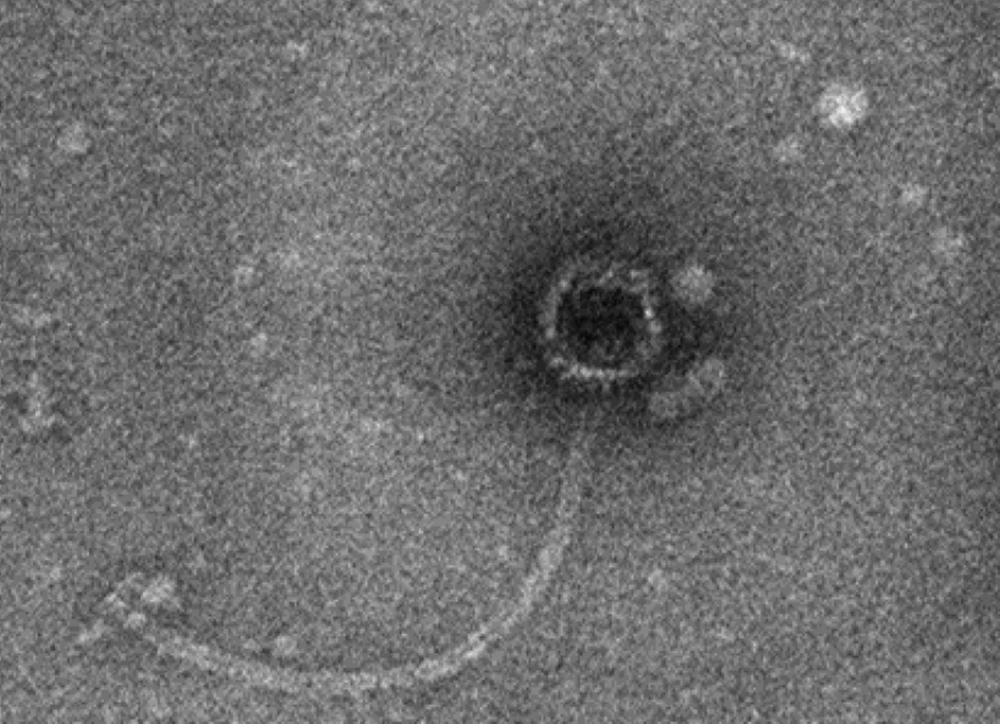
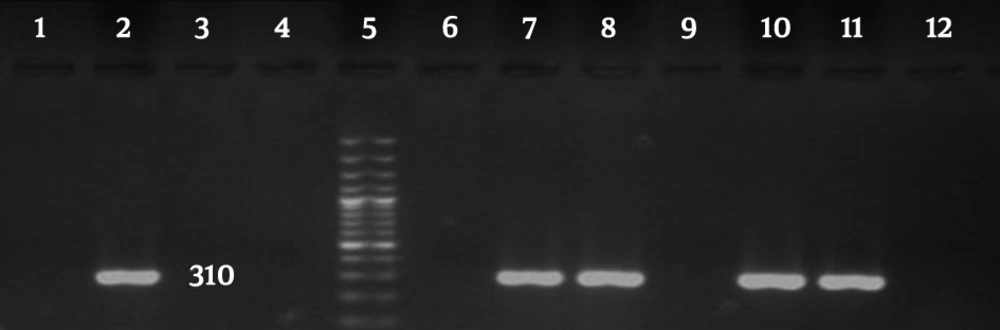
In the present study, the resistance of clinical isolates of SA to methicillin was the highest reported rate in Iran, which indicates the growing trend during recent years. Faridi et al. (
23) reported a low prevalence (10%) for MRSA among SA isolates. While Shokri et al. (
2) reported a prevalence of about 57.8% in 45 SA isolates for methicillin resistance, and Rahimi et al. (
24), 68% in 50 SA isolates. Safdari et al. (
25) reported that 30% of 68 SA isolates were positive for beta-lactamase. Jafari-Sales et al. (
26) reported that 75 (out of the 100 SA isolates) were methicillin-resistant, which 68% of them harbored the
mecA gene. In the present study, the observed antibiotic resistance is the highest amount that is reported until now in Iran. Moreover, the prevalence of the
mecA gene is the highest reported value in Iran. This difference can be attributed to factors such as geographical locations and the source of SA isolates. While phage therapy is a newly adopted approach in Iran, its application as a potential intervention to treat infections has a long history in some Eastern European countries. Phage susceptibility tests are used to identify the type of phages in some genus of bacteria, such as
Brucella species. As mentioned above, most of the clinical isolates of
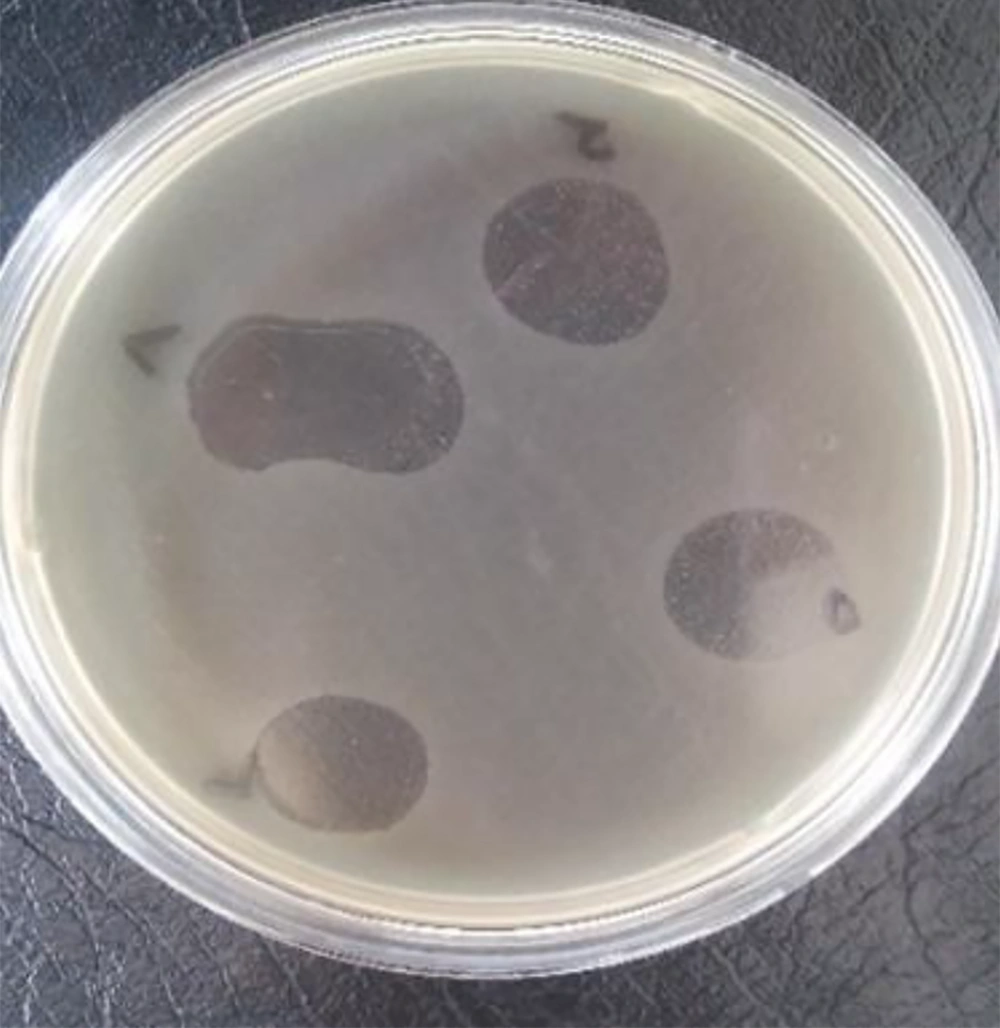
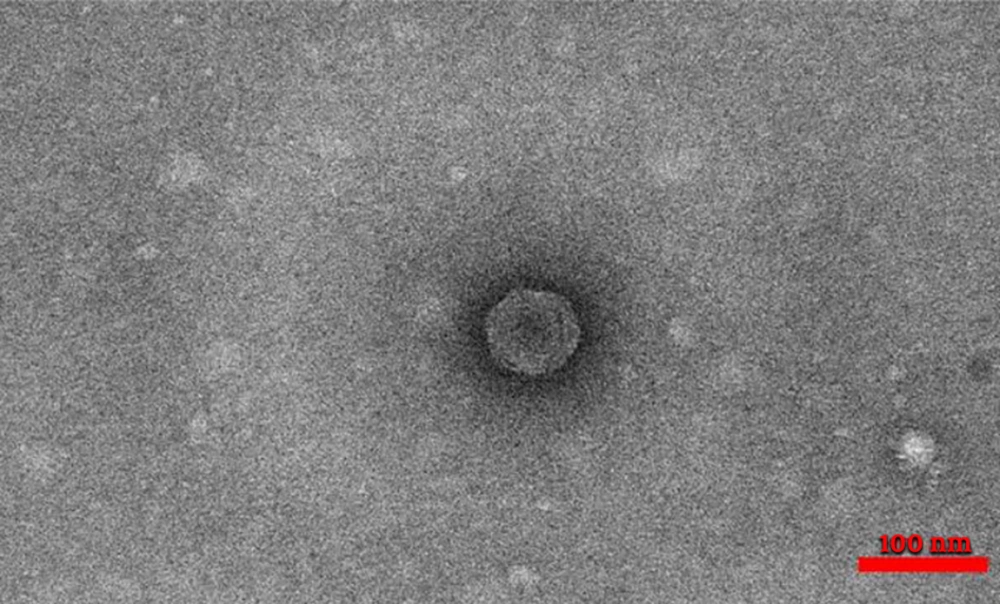
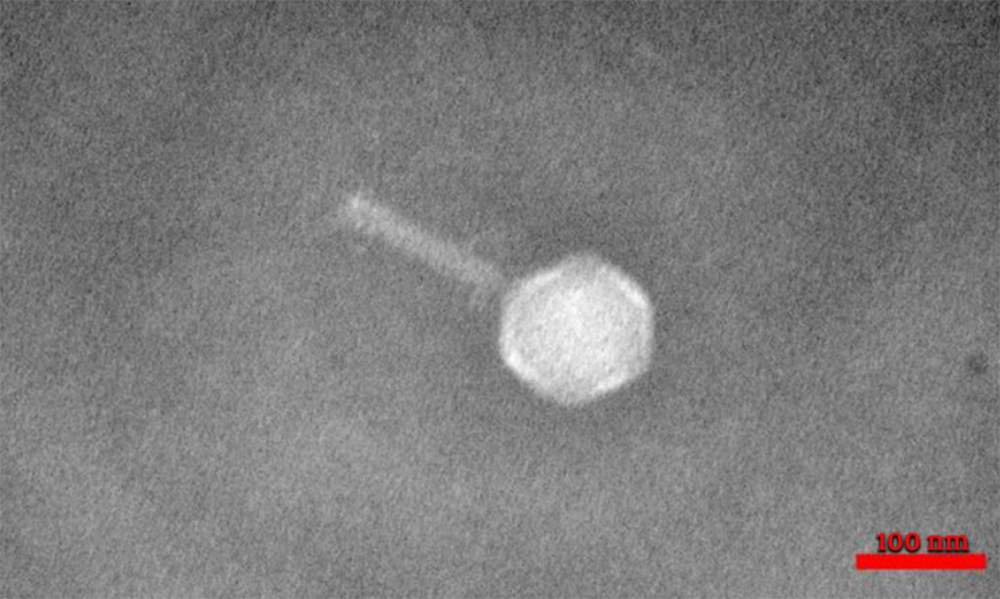
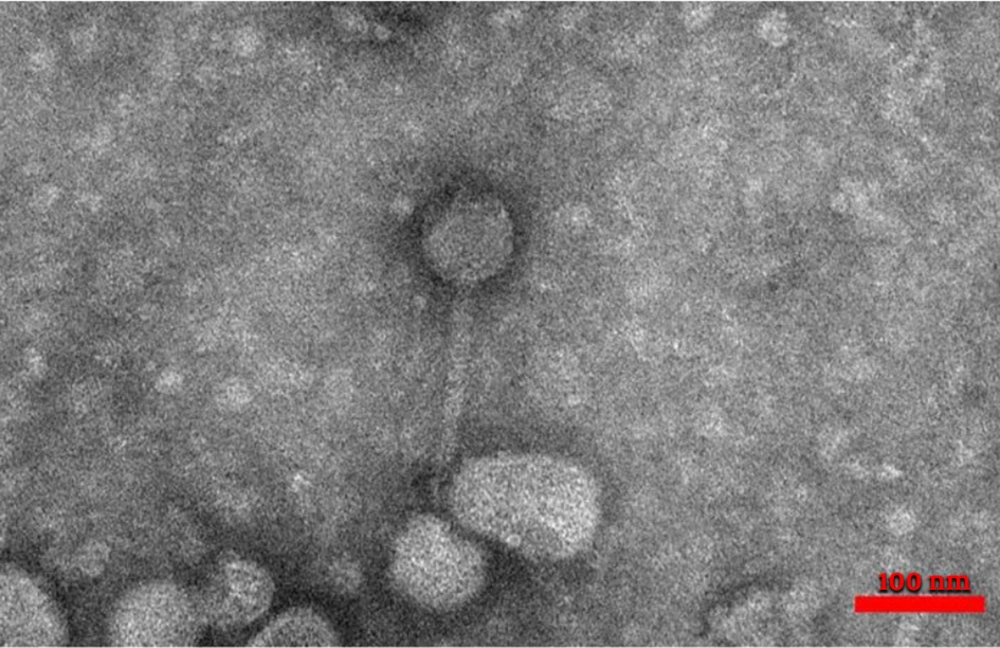
S. aureus have become resistant to several drugs, including methicillin. Therefore, this study evaluated the antibacterial effect of staphylophages in eliminating the MRSA isolates as an alternative way to antibiotic therapy. Based on the findings, four types of staphylophage from
Siphoviridae,
Myoviridae, and
Tecticoviridae families had a relatively good effect on MRSA clinical isolates. In this study, 44 samples (out of 133) were lysed by two phage cocktails, so that cocktails 1 and 2 lysed 19 (14.2%) and 25 samples (18.7%), respectively. Phage cocktails could lyse MRSA strains. Phage cocktail 2 (
Myoviridae and
Siphoviridae) had the highest lytic effect, which suggests its effectiveness. However, it needs further investigation in tissue cultures and animal models. Although some researchers reported that staphylophages could lyse MRSA isolates, but these effects may not be observed in isolates obtained from other geographical areas. In Eastern European countries and the former Soviet Union the potential antimicrobial effects of phage therapy are well-proved (
27). Jensen et al. (
15) isolated a new lytic phage against MRSA to eliminate infections caused by bacteria on the surfaces.
They realized that the fLizAnk phage had no toxic effect on fibroblast cell culture, and the antibacterial effect of phage against MRSA was presented in cell culture. Since the fLizAnk phage showed antibacterial activity against MRSA strains and had no cytotoxic effect against mammalian cells, it may be safe lonely or with a phage cocktail for the treatment of skin infection caused by SA. In another study by Jensen et al. (
15) 12 phages were isolated and could replicate in human samples and/or MRSA isolates and eliminated the infection. They also investigated the advantages of some phages to decontaminate fomites (glass and cloth) and found a significant reduction in colony-forming units of MRSA following treatment with phage, including tests of a phage cocktail against MRSA isolates. In another study, Trigo et al. (
28) used bacteriophages as an alternative antimicrobial treatment to control bacterial infections. Lehman et al. (
29) have described the design and preclinical development of AB-SA01 (lytic myoviruses), a fixed-composition. Finally, they found that the inherent characteristics of AB-SA01 component phages met the regulatory and generally accepted criteria for human use, and reported that the presented preclinical data support the production under good manufacturing practices and phase 1 clinical studies with AB-SA01.
In another study, Abo-Elmaaty et al. (
30) isolated a phage from the
Myoviridae family and reported its antibacterial and anti-biofilm properties against SA. Jo et al. (
31) designed a way to show the synergistic antimicrobial effect of phages combined with antibiotics against SA. Based on the results, the combined treatment of phages and antibiotics can be used to meliorate antimicrobial impression against antibiotic-resistant bacteria. Chan et al. (
32) reported that phage therapy can be used to treat bacterial infections in humans, domestic animals, and even biocontrol in foods. Fabijan et al. (
33), in a single-arm non-comparative trial on 13 patients with severe SA infections who were intravenously administered three
Myoviridae bacteriophages (AB-SA01) as adjunctive therapy, reported no adverse reactions. This indicates that intravenous administration of AB-SA01 is safe in patients with severe SA infections, including infective endocarditis and septic shock.