
1. Background
Pulmonary infection is associated with substantial morbidity and mortality, and timely etiological diagnosis is essential for guiding appropriate antimicrobial therapy (1-4). Conventional microbiological methods, including culture, smear microscopy, serological testing, and polymerase chain reaction (PCR), remain widely used in clinical practice. However, their use is limited by prolonged turnaround times, suboptimal sensitivity, incomplete pathogen coverage, and a reduced ability to detect fastidious organisms, low-burden pathogens, and polymicrobial infections (5-8). Targeted next-generation sequencing (tNGS) has recently been applied to pathogen detection in respiratory specimens. By enriching predefined microbial targets, tNGS may improve detection efficiency and reduce interference from host nucleic acids. In addition, tNGS enables the simultaneous detection of multiple pathogens and selected antimicrobial resistance genes, making it a potentially useful adjunct for etiological diagnosis (9-13).
2. Objectives
In this study, we compared tNGS with conventional microbiological methods using respiratory specimens from 122 patients with pulmonary infection to assess its diagnostic performance and clinical utility.
3. Methods
3.1. Study Population
A total of 122 patients with pulmonary infection who were admitted to a tertiary care hospital in China between August and December 2025 were retrospectively included. Respiratory specimens were collected according to standard procedures, and relevant clinical data were reviewed. The inclusion criteria were as follows: 1) a confirmed diagnosis of pulmonary infection at admission; 2) paired tNGS and conventional microbiological testing performed on respiratory specimens, with complete blood count and inflammatory biomarker data available within 24 hours before or after specimen collection; and 3) complete clinical records available for analysis. The exclusion criteria were contaminated or unqualified specimens, noninfectious pulmonary diseases, incomplete clinical or laboratory data, and the absence of paired tNGS and conventional microbiological testing.
3.2. Reagents and Instruments
Nucleic acid extraction, library preparation, and sequencing reaction kits for tNGS were purchased from MicroYuan (Guangzhou, China). The targeted pathogen nucleic acid detection kit was purchased from Sansure Biotech (Changsha, China), and agar medium was obtained from Saibo (Zhengzhou, China). The main instruments included the VisionSeq1000 sequencer (MicroYuan, Guangzhou, China), an automated nucleic acid extractor (Natch 48, Sansure Biotech, Changsha, China), a thermal cycler (MA-600, Yarui Biotechnology, Xi’an, China), a VITEK MS microbial mass spectrometry system (bioMérieux, Marcy l’Étoile, France), and a CO2 incubator (HF240, Lishen, Shanghai, China).
3.3. Specimen Collection and tNGS Workflow
Respiratory specimens, including sputum and bronchoalveolar lavage fluid (BALF), were collected according to standard clinical procedures. All specimens were stored at 2 - 8 °C and transported to the laboratory for tNGS testing within 6 hours. For tNGS, clinical specimens were processed for nucleic acid extraction, library preparation, and targeted next-generation sequencing on the VisionSeq1000 platform (MicroYuan, Guangzhou, China). Raw sequencing data underwent quality control and filtering using the MARS3.0 pathogen NGS intelligent management platform.
3.4. Criteria for tNGS Result Interpretation
tNGS results were interpreted according to the laboratory reporting workflow after sample-level quality control, host-read subtraction, microbial alignment, and background-signal filtering. Reported microorganisms were assessed based on pathogen-specific read counts, relative abundance, taxonomic classification, and report annotations. Read count was defined as the number of reads uniquely aligned to species- or genus-specific microbial sequences, and relative abundance was defined as the genomic proportion of a detected microorganism within its corresponding microbial category. Microorganisms annotated as background signals, low-confidence detections, or non-reportable findings were excluded from the etiological analysis. For organisms commonly associated with respiratory commensal microbiota or colonization, clinical relevance was interpreted by integrating sequencing evidence with clinical manifestations, radiological findings, inflammatory biomarkers, and conventional microbiological results. Accordingly, tNGS detection was interpreted as microbiological evidence and was not regarded as definitive proof of causative infection in isolation.
3.5. Conventional Microbiological Testing
Conventional microbiological testing was performed according to clinical indications and included smear microscopy, pathogen culture, immunological testing, serological testing, and molecular biological testing. Immunological testing included cryptococcal capsular polysaccharide antigen testing and the T-SPOT.TB assay. Serological testing included the galactomannan (GM) test and the (1-3)-β-D-glucan (G) test. Molecular biological testing included the Xpert MTB/RIF assay, a 9-pathogen respiratory panel, a 7-target respiratory pathogen nucleic acid panel, lower respiratory tract pathogen nucleic acid testing, and testing for influenza A/B viruses and respiratory syncytial virus. Qualified specimens were subjected to routine bacterial and fungal culture in accordance with standard laboratory practice (14). Specimens with a colony count > 104 CFU/mL were considered clinically significant, and isolates were identified using the VITEK MS microbial mass spectrometry system. Results of immunological, serological, and molecular tests were interpreted according to the manufacturers’ instructions and in conjunction with clinical findings (15).
3.6. Statistical Analysis
Statistical analyses were performed using SPSS version 27.0. Continuous variables were tested for distributional normality. Normally distributed continuous variables are presented as mean ± standard deviation (SD), whereas non-normally distributed paired continuous variables are presented as the median (Q1, Q3) and were compared using the Wilcoxon signed-rank test. Categorical variables are expressed as counts and percentages. Paired categorical data, including overall pathogen positivity, mixed-pathogen detection, and pathogen-category detection, were compared using the McNemar test. Agreement between tNGS and conventional microbiological methods was evaluated using the Cohen Kappa test. A two-sided P value < 0.05 was considered statistically significant.
4. Results
4.1. Baseline Characteristics
A total of 122 patients with pulmonary infection were included in this study, comprising 75 males (61.48%) and 47 females (38.52%), with a mean age of 63.85 ± 11.86 years. The main clinical symptoms were cough/sputum production in 86 cases (70.49%), fever in 23 cases (18.85%), chest tightness/wheezing in 39 cases (31.97%), hemoptysis in 15 cases (12.29%), and chest pain in 9 cases (7.38%). Overall, 90 patients (73.77%) had comorbidities. Bronchoalveolar lavage fluid was the predominant specimen type, accounting for 109 samples (89.34%), whereas sputum accounted for 13 samples (10.66%). The median length of hospital stay was 10.0 days (7.0, 15.0); clinical improvement at discharge, in-hospital mortality, and documented exposure to restricted antimicrobial agents during hospitalization were recorded in 104 (85.25%), 4 (3.28%), and 33 (27.05%) patients, respectively (Table 1).
Table 1.
Baseline Characteristics of Patients with Pulmonary Infection (N = 122) a
| Characteristics | Values |
|---|---|
| Gender | |
| Male | 75 (61.48) |
| Female | 47 (38.52) |
| Age (y) | 63.85 ± 11.86 |
| Clinical symptoms | |
| Cough/sputum production | 86 (70.49) |
| Fever | 23 (18.85) |
| Chest tightness/wheezing | 39 (31.97) |
| Hemoptysis | 15 (12.29) |
| Chest pain | 9 (7.38) |
| Comorbidities | |
| Diabetes mellitus | 22 (18.03) |
| Hypertension | 45 (36.89) |
| Pleural effusion | 31 (25.41) |
| Malignancy | 14 (11.48) |
| Trauma | 13 (10.66) |
| Chronic respiratory disease | 22 (18.03) |
| Specimen type | |
| Bronchoalveolar lavage fluid | 109 (89.34) |
| Sputum | 13 (10.66) |
| Other laboratory findings, median (Q1, Q3) | |
| WBC (×109/L) | 6.45 (4.91, 9.92) |
| PCT (ng/mL) | 0.07 (0.01, 0.26) |
| CRP (mg/L) | 12.99 (2.22, 69.49) |
| Fib (g/L) | 4.29 (2.90, 5.56) |
| Clinical outcome and restricted antimicrobial agent exposure | |
| Length of hospital stay (d) | 10.0 (7.0, 15.0) |
| Clinical improvement at discharge | 104 (85.25) |
| In-hospital mortality | 4 (3.28) |
| Documented restricted antimicrobial agent use during hospitalization | 33 (27.05) |
a Values are expressed as No. (%), mean ± SD or median (Q1, Q3). Documented restricted antimicrobial agent use referred to restricted antimicrobial agents with available application or prescription records during hospitalization. Abbreviations: WBC, white blood cell count; PCT, procalcitonin; CRP, C-reactive protein; Fib, fibrinogen; BALF, bronchoalveolar lavage fluid.
4.2. Comparison of Detection Time Between tNGS and Conventional Pathogen Culture
The detection time of tNGS was significantly shorter than that of conventional pathogen culture: 24.00 (22.54, 25.53) hours versus 78.28 (74.58, 82.02) hours. The Wilcoxon signed-rank test showed that the difference between the two methods was statistically significant (Z = -9.585; P < 0.001) (Table 2).
Table 2.
Comparison of Detection Time Between tNGS and Conventional Pathogen Culture a
| Groups | Detection Time (h) |
|---|---|
| tNGS | 24.00 (22.54, 25.53) |
| Conventional pathogen culture | 78.28 (74.58, 82.02) |
a Values are expressed as median (Q1, Q3). Comparisons between the 2 paired methods were performed using the Wilcoxon signed-rank test.
4.3. Comparison of Overall Pathogen Detection Between tNGS and Conventional Microbiological Methods
A total of 122 patients with pulmonary infection were included in this study. Conventional methods detected pathogens in 81 cases, yielding a positive rate of 66.39%, whereas tNGS detected pathogens in 114 cases, yielding a positive rate of 93.44%. The overall positive detection rates of the two methods were compared using the McNemar test, and the difference was statistically significant (P < 0.001). Microbiological co-detection of at least 2 explicitly identified microorganisms, referred to here as mixed-pathogen detection, was observed by both methods in 26 cases, whereas it was observed only by tNGS in 50 cases and only by conventional microbiological methods in 6 cases; 40 cases showed no mixed-pathogen detection by either method. The McNemar test indicated a significant difference between the two methods (McNemar χ2 = 33.02; P < 0.001) (Table 3).
Table 3.
Paired Comparison of Mixed-Pathogen Detection Between tNGS and Conventional Microbiological Methods a
| tNGS | Conventional Microbiological Method | Total | |
|---|---|---|---|
| Mixed-pathogen Detection | Non-mixed-Pathogen Detection | ||
| Mixed-pathogen detection | 26 | 50 | 76 |
| Non-mixed-pathogen detection | 6 | 40 | 46 |
| Total | 32 | 90 | 122 |
a Mixed-pathogen detection was defined as the co-detection of at least 2 explicitly identified microorganisms in the same patient after excluding background or low-confidence findings. It represented microbiological co-detection rather than confirmed causative mixed infection; potential colonizers such as Candida spp. were interpreted with clinical correlation. Non-specific indicative results without a definite pathogen name were excluded.
4.4. Detection of Antimicrobial Resistance Genes by tNGS
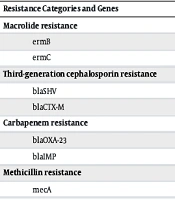
Seven antimicrobial resistance genes were identified by tNGS. The most frequently detected genes were ermB (n = 8), blaOXA-23 (n = 6), and blaSHV (n = 5), whereas ermC, blaCTX-M, blaIMP, and mecA were each detected once (Table 4).
Table 4.
Antimicrobial Resistance Genes Detected by tNGS a
| Resistance Categories and Genes | No. of Detections |
|---|---|
| Macrolide resistance | |
| ermB | 8 |
| ermC | 1 |
| Third-generation cephalosporin resistance | |
| blaSHV | 5 |
| blaCTX-M | 1 |
| Carbapenem resistance | |
| blaOXA-23 | 6 |
| blaIMP | 1 |
| Methicillin resistance | |
| mecA | 1 |
a Detection counts represent the number of antimicrobial resistance genes identified by tNGS. Multiple resistance genes detected in the same patient were counted separately.
4.5. Concordance Analysis Between tNGS and Conventional Microbiological Methods
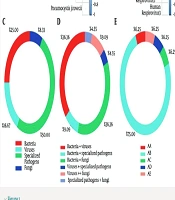
Among the 122 patients, 76 (62.30%) were positive by both methods and 3 (2.46%) were negative by both methods, whereas 38 (31.15%) were positive only by tNGS and 5 (4.10%) were positive only by conventional microbiological methods. The overall agreement rate was 64.75% (79/122). Nevertheless, kappa analysis showed poor agreement between the two methods (Kappa = 0.014; P = 0.809). The McNemar test indicated a significant difference in positivity rates between the two methods (P < 0.001). Among the 76 double-positive cases, pathogen detection results were completely concordant in 8 cases (10.53%), partially concordant in 38 cases (50.00%), and discordant in 30 cases (39.47%). Complete concordance indicated identical microorganism detection by both methods, partial concordance indicated at least 1 shared microorganism with additional non-shared microorganisms, and discordance indicated no overlapping microorganisms between tNGS and conventional microbiological methods (Figure 1 in Supplementary File).
4.6. Comparison of Pathogen Distribution Between tNGS and Conventional Microbiological Methods
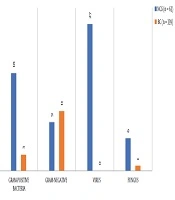
tNGS detected 25 bacterial species (94 cases), 11 fungal species (53 cases), and 19 viral species (43 cases), whereas conventional microbiological methods detected 11 bacterial species (68 cases), 6 fungal species (21 cases), and 3 viral species (3 cases). The predominant pathogens detected by tNGS were Mycobacterium tuberculosis complex (30 cases, 26.32%), Candida albicans (27 cases, 23.68%), and Rhinovirus A (12 cases, 10.53%). tNGS also identified several uncommon or opportunistic pathogens, including Tropheryma whipplei (8 cases), Pneumocystis jirovecii (7 cases), Chlamydia psittaci (3 cases), Chlamydia pneumoniae (1 case), and Rhizopus microsporus (1 case).
The predominant pathogens detected by conventional microbiological methods were Mycobacterium tuberculosis (37 cases, 45.68%) and Candida albicans (11 cases, 13.58%). Additionally, Coxsackievirus, respiratory syncytial virus, and influenza A virus were each detected in 1 case (1.23%), and Mycoplasma pneumoniae was identified in 14 cases. Comparisons of detected cases across pathogen categories were performed using the McNemar test. tNGS showed significantly higher detection rates than conventional microbiological methods for bacteria, fungi, viruses, and uncommon or opportunistic pathogens (all P < 0.05) (Table 5; Figure 2 in Supplementary File).
Table 5.
Comparison of Detected Cases by Pathogen Category Between tNGS and Conventional Microbiological Methods a
| Method | Bacteria | Fungi | Viruses | Uncommon or Opportunistic Pathogens |
|---|---|---|---|---|
| tNGS | 94 | 53 | 43 | 20 |
| Conventional microbiological methods | 68 | 21 | 3 | 14 |
| P value | 0.001 | < 0.001 | < 0.001 | 0.001 |
a Pathogen counts included only definite pathogens with explicit taxonomic identification. Repeated detection of the same pathogen in the same patient by the same method was counted once only.
5. Discussion
Pulmonary infection remains a major cause of morbidity and mortality worldwide, and timely etiological diagnosis is essential for appropriate antimicrobial treatment and antimicrobial stewardship (16, 17). In the present study, tNGS provided earlier and broader microbiological information than conventional microbiological methods and additionally identified antimicrobial resistance (AMR) genes, supporting its role as an adjunctive diagnostic approach when rapid microbiological clarification is needed. The shorter detection time of tNGS is clinically relevant because culture-based methods are frequently constrained by prolonged turnaround times, incomplete pathogen recovery, and reduced sensitivity for fastidious organisms or in patients who have already received antimicrobial therapy (17-20). By detecting predefined microbial nucleic acid targets directly from respiratory specimens, tNGS can provide etiological information without relying on viable pathogen growth.
This feature may explain its improved detection of fastidious, low-abundance, difficult-to-culture, or non-routinely tested pathogens in this cohort, including Mycobacterium tuberculosis complex, respiratory viruses, Tropheryma whipplei, and Pneumocystis jirovecii. However, broader detection in respiratory specimens requires cautious interpretation because lower respiratory tract samples may contain colonizing flora, upper-airway contaminants, transient viral shedding, or residual microbial nucleic acids after antimicrobial exposure. Therefore, tNGS positivity in respiratory specimens should be interpreted as microbiological detection rather than direct evidence of causative infection. In particular, organisms such as Candida albicans, oral commensal bacteria, and some respiratory viruses may represent colonization, carriage, transient shedding, or background microbial signals in certain clinical contexts. Their etiological significance depends on consistency with the overall clinical picture, including host immune status, radiological findings, inflammatory biomarkers, and conventional microbiological evidence.
The higher rate of mixed-pathogen detection by tNGS further reflects its ability to capture multiple microbial signals within a single workflow. This finding is clinically relevant because co-infection patterns in pneumonia are common and may influence etiological assessment, particularly in complex pulmonary infections involving bacterial-viral, bacterial-fungal, or bacterial-mycobacterial co-detection (21). Conventional microbiological methods may underestimate such patterns because different pathogens often require different culture conditions, specimen quality, or dedicated assays (19, 21). Nevertheless, mixed-pathogen detection should be regarded as microbiological co-detection rather than definitive evidence of causative mixed infection.
The overall agreement rate between the two methods was 64.75%, whereas the Kappa value was 0.014, indicating poor concordance after correction for chance agreement. This discrepancy may be explained by the unbalanced distribution of positive and negative results between the two methods. In this cohort, tNGS showed a substantially higher positive detection rate than conventional microbiological methods, with 38 cases positive only by tNGS and only 3 cases negative by both methods. Because Kappa is influenced by the marginal distribution, a high proportion of tNGS-positive results may reduce the Kappa value despite a moderate crude agreement rate. More importantly, the poor concordance reflects the different analytical scopes of the two methods.
Conventional microbiological methods mainly identify viable organisms or pathogens covered by specific assays, whereas tNGS detects microbial nucleic acids across a predefined pathogen panel. Therefore, the discordance observed in this study supports the complementary diagnostic value of tNGS, particularly in patients with negative conventional results but persistent clinical suspicion of pulmonary infection. In the absence of an independent composite clinical reference standard, these tNGS-positive/conventional-negative results were interpreted as additional microbiological evidence rather than being automatically classified as confirmed causative infection or false-positive findings. Nevertheless, tNGS results should be interpreted in conjunction with clinical findings and conventional microbiological evidence because nucleic acid detection may also reflect nonviable organisms, colonization, or background signals (18-20, 22).
Furthermore, tNGS successfully identified 7 AMR genes, expanding its potential utility beyond pathogen identification alone. The clinical relevance of this information is supported by the updated WHO Bacterial Priority Pathogens List, which continues to highlight methicillin-resistant Staphylococcus aureus, carbapenem-resistant Gram-negative organisms, and drug-resistant Mycobacterium tuberculosis as major public health threats (23). In respiratory infection, early recognition of resistance-associated genetic markers may help clinicians anticipate therapeutic challenges before culture-based susceptibility results are available, especially in patients with prior antimicrobial exposure, culture-negative results, or suspected infection caused by multidrug-resistant organisms.
In this study, the detection of genes such as blaOXA-23, blaSHV, blaCTX-M, blaIMP, mecA, ermB, and ermC provided additional genotypic information that complemented pathogen identification and may support earlier risk assessment for antimicrobial resistance. Nevertheless, these findings should be interpreted cautiously. Sequencing-based AMR gene detection provides preliminary genotypic evidence rather than definitive phenotypic susceptibility results, and gene-phenotype discordance, incomplete panel coverage, and uncertain gene attribution in polymicrobial specimens may limit its direct clinical application. Therefore, tNGS-based AMR gene detection should be used as an adjunct to, rather than a replacement for, culture-based isolation and phenotypic antimicrobial susceptibility testing when viable pathogens are recovered. This interpretation is consistent with recent studies highlighting the utility of sequencing-based methods for pneumonia pathogen characterization, atypical pathogen detection, and resistance-gene interpretation (24-27).
This study has several limitations. First, the retrospective, single-center design and relatively small sample size may limit the generalizability of the findings. Second, the predominance of BALF specimens (89.34%) restricts our ability to extrapolate these performance metrics to sputum samples. Third, no independent composite clinical reference standard was available to adjudicate discordant results between tNGS and conventional microbiological methods. Therefore, some tNGS-positive/conventional-negative detections could not be definitively classified as causative infection, colonization, or background signals. Finally, although clinical outcome data, including length of hospital stay, discharge outcome, in-hospital mortality, and documented restricted antimicrobial agent exposure, were supplemented in the present study, the downstream clinical impact of tNGS was not systematically assessed. In particular, the retrospective design precluded reliable evaluation of whether antimicrobial regimens were modified directly according to tNGS findings. Therefore, the association between tNGS-guided antimicrobial management and patient outcomes requires further validation in prospective studies.
5.1. Conclusions
In conclusion, tNGS provides a rapid, high-yield diagnostic adjunct to conventional microbiological methods, offering broader pathogen coverage and early genotypic resistance profiling. When thoughtfully integrated with clinical judgment and conventional culture, tNGS has the potential to refine the etiological diagnosis and management of complex pulmonary infections.