Recent evidence suggests that
Allium plants can reduce the risk of cancer by inhibiting carcinogen activation, promoting detoxification, and exhibiting antitumor properties and culinary uses in the region (
22,
23). A specific species known as
A. jesdianum, native to Iran’s Zagros Mountains, is utilized for both medicinal and culinary purposes in the region (
24). The MTT study revealed that
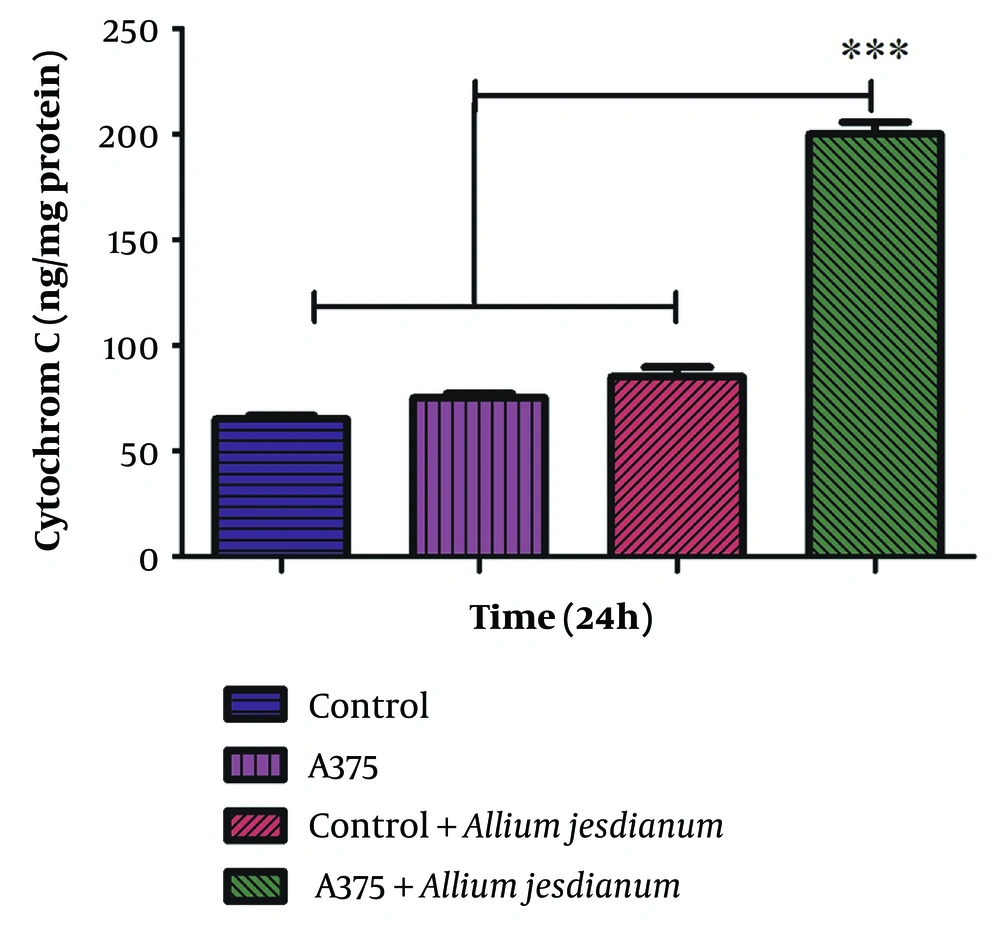
A. jesdianum had a cytotoxic impact on the melanoma cell line, leading to increased TBARS and ROS formation. Additionally, the release of CYT-C, indicating mitochondrial membrane potential collapse and depolarization, was observed in malignant melanoma cells.
The present study explored the potential anti-cancer effects of the total hydroalcoholic extract derived from
A. jesdianum on melanoma cells. Extracts can contain multiple ingredients that target various pathways involved in cell death, such as apoptosis and cell cycle arrest, making them advantageous for treating complex diseases, such as cancer. For instance, several plant bioactive compounds, including polyphenols, flavonoids, and alkaloids, exhibit anti-carcinogenic properties (
25,
26). Furthermore, considering the endangered status of
A. jesdianum, utilizing a hydroalcoholic extract is a more economical option as it requires less plant material for extraction (
27).
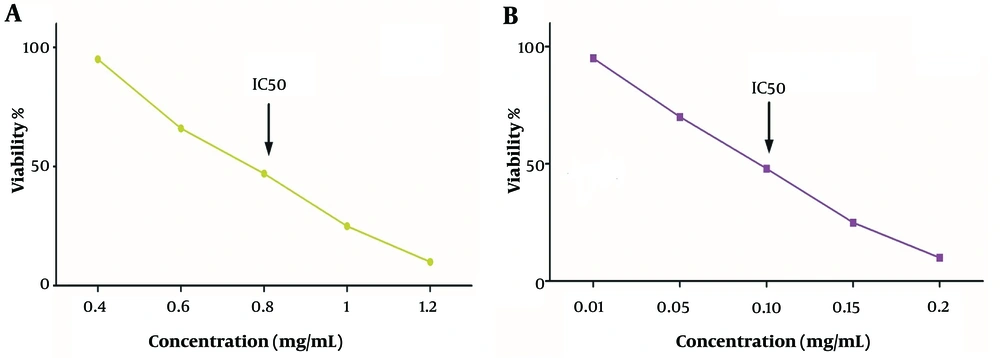
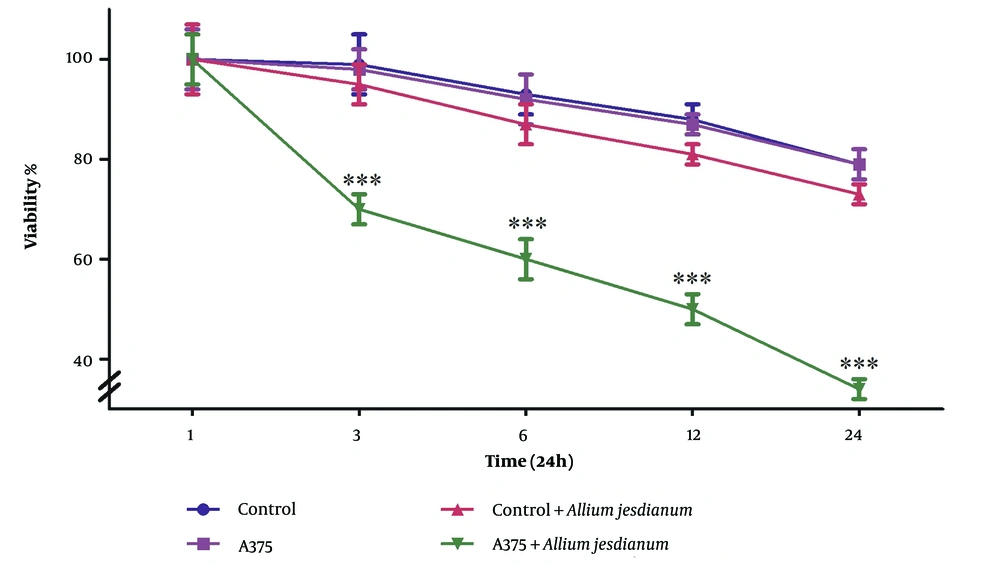
The present study provided novel findings indicating that the extract obtained from A. jesdianum possesses the ability to suppress the proliferation of human malignant melanoma cells. To achieve this, the present study examined the in vitro cytotoxic effects of the A. jesdianum extract against the A375 and AGO-1522 cell lines. The current study outcomes demonstrated a concentration- and time-dependent decrease in cell viability following treatment with the hydroalcoholic extract of A. jesdianum. Based on the findings of the present study, the IC50 of A. jesdianum extract for the tested cell lines was determined to be 0.1 mg/mL, exhibiting a significant suppressive effect on cell growth.
The results of the present study align with previous in vitro studies, indicating that steroidal glycosides from
A. jesdianum bulbs exhibit cytostatic and cytotoxic activities against various malignant tumor cells (
28). Furthermore, the results of the current study showed that the AGO-1522 cell line was not affected by
A. jesdianum, suggesting the potential specificity of the extract toward cancer cells without harming healthy cells, such as fibroblasts. This significant finding suggests the safe potential usage of
A. jesdianum extract in patients with malignant melanoma. Future studies should explore the anticancer effects of various fractions derived from this plant extract on melanoma, aiming to identify specific constituents within the extract that could serve as promising candidates for the development of a novel anticancer drug.
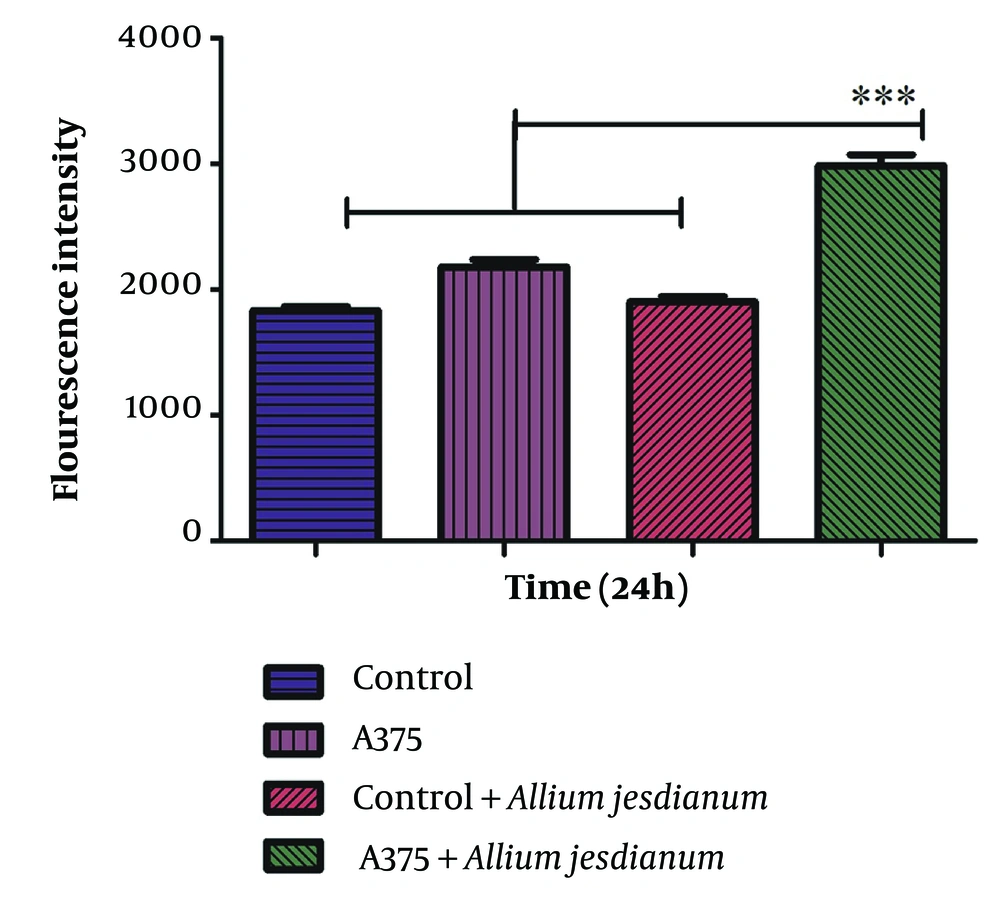
Another significant finding of this study was the notable induction of ROS formation in human melanoma cell lines when treated with
A. jesdianum extract at a concentration of 0.1 mg/ml (P < 0.001). Importantly, normal fibroblast cells did not exhibit a significant increase in ROS formation. This finding holds particular relevance as conventional treatments, such as chemotherapy and radiation therapy, which elevate intracellular ROS levels in target cancer cells, can also affect surrounding normal cells, leading to deoxyribonucleic acid (DNA) damage and other biomolecular disruptions (
29,
30).
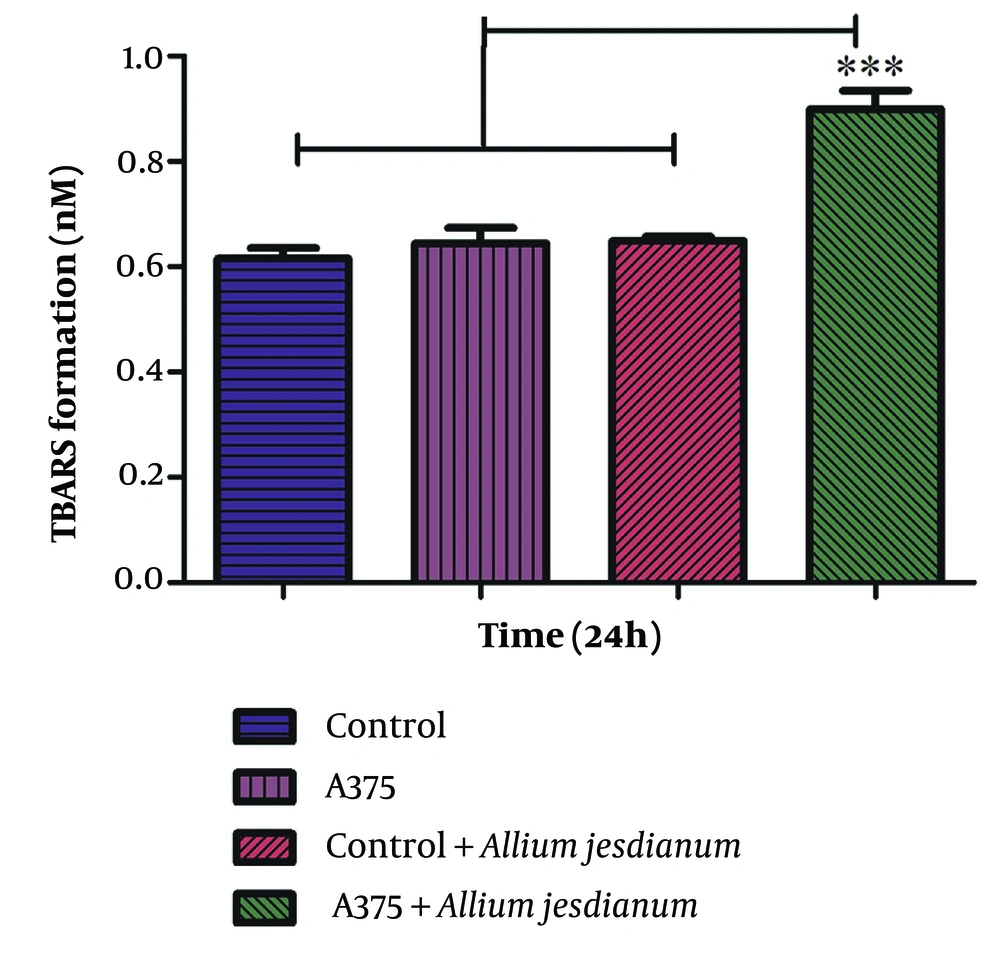
The study also observed that treating the human melanoma cell line with
A. jesdianum led to an increase in the production of MDA, a biomarker associated with oxidative stress and cell damage. Additionally, the treatment resulted in the release of CYT-C, which is associated with mitochondrial membrane potential collapse, depolarization, and apoptosis in malignant melanoma cells. The aforementioned findings suggest that the therapeutic mechanism of action of the
A. jesdianum compound in cancer cells might involve MDA production and CYT-C release. This finding aligns with the findings of previous research on the
Allium genus, as demonstrated by a study on garlic extract-induced cytotoxicity and apoptosis in the HL-60 model (human leukemia cells). This involved phosphatidylserine externalization, apoptosis activation, DNA fragmentation, and peroxidation (
31).
Phytochemical analysis of various members of the
Allium genus has revealed that these plants contain a wide array of secondary metabolites with pharmacological properties. These compounds, including S-allyl mercapto cysteine, quercetin, flavonoids, and ajoene, have demonstrated potential anticancer effects. To date, 16 species of
Allium have been studied for their ability to inhibit cancer growth through diverse mechanisms, such as cell cycle arrest, inhibition of signaling pathways, induction of apoptosis, and antioxidant activity (
32).
Polyphenol compounds, specifically flavonoids, have demonstrated promising therapeutic potential in various types of cancer (
33). Previous studies have reported the anticancer activity of the
A. jesdianum extract against human colon, cervical, myelogenous leukemia, and thyroid cancer cells by inducing oxidative stress and activating necroptosis signaling pathways (
13-
15). In the current study, the hydro-alcoholic extract of
A. jesdianum was observed to contain 157.6 mg of phenols (gallic acid equivalent) and 114.7 mg of flavonoids (quercetin equivalent) per gram of dry extract. Furthermore, the extract induced apoptosis in malignant melanoma cells by triggering the release of CYT-C, which is related to the collapse of mitochondrial membrane potential and depolarization of the mitochondrial membrane. The aforementioned findings suggest that the observed effects might be attributed to the presence of these bioactive compounds that promote apoptosis (
34).
5.1. Conclusions
The present study demonstrates that A. jesdianum exhibits cytotoxic effects on human malignant melanoma cells, potentially through the induction of oxidative stress and cancer cell apoptosis. These effects could be attributed to the presence of natural phytochemicals, such as organosulfur and flavonoids, in A. jesdianum extract, making it a promising candidate for cancer treatment. It is recommended to identify and isolate plant-derived anticancer agents in future studies and investigate the effect of these substances on other melanoma-derived cell lines and in vivo.