
1. Context
Oxidative stress plays a significant role in the development of many chronic degenerative diseases. It occurs when the body produces more reactive oxygen species (ROS) than it can manage, surpassing its antioxidant defenses. This imbalance between ROS production and antioxidant capability is a key factor in the progression of these diseases (1, 2). The list of health concerns includes diabetes, cardiovascular diseases, neurological disorders such as Alzheimer's and Parkinson's, as well as various types of cancer (1, 3). The ensuing imbalance leads to cellular damage, including lipid peroxidation, protein oxidation, and DNA breakage. These factors exacerbate inflammation, tissue degradation, and organ malfunction, ultimately contributing to organ failure (1, 4, 5). The worldwide burden of age-related disorders is significantly driven by these processes over time (6). Given the health implications of oxidative stress, there is a growing interest in natural antioxidants as a technique for mitigating its detrimental effects and restoring redox balance (7). Panax ginseng, a traditional herbal remedy extensively used in East Asia, has demonstrated significant potential and promise (6-8). Ginseng is rich in bioactive ginsenosides, particularly molecules such as Rb1, Rg1, and Re, which are known for their potent free radical-scavenging capabilities. These compounds contribute to ginseng's health-promoting properties, making it a valuable element in traditional medicine (9, 10). According to preclinical research, these ginsenosides can increase the activity of the body's natural antioxidant enzymes, such as superoxide dismutase (SOD), while also reducing oxidative damage markers like malondialdehyde (MDA). Ginseng may assist in balancing the oxidative state at the cellular level, which suggests potential benefits for cellular health (11, 12). Similar advantages have been observed in preliminary findings from randomized controlled trials (RCTs) involving humans, including studies focused on healthy adults and postmenopausal women (13, 14). Ginseng supplementation has been associated with increased SOD activity and lower MDA levels, pointing to its potential role in protecting against oxidative damage, particularly in vulnerable groups. However, results across studies have varied widely, due to differences in dosage, duration, and study populations. This variability makes it difficult to draw firm conclusions and highlights the need for a comprehensive analysis of the existing evidence (15). One of the major unresolved questions is the optimal dosage of ginseng needed to achieve meaningful antioxidant effects, although studies have used a wide range of doses, reported either as grams of ginseng extract per day or as milligrams of ginsenosides (typically corresponding to 0.5-6 mg of ginsenosides) (16, 17). Further complicating matters, there is moderate to high heterogeneity in RCT outcomes, likely due to differences in study design, ginseng formulations, and participant characteristics such as age or baseline health status (18, 19). While the overall trend supports ginseng’s ability to influence oxidative stress markers like SOD and MDA, the lack of a standardized dosing strategy limits its practical application in clinical settings (13). The levels of functional antioxidant enzymes and biomarkers of oxidative damage generally measure oxidative stress (20). Among them, superoxide dismutase is a significant antioxidant enzyme that participates in the dismutation of superoxide anion radicals, whereas MDA is a well-known indicator of lipid peroxidation (21, 22). When combined, these biomarkers provide complementary data on antioxidant defense capacity and oxidative injury, respectively, and are therefore suitable primary outcomes for assessing the antioxidant potential of nutritional interventions, such as ginseng supplementation (23). Although the number of clinical trials has steadily increased, there are many significant knowledge gaps. Completed RCTs vary significantly in the species of ginseng used, formulation, dosage expression (for example, grams of extract versus milligrams of ginsenosides), treatment duration, and studied population characteristics. It has also not been determined whether the antioxidant effects of ginseng depend on dose, characteristics of the population, or features of the study design; hence, any evidence remains inefficiently translated into a clinical recommendation (24). The major goal was to measure the combined effects of ginseng on SOD activity and MDA levels when compared to placebo or control settings. Secondary goals included investigating dose-dependent effects using subgroup analysis and identifying potential sources of heterogeneity based on dosage, formulation, trial duration, and participant characteristics. We expected that ginseng supplementation would increase SOD activity while decreasing MDA levels, with moderate doses providing the most consistent antioxidant effects. Despite the existing problems and concerns surrounding ginseng, significant gaps remain in our understanding of how varying dosages impact the strength and uniformity of its antioxidant benefits across diverse populations. There are still many unanswered questions regarding the effects of ginseng dosages on these benefits among different groups. It is challenging to provide evidence-based guidelines for the use of ginseng in the prevention or treatment of oxidative stress-related illnesses without a better understanding of the dose-response connection. Without this understanding, it is impossible to develop evidence-based recommendations for using ginseng to prevent or manage disorders associated with oxidative stress.
2. Objectives
To address these gaps, this comprehensive systematic review and meta-analysis aim to assess how ginseng supplementation affects SOD and MDA levels in RCTs in a dose-dependent manner. Additionally, the review seeks to explore sources of heterogeneity, such as differences in study design and participant characteristics, to generate more reliable evidence on how to optimize the use of ginseng in clinical practice and guide future research efforts.
3. Methods
3.1. Search Strategy and Study Selection
This systematic review and meta-analysis were conducted in accordance with the Preferred Reporting Items for Systematic Reviews and Meta-Analyses (PRISMA) guidelines. A comprehensive literature search was performed up to July 2025 to identify relevant RCTs investigating the effects of ginseng supplementation on oxidative stress markers, specifically MDA and SOD. The search was executed across multiple electronic databases, including PubMed/MEDLINE, Scopus, and Google Scholar, as well as trial registries such as the WHO International Clinical Trials Registry Platform and ClinicalTrials.gov. The search strategy combined terms related to ginseng (e.g., "ginseng" OR "Panax ginseng" OR "Korean ginseng" OR "red ginseng" OR "Asian ginseng") with outcomes focused on oxidative stress and related mechanisms (e.g., "Anti-fatigue mechanism" OR "Energy metabolism" OR "Mitochondrial function" OR "Oxidative stress"). Full search strings were tailored to each database: For PubMed/MEDLINE, ("ginseng"[Title] OR "Panax ginseng"[Title] OR "Korean ginseng"[Title] OR "red ginseng"[Title] OR "Asian ginseng"[Title]) AND ("Anti-fatigue mechanism"[Title/Abstract] OR "Energy metabolism"[Title/Abstract] OR "Mitochondrial function"[Title/Abstract] OR "Oxidative stress"[Title/Abstract]), yielding 426 records; for Scopus, a similar keyword-based query returned 713 records; and for Google Scholar, 997 records. Trial registries contributed 3 additional records. The full electronic search strategy for PubMed/MEDLINE is provided in Supplementary Table and was adapted for other databases. No a priori sample size calculation was performed, as this meta-analysis included all eligible RCTs identified through the systematic search. After importing all identified records into EndNote software for reference management, duplicates were removed (n = 417), resulting in 1,719 unique records for title and abstract screening. Two independent reviewers screened the records for eligibility based on predefined inclusion criteria: (1) RCTs in humans evaluating ginseng supplementation (any form or dose) versus placebo or control; (2) measurement of MDA and/or SOD as primary or secondary outcomes; (3) full-text availability in English; and (4) sufficient data for effect size calculation. Exclusion criteria included non-RCT designs, animal or in vitro studies, multi-herbal formulations where ginseng's effects could not be isolated, incomplete data reporting, absence of a control group, or non-oral dosage forms (e.g., fermented or topical ginseng). Disagreements were resolved through discussion or consultation with a third reviewer. Of the screened records, 1,596 were excluded at the title/abstract stage. Full-text reports were sought for 123 potentially eligible records, with 9 not retrieved due to access issues. The remaining 45 full-text articles were assessed, leading to the exclusion of 36 for reasons such as non-English language (n = 11), incomplete data (n = 9), no control group (n = 7), multi-herbal interventions (n = 6), and inappropriate dosage forms (n = 3). Ultimately, 9 studies were included in the qualitative synthesis and meta-analysis. The study selection process is illustrated in the PRISMA flow diagram (Figure 1).
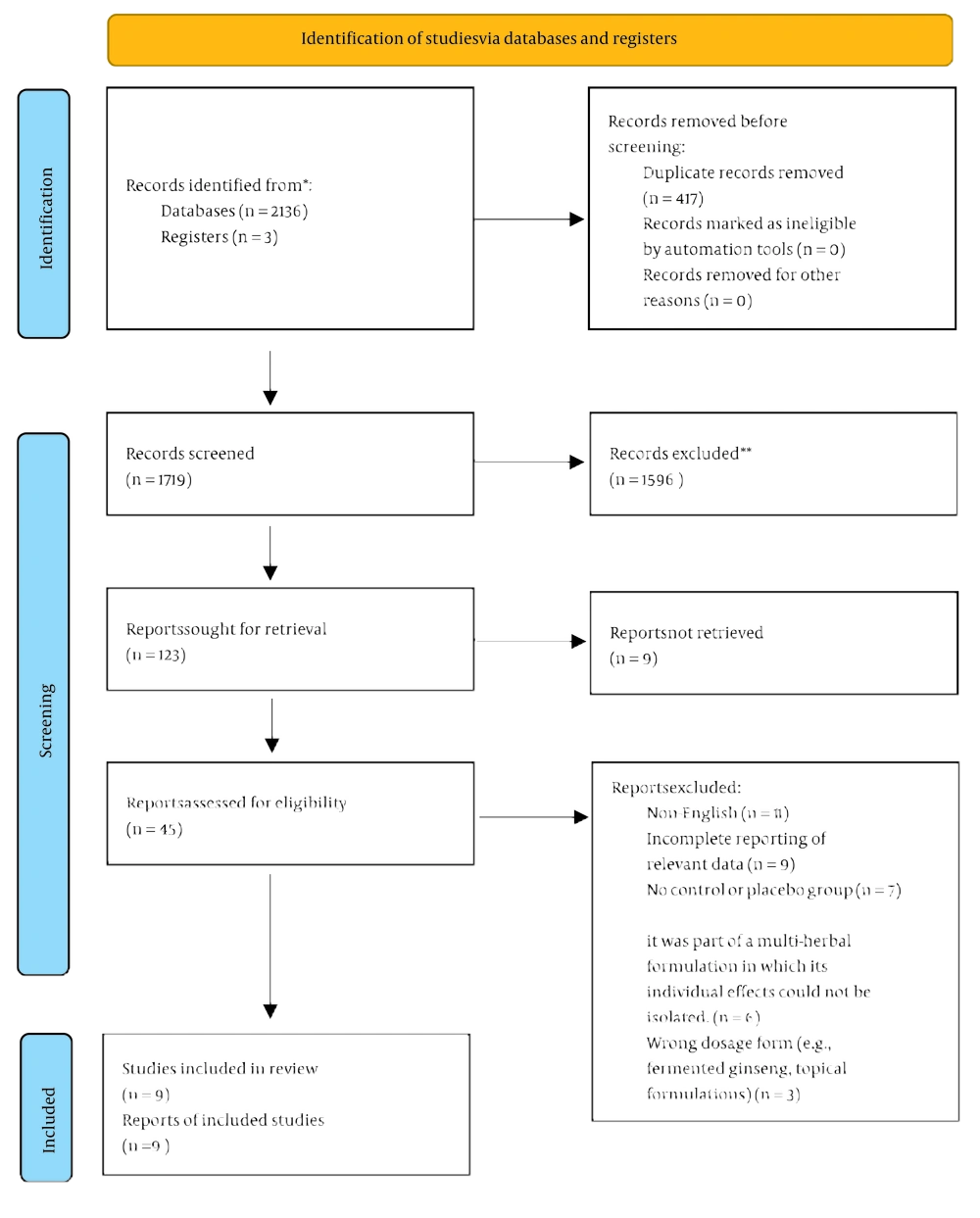
Figure 1.
PRISMA Flow Diagram of Studies Included in this Systematic Review and Meta-analysis
3.2. Eligibility Criteria
Eligibility criteria included RCTs conducted in humans, oral ginseng supplementation as a single intervention, comparison with placebo or control groups, reporting MDA and/or SOD outcomes, and availability of sufficient quantitative data. Studies were excluded if they were non-randomized, animal or in vitro studies, multi-herbal formulations, non-oral or fermented ginseng products, lacked a control group, had insufficient data, or were not published in English. Studies using different Panax species, including P. ginseng and Panax quinquefolius (American ginseng), were eligible if administered as single-species interventions.
3.3. Data Extraction and Quality Assessment
Two reviewers independently used a standardized form to extract the data from the included studies. In studies with multiple intervention arms, only the arm receiving red ginseng alone was extracted and included in the meta-analysis when outcome data were reported separately. Other intervention arms were not included in the quantitative synthesis. Extracted information encompassed study characteristics (author, year, country, design, sample size, duration), participant demographics (age, sex, health status), intervention details (ginseng type, dose, formulation), control group, outcomes (MDA and SOD levels, including means, standard deviations, or other measures of variability), and any adverse events. When ginsenoside concentrations were not reported, estimated ginsenoside exposure was derived from reported extract or powder doses using available compositional references. For studies reporting outcomes graphically (e.g., forest plots or bar charts), data were digitized using GetData Graph Digitizer software to convert visual representations into numerical values. Where necessary, units were standardized (e.g., converting MDA from nmol/mL to µmol/L or SOD from U/mL to consistent enzymatic activity units) to enable pooling in the meta-analysis. The risk of bias in RCTs was assessed using the Cochrane Risk of Bias 2.0 (RoB 2.0) tool. Domains assessed included randomization process, deviations from intended interventions, missing outcome data, measurement of the outcome, and selection of the reported result. Each domain was rated as low risk, some concerns, or high risk, with an overall judgment derived accordingly. Discrepancies in assessments were resolved by consensus. The results of the risk of bias assessment are presented in Table 1. Data extraction was performed independently by two reviewers using a predefined standardized extraction form. Any disagreements were resolved through discussion or consultation with a third reviewer. When outcome data were missing or presented graphically, values were estimated using digital extraction software. Studies with insufficient data for effect size calculation were excluded from the quantitative synthesis.
| Study (Authors, Year, Ref.) | Randomization Process | Deviations from Intended Interventions | Missing Outcome Data | Measurement of Outcome | Selection of Reported Result | Overall Risk of Bias |
|---|---|---|---|---|---|---|
| Kim et al. (2011) (25) | Low risk | Low risk | Low risk | Low risk | Low risk | Low risk |
| Kim et al. (2012) (26) | Low risk | Low risk | Low risk | Low risk | Low risk | Low risk |
| Kim et al. (2013) (27) | Low risk | Low risk | Low risk | Low risk | Low risk | Low risk |
| Kim et al. (2021) (28) | Low risk | Low risk | Low risk | Low risk | Low risk | Low risk |
| Kim & Lee (2001) (29) | High risk | High risk | Some concerns | Some concerns | High risk | High risk |
| Seo et al. (2014) (30) | Low risk | Low risk | Low risk | Low risk | Low risk | Low risk |
| Al-kuraishy & Al-Gareeb (2017) (31) | Some concerns | Low risk | Some concerns | Low risk | Some concerns | Some concerns |
| Dickman et al. (2009) (32) | Low risk | Low risk | Some concerns | Low risk | Low risk | Low risk |
a Low risk = the study is judged to be at low risk of bias for the domain.
b Some concerns = there is a possibility of bias affecting the domain.
c High risk = bias is likely to significantly affect the results.
d Blinding status (double-blind, single-blind, or unclear) was extracted from each study and considered within the risk of bias assessment.
3.4. Statistical Analysis
Meta-analyses were conducted using STATA version 15 software, employing a random-effects model (DerSimonian-Laird technique) to account for expected heterogeneity among trials. Under the random-effects model, study weights were determined by both within-study variance and between-study heterogeneity, such that studies with extreme variance contributed less to the pooled estimate. For continuous outcomes, specifically MDA and SOD levels, effect sizes were computed as standardized mean differences (SMDs) accompanied by 95% confidence intervals (CIs). Subgroup analyses were conducted based on ginseng dose (categorized as 0.5 mg, 1 mg, 2 mg, 3 mg, and 6 mg) to explore dose-dependent effects. Because none of the included trials explicitly reported ginsenoside content, dose standardization was performed using a harmonization approach. Reported extract or powder doses (g/day or mg/day) were converted into approximate ginsenoside exposure categories based on published compositional data and manufacturer specifications. These converted values were used solely to classify studies into relative dose categories for subgroup analysis rather than to represent exact ginsenoside intake. Studies for which extract doses could not be reliably converted into estimated ginsenoside dose categories were included only in the overall analysis and excluded from dose-based subgroup analyses. Because the included trials reported ginseng doses using different units (grams or milligrams of extract), dose categories for subgroup analyses were harmonized based on estimated ginsenoside content. When reported, ginsenoside concentrations were extracted directly from the original studies; otherwise, estimates were derived from manufacturer specifications or published compositional data. Accordingly, dose categories (0.5-6 mg) represent approximate ginsenoside exposure rather than total extract weight. Heterogeneity was quantified using Cochran's Q test, I² statistic (with thresholds: <25% low, 25-75% moderate, >75% high), and H statistic. Meta-regression analyses were considered to explore potential sources of heterogeneity. However, meta-regression was not performed because the number of included studies was insufficient to support reliable meta-regression analyses. Publication bias was assessed visually via funnel plots and quantitatively using Egger's test, where applicable (P < 0.05 indicating significant bias). Egger’s test was interpreted with caution because the number of included studies was fewer than ten, which is below the recommended minimum for reliable statistical inference. Sensitivity analyses were planned to test the robustness of results by excluding studies with a high risk of bias or outliers. Statistical significance for pooled effects was set at P < 0.05, with borderline significance noted at P = 0.05-0.10. All analyses were two-tailed.
4. Results
The characteristics of the included studies are summarized in Table 2. Kim and Lee (2001) included multiple antioxidant interventions (29); however, only data from the red ginseng arm were extracted and analyzed. The results of the meta-analysis for SOD are presented in Table 3 (overall effects) and Figure 2 (forest plot).
Table 2.
Characteristics of Studies Included in the Meta-Analysis
| Authors (Year) | Country | Type of Study | Sample Size | Intervention Group | Control Group | Variables Examined | Duration |
|---|---|---|---|---|---|---|---|
| Kim et al. (2011) (25) | South Korea | RCT, Double-blind, Placebo-controlled | 55 | P. ginseng extract (1g/day or 2g/day) | Placebo | MDA, SOD | 4 weeks |
| Kim et al. (2012) (26) | South Korea | RCT, Double-blind, Placebo-controlled | 38 | Korean Red Ginseng (3g/day or 6g/day) | Placebo | SOD | 8 weeks |
| Kim et al. (2013) (27) | South Korea | RCT, Double-blind, Placebo-controlled | 59 | P. ginseng extract (1g/day or 2g/day) | Placebo | MDA | 4 weeks |
| Kim et al. (2021) (28) | South Korea | RCT, Double-blind, Placebo-controlled | 43 | Korean Red Ginseng (3g/day) | Placebo | SOD, MDA | 12 weeks |
| Kim & Lee (2001) (29) | South Korea | Intervention Study | 10 | Vitamin E, β-carotene, Vitamin C, or Red Ginseng | Placebo | MDA | 4 weeks |
| Seo et al. (2014) (30) | South Korea | RCT, Double-blind, Placebo-controlled | 71 | Korean Red Ginseng (3g/day) | Placebo | SOD, MDA | 12 weeks |
| Al-kuraishy & Al-Gareeb (2017) (31) | Iraq | Single-blind, RCT | 65 | Panax Ginseng (500mg/day) | Placebo | Serum MDA, | 1 month |
| Dickman et al. (2009) (32) | USA | RCT, Double-blind, Placebo-controlled | 25 | American Ginseng (1g/day) | Placebo | Plasma MDA, SOD, | 4 months |
Abbreviations: RCT, randomized controlled trials; SOD, superoxide dismutase; MDA, malondialdehyde.
Table 3.
Meta-analysis Summary of Effect Sizes and Superoxide Dismutase Confidence Intervals AND Chart Forest Plot
| Study/Authors and Ref. | Effect Size | 95% Confidence Interval | Weight (%) |
|---|---|---|---|
| Kim et al. 2012 (26) | |||
| 1 | 0.300 | -0.115, 0.715 | 6.49 |
| 2 | 0.200 | -0.196, 0.596 | 6.94 |
| Kim et al. 2011 (25) | |||
| 1 | 0.040 | -0.236, 0.316 | 10.85 |
| 2 | 0.220 | -0.077, 0.517 | 10.02 |
| Kim et al. 2013 (27) | |||
| 1 | 0.200 | 0.002, 0.398 | 14.62 |
| 2 | 0.040 | -0.160, 0.240 | 14.50 |
| Seo et al. 2014 (30) | 0.500 | 0.347, 0.653 | 17.21 |
| Kim et al. 2021 (28) | 0.200 | 0.085, 0.315 | 19.37 |
| Overall (DL) | 0.220 | 0.095, 0.344 | 100.00 |
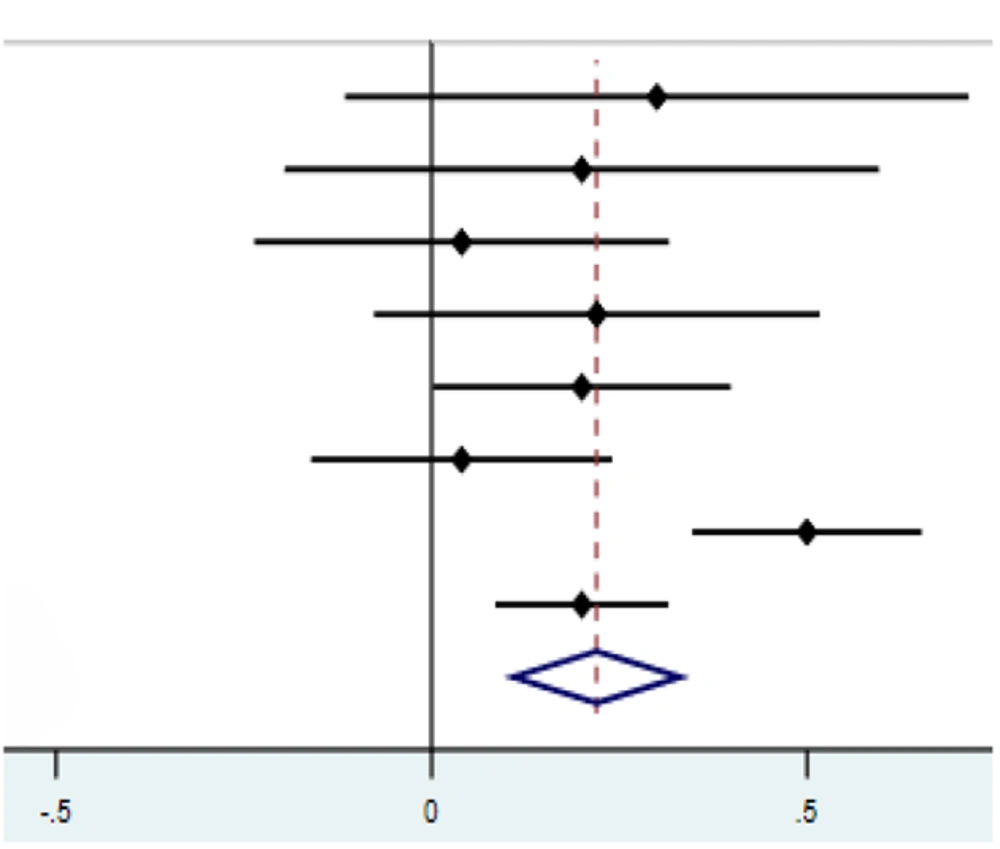
Figure 2.
Forest plot showing the results of the meta-analysis for SOD activity
Table 4.
Subgroup Meta-analysis of Effect Sizes by Estimated Ginsenoside Dose a
| Estimated Ginsenoside Dose (mg), Study/Author and Ref. | Effect Size | 95% Confidence Interval | Weight (%) |
|---|---|---|---|
| 1 | |||
| Kim et al. 2011 (1) (25) | 0.040 | -0.236, 0.316 | 10.85 |
| Kim et al. 2014 (1) (27) | 0.200 | 0.002, 0.398 | 14.62 |
| Subgroup (DL) | 0.146 | -0.015, 0.307 | 25.47 |
| 2 | |||
| Kim et al. 2011 (2) (25) | 0.220 | -0.077, 0.517 | 10.02 |
| Kim et al. 2014 (2) (27) | 0.040 | -0.160, 0.240 | 14.50 |
| Subgroup (DL) | 0.096 | -0.070, 0.262 | 24.52 |
| 3 | |||
| Kim et al. 2012 (1) (26) | 0.300 | -0.115, 0.715 | 6.49 |
| Seo et al. 2014 (30) | 0.500 | 0.347, 0.653 | 17.21 |
| Kim et al. 2021 (28) | 0.200 | 0.085, 0.315 | 19.37 |
| Subgroup (DL) | 0.336 | 0.101, 0.571 | 43.07 |
| 6 | |||
| Kim et al. 2012 (2) (26) | 0.200 | -0.196, 0.596 | 6.94 |
| Subgroup (DL) | 0.200 | -0.196, 0.596 | 6.94 |
| Overall (DL) | 0.220 | 0.095, 0.344 | 100.00 |
a Dose categories represent estimated ginsenoside exposure derived from reported extract doses and do not reflect total extract weight.
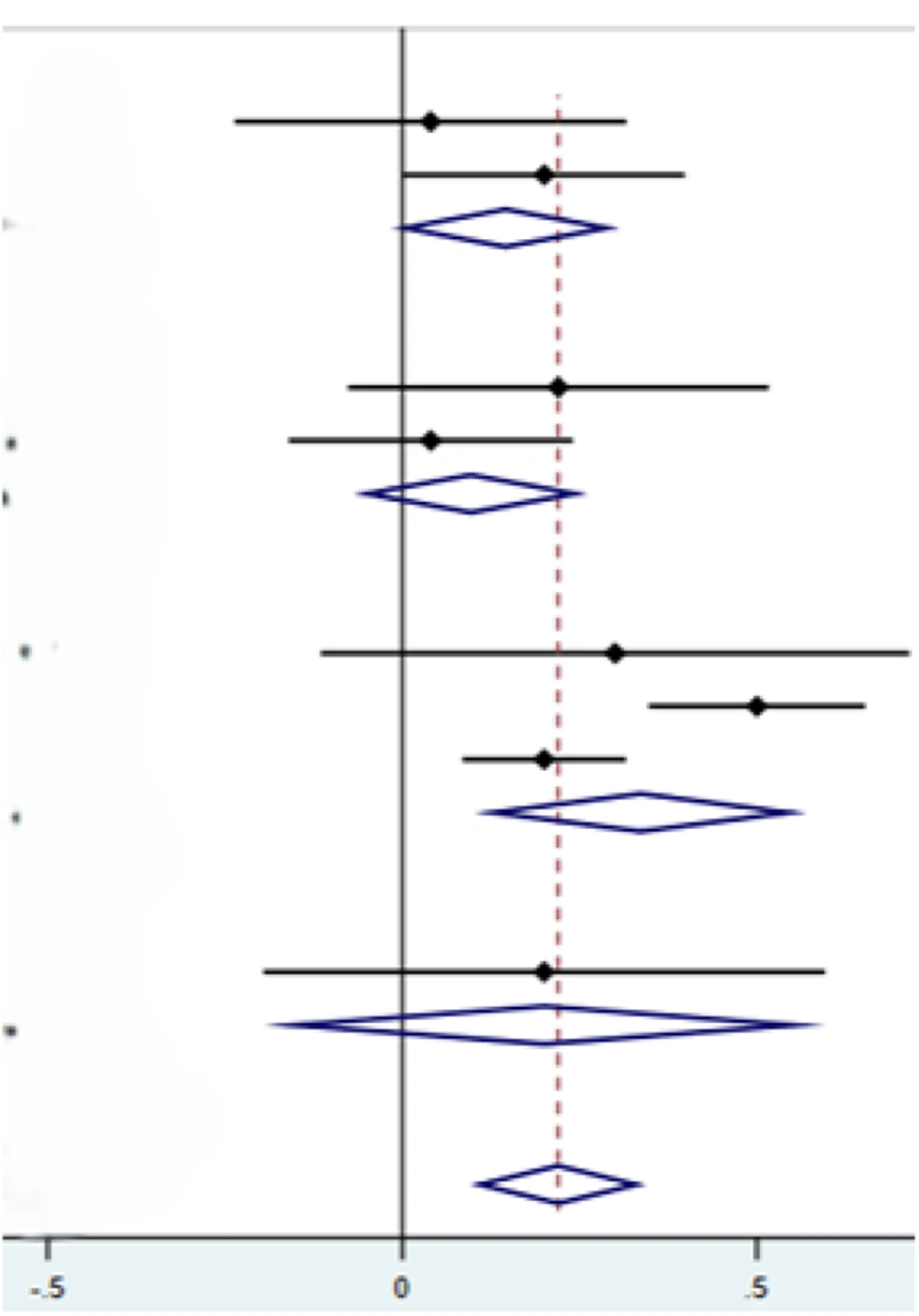
Figure 3.
Forest plot of the subgroup meta-analysis for superoxide dismutase (SOD) activity by ginseng dose (1 mg, 2 mg, 3 mg, and 6 mg).
For MDA, the pooled meta-analysis results are shown in Table 5 and Figure 4, with subgroup analyses by dose presented in Table 6 and Figure 5. The PRISMA flow diagram of study selection is presented in Figure 1.
Table 5.
Meta-Analysis Summary of Effect Sizes and Malondialdehyde Confidence Intervals AND Chart Forest Plot
| Study | Effect Size | 95% Confidence Interval | Weight (%) |
|---|---|---|---|
| Kim et al. 2011 (25) | |||
| 1 | -0.660 | -0.741 ~ -0.579 | 15.30 |
| 2 | -0.550 | -0.639 ~ -0.461 | 15.27 |
| Seo et al. 2014 (30) | -0.660 | -0.739 ~ -0.581 | 15.31 |
| Kim et al. 2021 (28) | -0.850 | -0.931 ~ -0.769 | 15.30 |
| Kim et al. 2013 (27) | |||
| 1 | -0.520 | -0.810 ~ -0.230 | 13.46 |
| 2 | -4.200 | -6.123 ~ -2.277 | 2.04 |
| Kim et al. 2001 (29) | -0.120 | -0.495 ~ 0.255 | 12.38 |
| Al-kuraishy et al. 2017 (31) | -16.440 | -19.956 ~ -12.924 | 0.67 |
| Dickman et al. 2016 (32) | |||
| 1 | 4.200 | 3.164 ~ 5.236 | 5.31 |
| 2 | 3.700 | 2.609 ~ 4.791 | 4.95 |
| Overall (DL) | -0.291 | -0.585 ~ 0.004 | 100 |
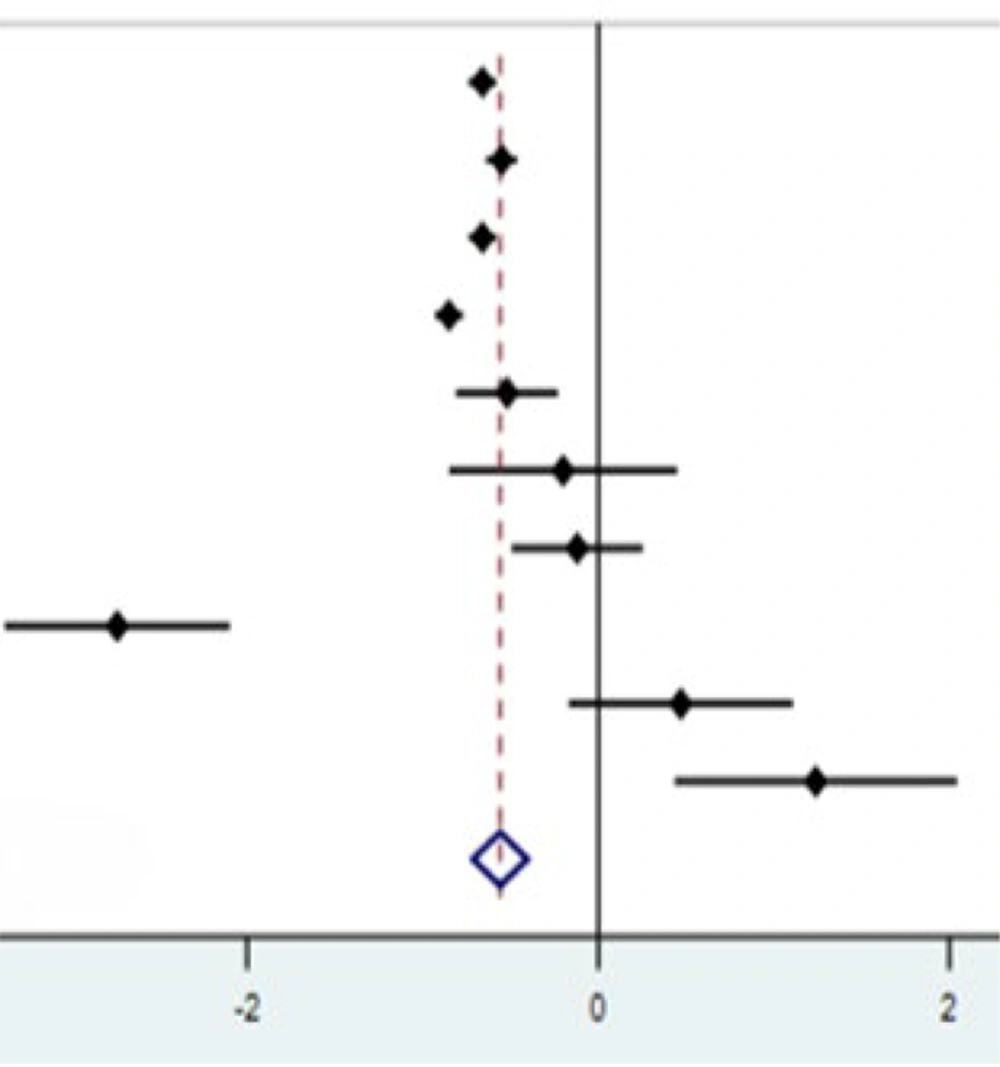
Figure 4.
Forest plot of the random-effects meta-analysis for the effect of ginseng supplementation on malondialdehyde (MDA) levels. The overall effect shows a trend toward reduction.
Table 6.
Subgroup Meta-Analysis of Effect Sizes by Estimated Ginsenoside Dose a
| Estimated Ginsenoside Dose (mg), Ref. and Study | Effect Size | 95% Confidence Interval | Weight (%) |
|---|---|---|---|
| 0.5 | |||
| Al-kuraishy et al. 2017 (31) | -16.440 | -19.956 ~ -12.924 | 0.67 |
| Subgroup (DL) | -16.440 | -19.956 ~ -12.924 | 0.67 |
| 1 | |||
| Kim et al. 2011 (1) (25) | -0.660 | -0.741 ~ -0.579 | 15.30 |
| Kim et al. 2013 (1) (27) | -0.520 | -0.810 ~ -0.230 | 13.46 |
| Dickman et al. 2016 (1) (32) | 4.200 | 3.164 ~ 5.236 | 5.31 |
| Dickman et al. 2016 (2) (32) | 3.700 | 2.609 ~ 4.791 | 4.95 |
| Subgroup (DL) | 1.481 | 0.243 ~ 2.719 | 39.03 |
| 2 | |||
| Kim et al. 2011 (2) (25) | -0.550 | -0.639 ~ -0.461 | 15.27 |
| Kim et al. 2013 (2) (27) | -4.200 | -6.123 ~ -2.277 | 2.04 |
| Kim et al. 2001 (29) | -0.120 | -0.495 ~ 0.255 | 12.38 |
| Subgroup (DL) | -0.788 | -1.538 ~ -0.039 | 29.68 |
| 3 | |||
| Seo et al. 2014 (30) | -0.660 | -0.739 ~ -0.581 | 15.31 |
| Kim et al. 2021 (28) | -0.850 | -0.931 ~ -0.769 | 15.30 |
| Subgroup (DL) | -0.755 | -0.941 ~ -0.569 | 30.62 |
| Overall | |||
| (DL, all studies) | -0.291 | -0.585 ~ 0.004 | 100.00 |
a Dose categories represent estimated ginsenoside exposure derived from reported extract doses and do not reflect total extract weight.
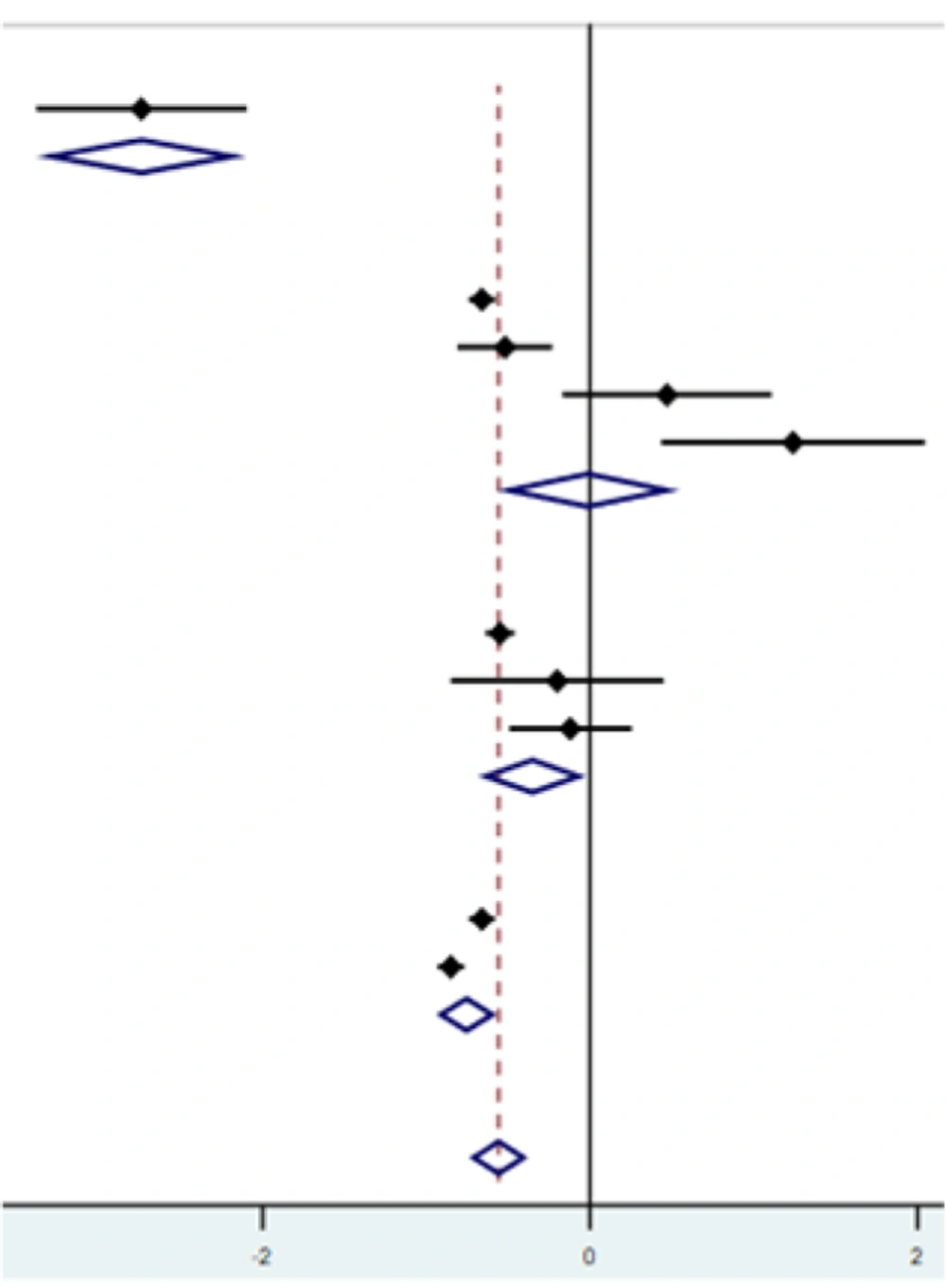
Figure 5.
Forest plot of the subgroup meta-analysis for malondialdehyde (MDA) levels by ginseng dose (0.5 mg, 1 mg, 2 mg, and 3 mg). Variability in effect sizes across doses is evident.
Publication bias assessments are given in Figure 6, and the risk-of-bias summary is shown in Table 1. Substantial heterogeneity was observed across the included studies, particularly for MDA outcomes. Potential sources of heterogeneity included differences in ginseng formulation (Korean red, American, or extract), dosage expression (grams of extract versus milligrams of ginsenosides), intervention duration, and participant characteristics such as age and baseline health status.
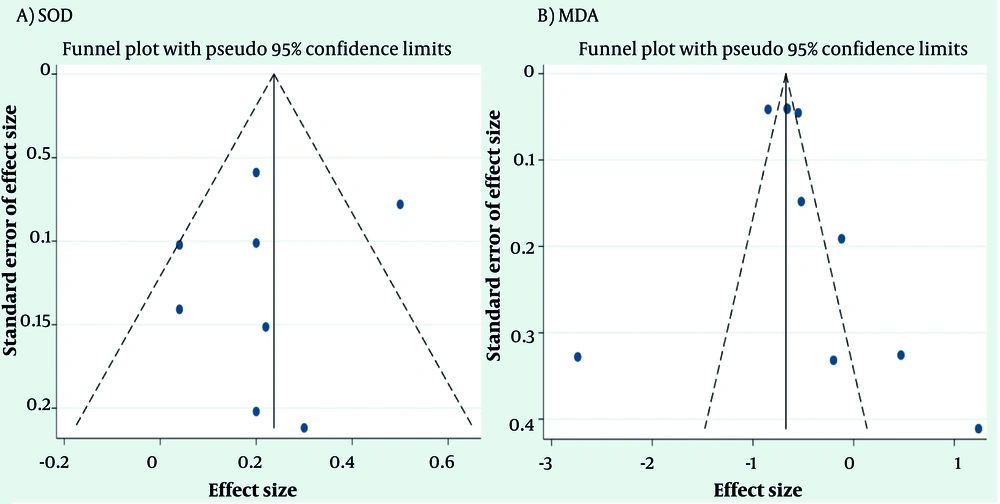
Figure 6.
Funnel plots assessing potential publication bias for A, malondialdehyde (MDA); and B, superoxide dismutase (SOD) outcomes.
Results of the random-effects meta-analysis of included studies are presented. Effect sizes are shown with their 95% confidence intervals and corresponding study weights. The overall pooled effect was statistically significant (z = 3.455, P = 0.001). Heterogeneity analysis indicated moderate variability across studies (Cochran’s Q = 17.71, df = 7, P = 0.013; I² = 60.5% [95% CI: 0.0-83.8%]; H = 1.59 [95% CI: 1.00-2.49]). However, moderate heterogeneity was observed across studies, indicating variability in effect sizes. As shown in Figure 2, most studies favored ginseng supplementation, with effect sizes located on the positive side of the null line. Studies corresponding to an estimated ginsenoside exposure of approximately 3 mg demonstrated larger and more consistent effects.
Subgroup meta-analysis of included studies by dose level is presented. Effect sizes are reported with their 95% confidence intervals and relative study weights. From the subgroup analyses, only dose group 3 indicated a statistically significant pooled effect (z = 2.806, P = 0.005), while dose groups 1, 2, and 6 showed no significance. There was a significant effect from the overall random-effects model (z = 3.455, P = 0.001). Heterogeneity was moderate across all studies (Cochran’s Q = 17.71, df = 7, P = 0.013; I² = 60.5%), largely attributable to dose group 3 (Q = 9.43, df = 2, P = 0.009; I² = 78.8%). No significant heterogeneity was observed within other subgroups. The plot demonstrates the most pronounced effect in studies corresponding to an estimated ginsenoside exposure of approximately 3 mg.
The pooled analysis demonstrated an overall effect size of -0.291 (95% CI: -0.585 to 0.004; P = 0.053), suggesting a trend toward a negative effect. Despite its very large effect size, the study by Al-kuraishy and Al-Gareeb (2017) (31) contributed a very small weight to the pooled estimate because of its large within-study variance and small sample size, which resulted in a wide confidence interval. This effect did not reach conventional statistical significance and should therefore be interpreted cautiously. Assessment of heterogeneity indicated substantial variability among the included studies (Cochran’s Q = 272.00, df = 9, P < 0.001; I² = 96.7% [95% CI: 65.3%-98.9%]), reflecting considerable inconsistency in study outcomes. Due to the limited number of studies, formal meta-regression analyses were not conducted to quantify the contribution of individual study-level covariates. The observed variation may have been influenced by substantial heterogeneity stemming from differences in study populations, methodology, or interventions. As a result, the findings were taken with caution, and the apparent heterogeneity was further investigated using subgroup analysis, as shown in Table 5. Figure 5 shows a wide dispersion of effect sizes for MDA, ranging from large reductions to null or opposite effects. This dispersion explains the very high heterogeneity observed in the pooled MDA analysis.
Subgroup meta-analysis based on dose level revealed that multiple dose groups (0.5, 1, 2, and 3) demonstrated statistically significant pooled effects, with dose group 0.5 showing the largest effect size. It should be noted that dose subgroups reflect relative categories based on estimated ginsenoside exposure rather than directly measured ginsenoside content. However, considerable heterogeneity was observed across most dose groups, particularly in dose group 3 (I² = 90.8%). The overall random-effects model suggested a borderline significant effect (z = -1.934, P = 0.053). These findings indicate variability in effect sizes across doses, with dose 3 contributing substantially to heterogeneity. Dickman et al. (2009) (32), although included in the overall MDA analysis, was not assigned to the 1 mg subgroup because the reported extract dose could not be reliably converted to an estimated ginsenoside dose category.
The dashed lines represent pseudo 95% confidence limits. Asymmetry in the plot may indicate potential publication bias or heterogeneity. In (A), the MDA subgroup shows a relatively symmetric distribution of points around the pooled effect size, suggesting a low risk of publication bias. In (B), the SOD subgroup exhibits mild asymmetry with a gap in the lower-left region, which could imply possible underreporting of small studies with negative effects. Other reasons for the lack of harmony may be due to methodological differences, differences in the study's quality, or variety in the sample. Visual inspection of the funnel plots suggested relative symmetry for MDA outcomes, whereas mild asymmetry was observed for SOD. This pattern may reflect small-study effects or clinical heterogeneity rather than definitive publication bias. For MDA outcomes, the funnel plot was influenced by one extreme outlier (31). Given the small number of included studies (k = 9), results of Egger’s test were considered exploratory and not used for definitive inference.
Overall, heterogeneity was mainly driven by dose differences, intervention duration, and population characteristics. Subgroup analyses reduced heterogeneity for SOD, particularly at the 3 mg dose, whereas substantial heterogeneity for MDA remained despite stratification.
5. Discussion
This comprehensive systematic review and meta-analysis examines the effects of ginseng supplementation on important oxidative stress markers, drawing from nine RCTs involving a total of 366 individuals. Although it seems previous meta-analyses on ginseng in relation to oxidative stress suffer from methodological gaps, this study attempts to improve upon earlier limitations by focusing solely on ginseng, using SOD and MDA biomarker analyses, incorporating recent trials, and evaluating the robustness of results. Here, considering that most trials reported extract weight instead of standardized ginsenoside content, the dose-response findings are based on ginseng rather than estimated ginsenoside. Therefore, conclusions regarding an optimal dose should be interpreted as indicative rather than definitive. The apparent contradictory finding by Dickman et al. (2009) may be related to population-specific factors, as the study was conducted in postmenopausal women, or to ethnic differences and the probable substantial heterogeneity observed in the MDA analysis (32).
The pooled study indicated a statistically significant increase in SOD activity (SMD = 0.220, 95% CI: 0.095-0.344, P = 0.001), indicative of bolstered endogenous antioxidant defenses. Conversely, MDA levels trended toward reduction (SMD = -0.291, 95% CI: -0.585-0.004, P = 0.053), suggesting a potential attenuation of lipid peroxidation. The findings of our study are in good agreement with those of other researchers, including Choi et al. (2022), demonstrating consistency across the research, which looked at how P. ginseng affects oxidative stress and heart health in people. They observed the same boost in antioxidant enzymes like SOD and a drop in harmful markers like MDA, just as we did with our significant SOD increase and near-significant MDA reduction (33). This is consistent because the key ingredients in ginseng, known as ginsenosides, appear to operate consistently across studies, activating the body's antioxidant defenses reliably (34, 35). Li et al. (2023) also supported this in their large review of ginseng research, showing it helps with SOD and MDA levels, especially for fatigue, which matches our findings and points to ginseng helping restore balance in the body (36). However, not all studies are in agreement. Bach et al. (2016) found no real change in oxidative stress markers in their study on ginseng for physical performance and fatigue (37). That could be because their trials were shorter or focused on very healthy athletes who might not have had much oxidative stress to begin with, unlike our broader mix of participants with more oxidative challenges.
Scientifically, the ginsenosides in P. ginseng exert their antioxidant effects primarily through activation of the Nrf2-ARE signaling pathway, which upregulates endogenous enzymes like SOD to scavenge reactive oxygen species (ROS) and downregulates lipid peroxidation products such as MDA, thereby restoring cellular redox homeostasis and mitigating oxidative damage implicated in chronic pathologies (38, 39). This molecular interplay may partly explain the significant SOD enhancement and borderline MDA reduction observed in our meta-analysis and underscores ginseng's role in bolstering mitochondrial function and anti-inflammatory responses, as evidenced by the dose-dependent trends favoring 3 mg interventions (40-42). Practically, these findings suggest that ginseng supplementation could be considered as a probable potential complementary approach, although clinical application should await confirmation from larger and longer-term trials (43, 44).
Despite the promising findings, this study is limited by moderate to high heterogeneity, particularly for MDA (I² = 96.7%), likely due to variations in ginseng formulations, participant demographics (e.g., age, health status), and study durations. An important source of uncertainty arises from differences in dose reporting across studies, as some trials reported grams of ginseng extract while others reported milligrams of ginsenosides, which may have contributed to heterogeneity and limited dose-response interpretation. There is also potential publication bias suggested by mild asymmetry in the SOD funnel plots. The limited quantity of included research, primarily from South Korea, along with the brief duration of most trials (4 - 12 weeks), constrains generalizability and long-term insights. Additionally, the variability in ginseng types (e.g., Korean red vs. American ginseng) and the lack of standardized ginsenoside content reporting further complicate dose-response interpretations.
Future research should prioritize larger, multicenter RCTs with standardized ginseng preparations, extended follow-up periods, and diverse populations to better elucidate dose-specific effects and long-term safety. Ginseng's therapeutic potential may be better understood by integrating new oxidative stress biomarkers, such as glutathione or catalase, and examining molecular pathways through genomic or proteomic analysis. By adding these elements to the investigation, we can enhance our understanding of ginseng's effects and its mechanisms of action.
5.1. Conclusions
Taken together, this study suggests that ginseng supplementation may be associated with increased SOD activity, while exhibiting a probable small decrease in MDA levels, particularly in studies corresponding to an estimated ginsenoside exposure of approximately 3 mg, and hence supports its efficacy in modulating oxidative stress and antioxidant defenses in human populations. Here, it seems that the findings may reveal ginseng's potential as a natural adjunctive strategy and remedy for reducing oxidative damage in susceptible populations, including postmenopausal women and individuals experiencing metabolic stress. By addressing these concerns, ginseng may potentially help alleviate resulting inflammation and fatigue. However, the findings should be interpreted with caution due to high heterogeneity and borderline statistical significance for some outcomes.