
1. Context
Chronic kidney disease (CKD) has emerged as a major global health challenge, with a steadily increasing prevalence driven by aging populations, rising rates of diabetes and hypertension, and improved survival among patients with chronic illnesses (1). As CKD progresses to end-stage renal disease (ESRD), renal replacement therapy becomes essential for survival, and hemodialysis remains the most widely used modality worldwide (2). Although hemodialysis effectively removes metabolic waste products and maintains fluid and electrolyte balance, it does not fully replicate the complex physiological functions of the kidneys. Consequently, patients undergoing long-term hemodialysis experience a wide range of metabolic, cardiovascular, inflammatory, and neurological complications that substantially impair quality of life and increase morbidity and mortality (3).
One of the most prominent pathophysiological disturbances in patients receiving hemodialysis is oxidative stress, which results from an imbalance between the production of reactive oxygen species and the body’s antioxidant defenses. Hemodialysis procedures, bioincompatible membranes, chronic inflammation, and uremic toxins all contribute to increased oxidative stress in this population (4). Elevated oxidative stress has been linked to endothelial dysfunction, accelerated atherosclerosis, anemia, and increased cardiovascular risk, making it an important therapeutic target (5). Accordingly, several pharmacological agents and nutraceutical supplements, such as L-carnitine, N-acetylcysteine, omega-3 fatty acids, and melatonin, have been evaluated in different study designs for their potential to modulate oxidative stress and related clinical outcomes (6, 7).
In addition to oxidative stress, metabolic complications such as anemia, microalbuminuria, dyslipidemia, and disturbances in calcium-phosphate homeostasis are highly prevalent among hemodialysis patients (8). These abnormalities contribute to cardiovascular disease, hospitalization, and reduced survival. Several pharmacological strategies, including erythropoiesis-stimulating agents, vitamin D analogs, phosphate binders, and anti-inflammatory agents, have been evaluated in interventional and observational studies, primarily targeting metabolic and inflammatory parameters (9). In parallel, nutraceuticals have received increasing attention as adjunctive approaches, largely because of their proposed antioxidant, anti-inflammatory, and immunomodulatory properties, although the scope and strength of the evidence vary considerably across interventions and outcomes (10).
Cardiovascular complications remain the leading cause of death in hemodialysis patients and account for a substantial proportion of overall mortality in this population (11). Hemodynamic instability during dialysis, electrolyte shifts, chronic inflammation, and structural heart disease contribute to a spectrum of cardiovascular manifestations, including arrhythmias, sudden cardiac death, and heart failure. Various strategies, ranging from modifications of dialysis parameters to pharmacological and supplement-based interventions, have been investigated in this context; however, the available interventional evidence, particularly for arrhythmia-related outcomes, remains limited and heterogeneous (12). Similarly, neurological and neuromuscular complications, including restless legs syndrome and sleep disturbances, are common and often debilitating. A limited number of agents, such as gabapentin and melatonin, have been studied, mainly in relatively small trials, with a primary focus on symptom relief rather than hard clinical endpoints (13).
Another distressing complication frequently reported by hemodialysis patients is uremic pruritus, a chronic and often severe itching sensation that substantially reduces quality of life. Although its pathogenesis is multifactorial and involves inflammation, neuropathy, and metabolic disturbances, a range of pharmacological and nutraceutical interventions, including omega-3 fatty acids, antihistamines, gabapentinoids, and anti-inflammatory agents, have been examined, with variable results across studies (7, 10). Overall, the existing literature is fragmented across therapeutic categories, study designs, and outcome measures, making it difficult to obtain a coherent overview of the field.
Given the diversity of complications experienced by hemodialysis patients and the wide range of pharmacological and nutraceutical interventions studied, comprehensive mapping of the existing evidence is needed. A scoping review is particularly well suited for this purpose because it systematically explores the breadth and nature of the available literature, clarifies key concepts, and identifies knowledge gaps rather than determining effectiveness or establishing causal inferences. Unlike traditional systematic reviews, which focus on narrowly defined clinical questions, scoping reviews provide an overview of the evidence landscape across heterogeneous sources.
The present study aimed to map the existing literature on pharmacological and nutraceutical interventions used to manage complications in chronic hemodialysis patients. By charting the types of interventions studied, outcomes assessed, and the main areas of research concentration and scarcity, this review provides a descriptive overview of the field and informs future research directions, thereby supporting clinicians, researchers, and policymakers in developing more evidence-informed approaches to improving care and quality of life for individuals undergoing long-term hemodialysis.
2. Evidence Acquisition
2.1. Study Design and Protocol
This scoping review was conducted in accordance with the methodological framework proposed by Arksey and O'Malley and further refined by the Joanna Briggs Institute for scoping reviews (14). The review process followed 5 recommended stages: identifying the research question, identifying relevant studies, selecting studies, charting the data, and synthesizing and reporting the results. The purpose of this review was to map the existing evidence on pharmacological and nutraceutical interventions used to manage complications in adult patients undergoing chronic hemodialysis.
A review protocol was developed a priori to guide the methods and eligibility criteria and to enhance methodological transparency. However, the protocol was not registered in an external registry such as PROSPERO or the Open Science Framework. To minimize the risk of post hoc modifications, the eligibility criteria, search strategy, and data extraction framework were defined before study selection commenced and were applied consistently throughout the review process.
2.2. Search Strategy
A comprehensive search strategy was developed in collaboration with an experienced medical librarian to ensure sensitivity and reproducibility. Seven electronic databases were searched: PubMed, Scopus, Web of Science, Embase, Cochrane Library, Google Scholar, and medRxiv. The search covered studies published between January 1, 2000, and December 31, 2025. MeSH terms and free-text keywords were used and combined with Boolean operators (AND, OR). In addition to general terms such as hemodialysis, drug therapy, and nutraceuticals, the strategy was designed to capture a broad range of complications and intervention types relevant to this field. The final searches across all databases were conducted in December 2025 before manuscript submission, and no additional updates were performed thereafter.
The complete search strings for each database are presented in Table 1 to ensure reproducibility. No language filters other than English were applied. In addition, the reference lists of included studies were screened manually to identify additional relevant publications.
Table 1.
Search Strategies Used for Each Database
| Database | Search Strategy | Date Searched |
|---|---|---|
| PubMed | ("Hemodialysis"[MeSH] OR "Renal Dialysis") AND ("Pharmacological Treatment" OR "Drug Therapy" OR "Nutraceuticals" OR "Dietary Supplements") AND ("Complications" OR "Oxidative Stress" OR "Pruritus" OR "Arrhythmia" OR "Inflammation") | Dec 2025 |
| Scopus | TITLE-ABS-KEY (hemodialysis AND (pharmacological OR nutraceutical OR supplement) AND (complication OR oxidative stress OR pruritus OR inflammation)) | Dec 2025 |
| Web of Science | TS=(hemodialysis AND (drug therapy OR nutraceutical OR supplement) AND (complication OR oxidative stress OR cardiovascular OR pruritus)) | Dec 2025 |
| Embase | ('hemodialysis'/exp AND ('drug therapy'/exp OR 'nutraceutical'/exp OR 'dietary supplement'/exp) AND ('complication'/exp OR 'oxidative stress'/exp OR 'arrhythmia'/exp)) | Dec 2025 |
| Cochrane Library | (hemodialysis AND (drug OR supplement OR nutraceutical) AND (complication OR oxidative stress OR pruritus)) | Dec 2025 |
| Google Scholar | "hemodialysis" AND ("drug therapy" OR "nutraceutical" OR "supplement") AND ("complications" OR "oxidative stress" OR "pruritus") | Dec 2025 |
| medRxiv | hemodialysis AND (drug OR supplement OR nutraceutical) | Dec 2025 |
2.3. Eligibility Criteria
Eligibility criteria were defined using the PCC (Population-Concept-Context) framework recommended for scoping reviews.
Population: Adults aged 18 years or older undergoing chronic hemodialysis.
Concept: Any pharmacological or nutraceutical intervention aimed at preventing, reducing, or managing complications such as oxidative stress, inflammation, pruritus, cardiovascular manifestations, metabolic disturbances, anemia, or neurological symptoms.
Context: Clinical, outpatient, or dialysis center settings without geographic restrictions.
Inclusion criteria were limited to interventional studies, including randomized controlled trials and non-randomized clinical intervention studies, published between 2000 and 2025, and reporting at least 1 clinical, biochemical, or patient-reported outcome related to the intervention. Observational studies, including cohort, case-control, and cross-sectional studies; review articles; editorials; conference abstracts; animal studies; pediatric studies; non-English publications; and studies lacking a relevant pharmacological or nutraceutical intervention or outcome were excluded. Although observational studies were identified during the initial search, they were excluded during full-text screening to ensure consistency with the predefined scope of interventional evidence mapping.
2.4. Study Selection
All retrieved records were imported into EndNote for duplicate removal. Two reviewers independently screened titles and abstracts against the eligibility criteria. Full texts of potentially relevant studies were then assessed independently by the same reviewers. Disagreements were resolved through discussion or consultation with a third reviewer.
Reasons for exclusion at the full-text stage were documented, including non-interventional study design, absence of a pharmacological or nutraceutical intervention, lack of relevant outcomes, non-hemodialysis populations, or insufficient methodological detail. The study selection process is summarized in a PRISMA-ScR flow diagram, and the final set of included studies comprises only those meeting all eligibility criteria.
2.5. Data Extraction
A standardized data extraction form was developed to ensure consistency across studies. Extracted variables included author, year, country, study design, sample size, patient characteristics, type of intervention, dosage and duration, targeted complication, outcome measures (clinical, biochemical, or patient-reported), and key findings. Data extraction was performed independently by 2 reviewers, and discrepancies were resolved by consensus. When necessary, corresponding authors were contacted to obtain missing information, and the availability of additional data was documented.
2.6. Quality Assessment
Although methodological quality appraisal is not mandatory for scoping reviews, an optional assessment was conducted to enhance the interpretability of the evidence. The Mixed Methods Appraisal Tool was used to evaluate the methodological characteristics of the included studies. Each study was independently assessed by 2 reviewers across relevant Mixed Methods Appraisal Tool domains, including clarity of research questions, appropriateness of study design, outcome measurement, and risk of bias.
Quality assessment results were not used to exclude studies. Instead, they were summarized descriptively to highlight overall methodological strengths and recurring limitations of the included evidence and are reported in the Results and Conclusions sections.
2.7. Data Synthesis
Given heterogeneity in study designs, interventions, and outcomes, a narrative synthesis approach was adopted. Findings were organized thematically according to 1) type of intervention (pharmacological vs nutraceutical) and 2) targeted clinical complication, such as oxidative stress, pruritus, cardiovascular manifestations, metabolic disturbances, and neurological symptoms. Classification of interventions was based on the mode of administration and intended therapeutic role within each individual study rather than formal regulatory status. Tables and descriptive mappings were used to summarize the breadth of evidence, highlight areas of research concentration, and identify knowledge gaps without drawing conclusions regarding effectiveness or causality.
3. Results
3.1. Study Identification and Screening
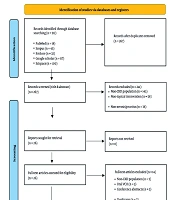
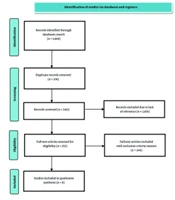
A comprehensive search was conducted across 7 major databases, including PubMed, Scopus, Web of Science, Embase, the Cochrane Library, Google Scholar, and medRxiv, covering studies published between 2000 and 2025. This search yielded 978 records. After duplicate removal, 812 unique records remained and were screened based on titles and abstracts.
Of these, 686 records were excluded because they were not relevant to the scope of the review, used a non-interventional design, included populations other than adult hemodialysis patients, or did not report outcomes aligned with the objectives of this review.
Subsequently, 126 full-text articles were assessed for eligibility. Among these, 108 studies were excluded for the following reasons: non-interventional methodology (n = 41), inappropriate study population (n = 27), absence of relevant clinical, biochemical, or patient-reported outcomes (n = 22), and insufficient methodological detail or incomplete data (n = 18). Review articles, narrative syntheses, and studies not meeting the predefined pharmacological or nutraceutical intervention criteria were also excluded at this stage in accordance with the eligibility framework.
Ultimately, 18 studies met all predefined inclusion criteria regarding study design, target population, intervention type, and outcome relevance and were included in the final synthesis. All included studies were interventional and comprised randomized controlled trials or non-randomized clinical intervention studies. These 18 studies constitute the complete evidence base mapped in this scoping review (Figure 1).
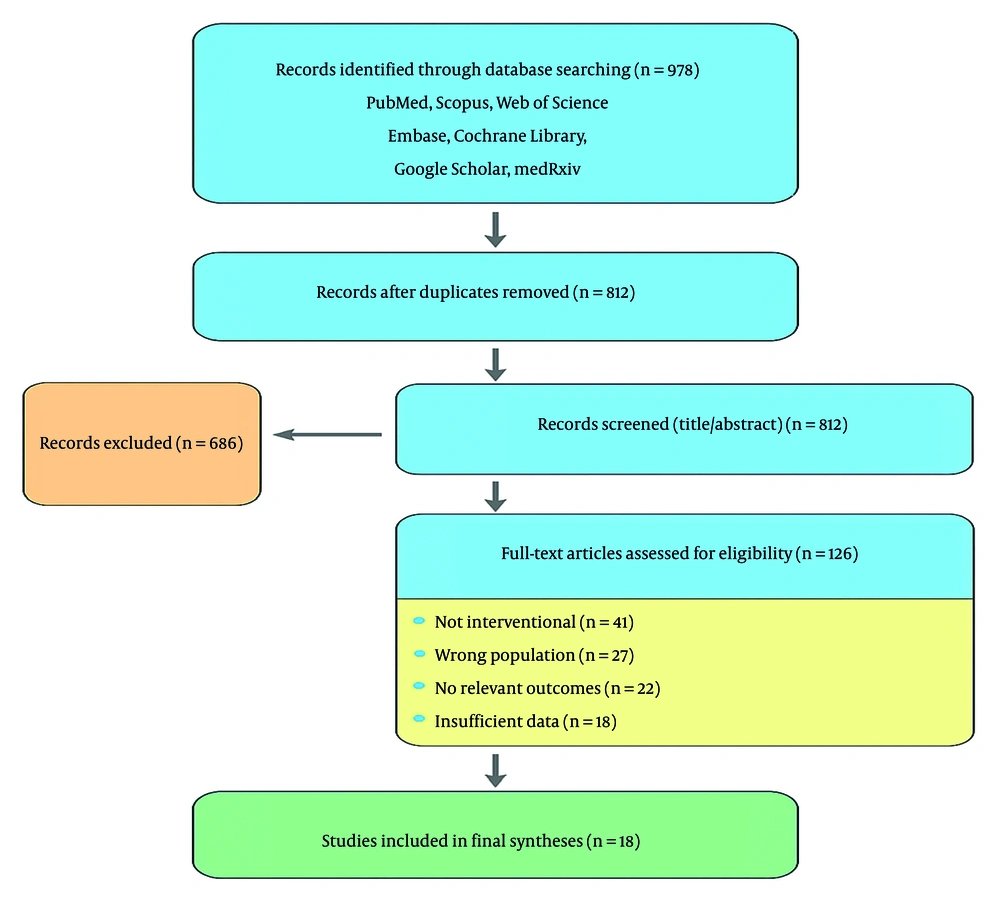
Figure 1.
PRISMA flow diagram for study selection
3.2. Characteristics of Included Studies
The final synthesis comprised 18 studies published between 2000 and 2025 and representing a wide geographical distribution, including Iran, Egypt, the Netherlands, Germany, Japan, Brazil, Taiwan, Belgium, Hong Kong, India, and the United States. Most studies used a randomized controlled trial (RCT) design, with several using crossover methodologies. Observational studies and review articles were excluded in accordance with the eligibility criteria. Sample sizes varied substantially, ranging from 30 to 134 participants, reflecting differences in study scope and feasibility across settings. Interventions included both pharmacological agents, such as gabapentin, melatonin, and N-acetylcysteine, and nutraceutical or antioxidant supplements, such as omega-3 fatty acids, vitamin C, coenzyme Q10, alpha-lipoic acid, green tea extract, and L-carnitine. The targeted clinical conditions included uremic pruritus, sleep disturbances, oxidative stress, inflammation, muscle cramps, endothelial dysfunction, cardiovascular outcomes, and quality-of-life impairments. A detailed summary of the characteristics of all included studies is presented in Table 2.
Table 2.
General Characteristics of Included Studies
| References | Year | Country | Study Design | Sample Size | Intervention Type | Target Condition |
|---|---|---|---|---|---|---|
| (15) | 2024 | Iran | RCT | 60 | Supplement | Pruritus |
| (16) | 2025 | Egypt | RCT (crossover) | 40 | Drug vs supplement | Pruritus |
| (17) | 2019 | Iran | RCT | 50 | Supplement | Pruritus |
| (18) | 2009 | Netherlands | RCT (crossover) | 40 | Drug | Sleep disturbance |
| (19) | 2025 | Brazil | RCT | 80 | Drug | Dyslipidemia/cardiovascular risk |
| (20) | 2003 | Germany | RCT | 80 | Drug | Cardiovascular outcomes |
| (21) | 2007 | Taiwan | RCT | 47 | Supplement | Oxidative stress |
| (22) | 2025 | Iran | RCT | 36 | Supplement | Lipid profile, sleep quality, quality of life |
| (23) | 2009 | Iran | RCT | 50 | Drug | Pruritus |
| (24) | 2013 | Netherlands | RCT | 40 | Drug | Sleep-wake rhythm |
| (25) | 2004 | Turkey | RCT | 34 | Drug | Pruritus |
| (26) | 2010 | Taiwan | RCT | 60 | Drug | Oxidative stress, inflammation |
| (27) | 2014 | Iran | RCT | 45 | Supplement | Serum uric acid |
| (28) | 2001 | USA | RCT | 80 | Supplement | Exercise performance |
| (29) | 2000 | Israel | RCT | 134 | Supplement | Cardiovascular outcomes |
| (30) | 2014 | Multinational | RCT | 420 | Supplement | Chronic heart failure outcomes |
| (31) | 2021 | China | RCT | 80 | Supplement | Oxidative stress, endothelial function |
| (32) | 2006 | India | RCT | 60 | Supplement | L-carnitine, quality of life |
3.3. Classification of Pharmacological Interventions
Across the included studies, pharmacological interventions were grouped into 3 major categories: anti-inflammatory and antioxidant agents, neurological agents, and cardiovascular/metabolic agents.
Anti-inflammatory and antioxidant therapies, including N-acetylcysteine, vitamin C, coenzyme Q10, alpha-lipoic acid, and green tea extract, were primarily evaluated for their effects on oxidative stress, inflammation, endothelial function, and cardiovascular markers. L-carnitine was analyzed only under nutraceutical interventions based on study design.
Neurological agents, particularly gabapentin and melatonin, were investigated mainly for the management of uremic pruritus and sleep disturbances.
Cardiovascular and metabolic agents included mixed antioxidant therapies assessed for vascular function, lipid profile, and exercise performance.
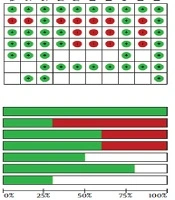
Study quality, assessed using the Mixed Methods Appraisal Tool, was generally moderate to high. Most randomized controlled trials demonstrated adequate methodological rigor, whereas a few crossover trials reported minor limitations in blinding or outcome reporting. The dosage, duration, measured outcomes, and key findings for each pharmacological category are summarized in Table 3. Interpretation is descriptive; no conclusions regarding efficacy are implied.
Table 3.
Summary of Pharmacological Interventions, Dosage, Outcomes, and Main Findings
| Drug / Category | Number of Studies | Dosage & Duration | Measured Outcomes | Main Findings |
|---|---|---|---|---|
| N-acetylcysteine (anti-inflammatory/antioxidant) | 2 | 600 mg BID for 8 weeks; 600 mg daily for 12 weeks | Oxidative stress (MDA, TAC), CRP, CV events | Significant reduction in oxidative stress and CRP; reduced cardiovascular events |
| L-carnitine (antioxidant/metabolic) | 2 | 1 g IV after dialysis 3 times/week for 12 weeks; 20 mg/kg IV for 24 weeks | Muscle cramps, exercise performance, QoL | Reduced muscle cramps; improved exercise tolerance |
| Vitamin C (antioxidant) | 1 | 250 mg IV 3 times/week for 8 weeks | Oxidative stress, vitamin C deficiency | Improved oxidative stress markers; corrected deficiency |
| Coenzyme Q10 (antioxidant) | 1 | 100 mg/day for 12 weeks | Oxidative stress, vascular markers | Reduced oxidative stress; improved vascular function |
| Alpha-lipoic acid (antioxidant) | 1 | 600 mg/day for 8 weeks | Endothelial function | Significant improvement in endothelial function |
| Green tea extract (metabolic/antioxidant) | 1 | 455 mg/day for 12 weeks | Oxidative stress, lipid profile, atherosclerotic markers | Reduced oxidative stress; improved lipid profile |
| Gabapentin (neurological) | 3 | 100 - 300 mg after dialysis 3 times/week for 4 weeks; 300 mg/day for 4 weeks | Pruritus severity, sleep quality, QoL | Marked reduction in pruritus; improved sleep; superior to omega-3 in a crossover study |
| Melatonin (neurological/sleep agent) | 2 | 3 mg nightly for 4 - 6 weeks | Sleep quality, circadian rhythm | Improved sleep-wake rhythm and sleep quality |
| Antioxidants affecting cardiovascular outcomes (mixed agents) | 2 | Various agents, including vitamin C, NAC, and CoQ10 | BP, endothelial function, CV markers | Improved vascular function and reduced CV risk |
3.4. Classification of Nutraceutical Interventions
The nutraceutical interventions identified in the included studies were grouped into 3 major categories: omega-3 fatty acids, melatonin when studied as a supplement, and L-carnitine.
Omega-3 fatty acids were primarily evaluated for uremic pruritus, systemic inflammation, and lipid profile modulation, with studies reporting descriptive reductions in pruritus severity and improvements in inflammatory markers (15-17).
Melatonin, when used as a nutraceutical, was investigated mainly for sleep regulation, with additional assessments of inflammatory biomarkers and hematologic indices. Studies indicated descriptive improvements in sleep quality and circadian rhythm regulation among hemodialysis patients (18, 24).
L-carnitine, examined as a nutraceutical, was associated with descriptive reductions in fatigue and oxidative stress, contributing to improved functional status and exercise tolerance in dialysis patients (19, 32).
Study quality, assessed using the Mixed Methods Appraisal Tool, was generally moderate to high across these nutraceutical studies, with minor limitations in sample size or blinding noted in a few trials. A visual summary of these nutraceutical categories and their primary clinical effects is presented in Figure 2.
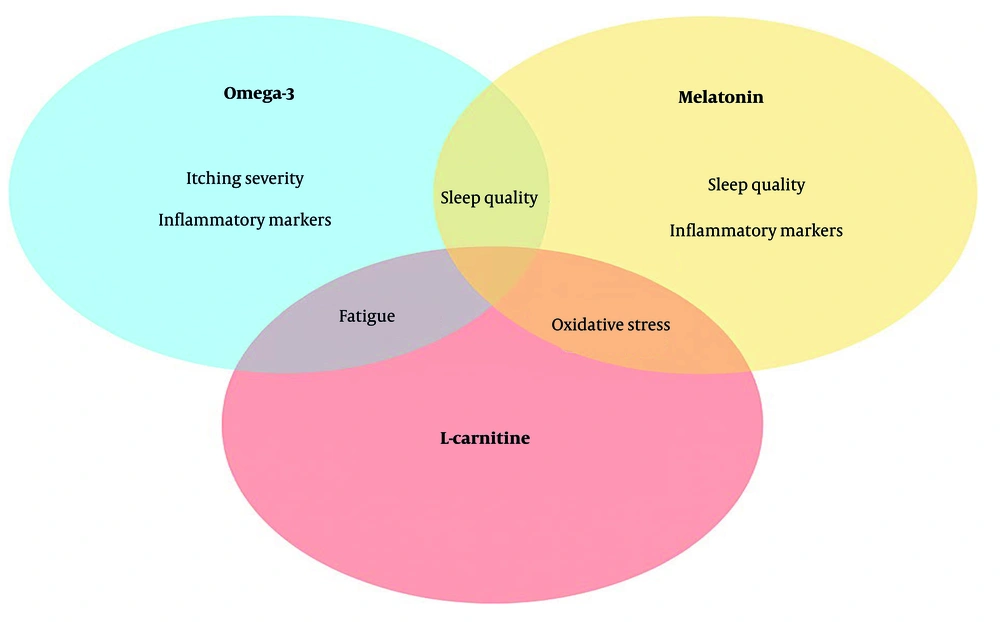
Figure 2.
Summary of Nutraceutical Interventions and Their Clinical Effects
3.5. Overview of Nutraceutical Interventions
A structured summary of nutraceutical interventions evaluated in the 18 included studies is presented here. These interventions were grouped into 3 main categories: omega-3 fatty acids, melatonin, and L-carnitine.
Omega-3 fatty acids were primarily investigated for their effects on uremic pruritus, inflammatory markers such as CRP and IL-6, and lipid profile modulation (15, 16, 17).
Melatonin was assessed mainly for sleep quality, sleep efficiency, and its potential impact on inflammatory biomarkers and hematologic indices (18, 24).
L-carnitine, when used as a nutraceutical, was reported in relation to fatigue, functional capacity, and oxidative stress markers (19, 32).
All outcomes are reported descriptively, without claims regarding efficacy, and reflect the diverse clinical complications addressed across the included studies (Table 4).
Table 4.
Summary of Nutraceutical Interventions and Their Clinical Outcomes
| Nutraceutical | Clinical Outcomes Assessed |
|---|---|
| Omega-3 Fatty Acids | Uremic pruritus; inflammatory markers (eg, CRP, IL-6); lipid profile (TG, HDL, LDL) |
| Melatonin | Sleep quality and sleep efficiency; inflammatory markers; hematologic indices |
| L-carnitine | Fatigue and functional capacity; oxidative stress markers |
3.6. Categorization of Findings by Clinical Outcomes
Findings from the 18 included studies were organized according to the primary clinical outcomes they aimed to address. Outcome-based categorization enables readers to identify which interventions were explored for specific complications and to discern patterns in the available evidence without implying definitive efficacy.
As summarized in Table 5, the studies focused on 5 major outcome domains: oxidative stress and inflammation, cardiovascular complications, uremic pruritus, sleep and neurological disorders, and metabolic disturbances.
Table 5.
Categorization of Interventions Based on Targeted Clinical Outcomes
| Outcome Category | Key Biomarkers/Measures | Effective Interventions | Summary of Findings |
|---|---|---|---|
| Oxidative Stress and Inflammation | MDA, TAC, SOD, CRP | N-acetylcysteine, vitamin C, CoQ10, alpha-lipoic acid, green tea extract | Most studies showed reduced oxidative stress; some neutral results depended on dose and duration (20, 21, 26, 27, 29, 30) |
| Cardiovascular Complications | Arrhythmia, blood pressure, endothelial markers | N-acetylcysteine, CoQ10, vitamin C | Improved endothelial function and reduced inflammation; limited evidence on arrhythmia outcomes (20, 29, 30) |
| Uremic Pruritus | VAS, NRS, 5D-Itch Scale | Omega-3, gabapentin | Significant reduction in pruritus severity in most studies (15, 16, 17, 23, 25) |
| Sleep and Neurological Disorders | PSQI, ESS, RLS index | Melatonin, gabapentin | Improved sleep quality and reduced RLS symptoms; better sleep-wake regulation (18, 23, 24, 25) |
| Metabolic Disturbances | Microalbuminuria, hemoglobin, albumin, serum iron | L-carnitine, vitamin C | Mixed findings; some improvements in hematologic and metabolic markers (19, 27, 28, 32) |
Oxidative stress and inflammation: Several studies assessed interventions targeting oxidative stress using biomarkers such as malondialdehyde (MDA), total antioxidant capacity (TAC), and superoxide dismutase (SOD). Both pharmacological and nutraceutical agents, including N-acetylcysteine, vitamin C, coenzyme Q10, alpha-lipoic acid, and green tea extract, were frequently studied (20, 21, 26, 27, 29, 30). Most studies reported reductions in MDA and improvements in TAC and SOD, whereas a few trials showed neutral results, likely due to differences in dosage, treatment duration, or baseline oxidative stress levels.
Cardiovascular complications: Outcomes included arrhythmia frequency, blood pressure, and endothelial or inflammatory cardiac markers. Antioxidant-based interventions, particularly N-acetylcysteine and coenzyme Q10, were associated with improvements in endothelial function and reductions in inflammatory markers in some studies (20, 29, 30). Modest changes in systolic blood pressure or arrhythmia burden were reported, but the evidence remains limited and heterogeneous.
Uremic pruritus: Interventions such as omega-3 fatty acids and gabapentin were evaluated using validated scales, including the Visual Analog Scale, Numeric Rating Scale, and 5D-Itch Scale (15 - 17, 23, 25). Most studies reported reductions in itching severity, although effect sizes varied, and some studies noted mild or non-significant improvements.
Sleep and neurological disorders: Sleep disturbances, restless legs syndrome, and other neurological symptoms were assessed using instruments such as the Pittsburgh Sleep Quality Index, Epworth Sleepiness Scale, and restless legs syndrome severity indices (18, 23-25). Melatonin was generally associated with improvements in sleep quality and circadian rhythm, whereas gabapentin was linked to reductions in restless legs syndrome symptoms and enhanced sleep continuity.
Metabolic disturbances: Outcomes included microalbuminuria, hemoglobin, serum albumin, and iron indices (19, 27, 28, 32). Interventions such as L-carnitine and vitamin C showed variable effects across studies, with some reporting improvements in hematologic or metabolic markers. Evidence in this domain was limited and inconsistent, highlighting the need for further research (Table 5).
3.7. Research Gaps
Based on the mapped evidence from the 18 included interventional studies (15-32), several notable research gaps were identified, underscoring the need for more rigorous and standardized investigations in the field of pharmacological and nutraceutical interventions for chronic hemodialysis complications.
1) Limited sample sizes and study design: There is a lack of large, well-designed randomized controlled trials; most studies had small sample sizes, limiting generalizability and statistical power.
2) Heterogeneity in interventions: Considerable variation exists in the dosage, formulation, and duration of pharmacological and nutraceutical interventions, complicating cross-study comparisons and precluding the identification of optimal therapeutic regimens.
3) Underexplored clinical outcomes: Specific complications, particularly cardiovascular outcomes such as arrhythmias, remain underexplored. Some metabolic and neurological outcomes were studied inconsistently.
4) Limited geographical representation: Most studies were conducted in high-income countries. Research from low- and middle-income settings, where CKD burden, dialysis accessibility, and patient characteristics differ, is scarce, restricting the global applicability of current evidence.
5) Non-standardized outcome measures: Studies used diverse biochemical markers, clinical scales, and patient-reported outcomes, hindering synthesis and the identification of consistent trends across interventions.
Addressing these gaps through larger, methodologically robust trials, harmonized outcome measures, and the inclusion of diverse populations is essential to advance evidence-informed strategies for managing complications in chronic hemodialysis patients.
4. Discussion
The findings of this scoping review highlight the growing interest in pharmacological and nutraceutical interventions aimed at mitigating the diverse complications experienced by patients undergoing chronic hemodialysis. As the global burden of CKD continues to rise (1, 2), the need for effective adjunctive therapies to improve patient outcomes has become increasingly urgent. Hemodialysis, although life-sustaining, does not fully replace the metabolic, endocrine, and immunological functions of the kidneys, resulting in persistent oxidative stress, cardiovascular instability, pruritus, sleep disturbances, and metabolic abnormalities (3, 4). The interventions identified in this review reflect efforts to address these multifactorial complications through targeted biochemical and physiological pathways.
A major theme emerging from the included studies is the central role of oxidative stress and inflammation in the pathophysiology of hemodialysis-related complications. Several antioxidants, including N-acetylcysteine, vitamin C, coenzyme Q10, alpha-lipoic acid, and green tea extract, improved oxidative biomarkers such as MDA, TAC, and SOD in some studies, although effect sizes varied across trials (4, 20, 21, 26, 27, 30, 31). This aligns with the well-established understanding that uremia and dialysis procedures promote excessive reactive oxygen species generation (4). Differences in dosage, treatment duration, and baseline oxidative burden likely contributed to heterogeneity in outcomes. Given the scoping nature of this review, causal inferences regarding effectiveness cannot be made.
Cardiovascular complications remain the leading cause of mortality among hemodialysis patients. Although only a limited number of studies directly assessed cardiovascular outcomes, interventions such as N-acetylcysteine and coenzyme Q10 showed potential improvements in endothelial function and reductions in inflammatory markers. However, the overall evidence is sparse, heterogeneous, and insufficient to draw definitive conclusions regarding arrhythmia reduction or long-term cardiovascular events (20, 29, 30). This underscores the evidence gap for cardiovascular interventions without implying effectiveness.
Uremic pruritus, a highly prevalent and distressing symptom among hemodialysis patients, was among the most frequently studied outcomes. Both omega-3 fatty acids and gabapentin were associated with reductions in pruritus severity in several trials, with gabapentin providing rapid symptom relief in certain studies (15, 16, 17, 23, 25). However, variability in assessment tools, including the Visual Analog Scale, Numeric Rating Scale, and 5D-Itch Scale, complicates direct comparisons. Again, causal conclusions about efficacy cannot be made within the scope of this review.
Sleep disturbances and neurological symptoms, including restless legs syndrome, were also commonly reported. Melatonin supplementation was reported to improve sleep quality and circadian rhythm regulation, while gabapentin reduced restless legs syndrome symptoms and enhanced sleep continuity (18, 23-25). These findings underscore the importance of addressing sleep health as a component of comprehensive dialysis care, although the evidence remains preliminary.
Metabolic disturbances, including anemia, microalbuminuria, and abnormalities in iron and albumin levels, were studied less frequently. L-carnitine supplementation showed variable benefits in reducing fatigue and improving metabolic markers (5, 22, 28). Given the limited and inconsistent data, further research is needed to clarify the role of nutraceutical interventions in metabolic outcomes.
Overall, the included studies suggest that pharmacological and nutraceutical interventions may offer descriptive improvements across several hemodialysis-related complications. However, the field is limited by small sample sizes, short intervention durations, heterogeneity in study design, and variable outcome measures. These limitations align with broader concerns regarding the scarcity of large, high-quality randomized controlled trials in nephrology research (13, 14). Additional gaps include the underrepresentation of studies from low- and middle-income countries (2). Moreover, standardization of outcomes, dosing protocols, and follow-up durations is needed to enable cross-study comparisons and evidence synthesis.
4.1. Limitations
This scoping review has several limitations. Many included studies had small sample sizes and short intervention durations, limiting generalizability. Considerable heterogeneity in study design, dosage, and outcome measures further restricted the ability to compare results across trials. Some clinically important complications, such as arrhythmias and metabolic disturbances, were understudied, and most research originated from high-income regions, reducing global representativeness. Finally, given the scoping nature of this review, causal inferences regarding effectiveness cannot be drawn.
4.2. Conclusions
This scoping review highlights the growing interest in pharmacological and nutraceutical interventions aimed at improving the complex symptom burden experienced by patients undergoing chronic hemodialysis. Evidence suggests that agents such as omega-3 fatty acids, gabapentin, melatonin, and antioxidant therapies may offer potential descriptive benefits, particularly in domains including pruritus, sleep quality, oxidative stress, and cardiovascular risk markers. Causal inferences regarding effectiveness cannot be made.
Future studies should prioritize large, well-designed randomized controlled trials with consistent dosing strategies, longer follow-up periods, and harmonized outcome measures. Expanding research efforts to low- and middle-income countries is also essential to ensure global applicability. Strengthening the evidence base in these areas will support the development of more effective, patient-centered strategies to enhance quality of life and clinical outcomes in the hemodialysis population.