
Dear Editor,
The global demographic shift toward aging populations is creating urgent challenges for health and social care systems. By 2050, more than 2 billion people worldwide will be aged 60 years or older, nearly double the figure from 2015 (1). In Iran, one in four citizens will belong to this group by 2051 (2). Traditional family-based elder care, once the dominant model, is increasingly strained by urbanization, smaller family sizes, and migration. There is a pressing need to explore innovative, sustainable, and community-driven approaches to elderly care. One such approach is time banking, a reciprocal system in which individuals earn “time credits” for providing services, such as companionship, daily task assistance, or caregiving, which can later be redeemed when they themselves require support. Introduced by Edgar Cahn in the 1980s, time banking has been successfully implemented in several countries, particularly Japan (Fureai Kippu system), China (integrated in provincial elder care policies), Spain (community-based volunteer models), and the United Kingdom (neighborhood renewal and community care projects) (3-5). Evidence demonstrates its potential to promote reciprocity, reduce loneliness, and enhance healthy aging while easing pressure on overstretched health systems (6, 7).
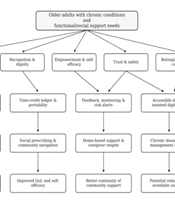
Unlike conventional caregiving, time banking reframes older adults not only as care recipients but also as contributors through sharing skills, experiences, or companionship. This exchange restores dignity, empowers elders, and fosters intergenerational solidarity. In Japan, the Fureai Kippu (“caring relationship tickets”) system has functioned for decades, while in China, provincial governments have codified time credits into official elder care policies (5, 6). These models illustrate the feasibility of scaling time banking through community and policy support.
We see three main domains where time banking can advance nursing and health services in Iran:
1. Nursing and midwifery education: Integrating time banking into curricula can enable students to earn credits through elder care while gaining practical gerontology experience. This fosters a culture of volunteerism and strengthens community engagement in professional identity formation (7).
2. Elderly care delivery: Healthier retirees and volunteers can support frailer seniors with companionship, digital literacy, or basic health monitoring. Such peer-based models have been associated with improved functional health, lower depression rates, and reduced social isolation among elders (4, 6).
3. Health service management: Time banking can offload non-clinical but essential tasks such as transportation, grocery support, or appointment accompaniment to community volunteers. This allows healthcare professionals to focus on specialized clinical tasks while ensuring continuity of holistic care. For Iran, adopting time banking requires not only cultural adaptation but also operational infrastructure. The main challenges include the absence of a clear legal framework to recognize time credits, limited digital literacy among older adults, potential difficulties in volunteer recruitment and retention, and lack of sustainable institutional or financial support.
To address these challenges, essential preconditions include: (A) user-friendly Persian-language digital platforms accessible to elders, (B) training and capacity-building for volunteers, (C) collaboration between municipalities, NGOs, and universities for governance and oversight, and (D) embedding time banking within existing national welfare and social support policies. These conditions would provide a solid foundation for introducing and sustaining time banking in Iran.
In conclusion, reciprocal time banking provides a culturally adaptable, cost-effective, and community-driven complement to conventional elderly care. Its integration into nursing practice and education can strengthen solidarity, enhance dignity, and relieve systemic burdens. We encourage policymakers, educators, and nursing leaders in Iran to initiate pilot programs that may pave the way for national implementation.