
1. Background
Sleep is an essential human need directly related to health and quality of life. This recovery tool affects a person's immune system, mental and physical health, concentration, and productivity (1). Impaired sleep quality and disturbance occur in 33% of Americans and 4 - 22% of European residents (2). Sleep disorders are highly prevalent among young adults (3). Students in healthcare professions are particularly vulnerable because of intensive academic workloads, prolonged study hours, clinical training stressors, and high mental demands, placing them at increased risk of reduced sleep quality and daytime dysfunction (4). Poor sleep in healthcare trainees has important implications: it impairs cognitive performance, increases fatigue, diminishes clinical reasoning, and is associated with higher stress and reduced psychological well-being (4, 5). Impaired sleep quality can also negatively affect students' health and academic performance, especially among women (6). In addition, sleep disorders occur more often among female students than among male students (2). An umbrella review of sleep health promotion interventions emphasizes that non-pharmacological measures are essential for improving sleep quality in healthy populations, including students (5). Given that healthcare students must maintain high levels of attentiveness, decision-making accuracy, and emotional resilience (5), addressing sleep disturbances is a critical component of supporting both their academic success and future clinical performance.
One possible method for improving sleep quality is reflexology, one type of massage therapy and the most widely used complementary and alternative medicine method (7). Reflexology uses pressure on specific points in the hands, ears, and especially the feet to affect various glands, organs, and other body parts for relaxation and recovery (7, 8). Foot reflexology applies pressure to specific areas of the feet, which affects the body's ability to synthesize melatonin, regulate metabolism, digestion processes, and stress reactions, ensuring the quality of a person's sleep (9, 10). A growing body of research on massage and reflexology indicates that mechanically stimulating the feet may enhance parasympathetic activity and reduce sympathetic drive (11). By increasing parasympathetic activity and lowering physiological stress responses, such as heart rate and blood pressure, reflexology may help the body become more restorative, promoting relaxation and supporting sleep (12).
Reflexology can improve sleep quality, reduce fatigue, and improve overall well-being and emotional functioning, but it has also demonstrated benefits in areas such as pain and anxiety across diverse populations (10, 13-15). Based on the meta-analysis of randomized controlled trials, foot reflexology has been successfully used to improve sleep quality in patients who are diagnosed with rheumatoid arthritis, diabetic peripheral neuropathy, acute coronary syndrome, recent stroke, cancer, diabetes, premenstrual syndrome, and multiple sclerosis (16), indicating that this therapy can lead to clinically meaningful improvements in sleep quality. In addition, foot reflexology is considered a non-invasive, safe, and convenient complementary therapy that healthcare professionals can use to alleviate sleep disorders (16), there by increasing its practicality in both clinical and educational settings and further supporting its inclusion among viable non-pharmacological approaches. To the best of our knowledge, no study has yet investigated the effect of foot reflexology on sleep quality among female university students in healthcare professions.
2. Objectives
The purpose of this study was to determine the effect of foot reflexology on sleep quality among Health Sciences University female students.
3. Methods
This experimental study with parallel groups was conducted on female students with impaired sleep quality at Tartu Applied Health Sciences University, Tartu, Estonia. It was carried out during a five-month-long period from October 2022 to March 2023.
3.1. Study Design and Participants
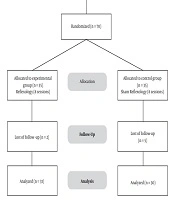
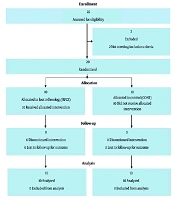
An official invitation to the study was sent to the email list for all courses in physiotherapy and nursing. Those interested in participating replied to the email address of the investigator-in-charge given in the invitation. A total of 22 participants were willing to participate in the study. The inclusion criteria of the study were as follows: (A) female students; (b) 18 - 25 years of age; and (C) Pittsburgh Sleep Quality Index (PSQI) scores greater than five (17). The exclusion criteria included: (A) participant’s unwillingness to continue with the study; (B) working night shifts; (C) pregnancy; (D) surgery within the last three months; and (E) use of medications affecting sleep quality. Nevertheless, two participants were excluded for not meeting the recruitment criteria. Eligible participants were then randomly allocated into two groups: (1) Foot reflexology (RFLX, n = 10) and (2) non-treated control (CONT, n = 10) group (Figure 1). Randomization was performed using the free computer program Random Sequence Generator (MS8). No a priori power analysis was performed, but based on data from previous similar studies with a power of at least 80% and α = 0.05, the sample size was considered up to 26 participants per group (10). The final sample size was determined by the number of students available and willing to participate during the recruitment period. This pragmatic approach provides preliminary evidence but may limit statistical power and generalizability. All participants were fully informed about the purpose, objectives, and procedures of the study, after which each participant provided written informed consent.

Figure 1.
CONSORT flow diagram
3.2. Pittsburgh Sleep Quality Index
RFLX and CONT groups underwent pre- and post-testing one week before and immediately after the cessation of a four-week study period. The testing was carried out with the PSQI questionnaire, which was used to measure sleep quality (17). The PSQI tool contains 19 items and is composed of seven components: subjective sleep quality, sleep latency, sleep duration, sleep efficiency, sleep disturbance, use of sleep medications, and daytime dysfunction. Each question is scored from 0 to 3, with a maximum possible score of 3 for each component. The total mean score of the seven components that make up the tool ranges from 0 to 21. Scores greater than or equal to 5 indicated poor sleep quality (17).
The PSQI is a widely used and well-validated instrument for assessing subjective sleep quality. A foundational psychometric evaluation has demonstrated the PSQI's validity and high reliability – a diagnostic sensitivity of 89.6% and a specificity of 86.5% with a Cronbach’s α of 0.83 for detecting poor sleep quality, supporting its use in both research and clinical settings (17-19). In the present study, the PSQI demonstrated acceptable internal consistency, with a Cronbach’s α of 0.82, confirming that the instrument performed reliably within our sample of Health Sciences University female students.
3.3. Foot Reflexology Protocol
A 20-minute foot reflexology session (10 minutes for the right foot and 10 minutes for the left foot) (20) was performed in a massage therapy room eight times (twice a week) in the afternoon. The daylight in the room was dimmed by the curtains, and all possible sources of noise (mobile phones and headphones, smart watches, radio) that could interfere with the reflexology session were removed. The chosen 20-minute-long session has been successfully used in previous studies (21, 22). The reflexology sessions were carried out by two therapists, and to ensure that both therapists followed the standard reflexology protocol (Supplementary Material 1), the participant underwent all eight reflexology sessions with the same therapist. During the reflexology session, the therapist and participant were alone. To ensure maximum comfort and relaxation of the participant during the session, the participant was placed on a stationary therapy table in a supine position. The participant had clothes on, socks off, a fleece blanket on, and a pillow under the head.
Foot reflexology was provided by the therapist’s hands and a wooden stick. Starting with the right foot, the therapist moved from the sole to the heel of the foot while applying gentle massage strokes with the palm of the hand for a few minutes. After that, while applying deep pressure with the thumb and the wooden stick, the posterior and anterior sides of the subject’s feet were massaged following the reflexology protocol (Supplementary Material 1) to the medial side of the foot, where the vertebrae points (Supplementary Material 2) are located, for the next 8 minutes. The left foot was massaged following the same pattern, making each reflexology session last 20 minutes.
3.4. Blinding
Blinding was not performed. The investigators and data collectors had full knowledge of participants' condition during data collection and analysis.
3.5. Statistical Analysis
Descriptive statistics were used to summarize participant characteristics. Categorical variables were presented as frequencies and percentages, and continuous variables as means with standard deviations. Both groups’ data normality and homogeneity were first evaluated using Shapiro-Wilk and Levene’s tests. For analyzing the primary outcome, the paired samples t-test was performed to compare the PSQI total score within groups before and after the four-week study period, and a two-tailed independent sample t-test was used to assess the mean changes between the two groups. For non-parametric parameters, the Mann-Whitney U-test and Wilcoxon Signed Rank test were used to analyze the secondary outcome, the mean changes in components of the PSQI after a four-week study period in both groups. Comparisons of categorical variables were performed using Fisher’s Exact test or the Fisher–Freeman–Halton Exact test for larger contingency tables. Binomial tests were applied to evaluate within‑group distribution differences for selected categorical fields. Effect sizes were calculated using Cohen´s d, and the values were interpreted as follows: > 0.8, large effect; 0.5, medium effect; < 0.2, small effect (23). All analyses were conducted using the Statistical Package for Social Sciences (SPSS 29.0, SPSS Inc., Chicago, IL., USA), and the level of significance was set at less than 0.05.
3.6. Ethical Considerations
The study was conducted in accordance with the ethical standards of the Helsinki Declaration and received approval (ID 362/T-17, April 18, 2022). All participants were asked to provide written informed consent prior to participating in the study, acknowledging their understanding of the study´s objectives and their ability to withdraw from the study at any time. The participants were also assured that participation was not tied to grades or course credit and that there was no implicit pressure from faculty or researchers. All data were coded and secured in the university research inventory, which was accessible only to the principal investigator to protect the confidentiality of the participants.
4. Results
A total of 20 Health Sciences University female students participated in the study (RFLX = 10; CONT = 10). Participants’ characteristics are shown in Table 1. All subjects were attending Tartu Applied Health Sciences University at the same time, either studying for a bachelor’s degree in physiotherapy (n = 11) or nursing (n = 9). Preliminary normality testing using the Shapiro-Wilk test indicated that the individual PSQI components did not follow a normal distribution, therefore, nonparametric tests were performed on these variables.
Table 1.
Health Sciences University Female Students’ Characteristics in Foot Reflexology a
| Characteristics | RFLX (n = 10) | CONT (n = 10) | P-Value |
|---|---|---|---|
| Age (y) | 19.9 ± 0.88 | 20.5 ± 1.18 | 0.280 b |
| Field of study | 1.000 c | ||
| Nursing | 4 (40) | 5 (50) | 1.000 d |
| Physiotherapy | 6 (60) | 5 (50) | 1.000 d |
| Year of study | 0.523 e | ||
| First | 3 (30) | 5 (50) | 0.727 d |
| Second | 5 (50) | 2 (20) | 0.453 d |
| Third | 2 (20) | 3 (30) | 1.000 d |
a Values are as expressed as No. (%) or mean ± SD.
b Mann-Whitney U-test.
c Fischer’s Exact test.
d Binomial test comparing group distribution within each field.
e Fischer-Freeman-Halton Exact test.
Table 2 shows the PSQI total score in both groups before and after the four-week study period. There was no statistically significant difference between the two groups before the intervention. Compared to baseline, the total PSQI score in the RFLX group decreased statistically significantly (P < 0.001) after the intervention.
Table 2.
PSQI Total Scores in Foot Reflexology and Non-treated Control Groups Before and After a Four-week Study Period in Health Sciences University Female Students a
| Variables | RFLX (n = 10) | CONT (n = 10) | Difference (95% CI) | P-Value | Cohen´s d |
|---|---|---|---|---|---|
| Before | 9.9 ± 2.85 | 9.1 ± 3.96 | 0.8 ± 1.54 [-1.11, 0.65] | 0.611 b | -0.23 |
| After | 4.2 ± 2.49 | 7.6 ± 3.53 | 3.4 ± 1.36 [0.15, 2.05] | 0.024 b | 1.11 |
| Difference (95% CI) | 5.7 ± 2.95 [0.84, 2.99] | 1.5 ± 3.10 [-0.19, 1.13] | - | - | - |
| P-value | < 0.001 c | 0.160 c | - | - | - |
| Cohen´s d | 1.94 | 0.48 | - | - | - |
Abbreviations: PSQI, Pittsburgh Sleep Quality Index; d, effect size; CI, confidence interval; CONT, non-treated control; RFLX, foot reflexology.
a Values are expressed as mean ± SD.
b Independent samples t-test.
c Paired samples t-test.
Observing the components of the PSQI individually before and after the four-week study period (Table 3), the most significant change in the RFLX group occurred in the sleep latency component, with a statistically significant improvement (P = 0.004). Additionally, in the sleep latency component, there was a statistically significant mean change (P = 0.005) comparing the RFLX to the CONT group, 1.6 ± 0.5 vs. 0.6 ± 0.7, respectively.
Table 3.
Mean Scores of PSQI Components in Foot Reflexology and Non-treated Control Groups Before and After a Four-week Study Period in Health Sciences University Female Students a
| Variables | RFLX (n = 10) | CONT (n = 10) | P-Value |
|---|---|---|---|
| Component 1 subjective sleep quality | |||
| Before | 2.2 ± 0.63 | 1.9 ± 0.88 | 0.436 b |
| After | 1.1 ± 0.88 | 1.4 ± 0.84 | 0.436 b |
| P-value | 0.009 c | 0.129 c | |
| Component 2 sleep latency | |||
| Before | 2.6 ± 0.52 | 2.2 ± 0.92 | 0.436 b |
| After | 1.0 ± 0.67 | 1.6 ± 0.84 | 0.123 b |
| P-value | 0.004 c | 0.034 c | |
| Component 3 sleep duration | |||
| Before | 0.4 ± 0.52 | 0.6 ± 0.70 | 0.631 b |
| After | 0.2 ± 0.42 | 0.3 ± 0.48 | 0.739 b |
| P-value | 0.157 c | 0.257 c | |
| Component 4 sleep efficiency | |||
| Before | 1.2 ± 0.92 | 0.7 ± 0.67 | 0.247 b |
| After | 0.2 ± 0.42 | 0.5 ± 0.85 | 0.631 b |
| P-value | 0.031 c | 0.480 c | |
| Component 5 sleep disturbance | |||
| Before | 1.7 ± 0.67 | 1.4 ± 0.52 | 0.393 b |
| After | 1.0 ± 0.00 | 1.3 ± 0.48 | 0.280 b |
| P-value | 0.020 c | 0.564 c | |
| Component 6 use of sleep medication | |||
| Before | 0.1 ± 0.32 | 0.7 ± 1.06 | 0.247 b |
| After | 0.0 ± 0.00 | 0.9 ± 1.45 | 0.280 b |
| P-value | 0.317 c | 0.414 c | |
| Component 7 daytime functioning disorder | |||
| Before | 1.6 ± 1.17 | 1.6 ± 1.17 | 1.000 b |
| After | 0.7 ± 0.67 | 1.6 ± 0.70 | 0.019 b |
| P-value | 0.047 c | 1.000 c |
Abbreviations: PSQI, Pittsburgh Sleep Quality Index; CONT, non-treated control; RFLX, foot reflexology.
a Values are expressed as mean ± SD.
b Mann-Whitney U-test.
c Wilcoxon Signed Rank test.
5. Discussion
The main finding of the study was that the mean PSQI score describing impaired sleep quality and disorder in the RFLX decreased by 5.7 points and that of the control group only by 1.5 points, including that in the RFLX group, the change was statistically significant. To understand what point change in PSQI score reduction is clinically important, it has been found that the minimum clinically significant difference in PSQI score starts at a 4.4-point change (24). Thus, in this study, comparing the results before and after the four-week study period, the RFLX showed a clinically significant reduction in sleep disturbance (PSQI score change of > 4.4 points). Although the mean change in the total PSQI score in the RFLX group is conservative, the transition of the RFLX group to “good” sleeper status (PSQI ≤ 5) demonstrates a significant clinical effect. These findings provide robust preliminary evidence that the therapy may offer meaningful benefits. Future large-scale studies should be positioned to further calibrate the precise scale of this impact. Another important finding was that reflexology improved sleep latency the most among all components and significantly reduced daytime functioning disturbance compared to the post-intervention outcome in the control group. Although these findings offer promising insights and are applicable to broader populations, they should be interpreted with caution, given the study´s limited generalizability, which is discussed in detail later in the limitations section.
Similarly to the positive change in PSQI scores in the RFLX in this study, a meta-analysis covering populations with very different medical conditions (cardiac care unit patients, chemotherapy patients, breast cancer patients, rheumatoid arthritis patients, hemodialysis patients, etc.) found a significant improvement in sleep quality and a reduction in sleep disturbances after the implementation of foot reflexology (16). A study conducted among working nurses found that a 30-minute-long self-administered foot reflexology twice a week showed a 2.93-point PSQI score improvement in the RFLX vs no meaningful improvement in the control group after a six-week-long intervention period (25). In the current study, the PSQI score in the RFLX group improved by 5.7 points in the RFLX group vs 1.5 points in the CONT group, with a large between-group effect size. Both studies confirm that foot reflexology significantly improves sleep quality by decreasing the total PSQI score. Still, this study shows a larger improvement, likely due to differences in delivery method (therapist-administered vs self-administered) and population characteristics (no night shifts vs working night shifts). Although a slight improvement in PSQI scores in the CONT group was observed in this study, it may have been partly because the intervention started in November and December, which was the time when the students' examinations were in progress or close to starting. The above interpretation is based on the data examined and the background information of this study and is not supported by existing literature. Therefore, the above possible explanation remains speculative and should be interpreted with caution until objective experimental studies confirm it.
Analyzing the PSQI results separately by component, this study's results suggest that the sleep latency component, which assesses the speed of falling asleep, improved the most in the RFLX group. The present study's results are similar to those of the study among healthy adults, where reflexology implementation was found to induce changes in brain wave activity (N1 and N2 NREM sleep) corresponding to sleep onset within minutes of reflexology initiation, and high levels of sleepiness and sleep occurred (26). The current study results show that the daytime functioning disorder component, assessing daytime functioning, improved in the RFLX group after a four-week intervention. In contrast, in the control group, the difference between the means before and after the study period for this component was minimal. Comparing this study with a similar study´s results carried out among working nurses, the findings confirm that foot reflexology evokes a significant reduction in such components as sleep latency and a significant improvement in sleep duration and sleep efficiency components (25). Both studies demonstrate that foot reflexology improves multiple PSQI components among nurses, but the foot reflexology protocol used in the current study produced larger overall improvement, moving participants into the “good sleeper” category (PSQI ≤ 5). A review of foot reflexology indicates that applying pressure to specific areas of the feet stimulates nerves and increases blood circulation and also triggers a neuroendocrine response, causing the body to release natural painkillers, such as endorphins. These biochemical compounds reduce pain and increase overall well-being. This neuroendocrine response may be reflected in improved sleep quality (20).
The period of reflexology implementation and the duration of a single therapy session are important benefit factors of reflexology (13). In a study in which reflexology was administered to postoperative cardiac patients only on two consecutive days after surgery, a nonsignificant reduction in total PSQI score was observed. Nevertheless, the study found that reflexology significantly reduced pain intensity (27). Another study also used only two days of reflexology and found that it significantly reduced impaired sleep quality and disturbance among patients with acute coronary syndrome (28). Based on the current study's results, the four-week period is sufficient to change the total PSQI score significantly. However, a shorter intervention period may be considered for future similar studies.
Looking at the results of this study and comparing them with previous studies, it becomes clear that the more thoroughly the reflexological points addressed are outlined in the study design (pineal gland, hypothalamus, spinal cord points, solar plexus; and pineal gland, spinal cord, solar plexus, lymphatic system, diaphragm, thyroid, abdominal region, adrenal glands), the greater the benefit of reflexology compared to the control group (29). However, studies that have either mentioned massage of the whole foot in general terms and included only pineal point manipulation or only solar plexus massage have found, respectively, that there was no statistically significant difference in PSQI scores between the reflexology group and the control group (22). Interestingly, in a study among healthy adults, the reflexologist used predetermined reflexology points to reduce sleep quality and sleep disorders, and additionally added reflexology points that required attention based on the patient's condition (26). This highlights the principle of reflexology in practice, where a person’s illness is approached holistically and examined specifically in relation to the individual’s concern. In the current study, to ensure consistency, specific reflexology points were selected: the pineal gland, hypothalamus, hypophysis, spinal points, and solar plexus. The use of these points in the abovementioned studies (21, 22, 28, 29) and in this study gave statistically significantly better results compared to the control group.
In a study of rheumatoid arthritis patients, reflexology was performed for six weeks, with a frequency of once a week (60 minutes per session) (21). The present study's corresponding numbers were four weeks and twice weekly (20 minutes per session), and the PSQI questionnaire was not administered before the start of the intervention but only at the end of the first week of intervention (21). The prevalence of impaired sleep quality and disturbance in the above-mentioned study involving patients with rheumatoid arthritis was seemingly less severe than among female students participating in the Tartu Applied Health Sciences University study, and both groups in this study showed a more pronounced improvement in sleep quality following the intervention. These differences may reflect variations in baseline health status, the chronic pain burden characteristics of rheumatoid arthritis, and the differing life circumstances of clinical patients versus generally healthy student populations. The current study showed a more significant reduction in impaired sleep quality and disorders in the RFLX group compared to the study results with rheumatoid arthritis patients (21). On this basis, it can be concluded that an intervention period of six weeks, as was also used in the study among working nurses (25), is not necessary. More frequent therapy sessions – two sessions per week, 20 minutes each time for a four-week study period – could be compelling enough.
This study has several limitations that should be acknowledged. One limitation of the study is the potential for selection bias introduced by the recruitment method, as the use of voluntary email responses may have resulted in a sample that is not representative of the broader population. This self-selection process could favor candidates with greater motivation and access to technology, while potentially excluding underrepresented individuals, and thereby affecting the generalizability of the findings. Second, a priori sample size calculation was not conducted, which weakens the justification of statistical power and may increase the risk of Type II error. Twenty of the 50 expected subjects participated in the study. Only female students aged 18 - 25 who were actively studying at the university were included in the study. According to the university's data, on April 10th, 2023, 600 students met such criteria. On this basis, it can be said that 20 out of 600 female students who participated in the study is very small. One probable reason could be, for example, that the time commitment was too high for a female student, as inclusion in the RFLX group involved four consecutive weeks of interventions. In addition, similar studies have been conducted in hospital settings, where it was significantly more straightforward to administer reflexology therapy to patients in an inpatient ward due to the availability of ordinary time slots (21, 22, 30). Thus, future research should use a larger sample to achieve more reliable, and generalizable results. Third, the study design did not include a sham group, making it difficult to rule out nonspecific effects such as attention, expectations, or placebo responses. It must be mentioned that although the study results are based on the validated PSQI Questionnaire, the findings rely exclusively on self-reported sleep assessments, which may be subject to recall and response bias; the absence of objective sleep measures, such as actigraphy, limits the robustness and precision of the sleep-related outcomes. Also, the PSQI questionnaire used in this study has some shortcomings in measuring impaired sleep quality and disturbance. Namely, it does not consider irregular sleep duration and timing, shallow sleep, prolonged sleep inertia, hypersomnia, and sleep interrupted by mental or psychological complaints (31). The search for associations between these impaired sleep quality and disorder components and reflexology may also be engaging and should be considered when planning a similar study. Nevertheless, the PSQI is a globally recognized questionnaire, and its use allows comparisons with other studies on impaired sleep quality and disorders (32, 33). Another limitation is that two therapists provided the therapy, so the therapies may have differed slightly and, therefore, could introduce potential inter-therapist variability. However, to mitigate this, the therapists jointly practiced reflexology techniques based on a written therapy plan before the study period. Finally, the follow-up period was relatively short, preventing assessment of the longer-term sustainability of the intervention´s effects. These limitations should be addressed in future research to strengthen the evidence base and enhance the validity and generalizability of the findings.
The strengths of the study are outlined below. All subjects were coded and randomly grouped using a computer program, which allowed the data processor to be blinded to additional information obtained during data collection. Second, one of the research members has a professional training in reflexology (1,000 hours of training and three years of professional experience in reflexology practice), which allowed for a high-quality reflexology plan and a detailed overview of the location of the reflexology points performed. Third, the four-week reflexology period, with a total of eight therapy sessions, is a more longer intervention period than in other studies (27, 28). Therefore, the result of this study provides a good insight into the effects of reflexology performed over an extended period.
5.1. Conclusions
The results of this study suggests that reflexology is an effective method for improving sleep quality and reducing sleep disorders among Health Sciences University female students. The observed improvement in the PSQI total score shows that reflexology can be a valuable stress-relief tool for university students during intense study periods, for example, to help them manage their academic pressure. These findings indicate that reflexology may serve as a practical, low-cost supportive strategy for students in healthcare professions to help address sleep-related concerns. In addition, this feasible, nurse-delivered complementary therapy has potential value for integration into the clinical nursing environment. However, given the preliminary nature of the results, larger and more rigorously designed clinical trials are essential to confirm these effects before recommending broader implementation.