
1. Context
Periodontal disease, including both gingivitis and periodontitis, is a chronic inflammatory condition caused by bacterial infections that impact the tissues supporting the teeth, such as the gums, periodontal ligament, and alveolar bone. While gingivitis is a mild and reversible form of inflammation, periodontitis is more severe, potentially leading to permanent tissue damage and tooth loss. Beyond its localized effects, periodontal disease has been increasingly recognized as a contributor to various systemic health issues, underscoring the close link between oral health and overall well-being (1, 2).
One of the most notable systemic associations of periodontal disease is its connection to cardiovascular conditions, particularly infective endocarditis (IE). Infective endocarditis is a life-threatening infection of the heart’s inner lining, frequently affecting the heart valves and leading to complications such as heart failure, embolism, or death (3). The condition often results from bacteria entering the bloodstream, which can occur through minor disruptions in mucosal or epithelial barriers during routine oral activities like brushing, flossing, or undergoing dental procedures (4).
The interest in the relationship between periodontal disease and infective endocarditis arises from the identification of oral pathogens, such as Streptococcus species and Porphyromonas gingivalis, as potential culprits in bacteremia and heart infections (5, 6). This association is especially concerning for individuals with underlying cardiac conditions, such as prosthetic valves, congenital heart defects, or a history of endocarditis, who face an elevated risk of severe complications (7).
Elucidating the pathways that connect periodontal disease to infective endocarditis is critical for improving preventive measures and patient outcomes. This review investigates the biological mechanisms by which oral bacteria contribute to endocardial infections (8), evaluates the epidemiological evidence supporting this association (9), and discusses its implications for medical and dental practice (10). By addressing these aspects, this review highlights the importance of integrating dental and cardiac care to manage patients at risk more effectively (11).
2. Evidence Acquisition
A comprehensive review of relevant literature was conducted, including studies on the microbiological and pathophysiological mechanisms linking oral bacteria to bacteremia, as well as clinical studies examining the association between periodontal disease and increased risk of endocarditis. Key studies by Kassebaum et al. (12), Lockhart et al. (8), and Dhotre et al. (13) were reviewed to evaluate the prevalence of oral bacteria in endocarditis patients.
3. Results
3.1. Pathophysiological Mechanisms
Periodontal disease is caused by an imbalance between the host’s immune response and the oral microbiome, with pathogenic bacteria such as Porphyromonas gingivalis, Streptococcus sanguinis, and Streptococcus mutans contributing to the inflammation and tissue destruction. As the disease progresses, these pathogens can enter the bloodstream (bacteremia), particularly during routine oral hygiene activities such as tooth brushing or dental procedures. Once in the bloodstream, bacteria may attach to the heart valves, especially in individuals with pre-existing cardiac conditions like valvular heart disease, congenital defects, or prosthetic heart valves. This attachment facilitates bacterial growth and biofilm formation, which can protect the bacteria from immune responses and antimicrobial treatments, leading to infective endocarditis (14-16).
3.2. Epidemiological Evidence
Numerous studies have shown a relationship between periodontal disease and increased risk of bacteremia, which may contribute to endocarditis. A large-scale study by Kassebaum et al. (12) found a higher rate of bacteremia in individuals with periodontal disease, particularly following dental interventions (8). Another study (17) confirmed that periodontal disease increases the risk of systemic conditions like infective endocarditis. Hegde and Awan (18) highlighted that untreated periodontal disease can increase the incidence of bacteremia, emphasizing the need for effective periodontal care to reduce the risk of systemic infections like endocarditis. Additionally, Dhotre et al. (13) showed that periodontal pathogens identified in blood samples were closely linked to the development of infective endocarditis, particularly among patients with pre-existing heart conditions.
3.3. Mechanistic Insights and Bacteremia
Bacteremia, the presence of bacteria in the bloodstream, plays a crucial role in the connection between periodontal disease and infective endocarditis. The oral cavity houses a variety of bacteria capable of entering the bloodstream, especially during oral hygiene procedures that create minor injuries to the mucosal tissues. Oral pathogens like Streptococcus mutans and Streptococcus sanguinis are common culprits, with a demonstrated ability to colonize the heart valves (19). Once in the bloodstream, these bacteria can interact with platelets to form microthrombi, promoting bacterial attachment to damaged valve surfaces. Individuals with pre-existing cardiovascular abnormalities are at heightened risk due to endothelial damage or turbulent blood flow, which further facilitates bacterial colonization and biofilm formation (16).
3.4. Percentage of Periodontal Disease in Endocarditis
The association between periodontal disease and IE has been explored in numerous studies, indicating that individuals with periodontal disease have a higher risk of developing endocarditis. However, the percentage of IE cases directly linked to periodontal disease remains varied across studies, depending on factors like study design, population demographics, and diagnostic criteria.
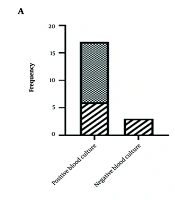
A study by Lockhart et al. (8) emphasized that oral bacteria, particularly from periodontal infections, are significant contributors to bacteremia, which may subsequently lead to endocarditis, especially in patients with risk factors such as prosthetic heart valves or previous IE. The study suggests that about 30 - 40% of patients with infective endocarditis have oral bacteria identified in their bloodstream. This highlights the importance of dental health in patients at risk for endocarditis.
In another study by Dhotre et al. (13), periodontal pathogens were detected in the blood samples of patients with infective endocarditis, further reinforcing the role of periodontal disease in the pathogenesis of IE. Their research indicated that approximately 15 - 20% of endocarditis cases were linked to oral pathogens, specifically from untreated periodontal disease.
These studies demonstrate that while periodontal disease contributes significantly to the risk of infective endocarditis, the exact percentage varies. Factors such as the severity of periodontal disease, the presence of risk factors for endocarditis (e.g., prosthetic heart valves or valvular heart disease), and the frequency of bacteremia from dental activities influence the likelihood of periodontal disease leading to endocarditis (17).
3.5. Prevention and Management
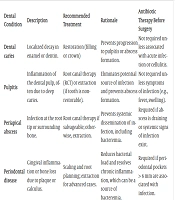
Given the increasing evidence linking periodontal disease to infective endocarditis, preventive measures are critical, particularly for those at risk for heart disease. The American Heart Association (AHA) recommends prophylactic antibiotics for patients with specific heart conditions, such as prosthetic heart valves or a history of endocarditis, before dental procedures that could induce bacteremia. This recommendation underscores the importance of maintaining oral health to prevent heart-related infections. In addition to antibiotic prophylaxis, maintaining good oral hygiene, including regular tooth brushing, flossing, and professional dental cleanings, is vital for reducing the bacterial load in the mouth. For individuals with existing periodontal disease, treatments such as scaling or surgical interventions can effectively control bacterial populations and mitigate the risk of endocardial infection (10, 20).
4. Conclusions
The association between periodontal disease and infective endocarditis highlights the importance of good oral health practices, especially for individuals with cardiovascular risk factors. Oral infections can introduce harmful bacteria into the bloodstream, which may then settle on heart valves, leading to endocarditis. Preventive measures, including regular oral care and early intervention in periodontal disease, are essential to reduce the risk of systemic complications such as infective endocarditis.