
1. Background
Aortic valve stenosis is the most frequent valvular cardiac disease in the developed world, accounting for a pooled prevalence of 12.4% in the elderly population (1). The estimated prognosis for symptomatic patients with severe aortic stenosis is poor, with a one-year mortality of 30-50% (2, 3). The traditional Aortic valve replacement (AVR) via median sternotomy approach, with a biological or mechanical prosthesis, has been shown to be a safe and efficient operation, and represents the “gold-standard” procedure for aortic stenosis treatment (1). However it was observed that nearly 30% of patients with severe aortic stenosis were inoperable for conventional AVR because of associated co-morbidities (2). Recently however; a great deal of concern has evolved over the need for developing newer technologies to deal with this challenge, and transcatheter aortic valve implantation (TAVI) was one of the proposed solutions which has been shown to reduce the mortality at 3-year follow-up in inoperable patients by nearly 26.8% (3, 4), with a special benefit for high-risk surgical candidates (5). Although the TAVI technique has been widespread in Europe and North America, concerns emerged regarding the associated complications, mainly paravalvular leakage, vascular complications, stroke, post-operative pacemaker implantation due to complete AV block, optimal access sites, long-term valve durability, and economic sustainability, therefore controversy remains about the ideal treatment of high-risk operable patients (5, 6). Recently, the technological progress of innovative surgical approaches has led to the development of the Sutureless aortic valves. The Perceval S bioprosthesis, which was CE approved in 2011, is a trileaflet bovine pericardial valve mounted on a self-expandable nitinol frame. Two ring segments on the proximal and distal ends of the valve are held together by connecting elements that support the valve and allow the prosthesis to anchor within the sinuses of Valsalva. The proximal (ventricular) ring has three loops through which temporary guiding sutures are passed. Perceval S is currently available in four sizes: small, medium, large, and X-large for aortic annuli ranging between 19 to 25 mm. The Sutureless aortic valve replacement (SU-AVR), avoids the placement of sutures after annular decalcification, which result in reduction in cross-clamp and cardiopulmonary bypass durations (7, 8), and may facilitate minimally invasive approach (9). SU-AVR by reducing the cross-clamp and cardiopulmonary bypass durations may help to minimize the postoperative mortality and morbidity particularly in high risk patients and those undergoing concomitant procedures (9, 10). There isn’t sufficient evidence-based data on the outcomes and performance of SU-AVR in aortic valve surgery in Iran, particularly regarding the long term outcomes of SU-AVR, and whether it is comparable with the current well-accepted procedures for patients with aortic stenosis, therefore an effort will be necessary to provide statistically significant multi-institutional evidence to evaluate this innovative technique.
There are three main types of sutureless aortic prostheses which are currently available on the market, including the 3F Enable (Medtronic, Minneapolis, USA), Perceval S (Sorin, Saluggia, Italy) and Intuity (Edwards LifeSciences, Irvine, USA) sutureless valves.
2. Methods
From July 2015 to August 2016, 11 patients with severe aortic stenosis who were candidates for aortic valve replacement were included in this study. Inclusion criteria were high risk patients who were over 65 years of age, were candidates for tissue valves, had a Sinu-tubular junction to aortic anulus diameter ratio ≤ 1.3 and were eligible for general anesthesia. As this was the first series of SU-AVR in Iran, older patients who met the inclusion criteria for Perceval prosthesis and were able to tolerate the extra-cost for the prosthesis, were scheduled for this procedure. The study subjects were aged from 65 to 86 years old with a mean age of 73 ± 8 years in whom 8 were male (73%). All the patients had been examined by TTE/TE both pre and postoperatively, and by TEE intraoperatively. CT aortography was only performed for one patient in order to better evaluate the ratio of sinutubular junction (STJ) to aortic anulus. All patients were followed from 3 to 20 months with a median of 13 months. All data were analyzed using SPSS version 18 (SPSS Inc. PASW Statistics for Windows, version 18.0. Chicago: SPSS Inc.). This study was approved by the local ethics committee in Rajaie Cardiovascular Medical and Research Center and written informed consents were also obtained from the patients.
2.1. Surgical Technique
Under general anesthesia and standard hemodynamic monitoring, median sternotomy was performed and heparin (3 mg/kg) was administered. Cardiopulmonary bypass machine was established and cardiac arrest was induced under mild hypothermia. The heart was arrested by antegrade cold blood cardioplegia in 8 patients, and combined retrograde and antegrade cardioplegia in 3 patients. A high transverse aortotomy is performed in a site distal to the sinotubular junction (STJ), thereby preserving an intact segment of ascending aorta cephalad to the device. Decalcification of the aortic annulus was performed, to create a smooth annular profile in order to reduce the risk of para-valvular leakage. Using the sizer that comes with the package, the suitable Perceval valve size is chosen. The specialized Perceval nominal sizer has two ends (transparent and white obturator) and needs to be inserted into the patient’s aortic annulus to check the size. The desired size of the Perceval valve must be the one in which the transparent side of the sizer crosses through the aortic annulus and the white side does not. In all our patients SU-AVR was performed by implantation of the Perceval S bioprosthesis. Three guiding sutures were used to accurately align the ventricular aspect of the Perceval S within the surgical annulus. These sutures were placed 2 mm below the nadir of the aortic annulus within the left ventricular outflow tract and then passed through the corresponding loops on the inflow ring. The design of the delivery system allows the Perceval S to be compressed by means of a proprietary collapsing process before implantation. After the valve was loaded and crimped onto the delivery device, it was parachuted along the three guiding sutures to a subannular position. Once positioned, the Perceval S was released from the holder by clockwise rotation of the top of the delivery system and subsequently 30 seconds of balloon dilatation was performed at 4 atmosphere (atm) of pressure for small and medium sized valves, and 4.5 for large and X-large sized valves. The guiding sutures were then removed. The valve was rinsed continuously during balloon dilatation with sterile water at 37°C to achieve full expansion and fixation of the nitinol stent against the intra-aortic wall. Then aortotomy was repaired using interrupted 4.0 polypropylene (PROLENE® Polypropylene Suture | Ethicon). In patients in need of CABG, distal anastomosis was performed after the resection of aortic valve. Proximal anastomosis was performed during cross clamping time, to prevent damage and distortion of the stent of the valve by aortic partial clamps. All patients had undergone pre-operative intra-operative transesophagial echocardiography (IOTEE) and post-operative IOTEE and the prosthetic valve function and position, transvalvular and para-valvular leakage, trans-aortic valve gradient; deairing, mitral valve status, and also left and right ventricular function were assessed. All patients had undergone transthoracic echocardiography before discharge from hospital and the above mentioned factors and also post-operative pericardial effusion were re-evaluated.
3. Results
3.1. Baseline Characteristics
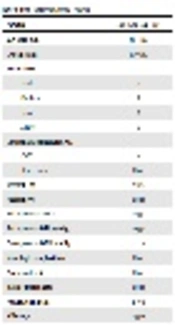
The presenting symptoms were exertional dyspnea in 8 patients, chest pain in 3 patients, and 4 patients had a history of syncope as well. Seven patients were in NYHA functional class II, two patients were in class III, and two were in class I. Seven patients had sinus rhythm and four had atrial fibrillation preoperatively. Seven patients had severe aortic valve stenosis, and four patients had moderate to severe aortic stenosis. Associated mild to moderate aortic insufficiency (AI) was detected in 10 patients, and moderate to severe AI in one patient. The aortic valve was bicuspid (type I) in one patients and two patients had RV dysfunction preoperatively. Preoperative patients’ characteristics are listed in Table 1.
Table 1.
Preoperative Patients’ Characteristics
| Variable | Mean ± SD | Range |
|---|---|---|
| Weight, kg | 60.8 ± 9.7 | 54 - 78 |
| BSA | 1.65 ± 0.04 | 1.59 - 1.72 |
| LVEF, % | 46.6 ± 4.0 | 40 - 50 |
| LVEDD, mm | 51 ± 0.5 | 45 - 56 |
| LVESD, mm | 42 ± 0.5 | 35 - 49 |
| Annulus size, mm | 19 ± 0.2 | 17 - 22 |
| valsalva sinus size, mm | 32 ± 0.4 | 28 - 37 |
| STJ size, mm | 28 ± 0.2 | 25 - 32 |
| Asc Ao size, mm | 32 ± 0.4 | 28 - 41 |
| AVPG, mmHg | 97 ± 25 | 72 - 135 |
| AVMG, mmHg | 58 ± 14 | 47 - 85 |
| PAP, mmHg | 31 ± 4 | 25 - 35 |
Abbreviations: Ao MG Pre Op, mean gradient preoperatively; Ao PG pre Op, peak gradient preoperatively; Asc Ao, ascending aorta; AVMG, trans-aortic mean gradient; AVPG, trans-aortic valve peak gradient; BSA, body surface area; LVEDD, left ventricular end-diastolic diameter; LVEF, left ventricular ejection fraction; LVESD, left ventricular end-systolic diameter; PAP, pulmonary artery pressure; STJ, sinotubular junction.
Moderate to high dose inotropes were needed postoperatively in one patient only. Mild paravalvular leakage was detected in 7 patients (63.6%) in intra-operative TEE; however the prevalence was much lower at the time of discharge and midterm follow-up. Also some degrees of transvalvular leakage was detected in 8 patients (72%) in early phase of intra-operative TEE, however after a short while as the patients get warmer the valve functions more optimal and the leakage diminishes (Table 2). Two patients needed transient pace maker for weaning from CBP machine but no patient developed complete AV block. Mean post-operative mediastinal bleeding was 480 ± 150 mL and no patient needed re-exploration for bleeding or tamponade management. ICU stay time was 3 ± 1.54 days, and there was no in-hospital mortality. Postoperative mean transvalvular gradient was 12 ± 7 mmHg. A significant improvement in the functional capacity of most patients undergoing AVR was observed, while 7 patients were in NYHA functional class I at a mean follow-up period of 7.5 months, and 3 patients were in class II. Three patients underwent concomitant coronary artery bypass grafting (CABG) in whom 2 patients received LIMA to LAD plus one saphenous vein graft and patient received 2 vein grafts (Table 3). All patients received dual anti-platelet therapy including ASA 80 mg and Clopidogrel 75 mg daily for 8 weeks and no warfarin was used for any of the patients in this study. All patients were discharged in good status and there was no mortality during follow-up period.
Table 2.
Prevalence of Paravalvular and Transvalvular Leakage
| Intra-op | Early Post-op | Follow Up | |
|---|---|---|---|
| Transvalvular leakage | |||
| None | 3 | 6 | 6 |
| Trivial | 1 | 2 | 3 |
| Mild | 4 | 2 | 2 |
| > Mild | 3 | 1 | 0 |
| Paravalvular leakage | |||
| None | 4 | 6 | 6 |
| Trivial | 3 | 3 | 4 |
| Mild | 2 | 2 | 1 |
| > Mild | 2 | 0 | 0 |
Table 3.
Intra- and Post-Operative Findings
| Variable | No. (%)/Mean ± SD |
|---|---|
| AOX time, min | 34 ± 13.3 |
| CPB time, min | 45 ± 16.3 |
| Perceval size | |
| Small | 4 |
| Medium | 3 |
| Large | 2 |
| X-large | 2 |
| Concomitant procedures, No. | |
| CABG | 3 |
| Other valves | None |
| Need for TPM | 2 (18) |
| Need for PPM | None |
| Post-operative LVEF, % | 46 ± 4 |
| Post-operative AVPG, mmHg | 29 ± 8 |
| Post-operative AVMG, mmHg | 12 ± 7 |
| Neurologic complications | None |
| Post-operative MI | None |
| Infectious problems | None |
| Ventilation time, h | 11 ± 3 |
| ICU time, d | 3 ± 1.5 |
Abbreviations: AOX, aortic cross clamp; AVMG, trans-aortic mean gradient; AVPG, trans-aortic valve peak gradient; CABG, coronary artery bypass graft; CPB, cardiopulmonary bypass; ICU, intensive care unit; LVEF, left ventricular ejection fraction; MI, myocardial infraction; PPM, permanent pace-maker; TPM, transient pace-maker.
4. Discussion
Aortic valve stenosis is the most frequent valvular cardiac disease in the developed world, accounting for a pooled prevalence of 12.4% in the elderly population (1). According to STS database, the number of high risk elderly patients had significantly increased within the past 20 years and the trend seems to continue to the future (11). Therefore less invasive management of such patients may decrease morbidity and mortality. In general sutureless valve like Perceval have been suggested for patients with technically challenging surgeries, sensible to cross clamp time and those who need a faster recovery. Recently however, a great deal of concern has evolved over the need for developing newer technologies to deal with this challenge, and transcatheter aortic valve implantation (TAVI) was one of the proposed solutions which has been shown to reduce the mortality at 3-year follow-up in inoperable patients by nearly 26.8% (3, 4). Although TAVI significantly reduces hospital stay, it is a lot more expensive and since the native valve remains intact, patients may still be at risk of transvalvular or paravalvular leakage and AV block. Compared to conventional AVR, Perceval is still more expensive due to low insurance coverage in Iran; however patients experience much lower in hospital stay, bleeding, blood transfusion, heart block and ultimately less early mortality which would make it more preferable for both patients and surgeons (12, 13). One of the major advantages of Perceval for elderly patients with small aortic anulus is that this tissue valve can create an optimal effective orifice area with much shorter aortic cross clamp time compared to other conventional stented bioprosthetic valves in such small anulus that may require aortoplasty for inserting a suitable size valve or Manougian procedures that ultimately extends aortic cross clamp time and consequently post-operation complications. In our study, patients with longer cross clamp time represent those who have undergone concomitant procedures like CABG where grafts, distal and proximal anastomosis were performed under aortic cross clamp. In early post-operation phase patients may experience some degrees of transvalvular leakage, however as the patients get warmer and by the passage of time, leaflet coaptation becomes more optimal and gradually resolve the problem. Therefore we do not see any transvalvular leakage in follow-up echocardiography. Although our patients received no warfarin and were only getting dual anti-platelets for 8 weeks, no thrombotic complications including valve thrombosis or cerebrovascular accidents were seen during follow-up. This can contribute to lower bleeding complications of warfarin and patients’ more satisfaction. We did not experience any re-exploration for bleeding or tamponade control that may diminish complications of blood product transfusion and overall outcome.
SU-AVR represent an important advance in the treatment of aortic valve disease, and is likely to lead to a revolution in the field of heart valvular surgery in the near future as this technique allows to minimize mortality and expand the indication of surgical treatment for high-risk patients who are otherwise inoperable (9).
In our series, the patients were high risk for conventional AVR, however, were not inoperable to indicate for TAVI. There was notable decrease in cardiopulmonary bypass time and cross-clamp time compared with our conventional AVR operations. There was not any incidence of complete AV block postoperatively, as this complication is common after TAVI (5, 6). During follow up period only one patient had mild paravalvular leak, but long-term follow-up is necessary.
The cost-benefit should be taken into consideration, and based on our early experience in this field it seems cost effective as it deceased the perioperative morbidity in such high risk patients.
It is important to confirm that for concomitant CABG, the proximal saphenous venous grafts should be implanted on the ascending aorta in one cross clamp technique to avoid compromising the stent of the implanted valve during placement of a side biting clamp.
Furthermore, the SU-AVR can be advantageous technique for minimally invasive heart valvular surgery.
4.1. Limitations
This case series describes the outcomes of a new technique in aortic valve replacement; however due to being recently used in our center and the fact that they were in learning curve, we decided to choose intermediate to high risk patients and exclude redo surgeries, minimally invasive procedures, patients with lower EF and multiple valve cases and the follow-up period was short (mean follow-up period was 13 months), therefore in order to achieve more reliable data, long-term follow up is required.
4.2. Conclusions
SU-AVR is an innovative, new approach which was recently introduced to the field of valvular surgery, and the evidence regarding its safety, efficacy, and potential complications is mainly derived from small-volume observational studies which are giving encouraging results; however, data and statistical analyses from the retrospective and prospective international registries are needed for scientific publications on short- and long-term efficacy, complications and hemodynamic outcomes of SU-AVR, as well as potential risk factors and prognosis. In conclusion, due to the fact that Perceval facilitates minimally invasive surgeries, future studies on this category, redo patients, those with lower EF and multiple valve surgeries is recommended to further evaluate its pros and cons in our country.