
1. Background
For many cancer patients, chemotherapy is not only a definitive therapeutic approach but also one way of prolonging the survival rate (1, 2). The goals of chemotherapy are to provide an effective treatment for some types of cancer, reduce the size of the tumor to the surgical level, restrict the spread of disease after surgery or radiotherapy, heighten the beneficial effects of radiotherapy, and ultimately develop more normal living conditions for people with cancer (2). Despite the therapeutic benefits of chemotherapy, some concomitant adverse effects on the quality of life and the amount of pain during treatment dissuade patients from completing the course of treatment. Therefore, devising various methods to control and reduce pain, especially in children undergoing chemotherapy, is a major challenge for treatment teams (2). If no appropriate relief measures are taken when children are undergoing painful chemotherapy procedures, they may link all nursing activities to pain and the feeling of fear might extend into adulthood (3).
One of the non-pharmacological methods for alleviating pain in children is the use of cognitive-behavioral interventions, which are inexpensive and easy to implement with a few side effects. These techniques include muscle relaxation, guided imagery, distraction, and dramatic exercise. These interventions can be highly salubrious in terms of lowering anxiety and distress among children who repeatedly experience painful injections (4). Some of the proposed methods are not tailored to the requirements of children whose cognitive function has not evolved. In fact, the chosen strategy should be appropriate to the severity of pain and child’s age (4). Distraction therapy is such a method that does not require advanced cognitive skills and is suitable for children. It is a technique that has proven effective in mitigating pain and managing behavioral stress symptoms in children who receive aggressive treatment and care. It has a variety of types, including visual distraction (watching TV and guided imagery), auditory distraction (massaging, gentle breathing, holding or petting animals, and using toys), and mental distraction (crosswords and puzzles, playing cards, collecting stamps, using bubble makers, and story-telling) (4, 5).
Distraction therapy is based on the fact that if reticular formations receive various sensory stimulations, they can selectively prevent and overlook the transmission of emotions like pain (6). In this method, one’s attention is distracted from painful stimuli and attracted to pleasant stimuli, leading to a general decline in the perception of pain. Compared to other similar methods, it has fewer complications and is less expensive. It does not impose adverse physical and psychological effects on the child. Furthermore, this method does not require much training and time to perform. More importantly, it is an independent nursing activity that is very appealing to young children (7).
Pain can cause physiological changes such as increased heart rate and respiration, sweating, erythema, decreased blood oxygen saturation, mydriasis, restlessness, and hypertension. If not controlled, pain might give rise to complications such as restlessness, anorexia, incontinence, insomnia, nutritional problems, hypoxia, metabolic changes, nighttime panic attacks, delayed recovery, prolonged hospitalization, disease exacerbation, memory and learning impairment, and even child mortality (6, 7). There are a number of studies confirming the effect of distraction techniques, such as using music and bubble toys, on balancing physiological indices like respiration, pulse, and SaO2 (8-10).
Nurses often make use of pain relief measures, but a few studies have addressed the validity of the techniques employed for this purpose. Hence, it is imperative to investigate the impact of conventional nursing interventions on pain relief (8, 9). In spite of numerous advances, pain relief is one of the most challenging clinical concerns of all child care providers in the hospital and community sectors. Providing comfort and relaxation for cancerous children when conducting painful procedures, such as intra-spinal injection of chemotherapy medications, is a major step towards establishing a close, satisfactory relationship between the patient and the treatment team. Other considerations explaining the rationale of the present study include the high cost of psychological and physical complications due to failing to relieve children’s pain; stress, incompatibility, and extreme fear of children’s family; transfer of this heavy cost to the community; lack of coherent studies and presence of research gaps; and the necessity for applied research in this field.
2. Objectives
The aim of the present study was to examine how distraction might influence physiological indices and the severity of pain caused by intra-spinal injection of chemotherapy drugs in cancerous children admitted to Ali Ibn Abitalib Hospital in Zahedan in 2017.
3. Methods
This two-group clinical trial utilized a pretest-posttest design. The statistical population included all cancer patients aged 6 - 12 years admitted to the Hematology Ward of Ali Ibn Abitalib Hospital of Zahedan for intra-spinal injection of chemotherapy drugs in 2017. Based on the study by Vosoghi et al. (10) and considering the mean SaO2 in the intervention and control groups, the test power of 80%, and the significance of 0.05, the authors estimated 39 individuals for each group. This was increased to 45 in order to ensure the adequacy of the sample size. After obtaining an introduction letter from the vice chancellor for research and information technology of Zahedan University of Medical Sciences and acquiring the required permits (code of ethics issued by the Ethics Committee, IR.ZAUMS, REC.1396.110), the researcher began the sampling process. Thus, we selected 90 eligible cancerous children aged 6 - 12 years who had been admitted to the abovementioned hospital for outpatient chemotherapy through convenience sampling. After explaining the goals of the study and obtaining informed consent from the parents, the researcher enrolled the subjects and next randomized them into the intervention (n = 45) and control (n = 45) groups.
The inclusion criteria were an intra-spinal injection prescription for the child by the specialist physician; orientation to time, place, and person as determined via oral questions designed to test the child’s alertness to person (identifying the mother), the time of day and night, and his/her location in the hospital; ability to communicate verbally; lack of seizure or any life-threatening emergency (heart disease, acute respiratory disorder, etc.); lack of taking painkillers via intra-spinal injection before starting chemotherapy; and completion of the consent form by parents or the legal guardian. On the other hand, the exclusion criteria were the lack of cooperation by the child or his/her family at each stage of research, child’s restlessness and intolerance of the research conditions, and death of the child during the study. The data collection instruments included a form for recording personal information, another form for recording physiological indices and finally, a pain assessment questionnaire. Personal and disease information included age, sex, the frequency of intra-spinal injection of chemotherapy drug, duration of disease, heart rate, and arterial oxygen saturation of children before and immediately after the intra-spinal injection. A pulse oximetry device (manufactured by Nonin Medical Inc.) along with a pediatric probe was used for measuring the heart rate and SaO2. A standard Oucher scale was employed to evaluate the pain severity. This tool was developed by Beyer (1984) to assess the severity of pain in children aged 3 to 12 years. It is one of the most reliable and widely used scales for the self-report of pain that uses the photographs of children’s face in painful situations (10, 11). This tool is used by pediatric health practitioners around the world, and studies have established its content and construct validity (11). It uses different photographs of children’s face in normal and upset moods taken from real children while experiencing real pain in hospitals. For use in children who are not capable of counting, this tool consists of six photographs that represent varying degrees of pain set vertically from bottom to up. The photographs are graded one to six, with one showing no pain, two representing mild pain, three and four standing for moderate pain, five denoting severe pain, and six indicating the most severe pain which the child goes through (11). A vertical table with numbers 0 - 100 is also used on the left side of the photographs. This numerical measure is used for children who are able to count. In this table, zero suggests no pain, one to 29 signify mild pain, 30 to 69 refer to moderate pain, 70 to 99 indicate severe pain, and 100 represents the highest imaginable pain (12).
The distraction intervention was implemented using an animated movie, a monitor, and music with headphones. After the physician’s order for intra-spinal injection of chemotherapy drug was checked in both groups, the heart rate and SaO2 of the subjects were gauged using the Nonin pulse oximeter when the child was sitting on the bed. In order to reduce children’s anxiety and attract their attention, the pulse oximeter was first connected to the researcher’s finger. After giving a full explanation and gaining their confidence, the researcher attached the device to the child’s finger. Thus, the heart rate and the degree of SpO2 were recorded in the form of physiological indices before injection. Then, children in the intervention group were asked to choose one out of three suggested cartoons: Shekarestan (Sugarland), Sponge Bob, and Tom & Jerry, broadcast by the Islamic Republic of Iranian Broadcasting. The steps of injection preparation included providing the injection kit, wearing sterile gloves by the physician, positioning the patient (sitting and forward head posture), disinfecting the injection site, and performing the injection. This procedure, lasting 10 minutes, was the same for all patients. During the injection period, the child watched his/her chosen cartoon from the monitor, accompanied by music listened through SONY headphones. This was sustained in the intervention group until the end of the injection, i.e. applying the bandage and pasting it. The duration of injection was calculated from the moment of needle penetration to pasting the injection site. Immediately after pasting, the heart rate and arterial oxygen saturation of both groups were re-evaluated and recorded in the form of physiological indices after injection.
The control group received routine care procedures. Ten minutes after chemotherapy and before making any intervention, the children were asked about the severity of pain caused by injection using the Oucher device. Specifically, they were encouraged to point to a number indicating the severity of their pain. The related number was then recorded. The assessment of pain and physiological responses, as well as the distraction intervention, was performed individually for each child.
Data were analyzed by SPSS version 20. In the descriptive section, frequency and percentage were used. In the inferential part, independent and paired t tests were employed. The chi square test was utilized to compare the frequency of qualitative variables. Moreover, the Fisher exact test and Kolmogorov-Smirnov test were adopted to assess the normality of data. The significance level was considered less than 0.05.
4. Results
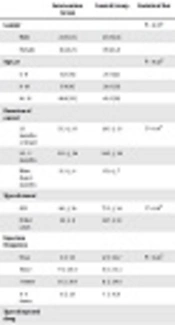
The final analysis was performed on 45 children in the intervention group and 44 in the control group. The results of demographic and clinical characteristics showed that the majority of the subjects were male (55%) with the mean age (SD) of 2.15 (0.86). Moreover, the duration of disease in most subjects was 2.5 - 5 months (53%) and most patients were affected by acute lymphoblastic leukemia (ALL) (78%). The injection drug in 91.1% of patients was methotrexate. Statistical analysis exhibited no significant difference between the two groups in terms of demographic and clinical characteristics (Table 1).
Table 1.
Comparison of Demographic and Clinical Characteristics, Distribution Frequency of Intra-Spinal Injection, and the Type of Medication in the Intervention and Control Groupsa
| Intervention Group | Control Group | P Valueb | |
|---|---|---|---|
| Gender | 0.74 | ||
| Male | 24 (53.3) | 25 (56.8) | |
| Female | 21 (46.7) | 19 (43.2) | |
| Age, y | 0.42 | ||
| 6 - 8 | 15 (33.3) | 12 (27.3) | |
| 8 - 10 | 8 (17.8) | 13 (29.5) | |
| 10 - 12 | 22 (48.9) | 19 (43.2) | |
| Duration of cancer, mo | 0.9 | ||
| ≤ 2.5 | 33.3 ± 15 | 29.5 ± 13 | |
| 2.5 - 5 | 53.3 ± 24 | 54.5 ± 24 | |
| > 5 | 13.3 ± 6 | 15.9 ± 7 | |
| Type of cancer | 0.8 | ||
| ALL | 80 ± 36 | 77.3 ± 34 | |
| Other cases | 20 ± 9 | 22.7 ± 10 | |
| Injection frequency | 0.46 | ||
| 1 | 11 ± 25 | 12 ± 26.7 | |
| 2 | 9 ± 20.5 | 15 ± 33.3 | |
| 3 | 13 ± 29.5 | 11 ± 24.4 | |
| 4 - 5 | 11 ± 25 | 7 ± 15.6 | |
| Type of injected drug | 0.68 | ||
| MTX | 41 ± 91.1 | 42 ± 95.5 | |
| Other drugs | 4 ± 8.9 | 2 ± 4.5 |
Abbreviations: ALL, acute lymphoblastic leukemia; MTX, methotrexate.
a Values are represented as frequency (%) or mean ± SD.
b Chi-square statistical test.
Comparing the mean arterial oxygen saturation of the intervention group before and after distraction revealed a significant increase from 95.42 ± 4.53 to 98.04 ± 2.20; the rise is this parameter, however, was not statistically significant in the control group. A statistically significant difference was found between the changes produced in the two groups (Table 2).
Table 2.
Comparison of Mean and Standard Deviation of Heart Rate, Changes in Arterial Oxygen Saturation, and Pain Intensity Before and After Distraction in the Intervention and Control Groupsa
| Group | Before Intervention | After Intervention | Change | P Valueb |
|---|---|---|---|---|
| Heart rate | ||||
| Intervention | 108.64 ± 13.36 | 104.00± 12.25 | - 4.64.±5.63 | < 0.001 |
| Control | 106.77 ± 10.45 | 108.84 ± 10.57 | 2.06 ± 5.92 | 0.02 |
| P valuec | 0.46 | 0.04 | < 0.001 | |
| Change in arterial oxygen saturation | ||||
| Intervention | 95.42 ± 4.53 | 98.04 ± 2.20 | 2.62 ± 2.58 | < 0.001 |
| Control | 95.70 ± 1.74 | 96.04 ± 2.03 | 0.34 ± 2.21 | 0.31 |
| P valuec | 0.64 | < 0.0001 | < 0.0001 | |
| Pain intensity | ||||
| Intervention | 35.11 ± 14.71 | |||
| Control | 42.50 ± 16.44 | |||
| P valuec | 0.02 | |||
a Values are expressed as mean ± SD.
b Paired t test.
c Independent t test.
The results of changes in the heart rate before and after distraction suggested a decreasing trend in the intervention group, resulting in more stable conditions. This change was statistically significant. Conversely, although there occurred significant changes in the heart rate among patients of the control group, they embodied an increasing trend which led to unstable conditions. Moreover, the heart-rate changes significantly differed between the two groups (Table 2).
The mean pain intensity due to intra-spinal injection was 35.14 ± 11.71 in the intervention group and 42.16 ± 50.44 in the control group. The independent t test showed that the mean score of pain intensity was significantly lower in the intervention group than in the control group (P = 0.02).
5. Discussion
The results demonstrated the significant positive impact of distraction on improving cardiac rhythm, as well as arterial oxygen saturation, and reducing pain intensity caused by the intra-spinal injection in children undergoing chemotherapy. These results are consistent with those reported by a number of similar studies.
In this regard, one may point to the study by Farrokhnia et al. (13) that examined 41 children with cancer to determine the effects of cognitive interventions on alleviating pain intensity and improving [unhealthy] heart rate and oxygen saturation due to blood sampling or injection of cerebrospinal fluid. Their results confirmed that distracting children’s attention by displaying a cartoon, solving a puzzle, or coloring a short story could significantly reduce pain intensity and heart rate and raise the level of SaO2 during sampling or injection of cerebrospinal fluids. These changes differed significantly between the two groups (P < 0.001), corroborating the findings of the present study.
The study by Vosoghi et al. (10) on children aged 3 to 6 years, admitted to the Emergency Ward of a Children’s Hospital in Rasht, showed that the mean heart rate and arterial oxygen saturation differed significantly between the intervention and control groups after applying distraction. Thus, they reported the scores of these variables changed to a lower degree and were more moderate in the intervention group.
Similarly, Sajedi et al. (14) concluded that non-pharmacological methods of pain control like distraction could significantly influence SaO2 so that children in the intervention group experienced more stable conditions in terms of arterial blood oxygen saturation after undergoing painful procedures.
The results of research by Lal et al. (15) concerning the effect of distraction on pain induced by venipuncture in children suggested that this strategy could significantly stabilize the heart rate and SaO2. Although the statistical population and the distraction technique used in these studies are different from those of the present study, the results are similar and verify the effect of distraction on physiological indices (heart rate and arterial blood oxygen saturation).
The intra-spinal injection of chemotherapy drugs is associated with pain in children with cancer, and various studies have depicted that distraction therapy is effective in reducing pain (10, 16, 17). Mitigating anxiety and pain, distraction allows patients to have deeper breathing; this, in turn, can enhance SaO2 (18). The present study demonstrated that distraction could reduce children’s pain and, therefore, decrease heart rate and increase SaO2.
The mean pain intensity was significantly lower in the intervention group than in the control group. In a study on 48 cancerous children admitted to Bouali Hospital in Ardabil (Iran), Mikaeili et al. (17) inferred that the mean pain score was significantly lower in the bubble-making group than in the group watching the cartoon; moreover, the mean pain score was significantly higher in the control group than in the two intervention groups. These results demonstrate that distraction techniques (cartoon watching and bubble making) help relieve children’s pain during chemotherapy.
In the same vein, the results of the study by Vosoghi et al. (10) indicated that the mean score of pain intensity in 3 - 6-year-old children after distraction was significantly lower in the experimental group than in the control group.
Eventually, a study by Yoo et al. (19) exploring the effects of distraction through watching animated programs using laptop computers on pain associated with venipuncture in 20 young children found that the severity of pain reported by the children was significantly lower in the intervention group than in the control group.
5.1. Conclusions
According to the results of the current study, it could be argued that distraction therapy has a favorable impact on the perception and feeling of pain and, hence, the improvement of hemodynamic indices of children. Thus, it could be deployed as an easy and low-cost intervention by nurses and other healthcare providers to control pain, encourage children’s cooperation in future admissions, and foster a positive experience of hospitalization and nursing activities.
Given the relatively few studies in this area, it is recommended that future researchers address the influence of various techniques of distraction therapy on the improvement of hemodynamic indices and reduction of pain intensity associated with injection in different age groups.