
1. Background
Heart failure (HF) is regarded as one of the most prevalent chronic diseases, leading to the hospitalization of multitudes of people around the world (1). It is a costly disease which can be debilitating and life - threatening (2). The prevalence of this condition varies from 2% to 4% in the general population and 2.3% to 16% in people over 75 years of age (3). In Iran, HF patients account for more than 25% of individuals hospitalized in internal and surgical wards (4). Negative outcomes of heart failure including dyspnea, chest pain, physical and psychological damage, frequent hospitalization, and increased health costs, as well as the risk of mortality, have exacerbated psychological problems and concerns, such as depression, among these people (5, 6). A meta-analysis by Rutledge et al. reported the prevalence of depression symptoms among HF patients between 9% and 60%, and the prevalence of major depressive disorder between 16% and 26%, meaning that one of every five patients experiences depression symptoms (7).
Depression is said to be a treatment inhibitor for cardiac patients, since it encourages the person not to accept his/her condition, reduces the incentive for treatment (8), prolongs illness, interferes with treatment and care, slows down improvement, and increases hospitalization (9). On the other hand, the coexistence of depression with a chronic disease such as heart failure can significantly decrease the quality of life and increase mortality, disability, the need for health services and consequently, treatment costs (10, 11). Moreover, following myocardial infarction, due to symptoms like restlessness and fatigue, depression considerably influences self-care behaviors after hospital discharge (8).
Self-care is one of the most helpful strategies for controlling heart failure (12). It denotes, first, maintaining behaviors that lead to physiological stability and, second, self-management or displaying behaviors that respond to signs and symptoms (9). Adherence to self-care behaviors is of paramount importance in HF patients (10). The study by Navidian et al. suggested that conventional self-care education is much less effective on knowledge and self-care behaviors of depressed HF patients than those of non-depressed HF patients. The authors recommended that appropriate new approaches ought to be adopted in management and education programs for HF patients with psychological problems like depression (13).
Today, treatment goals are increasingly focused on treatment acceptance, patient education, and self-care (14). Various studies have reported that 25% to 35% of chronic patients do not tend to take part in behavioral therapy programs; in this regard, they have introduced depression as one of the factors contributing to the lack of participation (14). The purpose of conventional education is to highlight the presentation and training but giving information is not enough to improve the self-care behavior and control the symptom illness (14, 15). It is well known that if psychological problems are overcome, the physical recovery of cardiac patients will accelerate. In HF patients, the importance of depression and its consequences confirms the urgent need for taking effective therapeutic measures (16). In this regard, multiple educational programs aiming at improving self-care behaviors of HF patients have yielded little therapeutic outcomes (17). Nor has providing written materials in the form of pamphlets or booklets significantly changed self-care behaviors of [these] patients (18).
Evidence proposes that although education, especially common traditional instructions, promotes people’s awareness and attitude, it does not improve their motivation to comply with drug and therapeutic regimens (19). In patients with psychiatric problems, it seems that the aim of treatment is not only to expedite the improvement of the current state of the illness, but also to maintain recovery and, if possible, reduce the likelihood of relapse (20). Therapists can also raise the possibility of recovery by administering the most effective treatment with the least side effects (21, 22). This has led to the emergence of specific psychological therapies along routine educational programs. Cognitive-behavioral therapy is an instance of such methods. It is an active, organized, and time-limited approach whereby cognitive-behavioral techniques are introduced into the patient’s environment through prescribing home-based tasks. In addition to enabling patients for logical thinking, the goal of this treatment is to find solutions for patients’ problems via cognitive-behavioral strategies. The short-term goal is to relieve symptoms, which paves the way for following the same strategies, in the long run, to solve life problems and prevent or at least mitigate future depression (20). In this method, the patient is encouraged to consider the relationship between negative automatic thoughts and depression, as a hypothesis to be tested, and next to use behaviors that are the outcome of negative automatic thoughts as a benchmark for assessing their validity or accuracy (23, 24).
Many authors have confirmed the effect of cognitive training on self-care and self-efficacy in hypertensive patients (25), the effect of psychological interventions on self-care in patients with chronic heart failure (26), the effect of cognitive-behavioral therapy on life quality, self-esteem, and psychological situation (27), and the effect of psychosocial intervention on depressed HF patients (28). The results of these studies indicate the point that the efficacy of cognitive-behavioral training is greater than the efficacy of conventional education programs (25-28). However, some other studies have observed contradictory results in regard to the effect of cognitive therapy (15, 29). Moreover, a few studies have evaluated the influence of cognitive therapy on heart diseases, especially heart failure (30).
In Iran, no study has been performed so far on the impact of cognitive-behavioral training versus conventional education on self-care behaviors in depressed HF patients. Specifically, previous [Iranian] researchers have not examined any combination of these training methods among these individuals. Moreover, no study has simultaneously considered psychological symptoms alongside self-care behaviors in depressed HF patients. Most studies on cardiac patients have been conducted with other approaches. It can be argued that the present study is unique in terms of study subjects, target community, and educational content.
2. Objectives
Thus, the aim was to determine if self-care behaviors in depressed patients with heart failure differ in the group receiving cognitive-behavioral education from the group provided with routine education.
3. Methods
This clinical trial was conducted with two groups and a pre-test - post-test design in 2018. The study was approved by the Research Committee of Zahedan University of Medical Sciences under the code IR.ZAUMS.REC.1397.175. After making the required coordination with the heads of the two teaching hospitals (Ali-ibn-Abitaleb and Khatam-al-Anbiya), the researcher explained the study goals to the participants and obtained their written informed consent. Next, the sampling process commenced. The study population comprised all HF patients admitted in 2018 to the cardiology wards of the two hospitals affiliated to the Zahedan University of Medical Sciences. Convenience sampling was employed to choose qualified patients based on the inclusion criteria. Considering that the study targeted depressed patients with heart failure, in case of meeting the general characteristics, patients were assessed by the Beck depression inventory (BDI) to identify those with a score of above 21. Then, a clinical psychologist ascertained the depression state of HF patients via clinical observations and mental status examination (MSE).
The sample size was determined based on the mean and standard deviation of self-care score reported in two previous studies carried out in Zahedan by Seraji et al. and Navidian et al. (31, 32). Moreover, given a 95% confidence interval and a 95% test power, and according to the study by Mangulian et al., the authors estimated 23 individuals required for each group using the following formula:
However, given the sample size of similar studies in Iran and considering the possible attrition, the authors eventually chose 40 patients for each group (total sample size = 80).
The patients’ criteria for entering the study included willingness to participate, definitive diagnosis of heart failure based on the cardiologist’s opinion as recorded in the patient's profile, a minimum score of 21 from the BDI and depression confirmation based on MSE performed by a clinical psychologist, absence of other known psychiatric disorders as determined via examining the patient’s records by the clinical psychologist, ejection fraction (EF) of below 40%, residence in Zahedan, full alertness and awareness, lack of substance abuse, no simultaneous participation in rehabilitation, counseling, or other kinds of educational programs, a history of heart failure for at least six months, and no communication disorder. The exclusion criteria, on the other hand, were a critical status of heart failure, death or any other unexpected event during the study, discharge before one week, and absence in more than one treatment session.
For random assignment to groups, each patient was asked to choose a ball from a box containing 80 colored balls. There were 40 white colored balls in the box representing the conventional training group and 40 red colored balls standing for the cognitive-behavioral training group. The balls had been randomly put in the box. Each participant picked up one ball randomly to be assigned to either of the groups according to the color of the ball. This process continued until no ball left in the box. After referring to the research setting and registering eligible patients, the authors specified the membership of each patient, who subsequently underwent his/her related intervention. From the second day of hospitalization, patients in the conventional training group first completed the pretest questionnaires and then attended four routine training sessions. The content of the sessions is given in Table 1. Instructions were provided for the patients face to face using a variety of audiovisual instruments during four consecutive days. The patients belonging to the cognitive-behavioral training group received five sessions of cognitive-behavioral training on a daily basis. Each session lasted 90 - 100 minutes on average with one break. The materials were presented at the patient’s bedside according to Table 2. Considering the sample size, type of intervention, and individual differences of patients, it was necessary to provide part of the intervention over the telephone after the patient’s discharge. Possible questions of [discharged] patients were answered in the same way. The post-test stage was done eight weeks after the end of the intervention, in which both groups filled out the same questionnaires again. This stage was accomplished either when the patient returned to the hospital or when he/she was at home.
Table 1.
The Structure and Content of Conventional Training Sessions
| Session | Educational Content |
|---|---|
| First | Definition of heart failure, causes, symptoms, and signs of the disease |
| Second | Reviewing the previous session, importance of self-care, diet, weight control, rest and activity, measuring urine volume |
| Third | Reviewing the previous session, screening signs of disease and necessary measures, vaccination, alcohol and tobacco restrictions, importance of medication |
| Fourth | Reviewing the previous session, short video presentation, raising and answering questions about the topics discussed, concluding |
Table 2.
The Structure and Content of Cognitive-Behavioral Training Sessions
| Session | Educational Content |
|---|---|
| First | Living with heart failure: Knowledge transfer about heart failure, signs and symptoms, causes, care, and treatment |
| Second | Depression and heart failure: Reviewing the previous session, knowledge transfer about identifying depression, relationship between depression and heart failure, identifying concerns about depression, depression treatment |
| Third | Behavioral activation: Reviewing the previous session, relationship between behaviors, thoughts, and creation, identifying automatic thoughts, behavioral assessment, behavioral education, outlining favorite behaviors |
| Fourth | Problem - solving coping strategy: Reviewing the previous session, patient’s perception of problems, teaching problem-solving skills and reacting to difficulties in constructive ways, problem-solving rehearsal |
| Fifth | Spiritual evolution and conclusion: Reviewing the previous session, cognitive rehabilitation, self-monitoring, making a checklist for coping with potential obstacles |
To develop the content of cognitive-behavioral training, the authors reviewed previous related studies (16, 27, 33) and thus, prepared the initial materials. Next, the results were presented to a number of related faculty members including physicians, nurses, counselors, and clinical psychologists. After the experts’ comments were applied, the eventual format of the sessions was drafted. The intervention was carried out by a M.Sc. student of psychiatric nursing who was experienced in teaching heart patients.
The content of conventional training was derived from previous Iranian studies, such as Seraji et al. and Navidian et al., which had been performed on HF patients (13, 31).
The instrument used in the study was a questionnaire consisting of three parts. The first part covered demographic and clinical characteristics such as age, sex, marital status, occupation, education, and duration of the disease. The second part included the second version of the Beck depression inventory (first developed in 1961 by Aaron Beck, Becquard, Mendelssohn, Mark, and Arbab). This scale has 21 multiple-choice questions scored between 0 and 3, representing different degrees of mild to severe depression. The minimum and maximum scores in this test are 0 and 63, respectively. The cut-off point of this tool is 21. It measures the physical, behavioral, and cognitive symptoms of depression. A person’s overall score is obtained directly by summing the individual scores of each dimension. The validity and reliability of this tool were investigated and confirmed by Dabson et al. in 2007 (34). In Iran, these criteria were similarly examined and verified by Hamidi et al. (35).
In the third part, the self-care of heart failure index version 6.2 (SCHFI V. 6.2) was employed. This scale was introduced by Riegel in 2004 (36). In 2009, the designer modified its grading method (37). It is a reliable tool for measuring self-care in HF patients. The tool consists of 22 questions and three subscales (self-care behaviors, self-care management, and self-confidence). Responses are in the form of multiple - choice expressions scored between 1 and 4, showing different degrees of self-care behaviors. The raw scores are converted to 100 points scale, so the final scale ranges from 0 to 100. Lower scores indicate lower self-care and higher scores suggest greater self-care. The validity and reliability of this questionnaire were confirmed in Iran by Seraji et al. and Zakerimoghadam et al. (31, 38).
After codification, the data were analyzed in SPSS V. 21. First, central and dispersion indices including frequency, percentage, mean, and standard deviation were determined by means of descriptive statistics. The chi-square test was used to analyze the data and compare qualitative variables of the two groups. The independent t-test was used to compare quantitative variables between the two groups. The paired t-test was used to compare quantitative variables in each group before and after the intervention. The significance level of the study was P < 0.05.
4. Results
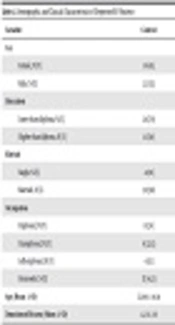
The results showed that the mean age of patients was 52.35 years, and the mean duration of the disease was 4.3 years. Most patients were female (57.5%), married (88.77%), and housewife (41.25%), and had below high school education (72.5%). There was no significant difference between the two groups in terms of demographic characteristics (P > 0.05) (Table 3).
Table 3.
Demographic and Clinical Characteristics of Depressed HF Patientsa
| Variable | Control | Intervention | P Value |
|---|---|---|---|
| Sex | 0.65b | ||
| Female | 18 (45) | 16 (40) | |
| Male | 22 (55) | 24 (60) | |
| Education | 0.5b | ||
| Lower than diploma | 28 (70) | 30 (75) | |
| Higher than diploma | 12 (30) | 10 (25) | |
| Marital | 0.9b | ||
| Single | 4 (10) | 5 (12.5) | |
| Married | 36 (90) | 35 (87.5) | |
| Occupation | 0.68b | ||
| Employed | 8 (20) | 6 (15) | |
| Unemployed | 9 (22.5) | 10 (25) | |
| Self-employed | 6 (15) | 8 (20) | |
| Housewife | 17 (42.5) | 16 (40) | |
| Age, y | 53.08 ± 10.11 | 51.63 ± 8.33 | 0.48c |
| Duration of disease | 4.2 ± 2.9 | 3.75 ± 1.54 | 0.3c |
aValues are expressed as mean ± SD or No. (%).
bChi-square test.
ct-test.
The findings showed that the mean score of self-care behaviors in the cognitive-behavioral group increased from 38.97 before the intervention to 65.14 after the intervention. In the conventional education group, this score decreased from 36.27 before the intervention to 35.59 after the intervention. The independent t-test demonstrated that the mean scores of self-care behaviors in depressed HF patients differed significantly between the two groups after the intervention (P < 0.001) (Table 4).
Table 4.
Self-Care Score in the Intervention and Control Groups in Depressed HF Patients Before and After Cognitive-Behavioral Education
| Variable | Before (Mean ± SD) | After (Mean ± SD) | Paired t-Test (Before - After) |
|---|---|---|---|
| Intervention | 38.97 ± 9.31 | 65.14 ± 7.01 | P < 0.001 |
| Control | 36.27 ± 8.92 | 35.59 ± 8.25 | P = 0.76 |
| Independent t-test | P = 0.19 | P < 0.001 |
5. Discussion
The results of the study exhibited that integrating new approaches like the principles of cognitive-behavioral therapy into conventional treatment methods and educational programs will increase motivation, commitment, and the active role of patients in relieving the disease symptoms and finding appropriate strategies to solve life problems (20), reduce resistance and barriers, change and correct beliefs and attitudes, and promote the effectiveness of conventional methods. In fact, when cognitive-behavioral insights are deployed for teaching and improving self-care behaviors, patients’ adherence to these behaviors boosts, compared to the time when they are exposed to ordinary training programs (39).
In contrast, providing written materials in the form of pamphlets and booklets does not lead to a noticeable growth in patients’ self-care behaviors (18). Even though routine training can enhance awareness and attitude, it falls short of stimulating a person to adhere to pharmaceutical and therapeutic regimens (19). Hence, it seems that using novel programs and therapeutic measures in these patients becomes ever more essential since the purpose here is not only to accelerate recovery of the current state of the disease but also to sustain recovery and prevent relapse (20).
Recently, rehabilitation programs that target psychosocial factors within cognitive-behavioral therapy frameworks have been highly beneficial for cardiovascular patients, including those with heart failure (27). Investigating the effects of psychological interventions on self-care and mental health outcomes in patients with congestive heart failure (CHF), Jiang et al. observed that despite the heterogeneity between studies, these interventions fostered self-care behaviors in CHF patients (26). However, when heart failure is accompanied by psychological problems such as depression, the need for interventions based on different psychological approaches appears to be much more pronounced. In such cases, ordinary training programs are not conducive to promoting patients’ self-care and adaptation by prompting them to stay with treatment (13).
Examining the effect of instructing self-care behaviors based on motivational interviewing rooted in cognitive-behavioral education, Navidian et al. reported that, compared to ordinary self-care education, this training entailed a greater impact on self-care behaviors, as well as self-efficacy in symptom management (19).
The results of the present study displayed that self-care education based on the principles of cognitive-behavioral therapy helps boost the self-care capacity of depressed patients with heart failure. Similarly, Freedland et al. observed that treatments based on cognitive-behavioral therapies could positively affect self-care behaviors such that they reduced anxiety, improved social performance, and promoted the quality of life, thereby increasing patient’s adjustment to the disease (40).
Exploring the applications of cognitive-behavioral approaches in Filipino HF patients, Cajanding concluded that nurse-led cognitive-behavioral therapies could heighten psychological adaptation and internal motivation of patients for sticking to therapeutic programs by improving their psychological quality of life and raising their self-esteem (27).
In line with the present study, Khayam Nekouei et al. reported that using cognitive-behavioral interventions along other medical treatments was a rewarding way of enhancing the quality of life of cardiac patients (1). Evidence confirms the favorable effect of other psychological interventions on different variables associated with heart failure. One such study was done by Sherwood et al., which indicated that instructing effective coping skills over the phone accelerated self-management and self-care behaviors and diminished various psychological problems (41).
One of the inhibitory factors in treating HF patients is their common negative thinking. This undesirable self-concept is correlated with inappropriate physical function, poor quality of life, disability in playing roles, and shorter life expectancy (42). Moreover, these thoughts and negative emotions tied to depression may discourage patients from accepting the disease, lower their incentive for treatment (8), prolong the course of illness, interfere with the treatment and care process, delay recovery, and cause frequent hospitalization (9).
The goal of cognitive-behavioral therapies is to excavate this negative thinking in patients and help them identify their core beliefs that affect their emotions. This is supposed to enable them to understand the negative and recurrent nature of these thoughts and thus, raise their adjustment through developing cognitive patterns based on healthy and sound insights. These positive changes in patients’ cognitive schemas lead to the formation of healthy behaviors and the promotion of self-care as well as self-concept (43). In this method, cognitive-behavioral techniques are regarded as skills that are introduced into the patient’s environment through home-based tasks. The purpose of treatment is to apply cognitive-behavioral teachings in solving patient’s problems. The short-term objective of this training is to relieve symptoms so as to implement the same strategies to solve future life problems in the long run and, as a result, encourage adaptation (20).
In the present study, training self-care behaviors via deploying cognitive therapy principles proved to be fruitful. This is compatible with the results of research by Javadzade et al. that addressed the role of psychological factors in self-care among patients with hypertension (25). Meanwhile, cognitive education that focuses on mitigating negative thinking by stopping thought and affirmation may be a convenient intervention in raising the incentive to comply with treatment in HF patients (37). In this regard, individuals’ perception of the advantages of adopting a certain behavior (perceived benefits) and its barriers (perceived barriers) clearly influences patients’ compliance with self-care (44).
One can explain the improvement of self-care behaviors in the present study by observing that self-care education based on cognitive-behavioral or other psychological training focusing on cultivating coping skills and symptom management can help augment adaptation in HF patients. This rise in patients’ psychological adjustment, in turn, results in developing their self-care behaviors.
The specific study population of the present study, which included depressed patients with heart failure (not just anyone with a heart problem) was somehow a novelty of this study. However, one has to be cautious in generalizing the findings. This is not least due to possible differences in the quality of health services offered in various regions of Iran. In this study, the impact of cognitive-behavioral education on self-care was examined and verified. Therefore, it is suggested that future studies address other related psychological and clinical variables and inquire into their long-term effects.
5.1. Conclusions
Despite the positive impact of cognitive-behavioral education, compared to conventional training, on improving self-care behaviors, a lot remains to be done in regard to studying various approaches and methods of improving patients’ self-care behaviors. Nevertheless, according to the results of this study, it seems that cognitive-behavioral training is an effective and highly beneficial approach. HF patients are faced with multiple psychological problems and require appropriate care and motivation to upgrade their adaptation and adherence to treatment.
Since nurses play a decisive role in the treatment and improvement of physical and mental health of all patients, especially HF patients, they can provide better and more effective psychosocial support than other members of treatment teams. Healthcare providers can reinforce conventional training programs by integrating the principles of cognitive-behavioral therapy into the process of educating these patients who suffer not only from physical problems but also from psychological ones. Instructing HF patients about self-care behaviors based on theories of behavior change, like the one explored here, is a real necessity all over the world, given the ever-increasing expansion and application of cognitive-behavioral educations in diverse areas of health.