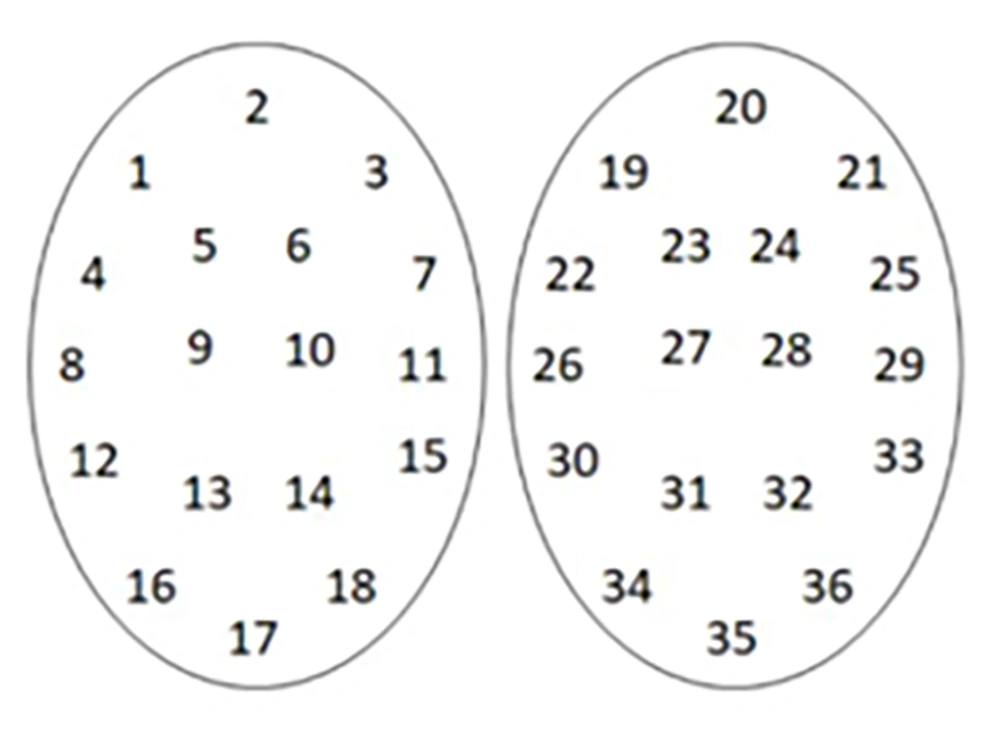
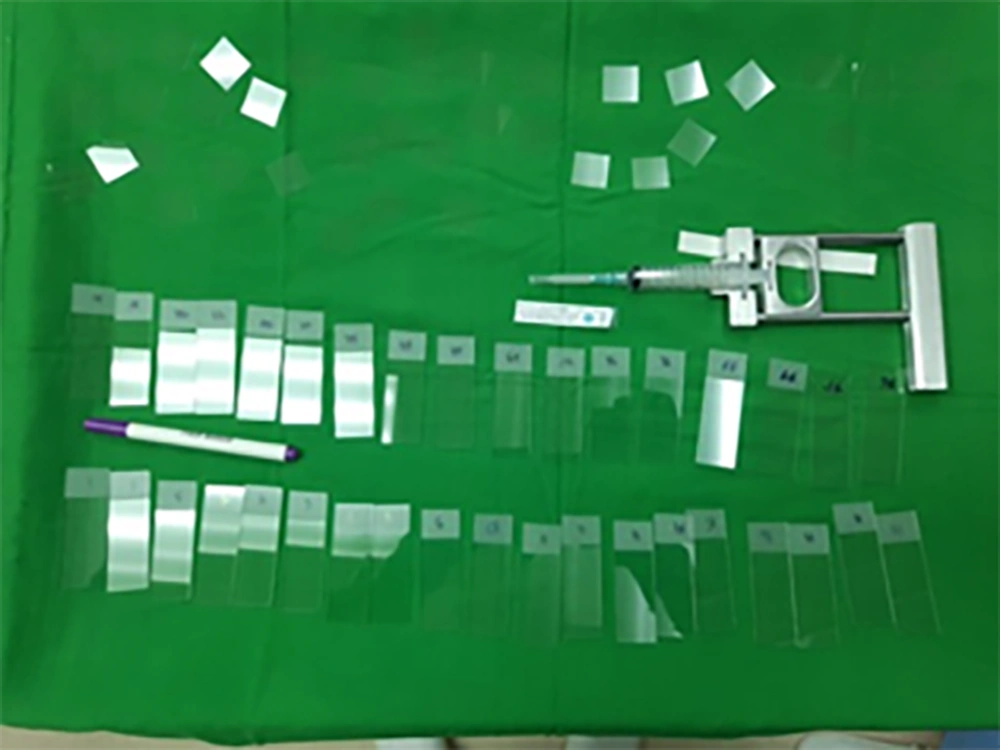
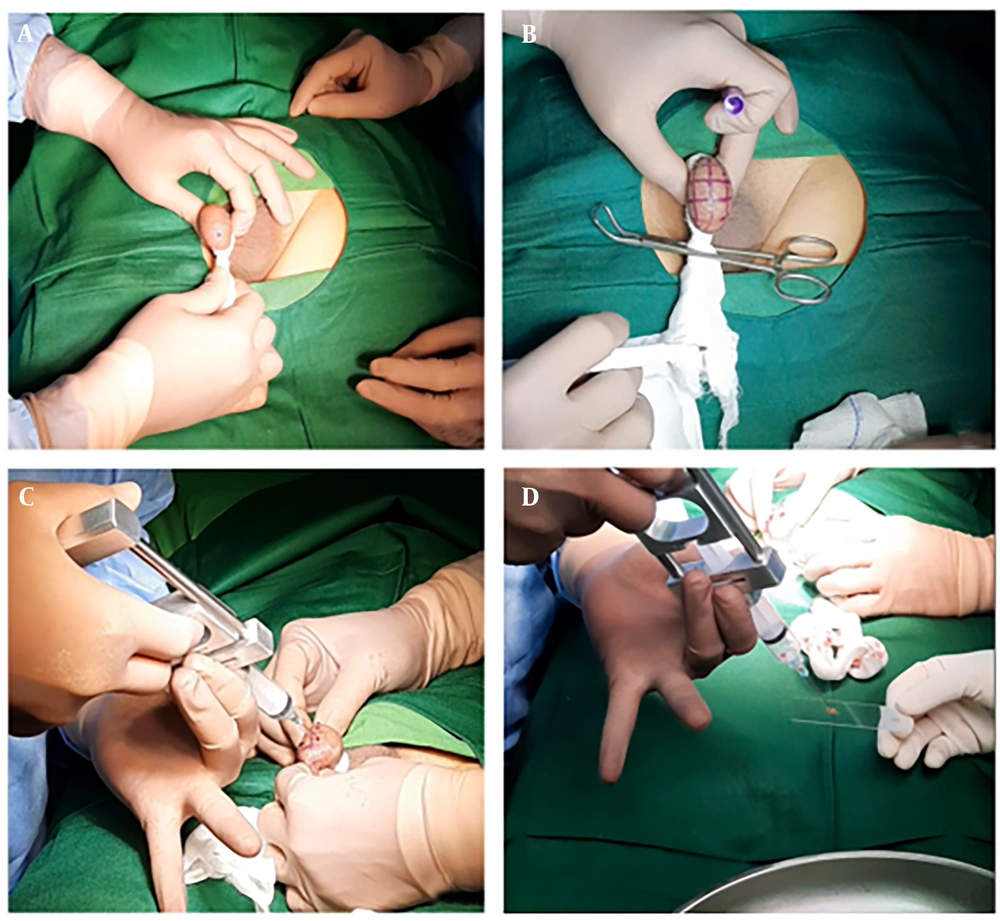
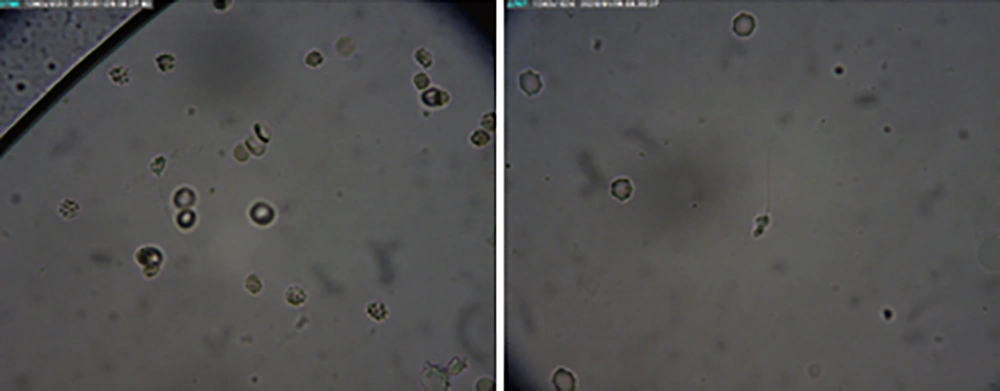
The NOA is often considered the most severe spectrum of male infertility. The etiology of azoospermia is idiopathic in 13.3% of cases; hence, complete screening to determine the underlying cause for NOA is compulsory. Ideally, all underlying causes should be treated before the sperm retrieval procedure (
1).
Sperm retrieval in NOA is a very complex matter. Focal spermatogenesis in NOA has made it very difficult for surgeons to achieve sperm retrieval success. The best sperm retrieval method available is microTESE, with a sperm retrieval rate of 42% - 63%. As good as it may be, the odds are still not satisfying. Testicular mapping biopsy has provided a solution to this matter by taking a minimal amount of testicular tissue to create a map of the patient's testis. This "map" will then be used for future sperm retrieval procedures, enabling a less invasive, targeted, and tailored procedure for each patient (
2,
13). Moreover, testicular mapping biopsy has been proven to successfully extract sperm from patients with previously failed TESE/microTESE (
16).
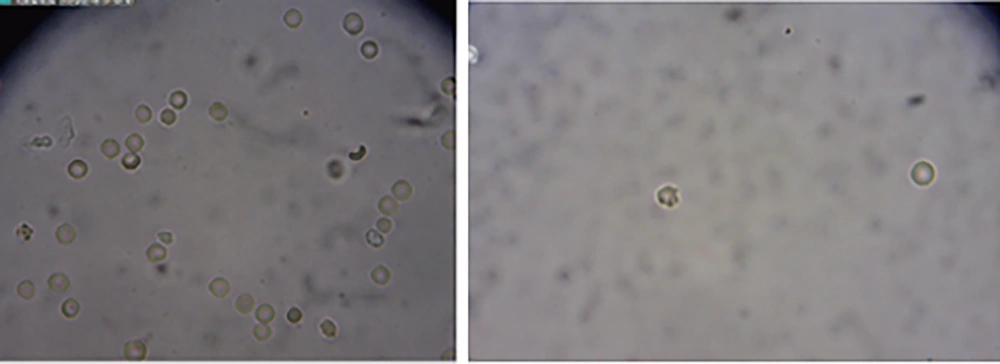
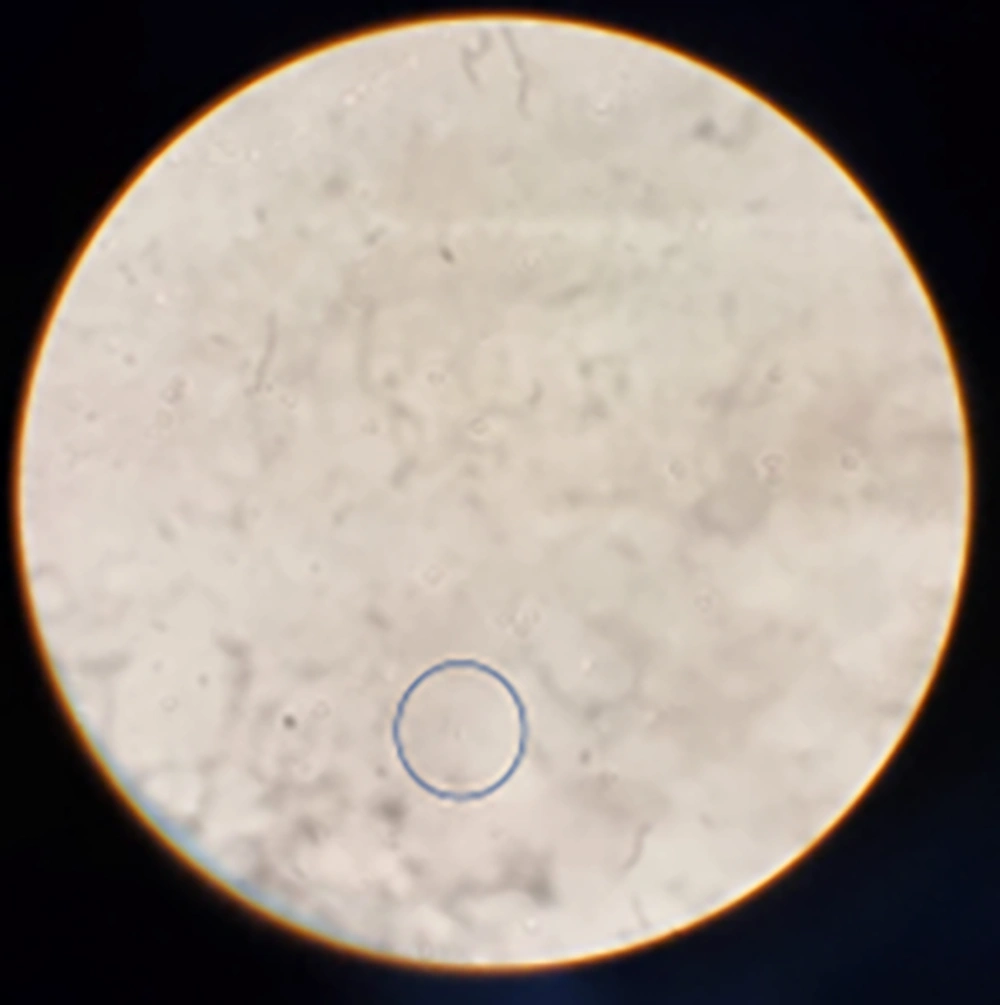
Our first experience with Testicular Mapping Biopsy in Indonesia shows promising results, with a 57.14% (4/7) sperm retrieval success rate. Targeted sperm retrieval can be performed in these patients after thorough counseling. Among all cases, four had undergone previous TESE, and two out of these four (50%) patients had successful sperm retrieval by testicular mapping biopsy after previously failed TESE. Our results are coherent with previous findings by Shefi et al., who reported an overall sperm retrieval rate for testicular mapping biopsy of 67.85% (
18). This study further analyzed the sperm retrieval rate for known testicular pathologies, with the highest rates for epididymo-orchitis and mumps orchitis (100%), followed by cryptorchidism (69%), testicular torsion (67%), and the least successful being varicocele (63%) (
18).
Based on recommendations from the EAU Guideline, further andrological assessment is recommended when there are at least two abnormal sperm analyses (
1). We performed these assessments and found different underlying causes for each of our cases. Of all patients, only case 4 presented with secondary infertility. Every case's sperm analysis showed azoospermia. Among all patients, three out of six cases (50%) presented with abnormal hormonal parameters, specifically cases 2, 4, and 6. Varicocele was present in all cases except case 6. Case 5 had left-sided varicocele only, and case 3 had bilateral recurrent varicoceles. The rest of the cases had bilateral varicocele. In a study in Europe, varicocele is responsible for 14.8% of all male infertility cases and 10.9% of all azoospermic patients. A meta-analysis by Birowo et al. summarized the benefits of varicocele repair for male infertility, showing a significant increase in pregnancy rate with an OR of 1.82 (95% CI 1.37 - 2.41) (
24). Among the azoospermia subgroup, the benefit favors varicocele repair with an OR of 2.34 (95% CI 1.03 - 5.35), although these findings are not statistically significant. Among patients with subnormal semen parameters, varicocele repair increases the pregnancy rate with an OR of 1.74 (1.27 - 2.38) (
24).
The detailed clinical, hormonal, genetic, and histopathological characteristics of the seven cases are summarized in
Table 3. In terms of varicocele, its presence may impair spermatogenesis through mechanisms such as elevated scrotal temperature, hypoxia, and oxidative stress. Some patients in our series had clinical varicocele but did not undergo varicocelectomy prior to mapping, which might have influenced their sperm retrieval outcomes. Although varicocelectomy has been shown to improve spermatogenesis in selected NOA patients, the timing of mapping — whether before or after varicocelectomy — remains controversial. We acknowledge this variation as a limitation and have added a paragraph in the Discussion to emphasize the need for standardized pre-mapping assessment and treatment of varicocele. Further studies are warranted to investigate the impact of prior varicocelectomy on mapping biopsy outcomes.
| Case | Patient Initials | Infertility | Sperm Analysis | FSH | LH | Testosterone | Varicocele | Testicular Biopsy | YCM | gr/gr Deletion | Testicular Mapping Biopsy Result | Previous TESE Result | Adverse Effect |
|---|
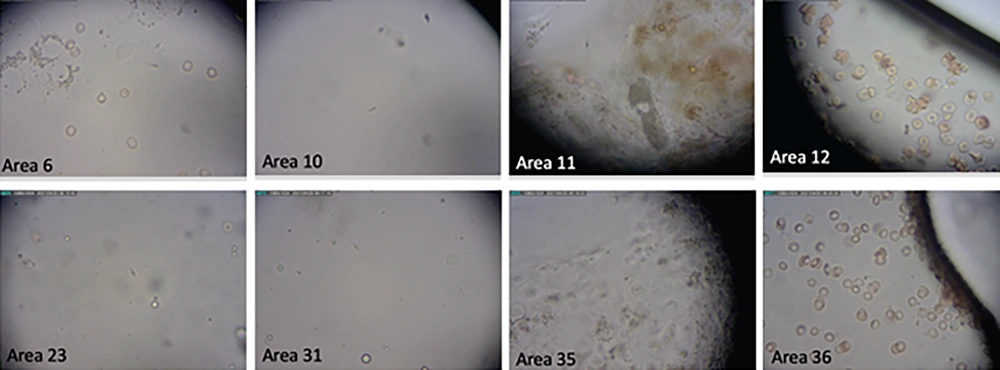
| 1 | IWPAP | Primary | Azoospermia | 2.45 | 6.10 | 4.07 | Bilateral varicocele | 7.0, 7.0 | Negative | No deletion | Non-motile spermatozoa were found in site 3, 23, 26, 28 36 | No spermatozoa was found | No adverse effect |
| 2 | PEH | Primary | Azoospermia | 15.78 | 3.95 | 3.39 | Bilateral varicocele | - | Negative | +/+ | No spermatozoa was found | - | No adverse effect |
| 3 | LTH | Primary | Azoospermia | 3.9 | 3.7 | 4.59 | Bilateral recurrent varicocele | 8.0, 7.0 | Negative | Not yet | Non-motile spermatozoa were found in sites 6,10,11,23 ,31,35,36 | 1 - 2 non motile spermatozoa were found in several high-power field | No adverse effect |
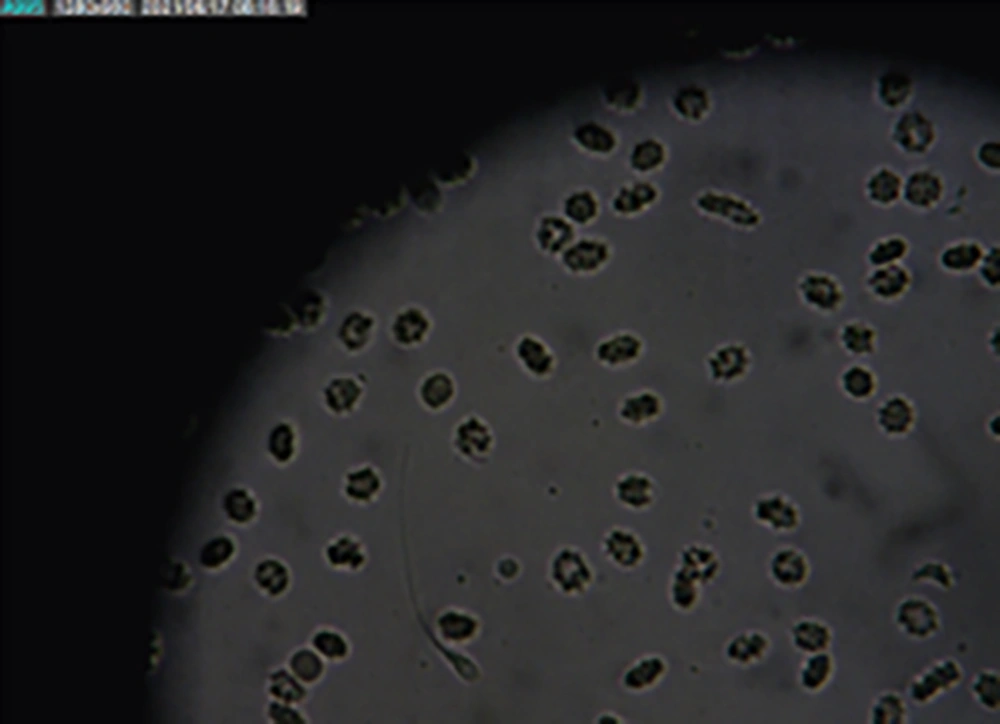
| 4 | AS | Secondary | Azoospermia | 26.31 | 8.89 | 4.36 | Bilateral varicocele | 5.0, 5.0 | Not yet | Not yet | Non-motile spermatozoa was found in site 12 | No spermatozoa was found | No adverse effect |
| 5 | ANA | Primary | Azoospermia | 4.99 | 2.63 | 7.41 | Left varicocele | 2.0, 2.0 | Negative | No deletion | Not Found | No spermatozoa was found | No adverse effect |
| 6 | HHT | Primary | Azoospermia | 16.06 | 6.01 | 5.00 | No | - | Negative | Not yet | Non-motile spermatozoa was found in site 25 | - | No adverse effect |
| 7 | WD | Secondary | Azoospermia | 20.8 | 48.7 | 4.9 | Bilateral varicocele | 4.0, 4.0 | Negative | Not yet | Not found | No spermatozoa was found | No adverse effect |
Abbreviations: FSH, follicle-stimulating hormone; LH, luteinizing hormone; YCM, Y-chromosome microdeletion; TESE, testicular sperm extraction.
Testicular biopsy was performed in five cases, as recommended by the EAU guideline (
1). The testicular biopsy results were classified using the Johnsen score (
Table 2). Among our cases, the most severe testicular histopathology result was a Johnsen score of 2.0 for both the right and left testes, indicating no germ cells present. The YCM analysis was performed in five cases, all of which presented with negative YCM. Y-chromosome deletion is a known etiology for male infertility, and these deletions were not found among men with normal sperm analysis. The YCM is very rare in men with sperm concentrations of > 5 million/mL but is commonly found in men with azoospermia (8 - 12%) and men with oligospermia (3-7%) (
1). We performed YCM analysis as recommended by the EAA/EMQN best practice guideline (
25).
Regarding the discrepancy between higher Johnsen scores and failed sperm retrieval: Although the Johnsen score reflects the degree of spermatogenic activity in examined seminiferous tubules, it does not fully represent the entire testicular architecture, particularly in patients with NOA. Spermatogenesis in NOA is known to be patchy and focal, and testicular mapping may miss isolated foci of sperm-producing regions despite relatively high histological scores. Additionally, mechanical limitations during aspiration, tissue fragmentation, or lab handling may influence the final outcome of sperm detection.
We performed gr/gr deletion screening in three cases, with one case showing a positive gr/gr deletion (case 2). Gr/gr deletion is a new type of Yq deletion described in the AZFc region (
1). This particular region is very susceptible to non-allelic homologous recombination (NAHR), resulting in the formation of partial deletions/duplications. Previous studies have shown that deletion in this specific site increases the risk for oligozoospermia by 2.5 - 8 times and also increases the risk for infertility (
25). Moreover, a meta-analysis study from Italy has shown gr/gr deletion as a significant risk factor for poor sperm production with an OR of 7.9 (95% CI 1.8 - 33.8) (
26). There is still a debate among experts about whether routine screening for gr/gr deletion should be performed for infertile males (
1).
No adverse effects were reported in all cases. While previous studies noted complications such as hematomas, infection, hypogonadism, and testicular devascularization, the only notable adverse effect was prolonged pain for three days in 3 out of 85 patients who had undergone testicular mapping biopsy (
19,
20). A retrospective study reported two different complications after testicular mapping biopsy: Spermatic cord hematoma (1.2%) and painless gross hematospermia (3.65%). None of these complications occurred in our cases.
From our experience with testicular mapping biopsies, we observed several advantages and disadvantages during the procedures, which are summarized in
Table 4.
| Advantages | Disadvantages |
|---|
| Higher accuracy for sperm retrieval | The necessity of fresh egg retrieval, female partner may undergo unnecessary procedures |
| Less postoperative complications (hematoms, infections) | Time-consuming for next sperm retrieval |
| Minimum testicular atrophy and hypogonadism risk | Costly compared to only conventional sperm retrieval |
This study is a case series with a limited sample size, as testicular mapping biopsy has only been performed seven times in Indonesia. Additionally, due to the retrospective design and real-world clinical constraints, diagnostic workups were not standardized across all cases. For example, YCM testing was not conducted for cases 4 and 7, and the gr/gr deletion test was performed in only three patients. The grading of varicocele was inconsistent, and some data were missing. Specifically, data for case 2 was not available and has been clearly indicated in the table with a footnote stating "Data not available". Furthermore, follow-up data regarding the use of retrieved sperm in assisted reproductive techniques such as IVF or ICSI were unavailable, mainly due to delays in patient coordination with fertility clinics and individual preferences. These limitations highlight the need for larger, prospective studies with standardized diagnostic evaluations and long-term follow-up to assess the full clinical impact of testicular mapping biopsy in NOA treatment. This limitation has also been acknowledged in the Discussion section to ensure transparency.
3.1. Conclusions
Particularly in the Indonesian context, testicular mapping biopsy presents a viable substitute for sperm retrieval in cases of NOA. This study indicates that testicular mapping biopsy has a sperm retrieval rate similar to TESE and microTESE, despite being observational, descriptive, and having a small sample size. For patients who have had unsuccessful TESE or microTESE attempts at sperm retrieval in the past, the procedure offers a feasible alternative. While the procedure is generally well tolerated, more research is required to fully evaluate the risks and long-term effects, including any effects on testosterone levels and hypogonadism, which were not systematically evaluated in this study. Future studies should examine the wider use of testicular mapping biopsy in a variety of settings and monitor testosterone levels after the procedure.