1. Background
The high incidence of atherosclerosis in elderly people suggests that ageing process may be among the factors that disturb lipid metabolism; hence put elderly subjects at risk of developing cerebrovascular and/or coronary heart diseases. Actually, previous reports proposed that human with exceptional longevity have significantly larger high density lipoproteins (HDL). This in turn decreases prevalence of hypertension, the metabolic syndrome, cerebrovascular diseases and other fatal diseases which usually causes death in elderly people [1]. While the incidence of CVD is significantly lower among young men, it increases exponentially in older men. Jones et al. suggest that one of the main reasons is related to a decline in serum levels of testosterone with aging, which contributes to the atherosclerotic process low levels of serum testosterone, are linked with several cardiovascular risk factors, including hyper cholesterolemia, dyslipidemia and insulin resistance [2].
Accumulated findings suggest that eating fruit and vegetables is beneficial against CVD [3-6]. Positive effects of fruits and vegetables have been attributed to dietary fibers, antioxidants, and especially phenolic compounds [7]. Fibers and polyphenols are capable of improving the lipid profile in cardiovascular patients [8]. Apple is one of those fruits which can play a role in decreasing the risk of chronic diseases, because of the fiber and chemical components such as flavonoids, polyphenols and carotenoids [9, 10]. For example, orange juice (OJ) and grapefruit juice (GJ) were shown to be rich sources of antioxidants and polyphenols, and they cooperatively reduced oxidative stress and blood lipid profiles, making them a valuable choice for disease prevention in particular among the elderly [11, 12]. Apple is one of those fruits which can play a role in decreasing the risk of chronic diseases, because of the fiber and chemical components such as flavonoids, polyphenols and carotenoids [8].
2. Objectives
Importance of apple can be explained by different factors including their availability in the market throughout the year in a variety of forms (fresh fruit, juice, cider, mashed apples) and also their reputation as a healthy food, therefore, we decided to assess the effect of apple juice on lipid profile and antioxidant enzymes in gonadectomized rat.
4. Results
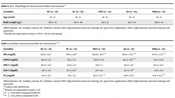
Weight: in all groups, final body weights compared to initial weight increased dramatically (P = 0.001), but not significant differences were seen in food intake and drinking water of all groups. Compared with the control group, the group II showed a significant (P = 0.008) decrease in SOD and ALP activities [Table 1]. However, SOD and ALP activities were significantly higher (P = 0.011) in rats drinking apple juice compared with the ORX group drinking water. The concentration of triglycerides, cholesterol, and LDL in the serum numerically increased (P = 0.001) in the group II in comparison to the control group. In contrast, rats that drank AJ exhibited decrease in mentioned parameter in serum compared with the group II. Compared with the control group, concentrations of HDL in serum of the group II decreased dramatically and in AJ groups (10%, 25%) HDL increased significantly (P = 0.015).
| Variable | Group I | Group II | Group III | Group IV |
|---|---|---|---|---|
| Initial | 230 ± 7 | 242 ± 8 | 238 ± 6 | 251 ± 13 |
| Final | 275 ± 9 | 271 ± 11 | 278 ± 7 | 290 ± 11 |
| 22 ± 0.6 | 21 ± 0.4 | 21 ± 0.3 | 21 ± 0.3 | |
| 31 ± 7 | 26 ± 4 | 23 ± 4 | 27 ± 4 |
a Data are presented as mean ± SD.
b P < 0.05, significant difference with control group.
| Variable | Group I | Group II | Group III | Group IV |
|---|---|---|---|---|
| 143 ± 5 | 126 ± 6 | 142 ± 7 | 160 ± 7 | |
| 61 ± 6.1 | 85 ± 5.95 | 47 ± 4.67 | 60 ± 7.11 |
a Abbreviations: ALP, alkaline phosphatase; SOD, superoxide dismutase.
b Data are presented as mean ± SD.
c P < 0.05, significant difference with control group.
dP < 0.05, significant difference with Group II.
| Groups | TG (mg/dL) | HDL (mg/dL) | LDL (mg/dL) | TC (mg/dL) |
|---|---|---|---|---|
| 94.5 ± 2.1 | 43.7 ± 1.7 | 38.2 ± 1.39 | 80.8 ± 1.95 | |
| 128 ± 3.3 | 33.2 ± 1.22 | 58.3 ± 1.58 | 122.5 ± 1.19 | |
| 113.5 ± 1.3 | 37.2 ± 1.7 | 47.5 ± 1.6 | 111.1 ± 1.4 | |
| 102.5 ± 1.7 | 39 ± 1.9 | 42 ± 1.3 | 104.8 ± 1.61 |
a Abbreviations: HDL, high density lipoprotein; LDL, low density lipoprotein ; TG, triglyceride; TC, total cholesterol.
b Data are presented as mean ± SD.
c P < 0.05, significant difference with control group.
d P < 0.05, significant difference with Group II.
5. Discussion
In the present study, apple juice 10% and 25% could increase antioxidant enzymes levels (SOD and ALP) in gonadectomized rats. Apple juice also decrease the level of LDL, TG and cholesterol and increase the concentration of HDL in groups III and IV that treated by this extract.
Tam et al. showed that testosterone depletion induces oxidative stress and attenuates antioxidant levels [13]. In a similar study, an increase in the plasma antioxidant activity was observed in rats receiving either fresh OJ or GJ. The authors attributed the high antioxidant capacity largely to the bioactive compounds [14]. In another study, rats that ate a diet rich in cholesterol while drinking either red GJ or naringin exhibited a higher antioxidant capacity than the control group [15]. A recent animal study has reported that in mice, naringin reduced lipid peroxidation status in tissues by enhancing tissue antioxidant status [16]. Barp et al. [17] and Azevedo et al. [18] reported that castration decreases SOD and CAT levels. The data reported here suggest that orchidectomy modulates the antioxidant enzymes while citrus juices prevent activities of liver antioxidant enzymes from being depressed. Furthermore, in comparison with the sham group, drinking citrus juice in gonadectomized rats prevented total antioxidant status and liver SOD and CAT activities from decreasing, suggesting natural products from dietary components prevent free radical accumulation [17, 18]. In the present study, gonadectomy increased LDL, TG and cholesterol levels and HDL concentration but apple juice could reverse this situation. In a study by Dennison et al. consumption of 5.5 ounces (158.7 g) fruit juice including a mixture of 35% (1.8 ounces) apple juice, 31% (1.5 ounces) orange juice, 25% (1.3 ounces) grape juice and 9% other types of fruit juices caused no significant difference on the level of TG, TC, LDL-C and Lp (a) [19].
In a study by Nagasako-Akazome et al. a daily intake of 600 mg apple polyphenol extract caused a significant decrease of serum TC and LDL-C22 [10]. In several animal studies, when normolipidemic rats and diet-induced hyperlipidemic rats were given flavanones, the triglyceride level in serum or plasma was reduced [20, 21]. In another study in ovariectomized mice, a diet containing 0.5% hesperidin decreased serum and hepatic triglyceride concentrations compared with the control diet [22]. It is likely that bioactive compounds from OJ and GJ mediated the low triglyceride concentration in liver. However, the potential benefits of these bioactive compounds may be mediated by inhibition of the activity of 3-hydroxy-3-methylglutaryl-CoA reductase and acyl-CoA: cholesterol acyl transferase, causing a net decrease in hepatic cholesterol synthesis. In conclusion, frequent drinking of AJ can be used as a nonpharmacologic protective agent that enhances total antioxidant status and antioxidant enzymes while it reduces oxidative stress in hypogonadal rats. Furthermore, hypolipidemic and hypocholesterolemic effects of daily drinking of AJ can significantly protect against atherosclorosis.