1. Background
It has been shown that alterations in eating habits, obesity and less physical activity are risk factor for type2 diabetes [1]. Diabetes mellitus is also identified by altered carbohydrate, lipid and protein metabolism [2]. Patients with type 2 diabetes mellitus are not dependent on exogenous insulin, but may be later required, since the pancreatic islet β-cells cannot compensate insulin failure in insulin resistance. Increased triglycerides and decreased HDL-cholesterol has been accepted as the most common pattern of dyslipidemia [3]. Involvement of reactive oxygen species (ROS) in diabetes, as one factor, has been proven. Environmental pollutants, side effects of drug metabolism, smoking, alcohol, inadequate nutrition, and excess solar radiation are known sources for ROS during diabetes [4] which, in turn, increase dyslipidemia. On the other hand, early phenomenon of type 2 diabetes mellitus is insulin insensitivity which not only has negative metabolic consequences [5, 6] but it also contributes subsequent pancreas β-cell exhaustion, resulting in the onset of clinical hyperglycemia [7].
Insulin resistance can be attributed to molecular defects like defects in the insulin binding, signal transduction, or post receptor defects. These defects have been widely characterized in humans with type 2 diabetes [8] as well as experimental animal models of insulin resistance [9]. The rapid insulin action to stimulate glucose uptake and metabolism in peripheral tissues is a fundamental mechanism for the maintenance of glucose homeostasis [10]. The use of safe treatments for diabetes would be needed [11]. The role of medicinal plants for treatment of diabetes and other chronic disorders has been investigated [12, 13].
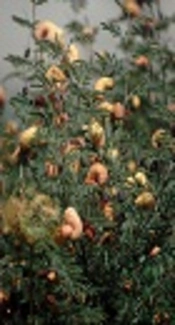
Prosopis is member of Fabaceae family and its shrubs have height by 2 to 3 m. Prosopis farcta (PF), identified as Syrian mesquite, and are mostly native Asia and allocated from India to Iran. PF is known to have some components such as lectin, L-arabinose, 5-hydroxyl, quercetin (flavonoid), tryptamine (alkaloid) and apigenin [14]. Antioxidant activity of flavonoids present in PF has been reported [15]. The obtained results from the antioxidant capacity of honeybee-collected pollen extract from Prosopis juliflora suggested that it is an important source of flavonoids which can be considered as natural antioxidants [15, 16]. Alharbi et al. [17] showed that flavonoids in PF act as strong antioxidant and decrease total cholesterol, triglycerides, malondialdehyde and also increase HDL-C in tetrachloride-induced hepatotoxicity rats. Therefore PF has antioxidant and antilipidemic activity [17] and it may be useful in diabetic rats. The present research was conducted to investigate the effects of PF extract on the serum concentrations of glucose and lipids in insulin resistance model of rats.
2. Methods
The present experimental study was conducted in faculty of agriculture, University of Birjand and approved by Ethical committee of the University.
Prosopis farcta fruit (PFF) were collected from suburb of Birjand, and kept in standard conditions. PFF was firstly dried and then powdered. Fifty grams of powder was added in 1000 mL of ethanol 80% for 24 hours at room temperature and it was then filtered by a filter paper. The solution was subsequently maintained in the oven for 1 - 2 days at 40°C for removing of evaporation of the solvent. The samples were stored at -20°C.
Thirty-two adult male Wistar rats weighting about 200 to 250 grams and 3 months of age were used. Animals were maintained under standardized housing conditions (temperature, 22 ± 2°C, 12-h light/dark cycle light on from 7 a.m. and 60 ± 5% humidity) in Plexiglas cages with free access to food (standard laboratory rodent chow) and tap water ad libitum. Animals were divided to four groups and six animals in each group: Healthy and diabetic controls; healthy and diabetic receiving PFF (100 mg/kg body weight).Thus, experimental treatments were; healthy control (HC) – healthy rats gavaged with 100 mg/kg of PFF extract (HPFF); diabetic control (DC) – diabetic rats receiving the 100 mg/kg of PFF extract (DPFF). The animals were fed with fructose 12% w/v in daily water and soybean oil by 20% dry matter for six weeks. On day 42, rats were given an intraperitoneal injection of streptozotocin (STZ; 60 mg/kg body weight) dissolved in citrate buffer, pH 4.5 (0.1 mol/L trisodium citrate, 0.1 mol/L citric acid) [18]. Diabetes was approved by measuring the blood glucose levels 72 hours after the STZ-administration by glucometer. Animals with blood glucose level higher than 250 mg/dl were considered as diabetic.
Two weeks after treatment with PFF, blood samples were directly collected from the heart into non-heparinized tubes. The serum samples were then analyzed for glucose, triglycerides, cholesterol and HDL-C. The samples were analyzed using commercial kit (Pars Azmoon-Iran) and LDL and VLDL were calculated as follows [19]:
LDL-C = total cholesterol-(HDL + Triglycerides/5)
VLDL = Triglycerides/5
The data was analyzed using Graph Pad Prism (version 5) and expressed as mean ± SEM. The data were analyzed by the one-way analysis of variance and Tukey test was also considered to compare the significant difference among groups and P ≤ 0.05 was considered as significant differences.
3. Results
The serum concentration of glucose of DC rats was significantly increased compared to HC rat (279.3 ± 24.42 vs 135.5 ± 10.41, P = 0.0038). Diabetic rats treated with PFF showed lower serum concentration of glucose compared with DC animals (279.3 ± 24.42 vs 141.6 ± 34.56, P = 0.0038). This result well shows hypoglycemic activity of PFF. Induction of diabetes markedly increased the serum concentrations of triglycerides (88.87 ± 10.94 vs 39.28 ± 5.86, P ≤ 0.0001), cholesterol (108.15 ± 7.84 vs 77.75 ± 5.55, P = 0.0006), LDL-C (64.52 ± 9.51 vs 30.45 ± 5.55, P = 0.0057) and VLDL-C (82.56 ± 10.4 vs 38.9 ± 4.28, P = 0.0053). PFF extract administration in diabetic rats lowered the serum concentrations, triglycerides (88.87 ± 10.94 vs 48.45 ± 5.70, P ≤ 0.0001), cholesterol (108.15 ± 7.84 vs 80.95 ± 5.82, P = 0.0006), LDL-C (64.52 ± 9.51 vs 33.28 ± 2.55, P = 0.0057) and VLDL-C (82.56 ± 10.4 vs 43.11 ± 2.53, P = 0.0053), it can be stated that PFF hydroalcoholic extract acts as lowering the lipid profile. PFF hydroalcoholic extract could not alter the serum concentrations of glucose and lipids in healthy rats. The serum concentration of HDL-C was not influenced by diabetes and PFF hydroalcoholic extract (P = 0.146) (Table 1).
Table 1.
The Effect of PFF Hydroalcoholic Extract on Blood Biochemical Parameters (mg/dL) in Streptozotocin-Induced Diabetic Rats
| Experimental Treatmentsa | Dependent Variables | |||||
|---|---|---|---|---|---|---|
| Glucose | Triglycerides | Cholesterol | LDL-C | VLDL-C | HDL-C | |
| HC | 135.5 ± 30.41b | 39.28 ± 5.86b | 77.75 ± 5.55b | 30.45 ± 5.55b | 38.9 ± 4.28b | 49.53 ± 1.75 |
| DC | 279.3 ± 24.42a | 88.87 ± 10.94a | 108.15 ± 7.84a | 64.52 ± 9.51a | 82.56 ± 10.4a | 43.36 ± 2.11 |
| HPFF | 186.4 ± 43.85b | 31.98 ± 2.06b | 68.72 ± 7.95b | 26.68 ± 3.71b | 36.86 ± 7.66b | 41.96 ± 0.95 |
| DPFF | 141.6 ± 34.56b | 48.45 ± 5.70b | 80.95 ± 5.82b | 33.28 ± 5.55b | 43.11 ± 2.53b | 47.56 ± 3.76 |
| P Valueb | 0.0038 | < 0.0001 | 0.0006 | 0.0057 | 0.0053 | 0.146 |
aThe experimental treatments (groups) were: (HC) healthy control - (HPFF) healthy rats fed with 100 mg of PFF extract/kg body weight- (DC) diabetic control - (DPFF) diabetic rats receiving the 100 mg of PFF extract/kg body weight.
bIn each column, different letters (a and b) indicate differences in each column (P < 0.05).
4. Discussion
This study for the first time was conducted to investigate the effect of PFF extract on glucose and some lipid parameters in a rat model of insulin resistance. Results showed hypoglycemic and hypolipidemic activities of PFF extract in diabetic rats. Regarding the glucose concentration, previous studies showed that STZ markedly increased the level serum of glucose [20, 21]. Montilla et al. [20] stated that hyperglycemia, in turn, can cause injuries in tissues and brain which subsequently may lower plasma insulin and increase glucose excretion. Animal and human studies have been shown the role of ROSs in pathogenesis of diabetes [22, 23]. Role of ROS in development and progression of diabetes through injury to pancreatic islets has been shown [22]. It can be stated that ROS damages pancreatic islets and then increases glucose concentration. Key role of oxidative stress in progression of diabetes is clearly shown when antioxidant defense systems are defaulted [22, 23]. It can be stated that use of natural antioxidants, plants and their derivatives can be helpful in treatment of diabetes. However, the current study showed benefit effects of PFF extract on glucose level. This effect may be attributed to PFF extract compounds. Quercetin, a flavonidal component present in PFF extract, has been shown to stimulating activity of insulin and subsequently may stimulate insulin release in STZ-induced diabetic rats [24].
One of phenomenon of type 2 diabetes is insulin insensitivity which has negative metabolic consequences [5, 7] and contributes subsequent pancreas β-cell exhaustion, resulting in the onset of clinical hyperglycemia. It has been reported that flavonoids has a role in regeneration of the injured pancreatic β-cells in diabetic models [25] and thus may prevent insulin resistance. Other study showed inhibitory activity of some flavonoids on cAMP phosphodiesterase activity which is accompanied by insulin secretion which subsequently reduces glucose level [26]. It has been reported that quercetin has antidiabetic effect like metformin [27]. Quercetin, present in onion peel extracts, improved insulin sensitivity by up-regulating expressions of insulin receptor and glucose transporter as well as by promoting metabolism of glucose in peripheral tissues in diabetic rats [28]. This study can partly help to this claim that PFF due to have quercetin could lower glucose concentration. Other reason is antioxidant activity of present compounds in PFF extract which may prevent injuries to pancreatic islets. This action, in turn, helps insulin synthesis which subsequently decreases glucose concentration. The antioxidant system would be later discussed.
Findings showed that diabetes caused hyperlipidemia. The hyperlipidemic action of STZ in diabetic rats has been previously reported [29]. Hypertriglyceridemia and hypercholesterolemia has been reported as the most common lipid abnormalities in diabetes [30, 31]. A study showed hypertriglyceridemia is related to hypercoagulability, hyperinsulinemia, insulin resistance, and glucose intolerance [32]. Findings showed that PFF extract lowered the serum concentration of triglycerides, cholesterol, LDL-C and VLDL. Parallel to findings, Alharbi et al. [17] showed that Prosopis farcta acts as strong antioxidant and decreases total cholesterol, triglycerides in tetrachloride-induced hepatotoxicity rats. The activity of lipid lowering by PFF extract may be due to present compounds in PFF extract. Antioxidant activity of some compounds in plants (phenolic, flavonoids, sterols and alkaloids) is accepted. It seems likely that PFF hydroalcoholic extract may help to alleviate the negative effects of diabetes on blood parameters through antioxidant system. Poudineh et al. [33] showed antioxidant activity phenolic compounds of PFF extract. It seems that antioxidant compounds present in PFF extract prevent lipolysis in diabetic rats. It has been shown the role of antioxidant defense systems against oxidative stress [34]. Oxidative stress and subsequently ROS production can degrade lipids and cause lipid peroxidation and lipolysis. Antioxidant compounds may interact with ROS and alleviate negative effects of diabetes on lipids. PFF extract declined the serum concentrations of cholesterol, LDL-C and VLDL. Under diabetic conditions, insulin deficiency has a major role in enhancing cholesterol synthesis which may be accompanied by increased 3-hydroxy-3-methylglutaryl coenzyme A reductase (limiting enzyme for cholesterol synthesis). It is shown that plants have activities against acunose-3-methylglutaryl coenzyme A reductase which subsequently can reduce cholesterol concentration [35]. While, PFF extract lowered the serum concentrations of glucose and lipid in diabetic rats, it did not have significant effect on the serum concentrations of glucose and lipid in healthy rats. HDL-C was not also affected by diabetes and PFF extract. These findings suggest combination treatment of PFF extract with other commercial drugs for diabetes therapy might be useful.
This study for first time investigated the effect of PFF extract on the serum concentration of glucose and lipids in insulin resistance model of rats. Findings showed that diabetes increased the serum concentrations of glucose, triglycerides, cholesterol, LDL-C and VLDL, while oral supplementing the PFF extract lowered the increased mentioned parameters. These effects may be attributed to active compounds in PFF extract. It can be suggested the use of PFF extract with other commercial drugs for diabetes therapy.