
1. Background
Cognitive enhancement is the use of central nervous system stimulant medications such as methylphenidate, amphetamine, and modafinil. The efficacy of these products, when used by healthy individuals to increase cognition, is indemonstrable (1). Typical cognitive enhancers (CEs) exert at least three pharmacological mechanisms, with major various potential for affecting cognition, and side effects based on mechanism or non-mechanism (including misuse or addiction responsibility) (2). It is suggested that prescription drugs for improving a person’s cognitive function may be more usual among people in environments that require cognition such as school and university (3). Non-medical use of CEs is one of the major concerns among medical students. Reports have shown that 35% of the student use CEs for non-medical reasons (4). The prevalence of CE misuse for at least one time, among college students is reported 6% to 20% depending on the study subject (5). The CEs are prescribed for ADHD, Narcolepsy, and some types of depression (4, 6, 7). The CE medications are usually used for increasing hour efficiency, academic performance, and concentration and attention in students (6, 8). A survey among university students in Canada and the United States of America (USA) reported that the student’s reasons for using CEs were to improve the concentration, increase alertness or to stay awake longer (8). Using these substances would increase the risk of mortality and morbidity and would cause issues such as academic failure, instability of social relationships, addiction and unwanted damages (9, 10). The CE medication misuse can lead to physical and mental tolerance and dependency (11, 12).These medications include methylphenidate, dextroamphetamine and modafinil (6, 13). Students that use CEs would experience major side effects, such as illusion, anxiety, irritability, tachycardia, and dangerous side effects such as addiction, seizure, and cardiovascular events (7, 9). Some effects of methylphenidates are similar to cocaine’s effect on the brain (9, 13, 14). According to studies in Iran, 41.7% of the Ritalin users use it to increase concentration (9, 10). According to the importance of the subject and necessity of more studies on students, especially medical students in Iran, we decided to investigate the prevalence of cognitive enhancer usage in the students at one of University of medical sciences in Tehran, Iran.
2. Objectives
The purpose of this study was to determine the prevalence of cognitive enhancers and its effective factors at one of the University of Medical Sciences in Tehran, Iran.
3. Methods
3.1. Study Design and Population
In this cross-sectional study, the population consisted of medical students from the first to fifth-year at one of the University of Medical Sciences in Tehran, Iran. The sample size was 579 students, and absent students on the sampling day were excluded from this study.
3.2. Data Collection
Students were asked to complete anonymous questionnaires containing 13 items. The study was performed in November 2017. The questionnaire of Lengvenyte et al. study was used (4) that included demographic information such as age, gender, educational grade, job, residential status, and marital status. In assessing levels of stress and quality of sleep, a subjective visual analogue scale (VAS) was used in which 0 related to minimal and 10 to maximum levels. Students were asked to evaluate their quality of sleep and their stress, according to their understanding. About the sleep scale, for “I sleep very poorly” 0 and for “I sleep very well and I always wake up refreshed” 10 were considered. About stress scale 0 means “I feel no stress at all” and 10 means that “I feel stressed all the time, it interferes with my ability to live a normal life”. With the question “Have you ever used psychostimulant drugs (e.g. modafinil, methylphenidate, drugs containing amphetamine) or nootropics (e.g. piracetam and vinpocetine) for studying reasons?” The use of cognitive enhancers was determined and the response options were (1) Yes, (2) No, but I have heard them, and (3) No, I have not heard them. In the case of negative response, the student skipped the two following questions and proceed to the last one. But with the student’s positive response, he/she was asked to specify his/her used drugs. The answer options were (1) Yes, (2) No, but I have heard them, and (3) No, I have not heard them. In the case of negative response, the student was asked not to answer the next two questions and answer the last one. If the response was positive, the student was asked to identify his/her used drugs where the students could write the name of the drug. The answer options were (1) modafinil (e.g. Provigil, Modalert, etc.), (2) methylphenidate (such as Ritalin, concert, etc.), (3) narcotics with amphetamine (e.g. Adderal, Dexedrine, etc.), where the students could write the name of the drug. In the next section, students were asked to indicate their main reasons for substance use. The students were asked in the next question to express the main reasons for the use of mentioned substances. The items that could be selected from responses included (1) to improve concentration, (2) to increase studying time, (3) to improve memory, (4) to increase alertness, (5) as an experiment, (6) to improve academic performance, (7) friends take it, and (8) other reasons. In the last question it was asked from all students if they know anyone that they have never used neuro-enhancing drugs, with answer options (1) Yes, (2) No, (3) I do not know. The questionnaire was an anonymous online survey in the form of Google that was only available after signing the informed digital consent form that was placed after the questionnaire. Data were stored in an offline database for later analysis. Our analysis was based on data from 579 students. To compare our data with published data from other countries, we searched the PubMed online database using the following keywords: students, neuro-enhancers, enhancers, cognitive, psychostimulants, and study. We then selected papers on the original studies and presented the calculations regarding the prevalence of drug use to increase cognitive performance among students, and also evaluate relevant factors.
3.3. Data Analysis
For statistical analysis, SPSS version 22.0 was used. Descriptive statistics were calculated, and between non-user and user categorical comparisons were made by chi-square analyses. The t-test was used to determine differences of sleep quality and stress levels between users and non-users and ANOVA test for a survey of the relationship between age and the use of cognitive enhancers. Multiple logistic regression was used to determine which factors had the highest effect on consuming drugs. The significant level was considered ≤ 0/05.
3.4. Ethical Considerations
For ethical consideration, the study was approved by the Department of Community Medicine of Tehran University of Medical Sciences. Participation in the study was voluntary. Informed consent was obtained from all people before entering the study. Completing the questionnaire was considered satisfaction for participation.
4. Results
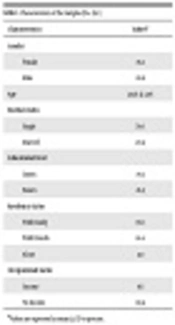
Table 1 shows the general characteristics of the samples. Here, 44 (17.6%) of the respondents answered that they had used CEs at least once in their life. According to ANOVA test, there was a significant relationship between CE use and the age of respondents (P < 0.05). Moreover, the average age was higher in people who take these drugs. In chi-square test, the rate of using neuro-enhancers in males was three times more than females (30.8% vs. 14.3%, P < 0.05). In this test, no significant relationship was found between marital status, educational level, residency status and occupational status with CEs use (P > 0.05) (Table 1).
In analysis by T-test, the level of self-assessed stress differed between users (5.52 ± 2.33) and non-users (4.05 ± 1.97). The self-evaluated sleep quality differs between users and non-users (6.54 ± 1.81 vs. 6.11 ± 2.43), but the difference was not significant statistically (P > 0.05).
Brain stimulants were used by 44 (17.6%) students, which consisted of 12 (4.8%) modafinil’s users, 32 (12.8%) users of methylphenidate, and 0 (0%) of amphetamine-derived drugs. None of the respondents referred to the use of other substances. Methylphenidate was the most popular drug among students in both genders. According to chi-square test, there were no gender differences in the choice of the type of CEs (modafinil, methylphenidate, and amphetamine-derived drugs) or other substances (P > 0.05). In their explanation regarding CE usage, 31 respondents (70.45%) clarified that they wanted to improve their concentration, 10 (22.72%) individuals told that it was for increasing their study hours; 8 (18.8%) mentioned memory improvement, 11 (25.0%) to increase sharpness, 6 (2.4%) of them used them for testing, 24 (54.54%) to improve their academic function, and 9 respondents (20.45%) were suggested to use them with their friends. As table 2 shows, a significant difference was found between genders in terms of the motivation to use so that female students were trying to increase concentration (71.4%and 28.6%, P < 0.05). There was no significant difference between the two genders in other reasons. Students that their friends were using CEs acclaimed that they were using these drugs two times more than who did not know anyone that used CE drugs (66.0% vs. 34.0% P < 0.05). This was the most important factor affecting the behavior of CE drug misuse (the standardized beta coefficient was 1.472 and for gender was 1.136). The main factors in relation to CE usage are summarized in Table 3. In addition to Knowing someone who had used, other most important factor that had significant relationship with CE drug use was stress level (P > 0.05). No other relationship was found between the CE use and socio-demographic characteristics (P > 0.05). The level of self-assessed stress differed between users (5.52 ± 2.33) and non-users (4.05 ± 1.97). The self-evaluated sleep quality differed between users and non-users (6.54 ±1.81 vs. 6.11 ±2.43), but the difference was not significant statistically (P > 0.05).
Table 1.
Comparing of Using CE Based on Demographic Characteristics by Chi-Square Test (N = 250)
| Characteristics | No. (%) | P Value |
|---|---|---|
| Gender | 0.006 | |
| Female | 459 (79.2) | |
| Male | 120 (20.8) | |
| Age | 25.36 ± 2.06a | 0.004 |
| Marital status | 0.149 | |
| Single | 461 (79.6) | |
| Married | 118 (20.4) | |
| Educational level | 0.115 | |
| Intern | 426 (73.5) | |
| Extern | 153 (26.5) | |
| Residency status | 0.606 | |
| With family | 461 (79.6) | |
| With Friends | 95 (16.4) | |
| Alone | 23 (4.0) | |
| Occupational status | 0.581 | |
| Income | 56 (9.6) | |
| No Income | 523 (90.4) |
aValues are expressed as mean ± SD or percent.
Table 2.
Reasons for Using Cognitive Enhancers Among Medical Students in Terms of Gender Variable by Using Chi-Square
| Reason | Male, % | Female, % | P Value |
|---|---|---|---|
| Improve concentration | 28.6 | 71.4 | 0.002* |
| Increase studying time | 66.7 | 33.3 | 0.571 |
| Improve memory | 33.3 | 66.7 | 0.08 |
| Increase alertness | 34.5 | 52.5 | 0.36 |
| Experiment | 79.7 | 20.3 | 0.214 |
| Improve academic performance | 40.0 | 60.0 | 0.651 |
| Friends take it | 23.5 | 76.5 | 0.901 |
| Other reasons | 0 | 0 | - |
Table 3.
Logistic Regression Analysis of Factors That had the Most Effect on Drug Consumption
| Independent Variable | Standardized Coefficient | P Value |
|---|---|---|
| Age | -0.102 | 0.310 |
| Gender | 1.136 | 0.065 |
| Residency | -0.693 | 0.489 |
| Marital status | 0.124 | 0.809 |
| Educational level | -0.268 | 0.629 |
| Occupational status | 0.824 | 0.249 |
| Knowing someone who had used | 1.472 | 0.004 |
| Stress level (10-point VAS) | 0.096 | 0.000 |
| Sleep quality (10-point VAS) | -0.339 | 0.334 |
5. Discussion
The aim of this study was to discover whether neuro-enhancement should be considered at Tehran University of Medical Sciences. Several important findings were obtained from this study. A larger proportion (17.6%) of respondents stated that they used neuro-enhancing drugs for studying purposes. The results of Lengvenyte et al. study showed that these drugs are not readily available to Lithuanian students. This is not because of limitations of the rules, but because of the high cost of these drugs compared to the student’s monthly income. It can justify why methylphenidate is the only legal remedy for attention deficit disorder in Lithuania, has been reported to be 20 times less common than that used in South America, where drugs are widely available (4). In a review article by Finger et al. in 2013, the prevalence of brain stimulant medications use among medical students was 14% - 16%. (6) Also, Rahimi-Movaghar et al. study in 2006 and in Tehran showed that 33% of medical students of Tehran University had used brain stimulant medications (12). In Jain et al. study, it was shown that the prevalence of brain stimulant drugs use was 11% (7). According to Ghaderi’s study, the prevalence of Ritalin misuse among medical students was 12.7% (15). In Maier et al. study, this rate was reported 12% (16). According to Micoulaud-Franchi et al study, 7.4% of students said they had consumed at least one CE in the past 12 months (17). A survey of American medical students showed a prevalence of 10.1% for lifetime non- pharmaceutical stimulant use (methylphenidate or amphetamine salts) (18). Among university students, the prevalence of non-medical stimulant use ranged from 5.5% in an online study of over 2000 respondents to 55% in a study among 307 members of the fraternity (19). According to our study, there is a significant relationship between brain stimulant medications and gender, which is consistent with Taremian and Ghaderi et al. studies (15, 18). In Emanuel et al. study in 2011 which took place in Chicago, the USA in 4 medical colleges, taking these medications was significantly related to the male gender and higher educational level (11). In the study of Lengvenyte et al. in two universities in Lithuania in 2015, there was a significant relationship between using brain stimulants with gender. Although the number of female participants was twice as male participants, the drug consumption in males was reported 3 times more than females (4). In our study, there was a significant relationship between drug use and the age, and as the age increases, the drug use will increase which is in agreement with Ghaderi’s study (15). In Lengvenyte et al. study findings, students used drugs in order to study and they preferred short-term effects more than long-term effects (4). In all studies, improvement in concentration and increasing study hours were among the most important reasons (11, 14, 20-24). According to Micoulaud-Franchi et al. study, they were used for improving academic function in the first priority; in the second priority, for increasing lucubration; and in third place, for improving the attention and concentration (19). In other evaluations on postgraduate and undergraduate students at one university in the United States, the party was reported as a reason (65.2%), it was reported as the same rate as improving student attention level (68.9%) (25). Riddell et al. study’s findings cleared the current understanding of drug usage in Australia and contextualized possible ways of intervening in university (students) health and opportunities for regulating. In particular, helping students to manage stress at a considerable level may be helpful by identifying less-harmful methods (26). The results of Sattler et al. study showed that students tended to enhance their cognitive performance by drugs compared to university teachers; however, the overall willingness was low (27). The desired goal of CE medication use is to increase the cognitive performance by increasing concentration, increasing the time of the study, or increasing the working memory performance (28, 29). According to Khademi and Shariat’s study, the main reason for taking methylphenidate was participating in the residency exam (30). Participants in Maier and et al. study believed that CE medications are necessary for improving academic performance. CE drug users and non-users, both agreed that the university should collect information about the prevalence and acceptance of drug usage among students. Therefore, all students were agreed that the university must inform about CE medications and potential dangers in relation to this behavior (16). In our study, there was a significant relationship between the use of CE drugs and stress levels, but this relationship was not observed in Lengvenyte et al. In Schelle and et al. study, the user of drugs with or without a prescription for cognitive enhancement and also users of lifestyle drugs were under study pressure more than non-users. Also, our hypothesis that says students who use substances to enhance their cognitive performance are more stressful than those who do not use the substances is only applied for certain descriptions of CE drug use (31). According to our study there was no significant connection between CE medications and educational grade, but according to the study of Retif and Verster, and Ghaderi in South Africa in 2016, there was a significant relationship between the use of CE drugs and higher grade students (10, 15). In Micoulaud-Franchi et al. study, students who started taking cognitive enhancement from the first year of medicine or pharmacy or earlier were more likely to use CE drugs (P < 0.001) and consumed significantly more frequently CE (P = 0.011) than students who began later (17). According to Kudlow and partner’s study, the use of CE drugs in senior medical students was reported more than junior students (5). In the present study, a relationship with a person who had used CE medications was the most effective factor on CE drugs attitude which is consistent with Lengvenyte et al. study’s findings (4).
5.1. Conclusions
The findings of our study indicated that a large number of medical students have used cognitive enhancer drugs at Tehran University of Medical Sciences, male respondents being three times more likely to use these drugs than females, and knowing somebody who has used such drugs is the most important contributing factor. The students use CEs for different reasons, which improving the concentration has been reported more often. Our study significantly contributes to Tehran’s health reporting by providing a survey on drug use among medical students. This can help to make educational strategies and prevention plans in Iran universities. This university should have an opportunity to educate general and medical students, especially about the dangers of drug use behaviors. Medical students are now in danger and in the future, the drug users. The problem should be solved before the expansion. This shows the need for survey the misuse and potential side effects in healthy users.
5.2. Study Limitations
There are some limitations to this study. Collecting samples is one of the limitations. For example, the female sample was larger. Students entered the study without prior notice about this study, which means that a surprising factor may play a role, as well as memory bias, especially when students are being asked to take non-pharmaceutical use. Other limitations are related to study methods. The study is directed by an online large-scale self-report questionnaire, with a number of questions that may make respondents feel confused from top to bottom, the long time required to complete a questionnaire or, for example, a lack of memory about certain conditions or specific feelings when using certain substances. The prevalence rate is reported differently compared with the real rate, which the possible reason may be that the substance is stigmatized. The final limitation of this study was we did not gather information on other stimulants (nicotine, caffeine or such eliciting drugs as cocaine), and students that participated in this study were not evaluated for ADHD, anxiety or depression. Lack of this extra information districts our ability for setting variances to use cognitive enhancements exclusively and inhibit analyzing neuro-enhancer usage in participants with previous disorders. Finally, it is recommended that a study should be conducted in all universities of Iran and their results are compared. Therefore, although it is obvious that the use of these drugs for increasing cognition was investigated more among student populations, it is not possible to generalize to other populations.