Chemistry
All chemicals were purchased from Merck and Fluka chemical companies. The products were characterized by their spectral data. 1H NMR and
13C NMR spectra were recorded on Bruker DRX 300 Avance spectrophotometer in DMSO-
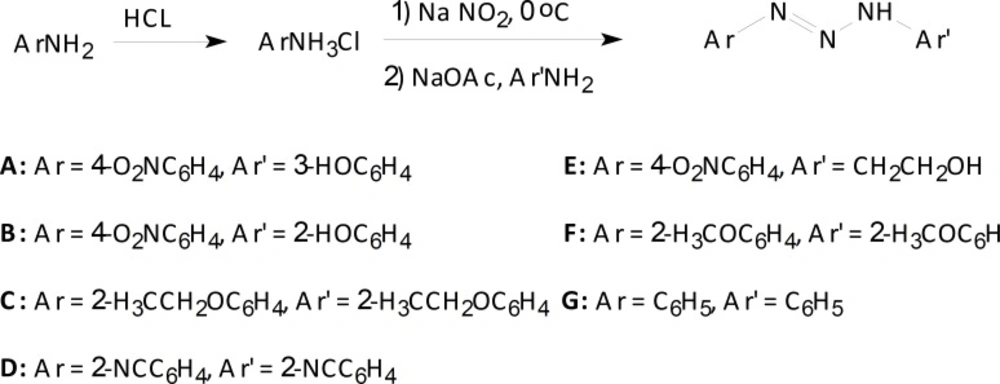
d6 as the solvent and all chemical shifts are reported in units downfield from TMS as internal standard. 1,3-Bis(2-methoxyphenyl)triazene F, 1, 3-bis(2-cyanophenyl) triazene D, and 1, 3-bis(2-ethoxyphenyl) triazene C were synthesized according to reported literatures (
19-
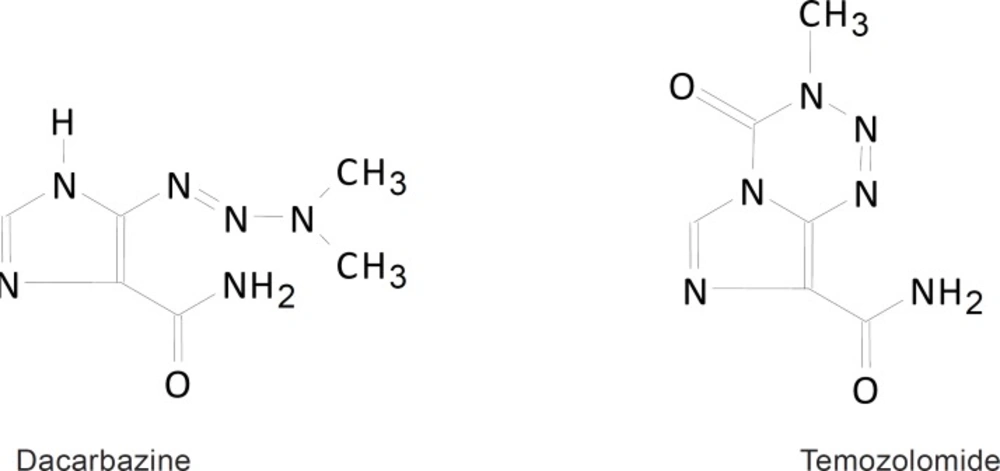
20), 1,3-diphenyltriazene G was commercially available. Temozolomide (TMZ) was used as the reference drug. Elemental analysis was performed on a Thermo Finnigan Flash EA 1112 (Thermo Fisher Scientific Inc, USA) instrument.
Typical procedure for the synthesis of 1, 3-bis (2-cyanophenyl) triazene (D) 1, 3-Bis (2-cyanophenyl) triazene was prepared by the drop wise addition of NaNO
2 (6.9 g) in 20 mL distilled water to a beaker containing of 2-aminobenzonitril (5.9 g, 0.05 mol) and of HCl solution (6.48 mL, 0.81 mol, d = 1.18 g/mL) placed in a coldwater bath. After 30 min stirring, CH
3COONa.3H
2O (13.6 g) dissolved in 20 mL distilled water was added to the solution. The resulting colored precipitate appeared after 15 min, was evaporated to dryness in the air and then crystallized from diethyl ether in a freezer in three days (
21). 1, 3-Bis (2-cyanophenyl) triazene as sharp yellow powder was obtained with 88% yield, mp 129-131 °C (mp 128-130 °C Lit).
Typical procedure for the synthesis of 1-(4-nitrophenyl)-3-(2-hydroxyethyl)triazene (E)
2-Aminoethanol (0.05 mol, 3.054 g) was added at room temperature to a stirred suspension of 4-nitrobenzenediazonium chloride (0.05 mol) in water (20 mL) and stirring was continued for 20 min in a cold water bath and 10 min at RT. CH3COONa.3H2O (13.6 g) was dissolved in 20 mL distilled water and added to the solution. After 10 min a clear faintly pale yellow solution was obtained. Crystals were collected by filtration, washed with water and recrystallized from diethyl ether to afford 1-(4-nitrophenyl)-3-(2-hydroxyethyl) triazene E with 89% yield. 1H NMR (DMSO-d6, 200 MHz) δ (ppm) 3.56 (s, 1H), 4.42 (t, 2H), 5.05 (t, 2H), 7.20-7.74 (dd, 4H, J = 8.1 Hz), 7.76 (s, 1H); 13C NMR (DMSO-d6, 50 MHz) δ (ppm) 175.5, 155.3, 129.7, 125.5, 56.7, 49.4; IR (KBr, cm-1) 3500 (OH, str), 1630 (NH, bend), 1600 (C=C, str), 1500 (C=C, str), 1450 (CH, bend), 1400 (CH, bend), 1300 (N=O, str), 1200 (C-O, str), 1150 (C-N, str), 900 (C-H, OOP), 700 (N-H, OOP), 750 (O-H, OOP); Anal. Calcd. For C8H10N4O3: C, 45.71; H, 4.76; N, 26.67. Found: C, 45.52, H, 4.58, N, 26.45.
1-(4-nitrophenyl)-3-(3-hydroxyphenyl)triazene (A)
Red crystals, 85% yeild, 1H NMR (DMSO-d6, 200 MHz) δ (ppm) 3.89 (s, 1H), 5.54 (s, 1H), 6.53-6.61 (m, 4H), 7.90-7.98 (dd, 4H, J = 8 Hz); 13C NMR (DMSO-d6, 50 MHz) δ (ppm) 159.5, 154.8, 145.5, 144.1, 137.8, 126.7, 122.2, 113.3, 106.1, 102.2; IR (KBr, cm-1) 3300, 3400, 2800, 2700, 1650, 1600, 1450, 1300, 1200, 1150, 850; Anal. Calcd. For C12H10N4O3: C, 55.81; H, 3.86; N, 21.71. Found: C, 55.65, H, 3.67, N, 21.55.
1-(4-nitrophenyl)-3-(2-hydroxyphenyl)triazene (B)
Red crystals, 87% yield, 1H NMR (DMSO-d6, 200 MHz) δ (ppm) 3.27 (s, 1H), 5.19 (s, 1H), 6.65-6.75 (m, 4H), 8.05-8.15 (dd, 4H, J = 8.2 Hz); 13C NMR (DMSO-d6, 50 MHz) δ (ppm) 157.7, 145.5, 144.1, 126.2, 122.5, 121.0, 120.9, 118.9, 117.1; IR (KBr, cm-1) 3500, 3200, 2800, 2700, 1650, 1600, 1450, 1300, 1100, 1150, 850; Anal. Calcd. For C12H10N4O3: C, 55.81; H, 3.86; N, 21.71. Found: C, 55.60, H, 3.71, N, 21.59.
Biological activity
Cell lines and culture
PC3 NCBI-C427 (Human prostate adenocarcinoma), HT29 NCBI-C466 (Human colon carcinoma), Hela NCBI-C115 (Human cervix carcinoma), K562 NCBI-C122 (Human chronic myelogenom leukemia), Jurkat E6/1 NCBI-C121 (Human Acute T-cell leukemia), HL60 NCBI-C217 (Human promylocyteic leukemia), MCF7 NCBI-C135 (Human breast adenocarcinoma), HepG2 NCBI-C144 (Human hepatocyte cancer cell line), and HUVEC NCBI-C554 (Human umbilical vein endothelial cell) were purchased from Pasture Institute of Tehran-Iran. Cell lines were grown and maintained in a humidified incubator at 37°C with 5% CO2 atmosphere. Cells were cultured in DMEM (Dulbecco’s modified Eagle’s medium) supplemented with 10% fetal bovine serum (FBS), and antibiotics (100 IU/mL penicillin and 100 μL/mL streptomycin).
Synthesis of triazene compounds.
LDH assay
After incubation of different concentrations (1, 5, 10, 25, 50, 100 μM) of the synthesized compounds with cell lines for 24 and 48 h, the medium was removed without damaging cells for LDH assay. Briefly, 100 μL of the media from each well was transferred to a new plate, and 100 μL of LDH reagent and catalyst (1:45) (Roche Diagnostics Corporation, Indianapolis, IN, USA) was added to the supernatant and incubated for 30 min in dark at room temperature. The absorbance was recorded at 490 nm with background subtraction at 630 nm using the Synergy HT multi detection Micro Plate Reader. 20 μL of 10% triton X-100 and the LDH reagent were added to untreated cells and these results were collected as a positive control. Media without cells were collected as a negative control. The results were showed as percentage of LDH release (
22).
Trypan blue exclusion
To determine the effect of the synthesized compounds on viability of cells, approximately 0.75 × 10
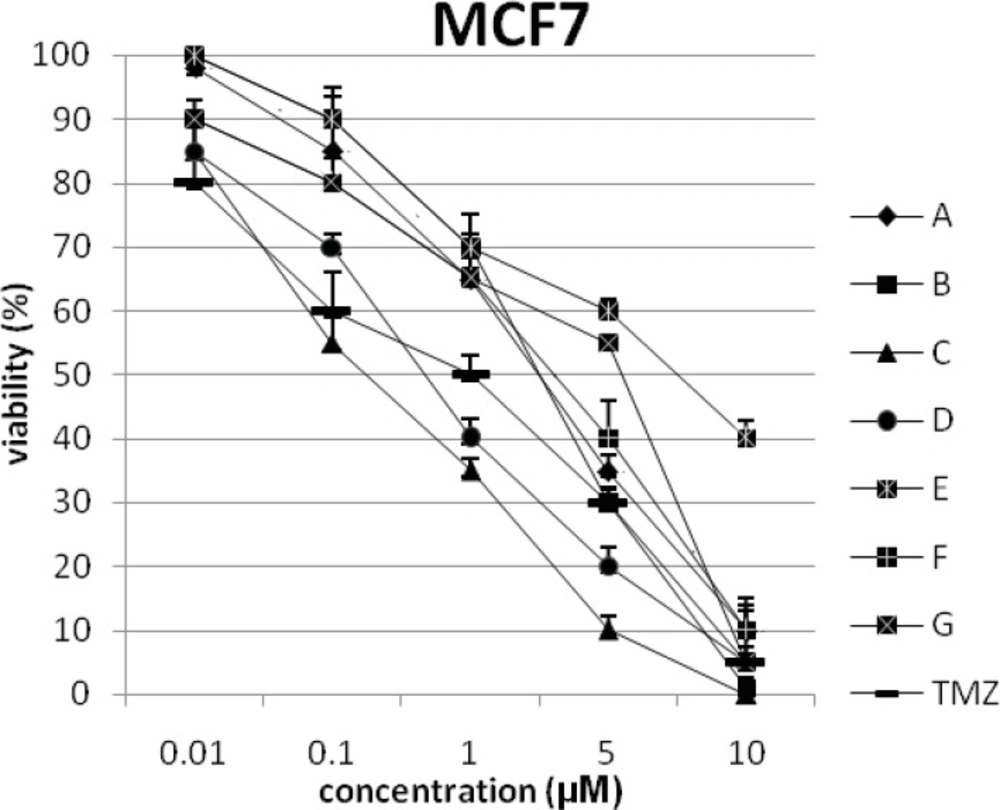
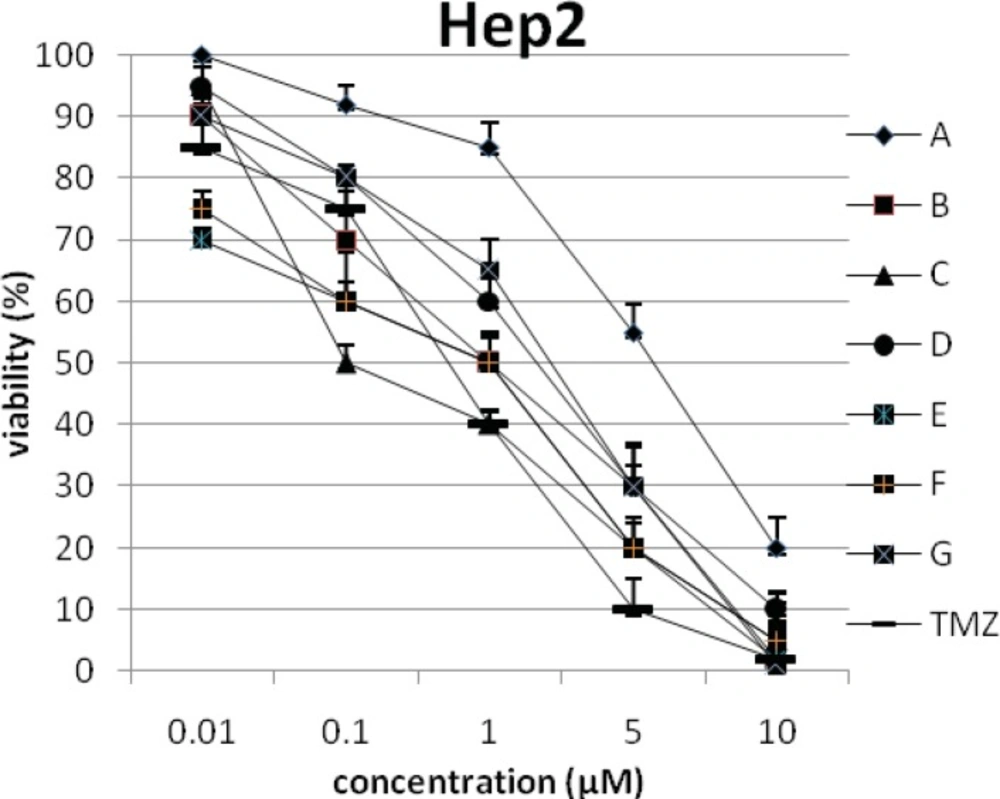
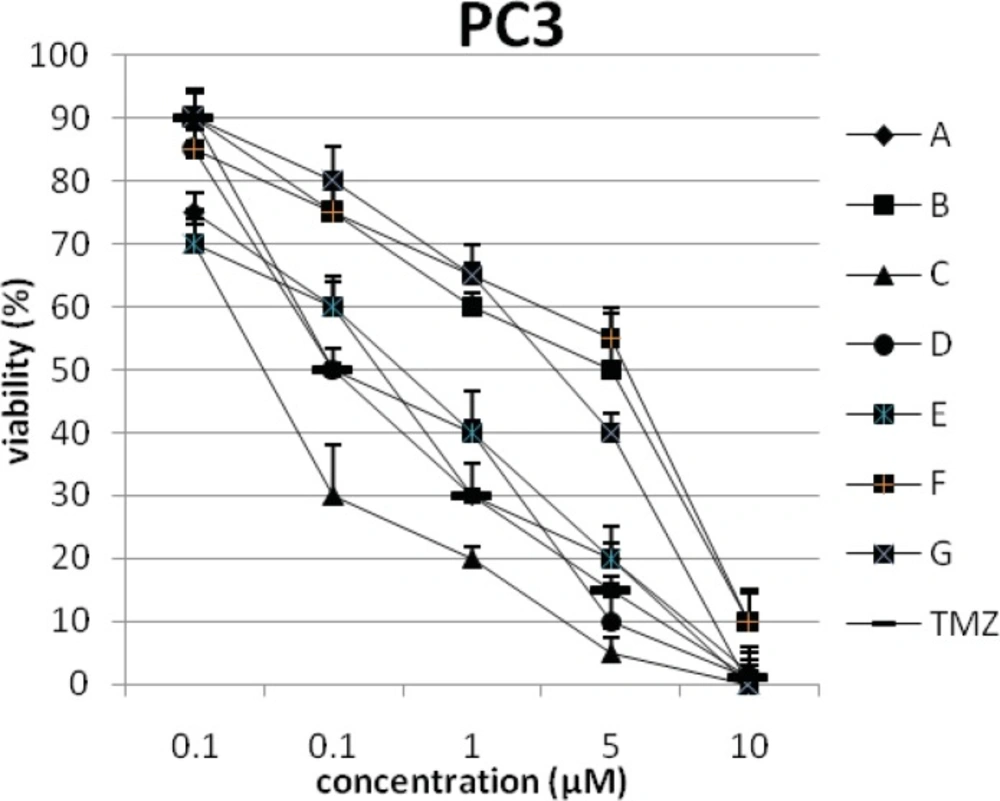
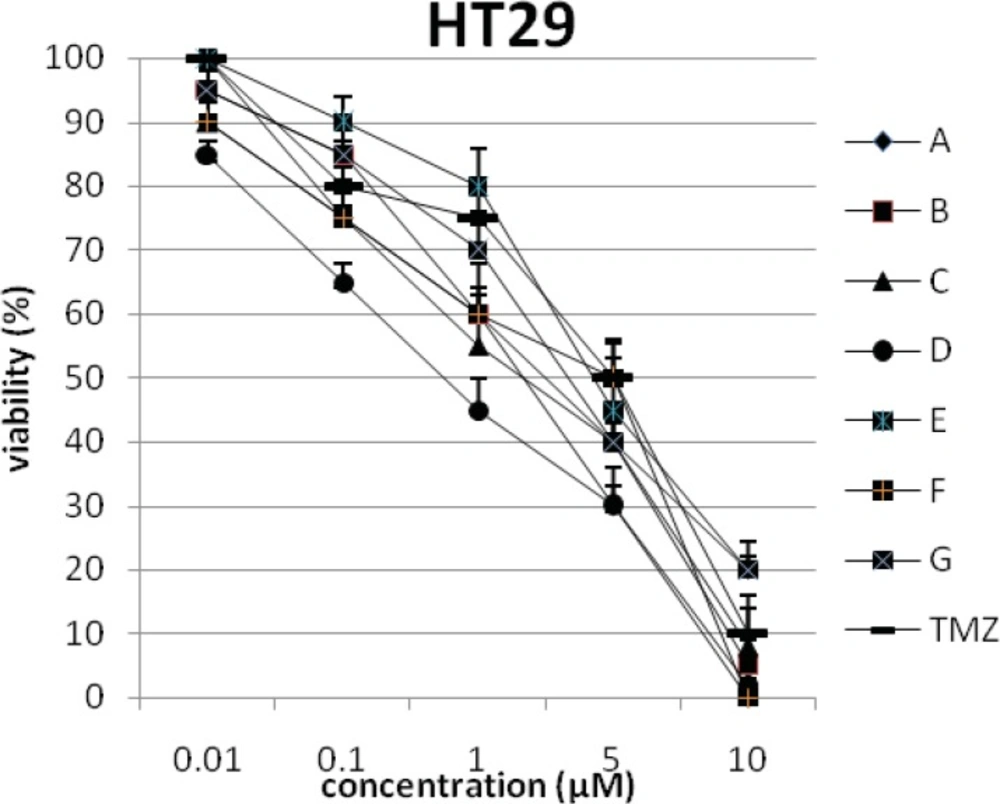
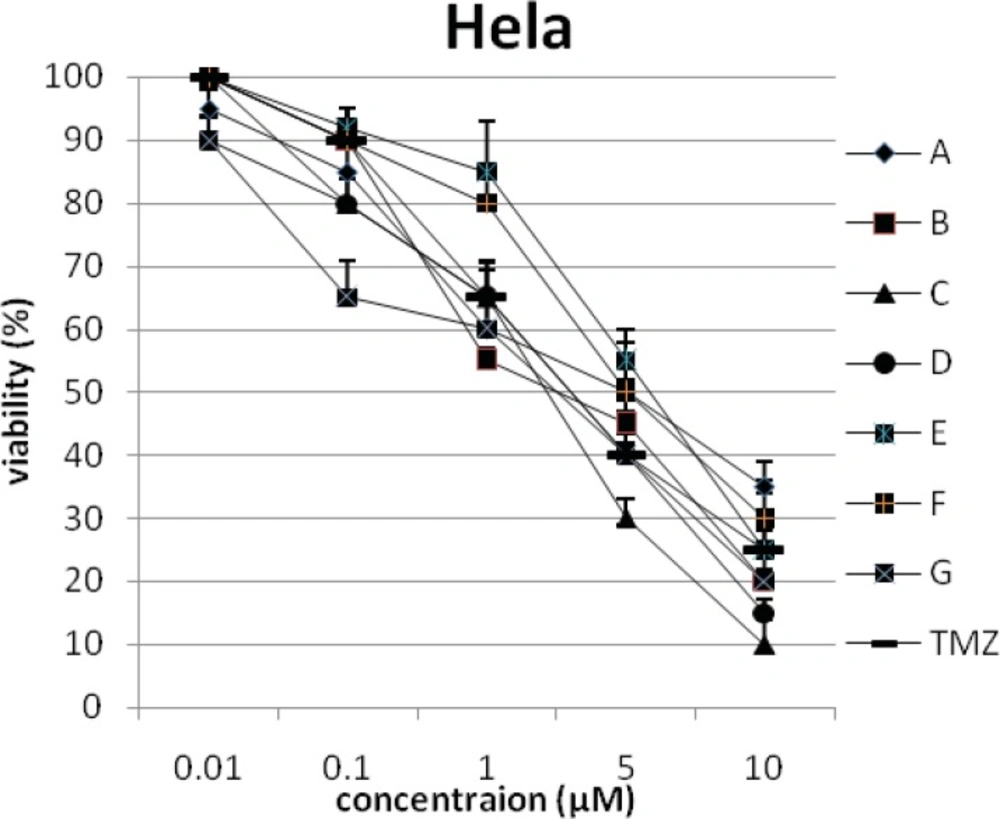
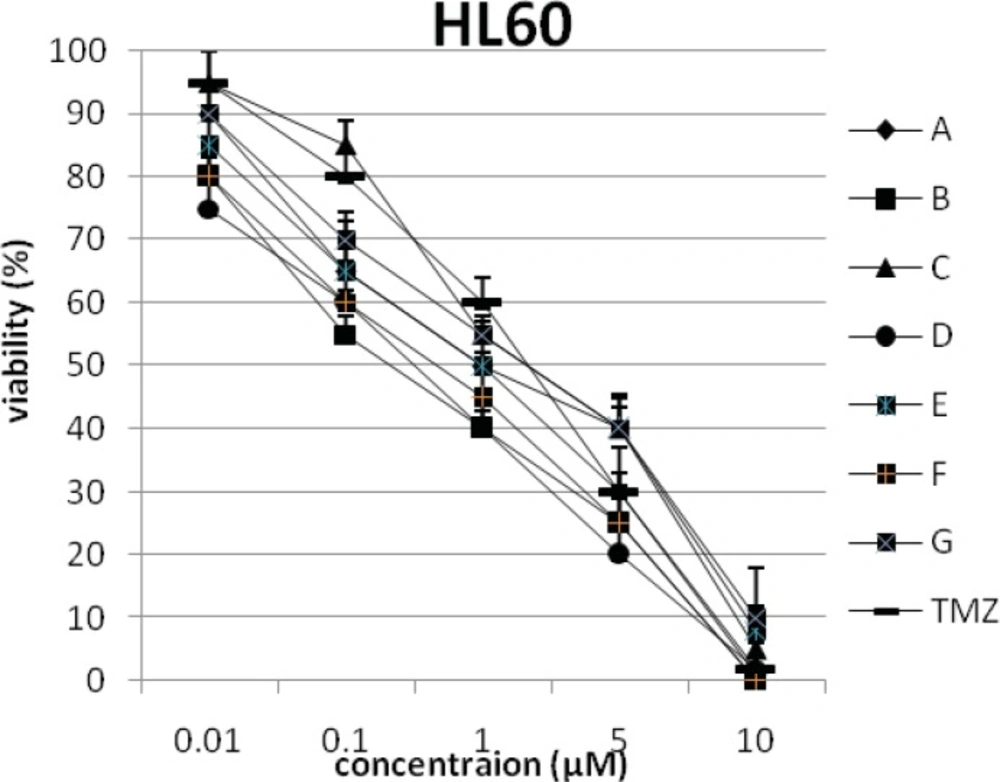
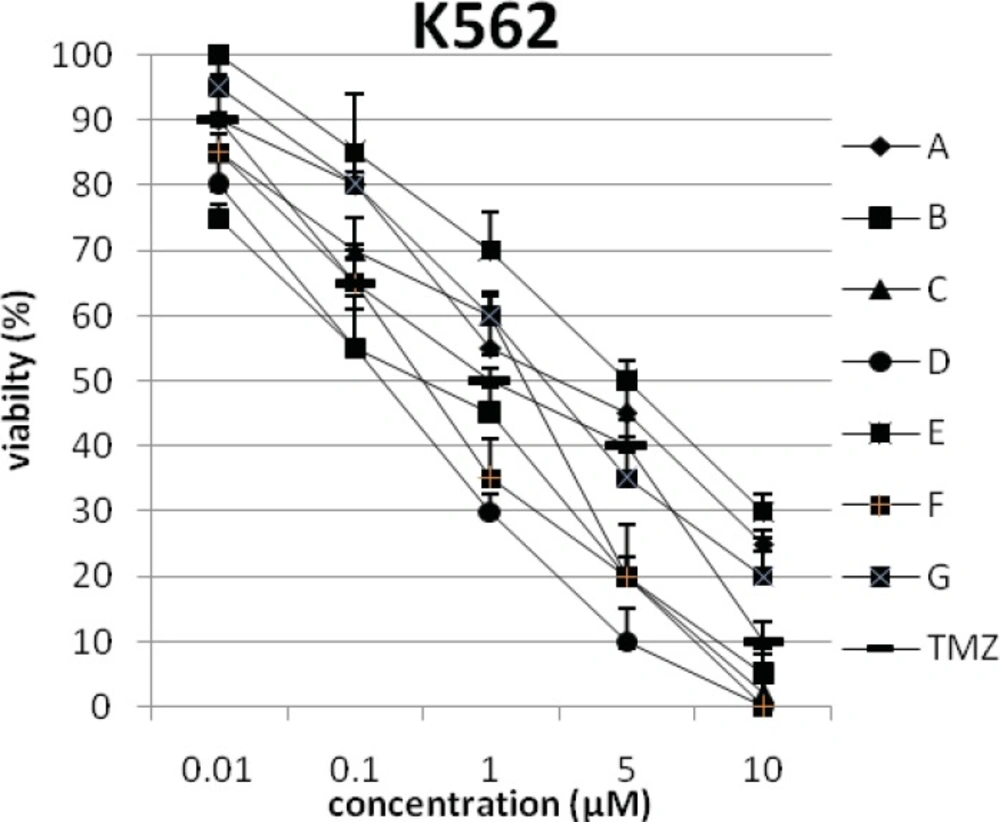
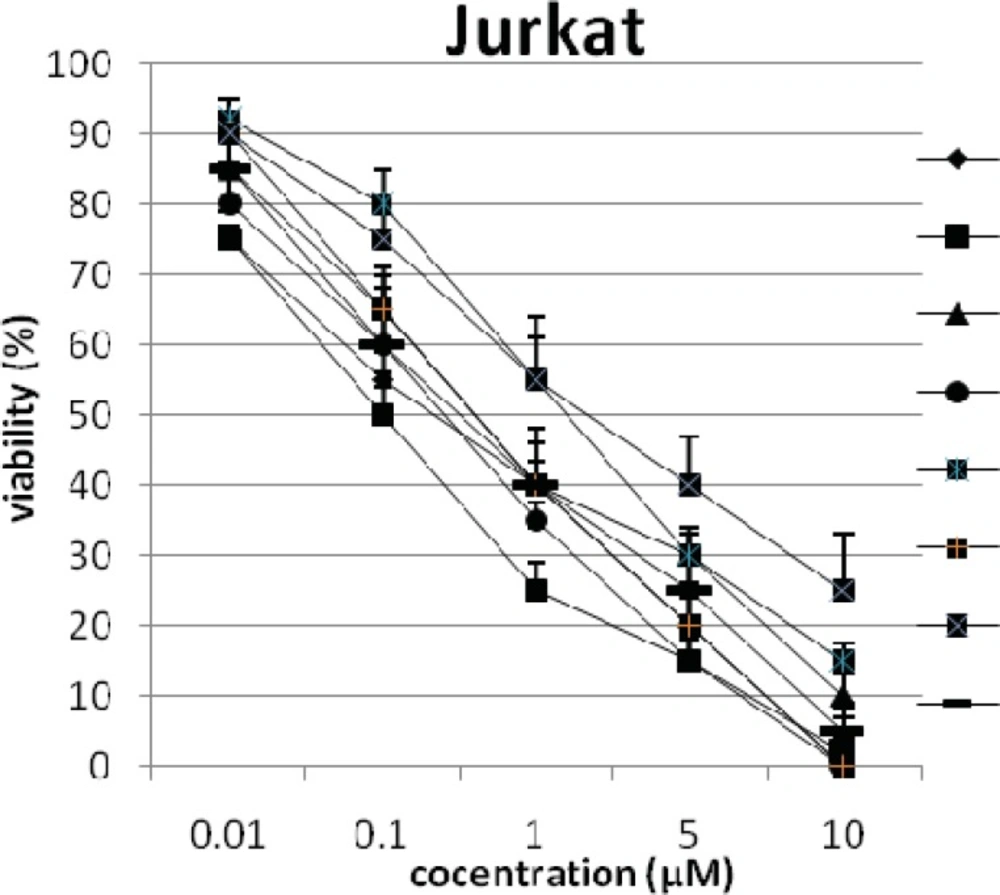
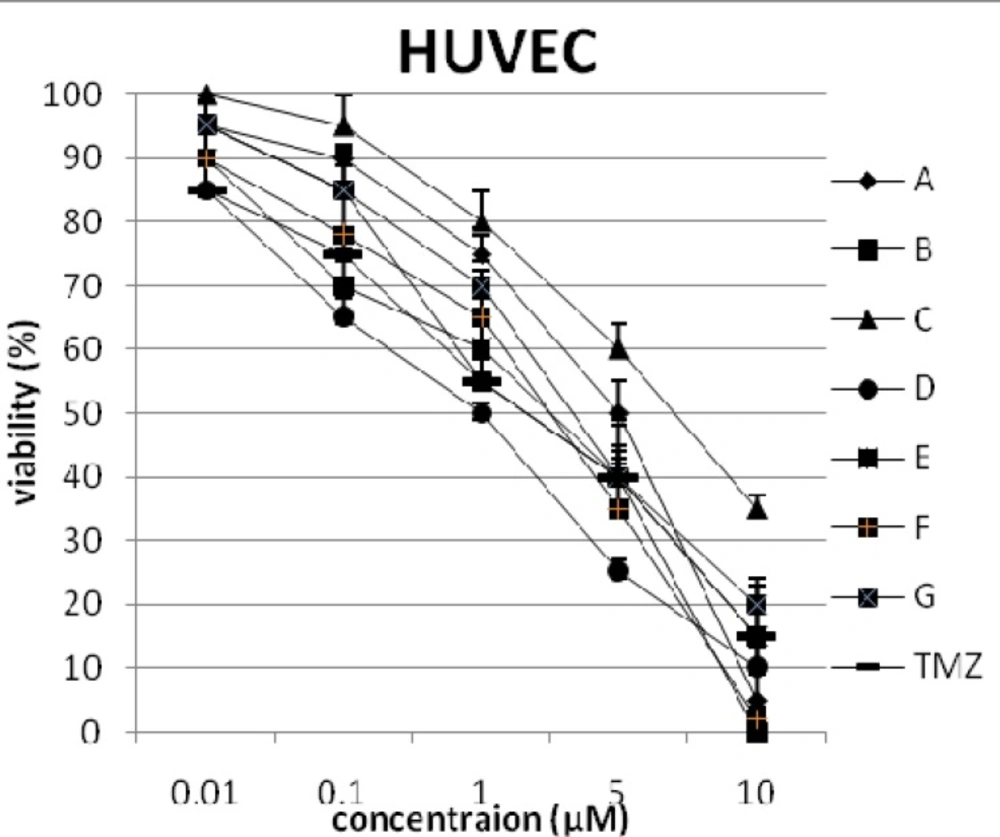
5 cells/mL was transferred in a 6-well tissue culture plate and the triazenes A-G were added at different concentrations. After 48 h the cells were collected and resuspended in 0.4% Trypan blue. The percentages of viable cells were counted using an inverted microscope and the percent of viability was determined in comparison with TMZ as the control (
23).