Fulltext
The full text of this article is available on PDF.
Journal of Clinical Research in Paramedical Sciences
The Official Journal of Paramedical School, KUMS
Authors
Background: Tissue engineering has the potential to create organ and tissue in the form of de novo. Scaffolds are based on structures existing in the extracellular matrix. The trend of successful use of scaffolds is growing rapidly in organ transplantation and in order to expedite such successful use, structures similar to the target tissue are to be used. The coverage of PCL with Gelatin is devised to enable the surface properties of polymer to have hydrophilicity and permeability.This study is to investigate the cell behavior towards Gelatin-coated polycaprolactone supramolecular nanofibers polymer.
Methods: Poly-caprolactone supramolecular nanofibers were prepared by electrospinning method, and were coated with gelatin. Poly-caprolactone supramolecular covered with gelatin has been investigated by FTIR, and scaffolds morphology has been investigated by scanning electron microscope (SEM). L929 fibroblast cells have been cultured on scaffolds, and their cellular activity has been assessedfirst by MTT test and then has been stained with DAPI to confirm the presence of cells on the nanofibers.
Results: The results showed that L929 fibroblast cells, when cultured on nanofibers, such nanofibers can create three-dimensional topography to support the cell growth and cell proliferation, Gelatincoated poly-caprolactone supramolecular nanofibers has had impact on their biocompatibility. Meantime, MTT assay has confirmed the biocompatibility of the resulting graph.
Conclusion: Gelatin- coated poly-caprolactone supramolecular nanofibers, leads to improved surface properties of polymer and to suitable cell behavior.
© 2015, Journal of Clinical Research in Paramedical Sciences. This open-access article is available under the Creative Commons Attribution-NonCommercial 4.0 (CC BY-NC 4.0) International License (https://creativecommons.org/licenses/by-nc/4.0/), which allows for the copying and redistribution of the material only for noncommercial purposes, provided that the original work is properly cited.
hoveizi E, Mohammadi T, Ebrahimi-barough S, Tavakol S. Healing potential of fibroblast cells cultured on a PLA/CS nanofibrous scaffold in skin regeneration in Wistar rat. koomesh. 2016;17(3):e151216. doi:
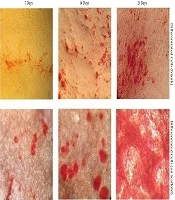
Rashidi S, Asadi A, Latifi-Navid S, Zahri S, Khodayari A, et al. Fabrication of Poly (Vinyl Alcohol)/Gelatin Biomimetic Electrospun Nanofibrous Composites and Its Bioactivity Assessment for Bone Tissue Engineering. Gene Cell Tissue. 2021;8(4):e115569. doi: https://doi.org/10.5812/gct.115569
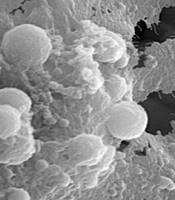
Najafi R, Asadi A, Zahri S, Abdolmaleki A. Comparison of Biocompatibility and Morphology of PC12 Cell Line on a Polycaprolactane/Silymarin Scaffold and a Polycaprolactane/Tragacanth Scaffold. Gene Cell Tissue. 2023;10(4):e131955. doi: https://doi.org/10.5812/gct-131955
Tabatabaei Mirakabad FS, Hosseinzadeh S, Abbaszadeh HA, Zeighamian V, Khoramgah MS, et al. Optimization of Topography and Surface Properties of Polyacrylonitrile-Based Electrospun Scaffolds via Nonoclay Concentrations and its Effect on Osteogenic Differentiation of Human Mesenchymal Stem Cells. Iran J Pharm Res. 2021;20(4):e124532. doi: https://doi.org/10.22037/ijpr.2021.115119.15208
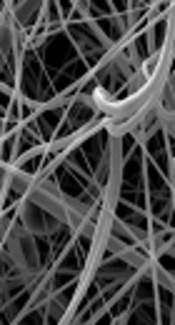
Lajevardi M, Behnam-Rassouli M, Mahdavi-Shahri N, Abdolmaleki A, Mahdizadeh AH. Biocompatibility of Blastema Cells Derived from Rabbit’s Pinna on Chitosan/Gelatin Micro-Nanofiber Scaffolds. Zahedan J Res Med Sci. 2019;21(3):e11013. doi: https://doi.org/10.5812/zjrms.11013
Last Update: 3 weeks ago
Last Update: 3 weeks ago
Last Update: 3 weeks ago
Last Update: 1 minute ago