The genus
Proteus has a Gram-negative cell wall composed of heterotrophic, proteolytic rods. Along with other common pathogens,
Proteus is regarded as one of the most prevalent pathogens associated with hospital-borne infections. Latterly, the
P. myxofaciens genus was moved from
Proteus to the
Cosenzaea genus (
22).
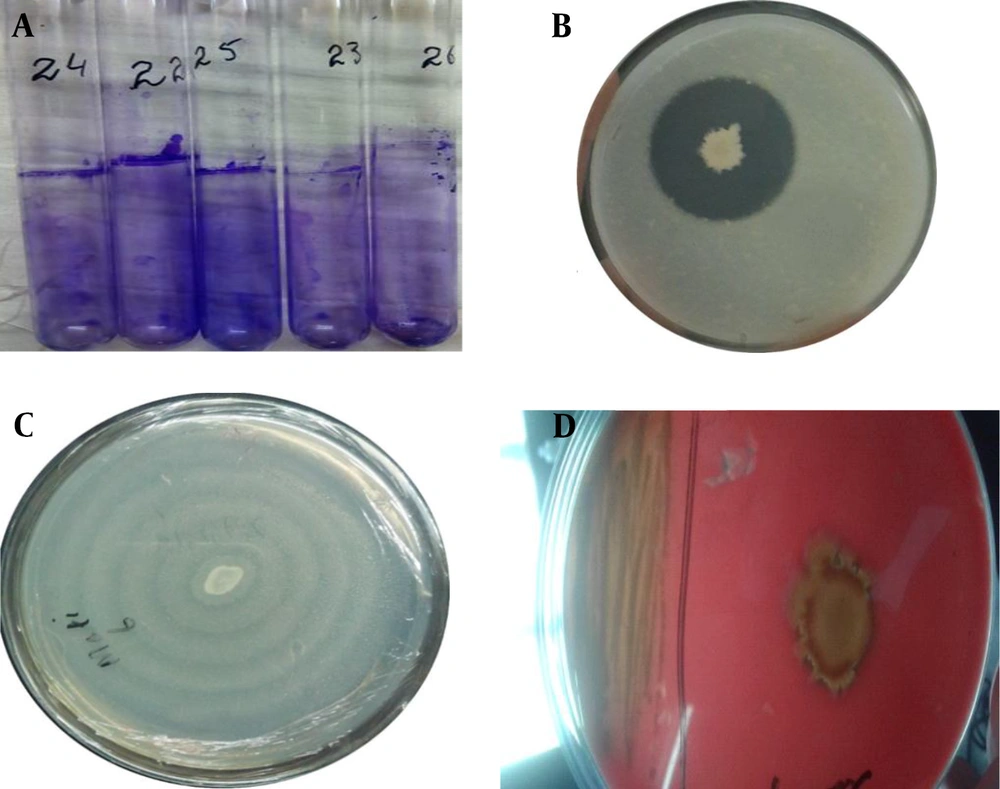
Proteus exhibits yellowish, mucoid, convex, and entire margins colonies on MacConkey agar. Swarming and other virulence factors play a main role in their pathogenicity in the infected host.
Proteus spp. was detected in many infections, particularly with UTI. Since
Proteus spp. is an opportunistic pathogen, even healthy humans can be asymptomatic carriers of the pathogen (
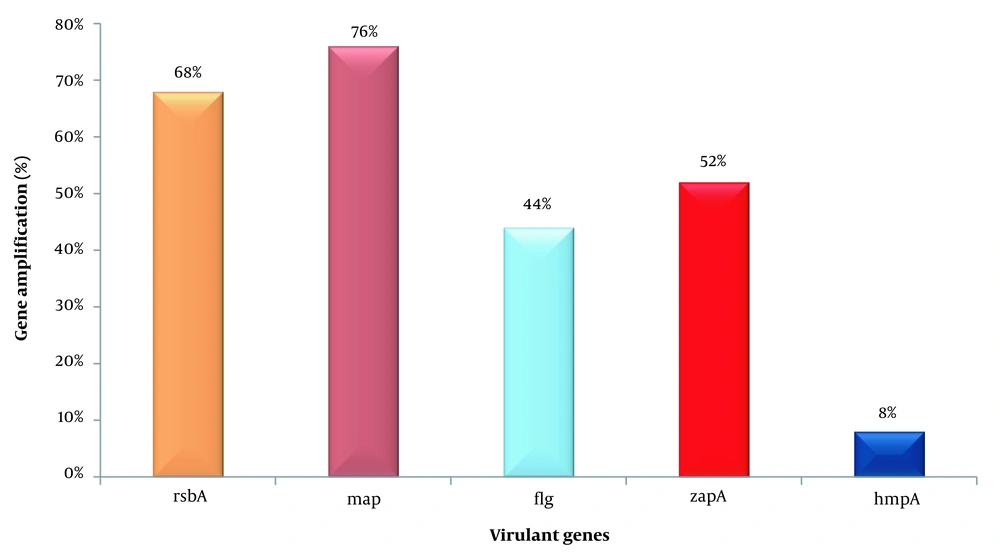
19). In the present study, fimbriae (
mrp gene) 76% was the predominant virulence factor, followed by Swarming (
rsbA gene) 68%, protease (
zapA gene) 52%, flagella (
flg gene) 44% and hemolysin (
hmpA gene) 8% in
Proteus spp.
Mrp protein is associated with fimbriae and plays an important role in adhesins at the fimbrial tips (
1). In the current findings,
mrp expression was observed at 19 (76%), which is in line with previous reports (
23). Likewise, current results were higher as compared to earlier reports about
Proteus (
16,
17). This fluctuation in expression may be due to geographic location and environmental variations. Swarming (
rsbA gene) was positive in 68% of
Proteus spp, which is in line with already conducted studies of Rather (
24). This finding is in contrast to one study in Korea by Pathirana et al. that shows the highest no of the
rsbA gene (50%) (
16) while higher expression was seen in overall clinical isolates (
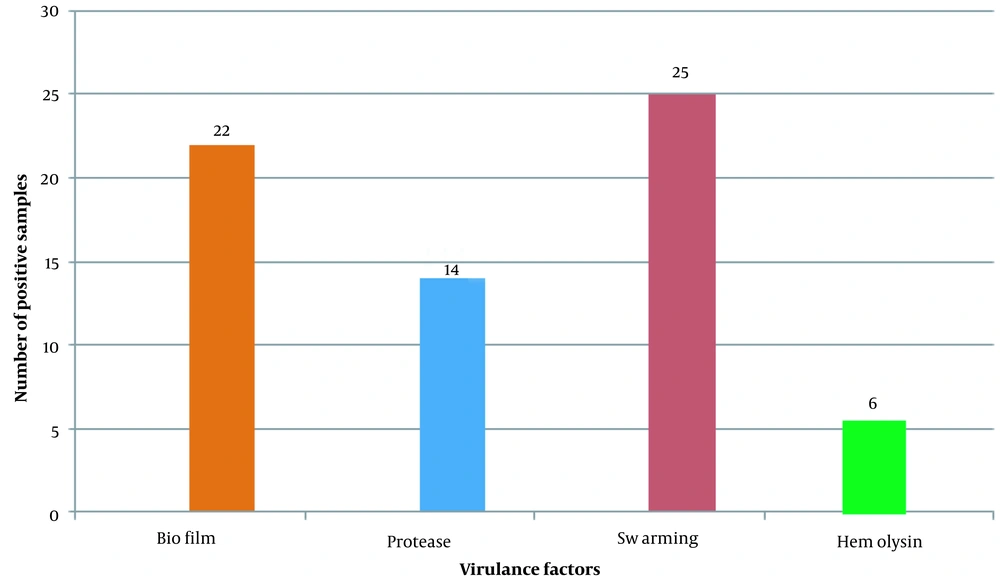
23). In our study, there were 14 (56%) positive for protease enzyme, which is in accordance with earlier reported cases of
Proteus (
16). All
Proteus isolates were positive for protease in comparison to our findings (
25). High expression of flaA gene was detected in (
26,
27) and this difference may be due to different habitats or dietary requirements.
The present study was conducted on general
Proteus isolates, in which different parameters like the ability of extracellular hemolysin etc., were checked. In a current investigation (n = 6, 24%), isolates were positive for hemolysin on blood agar, which had lower hemolytic activity than already reported cases. One study demonstrated high hemolysin activity for
P. mirabilis isolates, which might be crucial, especially in providing iron as a cofactor for bacteria and helping with renal cell destruction (
28).
Proteus mirabilis has shown high hemolytic activity in the blood (
28,
29), which is not agreeable to our findings as in our research, the activity is as low as 24%, which might be the cause of low sample size and of general
Proteus isolates. In Brazil, Sanches et al. showed 32% positive results for the
hmpA gene in
Proteus isolates (
30). This finding is similar our results where (n = 24%) isolates were positive for hemolysin. According to (
20), higher expression of the
hmpA gene was also observed.
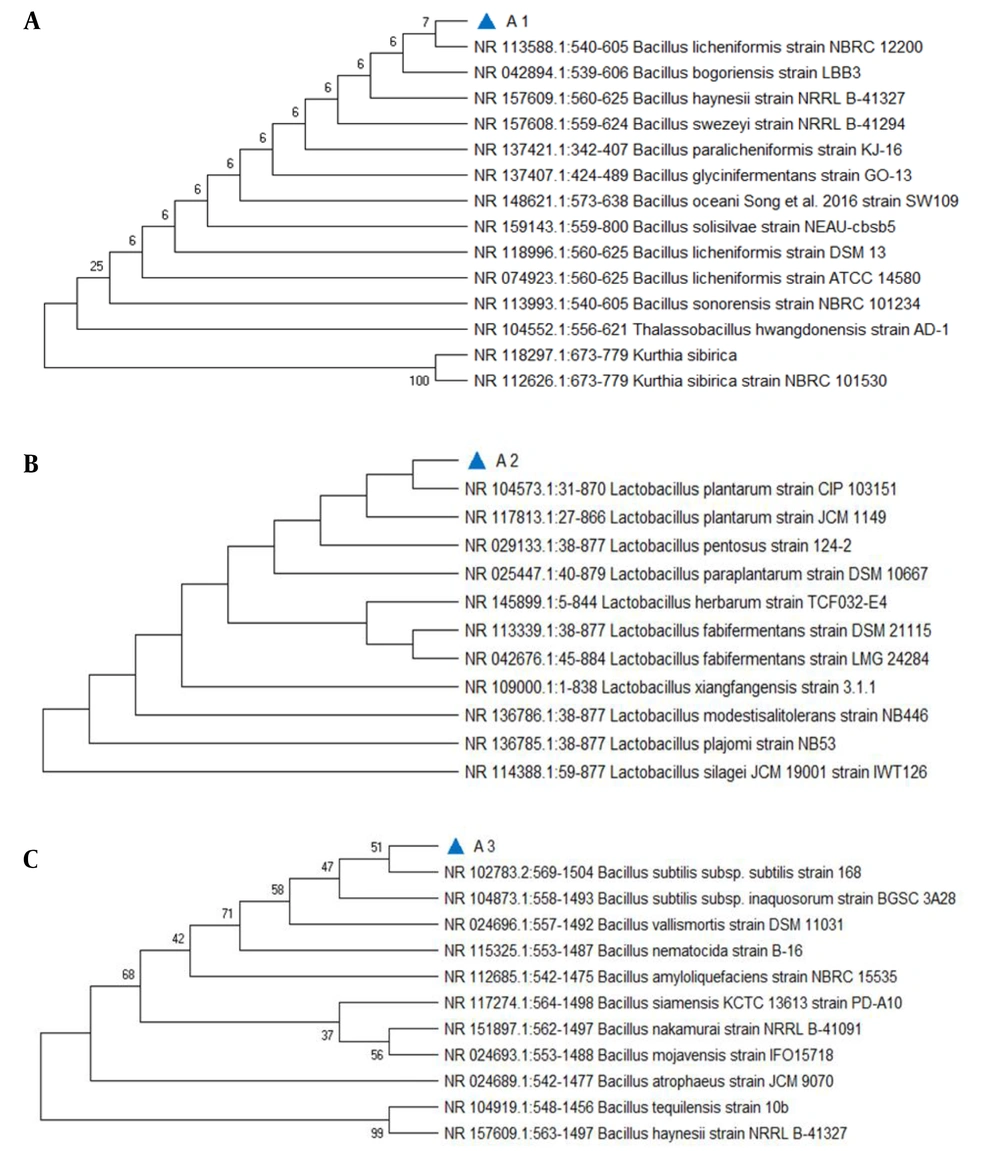
Lactobacillus plantarum can inhibit the growth of some Enterobacteriaceae, including
Proteus species (
31). Probiotics that were isolated from different sources revealed strong antibacterial activities (
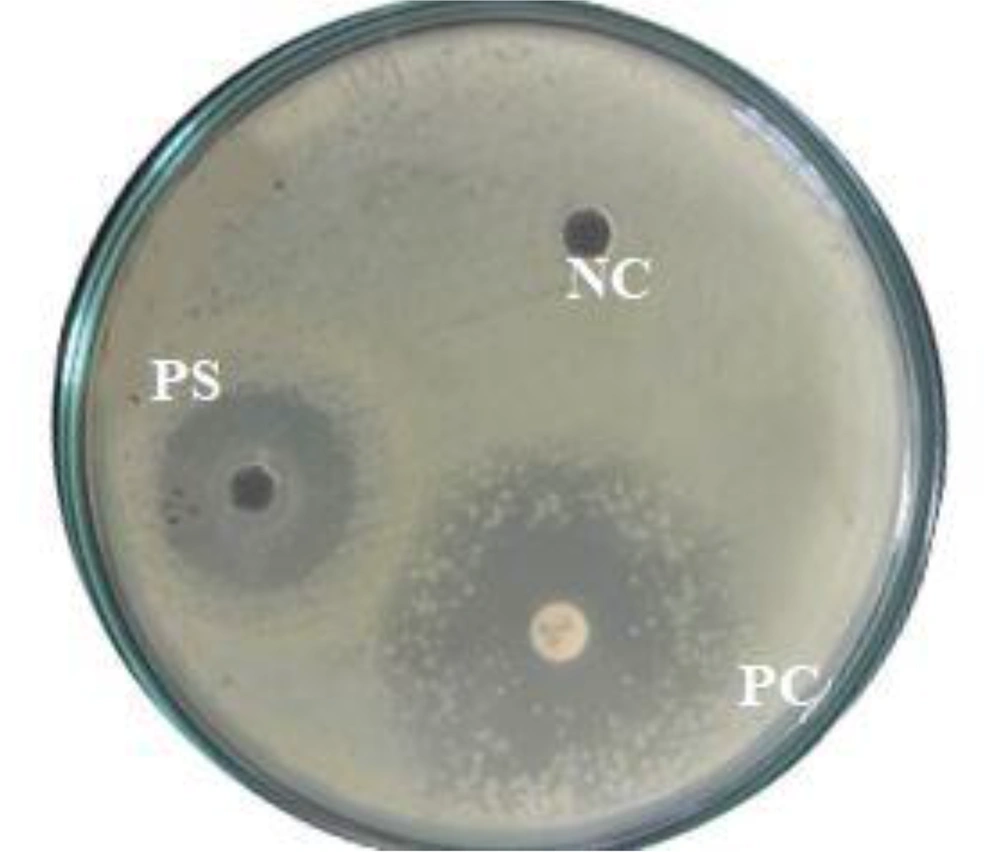
32). In current findings,
L. plantarum also has strong antagonistic activity against
Proteus species. Similarly,
B. licheniformis has the potential to inhibit the growth of both Gram-positive and Gram-negative bacteria, as reported by Kim et al. (
33). It has been revealed that B. licheniformis has strong activity against
Micrococcus luteus, considering it as a potential probiotic which supports our findings (
34). In the current study, P = 0.0138 < 0.05 showed that the virulence genes were significantly varying in different bacterial isolates (
Figure 2). Similarly, the P = 0.0295 < 0.05 (
Figure 6) shows virulence factors significantly different from each other phenotypically, which was different from another study (
35).
Graphical representation of phenotypically detected virulence factors of Proteus bacteria.
The probiotic bacteria,
B. subtilis, may secrete some substances that have strong antimicrobial activity against
B. cereus, Listeria monocytogenes, M. luteus, and
Staphylococcus aureus, as revealed by earlier reports (
36). In the current study, we found different strains of probiotic bacteria that produce inhibitory bacteriocin-like substances for the inhibition of pathogenic bacteria that may be used safely (
37,
38). The physio-chemical composition of the bacteria-producing substances like nisin, lacidin, bacilli, subtilin, and pediocin showed high antimicrobial activity, especially
B. subtilis (
39). That particular probiotic bacteria have also shown strong activity against
L. monocytogenes, M. luteus, and
B. cereus, reported by Khochamit et al. (
40). Similar results have been shown by
B. subtilis with strong antagonistic activity against resistant
Proteus species.
5.1. Conclusions
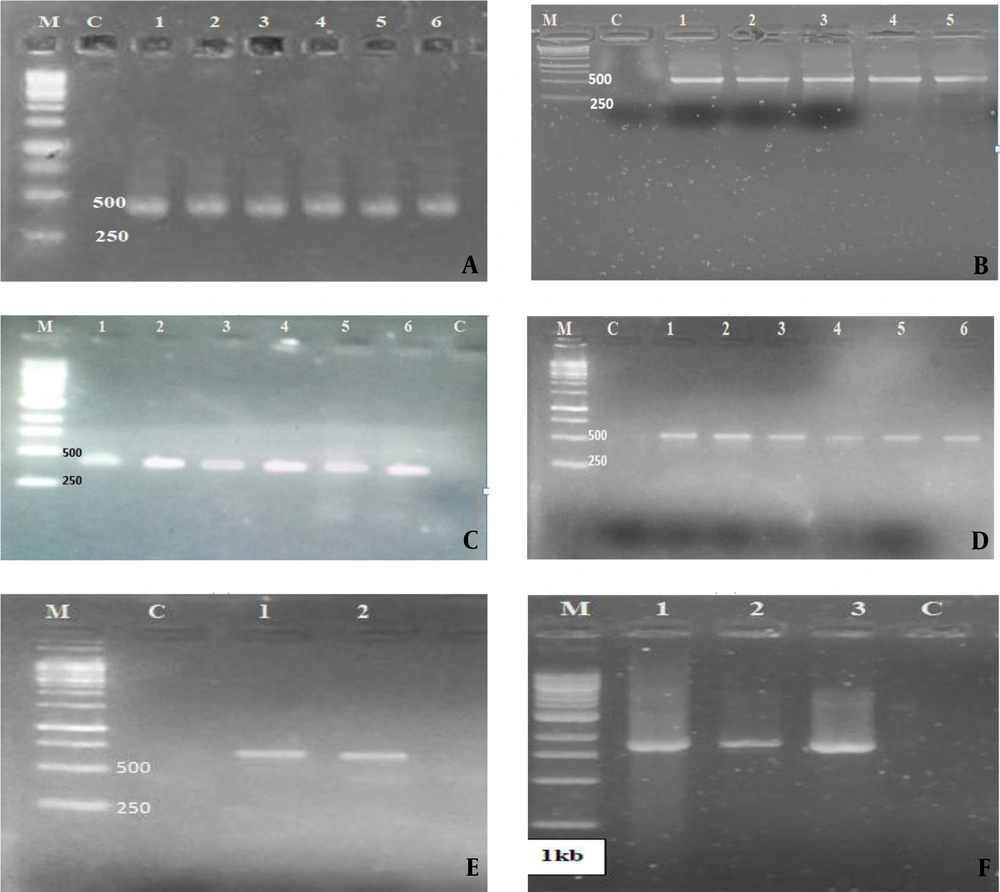
In recent findings, resistant Proteus bacteria were scanned for their virulence profile. It has been established that bacteria with biofilm potential have adopted hostile behavior toward antibiotics, a key strategy to protect and shelter any potential hazards. Due to their protease enzymes, they have the capability to degrade proteins needed for different physiological processes. Moreover, most of these isolates expressed virulence factors like hemolysin, swarming, protease, fimbriae, and flagella. Furthermore, these factors are reconfirmed by amplifying their gene virulence factors such as zapA, flg, hmpA, mrp, and rsbA. Probiotics being isolated from soil have a strong antagonist approach toward virulent Proteus species. Lactobacillus plantarum, B. subtilis, and B. licheniformis were identified as potential probiotics that can be helpful in managing resistant pathogens like Proteus. Characterization of anti-bacterial metabolites will be helpful for further studies. After exposure to probiotic stress, expression patterns of virulence factors can help design new drug targets. These findings will provide new avenues for drug development and also will help clinicians with the management of such pathogens in healthcare centers.