1. Background
Asthma is among the highest 20 leading cause of the inability and affects individuals at different age groups with a global burden on at least 334 million adults suffering from an asthma-related disability (1). Globally, this disorder is also considered as the most prevalent chronic non-communicable childhood disease at any given age in developed and developing communities (2, 3). Many studies carried out on asthma and allergic diseases in different countries have reported a commondisease prevalence rate ranging from 1 to 40% among children. Besides, recent investigations have revealed the increasing trend of incidence rates of asthma and other allergic diseases among Iranian adults in different cities as 2.7 and 35.3%, respectively (4-6). It has been shown that the differences in prevalence and severity contributed to respiratory allergic diseases, particularly asthma, are associated with clinical expression of multiple genetic and local environmental risk factors such as lifestyle alterations, high exposure to main aeroallergens, climate change, and urbanization (7, 8). The typical clinical symptoms of asthma, including recurrent wheezing, chest tightness, shortness of breath, and coughing, particularly during the night or early morning hours, are due to reactive airway inflammation and can get worse by an asthma attack (9). Nevertheless, all of these symptoms are reversible or naturally treatable by prescribing a high dose of fast-acting inhaled bronchodilator/steroids and practicing proper protective measures by adults suffering from asthma (10). However, it is postulated that this exacerbates complications of asthma, leading to psychological disequilibrium and thus threatening the mental health of asthmatic children whose conditions could be controlled or reduced through a change in lifestyle (11). Hence, given the increased prevalence of common psychiatric disorders in asthmatic children, it is of utmost importance to have careful attention to the conceptualized role of psychological status as well as the magnitude of the enormous medical impact of asthma-related psychometric problems. Moreover, careful consideration and assessment of their quality of life (QoL) is required rather than detection of disease duration. Consequently, two tools have been developed to quantify health-related quality of life (HRQoL) among asthmatic children and adolescents using a designed questionnaire that can be integrated into generic core scales and disease-specific modules (12, 13). Based on direct comparison of all current valuable pediatric asthma-specific HRQoL instruments, the Pediatric Quality of Life Inventory TM (PedsQL TM) was employed as the most appropriate model for yielding useful indices on health and illness. The questionnaire was concerned with overall asthma-related QoL, better understanding of healthy living and having a healthy lifestyle, and disease-specific symptoms in Iranian asthmatic children (14-17). Therefore, an asthma-related PedsQL proprietary test can be used for pediatric patients and parent participants. It is important to mention that the content validity and the feasibility of the Persian version of the test have been confirmed (17-19).
2. Objectives
Considering the importance of negative effects of severe outdoor air pollution (dust storm) and environmental pollutants (stemmed from the expansion of industrialization, urbanization, and geographical and climate change-related factors) on healthcare in Khuzestan province in Iran, which have increased in recent decades, this study was designed to measure the status of a quality-adjusted life year in children diagnosed with asthma versus healthy children in Ahvaz, the central city of Khuzestan province. The ultimate goal is developing community-based integrated childhood asthma preventive and management programs.
3. Methods
3.1. Research Design and Sampling Techniques
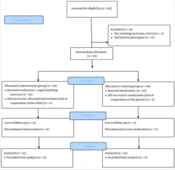
This analytic cross‐sectional study was carried out on 95 healthy children (8 - 12 years old) as controls and 96 children with asthma (8 - 12 years old) referred to asthma and allergy ward of Abouzar Hospital affiliated to Jundishapur University of Medical Sciences in Ahvaz, Iran, from January to December 2019. The control group consisted of healthy children who were selected randomly from different schools with no history of asthma, allergies, or any respiratory, heart, or kidney disease. Each school was deemed as a bunch. In order to have extensive data collection, two questionnaires were used. The first questionnaire was related to clinical and demographic data associated with both groups, and the second questionnaire dealt with the issues related to participants’ QoL. All participants were screened according to the inclusion and exclusion criteria, and all information regarding the research method was provided to them by the researchers, explaining all goals of the method. Parents of all student volunteers from primary schools were asked to complete certain items in their child’s questionnaire. According to sampling method and referring to previous studies (14, 20), the total sample size included two hundred individuals for both experimental (n = 100) and control (n = 100) groups in the present study.
However, those children whose parents were not able to complete the questionnaire were excluded from the study. The ethics committee of Jundishapur University of Medical Sciences approved this study (IR.AJUMS.REC.1398.514), and informed consent was obtained from parents of all subjects.
3.2. Questionnaires
Developing a strategy and a plan to exhaustively standardize registered data using scientifically validated questionnaires is essential to eliminate the tremendous practical variability of data among different clinical practices and medical research studies and also to facilitate the improvement of realized efficiency of data documentation. Therefore, the data of the current study were collected using a list of demographic and clinical data in the form of a self-administered questionnaire involving questions regarding age, gender identity, parental education, income and occupational prestige, family history of asthma, parental smoking history, medical history of onset and progression of other allergic disorders such as eczema and allergic rhinitis, and the use of medication due to asthma attacks (over the past two weeks).
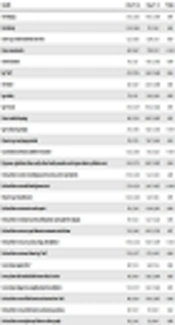
The scope of this survey was limited to administer the PedsQL through child self-report and parent self-report specific standardized questionnaires, having been used in similar previous studies. This disease-specific PedsQL questionnaire consisted of 23 items associated with four dimensions, including physical performance (eight items), emotional performance (five issues), social performance (five issues), and academic achievement (five issues). Both psychological health and physical activity subscales were composed of summation of the scores assigned to emotional performance, school activities, social functioning, and physical functioning in daily activities, respectively, and the total score (ranging from 23 to 115) could also be calculated by this PedsQL model. Standardized Likert-rank response options were categorized in a 5-point scale: (1) 1 (never), (2) 2 (rarely), (3) 3 (sometimes), (4) 4 (often), and (5) 5 (always). Higher scores indicated a better QoL. Content validity and feasibility of the Persian version of the PedsQL questionnaire had been already confirmed in previous studies (21). Acceptable validity and reliability were assessed by Cronbach's alpha which was equal to 0.827 in this study.
3.3. Statistical Analysis
In order to assess normal distribution of the data, the Kolmogorov-Smirnov test was used in conjunction with either a histogram or a quantile-quantile (QQ) plot. In the nonparametric multivariate analysis using the latest version of SPSS 24 software, a probability-computed procedure was conducted based on measurement of statistical strength of the relationship between categorical qualitative and quantitative variables using chi-square, the Kruskal-Wallis, and the Mann-Whitney tests, respectively. The P < 0.05 criterion was set as the significance threshold.
4. Results
4.1. Basic Demographic and Clinical Features of the Study Participants Correlated with Experimental Outcomes
The study population was divided into two groups: (1) healthy 8 - 12-year-old children (n = 95); and (2) asthmatic 8 - 12 years old school-aged children (n = 96) from different public schools (mean age = 10.27 ± 1.36 years; 35.08% female, 64.92% male). Subgroups of the participants’ general features are presented in Table 1. As shown in Table 1, no significant difference was found between the two groups regarding sex (P = 0.922), maternal educational level (P = 0.806), or family income (P = 0.091), but the two groups were significantly different in terms of paternal educational level and smoking (P < 0.001). The stratified data related to the frequency of eczema, asthma, and allergic rhinitis symptoms are listed in Table 2, involving subsequent risk of atopic eczema (an inflammatory skin condition characterized by severe itching, redness, and irritation) in 4.7% of healthy children and 6.65% of children diagnosed with asthma. Moreover, the natural personal history of persistent allergic rhinitis was observed in 5.9% of healthy children and 6.64% of asthmatic children with frequent symptoms, especially stuffy nose and congestion, itchy eyes, sneezing, and loss of sense of smell.
| Characteristics | Healthy | Patients | P-Value |
|---|---|---|---|
| Age (y) | 10.39 ± 1.33 | 10.16 ± 1.37 | 0.303 |
| Gender | 0.922 | ||
| Boy | 62 (65.3) | 62 (64.6) | |
| Girl | 33 (34.7) | 34 (35.4) | |
| Paternal educational level | < 0.001 c | ||
| Elementary | 3 (3.2) | 25 (26.0) | |
| Elementary to high school | 12 (12.6) | 40 (41.7) | |
| Bachelor & graduate | 27 (28.4) | 19 (19.8) | |
| Post graduate or higher | 53 (55.8) | 12 (12.5) | |
| Maternal educational level | 0.086 | ||
| Elementary | 39 (41.0) | 55 (57.3) | |
| Elementary to high school | 34 (35.7) | 33 (34.4) | |
| Bachelor & graduate | 17 (17.8) | 8(8.3) | |
| Post graduate or higher | 3 (3.1) | 0 (0) | |
| Family income (Iranian Rials) | 0.091 | ||
| Less than 10 million | 3 (3.2) | 5 (5.2) | |
| 10 - 20 million | 6 (6.3) | 10 (10.4) | |
| Over 20 million | 86 (90.5) | 81 (84.4) | |
| Paternal smoking | < 0.001 c | ||
| Yes | 20 (21.1) | 49 (51.0) | |
| No | 75 (78.9) | 47 (49.0) |
aAll data are presented as No. (%) except for age variable that is shown as mean ± SD.
b Chi-square statistic test was used to examine the existence of an association between two nominal (categorical) variables.
c P-value < 0.001 was considered statistically significant.
| History of Allergic Disease | Healthy | Patients | P-Value |
|---|---|---|---|
| Eczema | < 0.001 c | ||
| Yes | 7 (7.4) | 63 (65.6) | |
| No | 88 (92.6) | 33 (34.4) | |
| Allergic rhinitis | < 0.001 c | ||
| Yes | 9 (9.5) | 62 (64.4) | |
| No | 86 (90.5) | 34 (35.4) |
a Values are expressed as No. (%).
b Chi-square statistic test was used to examine the existence of an association between two nominal (categorical) variables.
c P-value < 0.001 was considered statistically significant.
4.2. Interpretation of Questionnaire Data Emerging from the Patient-Reported Health-Related Quality of Life Measurement
The outcomes of patients’ responses associated with children's HRQoL scores, which were extracted from the robust and validated 23-item PedsQL, showed a statistically significant poorer overall QoL in children with controlled asthma compared to healthy children. Furthermore, this statistically significant difference was related to all QoL scores, except for child's self-injury or pain, while the items of tendency to accompany other peers and pay specific attention to the teacher in the classroom had the highest burden in children diagnosed with asthma compared to healthy children (P < 0.05). Based on the impact of the HRQoL model on some critical aspects of QoL in children aged 8 to 12 years, this model was found to be able to cover physical, emotional, psychological, and social effects. The scores of school function were statistically different on these main dimensions and overall ratings of QoL between the two groups (P < 0.001) (Table 3).
Table 3.
| Characteristics | Healthy | Patients | P-Value |
|---|---|---|---|
| Physical activity | 35 (33 - 36) | 27 (24 - 30) | < 0.001 c |
| Emotional adjustment | 17 (14 - 19) | 7 (5 - 9) | < 0.001 c |
| Social relationships | 16 (13 - 19) | 11.5 (10 - 13) | < 0.001 c |
| Academic achievement | 17 (15 - 19) | 14 (12.25 - 15) | < 0.001 c |
| Psychological health d | 50 (46 - 53) | 32 (29 - 35) | < 0.001 c |
| Total score | 84 (79 - 89) | 58.5 (55 - 64.75) | < 0.001 c |
aValues are expressed as median (IQR).
b Mann-Whitney U test was used to compare the relationship between two means for non-normally distributed variables.
c P-value < 0.001 was considered statistically significant.
d The sum of the scores on emotional, social, and academic performance scales.
4.3. Explorative Analysis of the Relationship Model for the Health-Related Quality of Life Dimensions Compared to Various Significant Independent Variables
Considering the adverse effects of different subgroups on the results of QoL in pediatric asthma, the findings of the current study showed no strong relationship between the average scores of various aspects of the childhood questionnaire and gender of patients (P = 0.517), educational levels of both parents (P = 0.884), passive parental smoking (P = 0.849), a history of eczema (P = 0.763), allergic rhinitis (P = 0.324), the severity of asthma symptoms (P = 0.860; Table 4), and the use of medication due to asthma attacks (P = 0.569). Moreover, neither in asthmatic children nor in healthy controls, the monthly family income item was significantly associated with the QoL mean scores that were based on physical (P = 0.133) and school-related activities (P = 0.382). On the other hand, worse social dimension (P = 0.040), emotional characteristics (P = 0.042), and an overall score of QoL (P = 0.042) were positively associated with poor QoL outcomes in lower-income children.
Table 4.
| Aspects of Quality of Life | Less Than 2 Times/Week | More Than 2 Times/Week | Symptoms Every Day | Less Than 2 Nights/Month | More Than 2 Nights/Month | Symptoms Every Night | P-Value c |
|---|---|---|---|---|---|---|---|
| Physical activity | 28.17 ± 4.35 | 27.75 ± 4.56 | 27.05 ± 6.24 | 27.00 ± 5.31 | 24.56 ± 5.02 | 26.14 ± 3.48 | 0.404 |
| Emotional adjustment | 10.17 ± 7.44 | 6.69 ± 2.33 | 8.00 ± 2.62 | 7.77 ± 2.56 | 9.00 ± 5.19 | 7.00 ± 2.23 | 0.516 |
| Social relationships | 11.67 ± 2.25 | 11.38 ± 1.50 | 12.40 ± 2.45 | 12.13 ± 2.63 | 10.57 ± 1.27 | 11.76 ± 2.38 | 0.297 |
| Academic achievement | 12.67 ± 2.58 | 13.50 ± 2.87 | 13.62 ± 2.65 | 13.10 ± 3.27 | 12.06 ± 3.73 | 14.43 ± 2.25 | 0.720 |
| Total score | 62.67 ± 12.24 | 59.31 ± 6.25 | 59.95 ± 7.88 | 60.27 ± 6.88 | 57.75 ± 9.21 | 58.14 ± 4.48 | 0.860 |
a Values are expressed as mean ± SD.
b Kruskal-Wallis test was used to compare the relationship between different means for non-normally distributed variables.
c P-value < 0.05 and < 0.001 were considered statistically significant.
5. Discussion
Asthmatic patients’ QoL is influenced by many different physiological and psychological mechanisms (22). Asthma experience and management and patients' QoL are all linked to distinct psychological characteristics, while physiological mediators are more likely to indirectly manage the asthmatic patients' QoL (22). Most previous studies have mentioned the chronic adverse influence of asthma on public health as a condition profoundly interfering with the patients' usual lifestyle and performance, as it can deeply affect physical activity, social functioning, mental performance, and academic achievement (23). It is, therefore, essential to define the complexities associated with reduced QoL of children due to childhood asthma at different age groups and in various areas. Consequently, the present study was designed to measure the status of QoL in children diagnosed with asthma aged 8 - 12 years versus healthy children as controls for the purpose of developing community-based integrated childhood asthma preventive and management programs. Overall, the results of this study were closely associated with a significant low average of QoL regarding all four key dimensions, notably physical and emotional performances, social skills, and school-related functions in children with asthma. In addition, a statistically significant low total QoL score was obtained in asthmatic children compared to healthy children (61.59 versus 44.84).
Parallel to current findings, a vast number of previous studies have demonstrated a meaningful drop in the QoL of patients suffering from asthma at different ages. For example, Kouzegaran et al., who investigated the QoL associated with asthma in 8 - 12-year-old children using the standard PedsQL questionnaire in 2019, reported asthma as a prevalent chronic disease that puts the most significant burden on the QoL of asthmatic children (14, 15, 24). Ultimately, after assessing different aspects and components of QoL, despite the social performance, these children were found to have the most considerable drop in physical, emotional, and academic performance (14). In a meta-analysis study in Portugal, Silva et al. compared the HRQoL of 1797 asthmatic children and 13266 healthy controls and observed a low total score, while the most significant operative impairments in terms of physical and social factors and psychiatric comorbidity were observed in children with asthma rather than in healthy subjects, which is consistent with the current data (25). Furthermore, the present QoL data of asthmatic children steadily showed the highest decline of emotional functioning, which is similar to the results of Sritipsukho et al.’s (16) study. Contradictorily, two studies (14, 26) in Iran reported that the QoL status only varied regarding children’s age, that is inconsistent with the findings of this research showing that children’s QoL scores are generally distributed to gender, parental educational level, parental smoking, family history of eczema and allergic rhinitis, asthma severity, and medication use history. In addition, other studies did not identify any significant difference in terms of gender in asthmatic children (27, 28). This difference may be related to the dissimilarities in patient characteristics of the study population, small sample size, and types of measurement while using the QoL scale instrument. There was no entirely consistent data of an anticipated significant inverse relationship between the PedsQoL in asthmatic patients and acceptable diverse severity of asthma indicator in contrast to more recently published results (29, 30). Similar to the present research, a great number of studies (15) on the direct relationship between the incident of severe childhood asthma and socioeconomic status (SES) recommend that children from higher-income families experience lower rates of uncontrolled asthma and poor QoL. Finally, in the majority of the pediatric age groups, asthma is related to most problems in different aspects of a child’s life. Researchers have pointed out that the determination of patients' genuine needs using patients' QoL measurement, suitable therapies, and educational interventions for patients and their families may be helpful to meliorate different stages of children’s QoL and mainly their physical and psychological health.
It should be noted that limitations of this study include applying this controlled research on a limited sample size using a questionnaire (self-report method) without any observational diagnosis reflecting poor health-related QoL hot spots, and classifying according to locality (area or town near a large city or villages) in asthmatic children at different age groups.
5.1. Conclusion
It is concluded that asthma results in profound unfavorable effects on patients’ lifestyles and activities in different areas; is associated with problems in daily physical activity, socio-emotional functioning, intellectual performance, and school productivity; and can lead to psychopathologic disturbances.
Because of a significant decline in QoL among asthmatic children with elevated severity of asthma-related problems, regular interventions targeting the best asthma management (risk reduction or avoiding asthma severity and symptom control) are recommended to improve children’s QoL, alongside taking practical responsibility for providing psychological support and family counseling.